


T1D Guide
T1D Strong News
Personal Stories
Resources
T1D Misdiagnosis
T1D Early Detection
Research/Clinical Trials
Why Hospitals and Doctors’ Offices are Still Unprepared for Type 1 Diabetes Care
Twenty years ago, my son was admitted to the ER with severe diabetic ketoacidosis (DKA). We had no family history and limited information about the disease that would forever change our lives. For three days and nights, he lay in critical condition, as we scoured the limited resources from the hospital library.
.jpg)
.webp)
As terrified parents, it was frustrating how little the emergency room staff communicated to us about his condition. We weren’t even told which type of diabetes he had—unfortunately, there was no easy test to differentiate between type 1 and type 2 diabetes (T2D).

Luckily, once he received the correct type 1 diabetes (T1D) diagnosis, the children’s hospital care team had a wealth of knowledge about managing his condition. Still, had we known the signs and symptoms, we could have avoided the trauma of a near-death situation, which begs the question, why isn’t there greater available information on type 1?
Reasons for Limited T1D Discussions and Screening
Knowledge Gaps and Confusion
Since there is a rising case of T2D in youths today, some primary care physicians (PCPs) may lack the basic understanding to distinguish between type 1 and type 2 diabetes, and are therefore hesitant to discuss testing. Notably, this leads to delayed and missed diagnoses for both types.
Time Crunch and Testing Burdens
Most physicians must adhere to strict policies and procedures regarding office visits, and screening isn’t a standard part of routine checkups. They have a limited window to complete their routine physical examinations. Additionally, autoantibody testing is not readily available and can be costly. Unless a child presents with symptoms, the topic is moot.
Unnecessary Anxiety
Some pediatricians don’t want to worry parents unnecessarily. Early detection of T1D is a relatively new concept, and screening positive for type 1 risk before symptoms may create additional stress for families. However, early screening offers many benefits, including clinical trials that delay T1D onset.
.jpg)
Risk Factors and Genetics
Recent statistics from Breakthrough T1D (formerly JDRF) indicate that type 1 affects approximately 1 in 300 to 350 children in the U.S., with the highest rates among children ages 5 to 14. Although family history increases risk, most cases occur without a family history.
A Persistent Gap in Hospital Care for T1D
Ten years after my son’s T1D diagnosis, we found ourselves once again in the ER for a broken femur. At the time, there was still a persistent gap in hospital care for type 1 diabetes. During his surgery, I wanted to leave the insulin pump on, but was overruled.
Not only did the surgical team remove the pump, but also his infusion site. Their top concern was repairing the broken bone, not his diabetes management. They were also probably afraid his blood sugar might drop too low during the surgery.
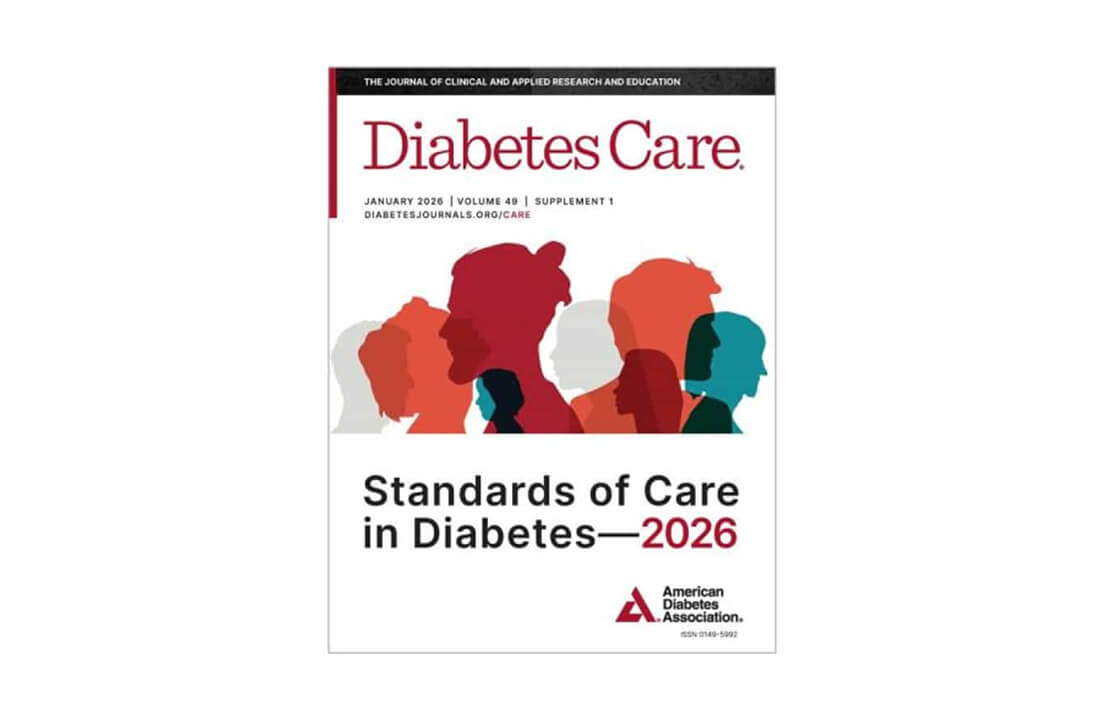
Fortunately, a change is coming with the ADA's 2026 Standards of Diabetes Care, which recommend expanding hospital and perioperative guidance.
The 2026 Standards include improvements such as:
- Specific perioperative glycemic goals, targets before, during, and after surgery.
- Consideration of the facility’s ability to manage diabetes after discharge when patients aren’t returning home.
- Expanded discussion on the use of diabetes technology in hospital settings.
- Implementing a holistic care plan that goes beyond blood sugar levels, including psychosocial needs.

The Diabetes Link to Higher Hospitalization and Complication Rates
The unfortunate fact is that people with diabetes are hospitalized more frequently than the general population. According to Science Direct, evidence shows people with T1D are three times more likely to be hospitalized and stay longer than non-diabetic patients. Reasons may include secondary illnesses like thyroid or celiac disease, influenza, or life-threatening issues like DKA.
Proactive Ways to Be Your Own Advocate
If you find yourself or your child in a hospital setting, you may need to speak up to protect your rights and health. Many people with T1D report that ER and hospital staff treat T1D like type 2 diabetes. And, surprisingly, health care teams are sometimes unfamiliar with insulin pumps, continuous glucose monitors (CGMs) and insulin dosing. All this may lead to avoidable complications and frustration.
Here are some steps you can take to safeguard your hospital stay:
- Endocrinologists should be consulted to assist patients with sick-day guidelines and management during surgery and other illnesses. In some cases, you may request a consultation with an endocrinologist and speak with a patient advocate on staff.
- Some hospitals may ask you to sign a waiver stating you’ll be responsible for your diabetes care. As a result, you won’t be required to remove your insulin pump or CGM.

- Managing insulin regimens in the hospital is not a one-size-fits-all approach. We’ve heard horror stories about insulin overdosing and underdosing. Glycemic management standards are complex—and too often misunderstood by general care teams.
- Remind your healthcare team that the American Diabetes Association (ADA) recommends that all individuals with diabetes who wish to maintain control of their diabetes care be able to do so.
The National Institutes of Health reported that appropriate inpatient diabetes teams (endocrinologists, educators, pharmacists, and nutritionists) have been shown to improve outcomes during hospitalization. Still, unfortunately, patients may have to advocate aggressively for control of their insulin dosing and diabetes tech.
When Hospitals Get it Wrong
T1D requires specialized management, and sometimes a condition as severe as DKA is mismanaged.
- DKA is a leading cause of hospital visits for people with T1D and requires expert attention. Yet many emergency departments and inpatient units lack expertise in DKA.
- High readmission rates—around 1 in 5 adults after DKA treatment—suggest discharge planning and hospital care aren’t addressing underlying management gaps.
The fact remains that most cases of DKA could be prevented if routine screening and early intervention protocols were in place, along with greater awareness during pediatric visits to educate parents about the risks and early warning signs.

Other T1D Barriers – Lack of Educated Diabetes Staff
Standardized inpatient diabetes management teams lead to better outcomes but are not widely implemented due to cost and staffing issues.
However, some hospitals and diabetes centers, such as Cedars-Sinai in Los Angeles, are developing dedicated inpatient glucose management programs to improve outcomes.
In some cases, quality improvement projects have reduced DKA readmissions by implementing insulin therapy and coordinating with outpatient and school-based care teams.
Type 1 Diabetes Early Detection
Delayed diagnosis of type 1 is all too common, mostly in adults, but sometimes in children. It’s best to familiarize your family, school and friends with the emergency signs of type 1 diabetes.
There’s a lack of general awareness and information in school and pediatric settings about type 1 diabetes and DKA that needs to be addressed. A type 1 diabetes diagnosis doesn’t have to be life-threatening.
DKA symptoms can appear flu-like in children and young people, such as:
- Lethargy
- Weight loss
- Excessive urination
- Blurred vision
- Stomach pains/vomiting

If your child doesn’t get better in a day or two, demand a glucose tolerance test or finger-prick test at a minimum.
Call to Action
The cost of a missed diagnosis by today’s standards can be exponentially expensive. An ER visit, let alone hospitalization in a critical care unit, can be pricey. Institutions must prioritize broader education for frontline clinicians on the critical differences between type 1 and type 2 diabetes.
Finally, more consistent protocols for DKA and individualized insulin therapy plans are essential, particularly in ER and outpatient clinics. Hospitals should ensure specialized diabetes management teams collaborate with other departments, or, at a minimum, maintain close contact with a patient’s endocrinologist.
Parents must be better informed about the early signs and symptoms of type 1 so diagnoses don’t come too late.


.webp)

.jpeg)








.jpg)




.jpg)





.jpg)







.jpg)

.jpg)
.jpg)
.jpg)
.jpg)


.jpg)

.jpg)
.jpg)

.jpg)
.jpg)
.jpg)


.jpg)
.jpg)
.jpg)



.jpg)


.jpg)




.jpg)
.jpg)


.jpg)

.jpg)


.jpg)
.jpg)
.jpg)
.jpg)
.jpg)
.jpg)
.jpg)

.jpg)
.jpg)

.jpg)


.jpg)
.jpg)
.jpg)

.jpg)


.webp)
.svg)