


T1D Guide
T1D Strong News
Personal Stories
Resources
T1D Misdiagnosis
T1D Early Detection
Research/Clinical Trials
ADA Standards of Care 2026 Highlights for Type 1 Diabetes
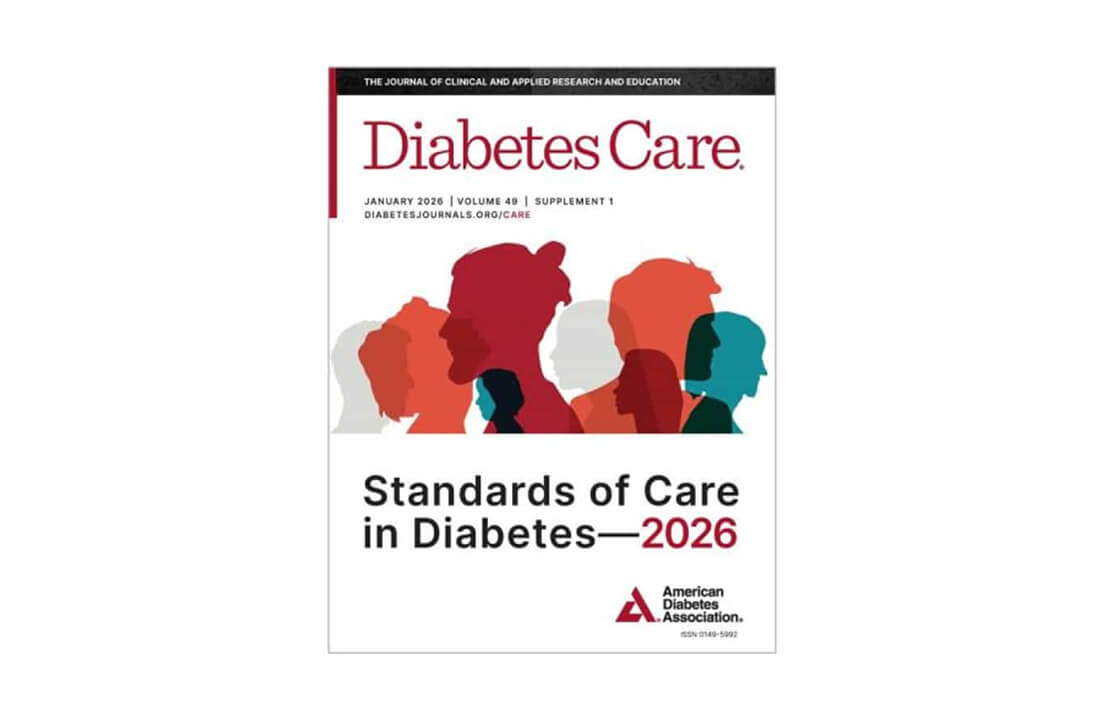
The ADA Standards of Care in Diabetes–2026 are pushing past traditional insulin therapy and glucose-only management by embracing a fuller, more modern approach to life with type 1 diabetes. The new updates stand out with early CGM usage, easier access to automated insulin-delivery systems, and a broader emphasis on mental health and equity for all.
.webp)
This new holistic approach reflects the changing times, while addressing diabetes stigma and the global increase in type 1 diabetes (T1D) diagnoses. The journal also covers the new telehealth scene, technology growth, and the power of early detection and screening.
Standards of Care in Diabetes 2026
Here, T1D Strong captures the key elements of the newly released journal regarding type 1 diabetes.
1. The Importance of Continuous Glucose Monitoring (CGM)
Never before have CGMs been so popular with all types of diabetes. The 2026 Standards recommend CGM use at diagnosis and continued wear for anyone who could benefit from this life-changing health benefit.
What’s more, the journal included discussions of removing barriers and restrictions for underserved families and individuals, and called for greater coverage to address disparities. Early glycemic control and tighter awareness reduce hypoglycemic episodes. Hopefully, the era of finger stick testing is over.

2. T1D Screening and Monitoring
The 2026 updates also expanded guidance on type 1 risk assessment and autoantibody screening, especially for at-risk individuals (with family history) who may develop T1D. The journal stated that once a person is identified as at risk, the use of diabetes technology (CGMs) should be considered to monitor blood glucose levels early.
3. Access to Insulin-Delivery Tech
In addition to broader CGM availability, easier access to insulin delivery technology is encouraged, specifically insulin pumps and automated insulin delivery (AID) systems.

Whereas previously patients had to meet specific requirements to obtain insurance coverage, the goal is to make these technologies more accessible to all people with T1D.
4. Support for CGM and AID Systems in Work and School Settings
While emphasizing greater access and universal use for all T1Ds, new guidance encouraged the adoption of more acceptable tech for diabetes management in schools and workplaces, enabling children, teens, and adults to manage their care safely in their daily lives.

Young adults seeking peer support and services can explore what Diabetes Link offers.
5. More Holistic T1D Care
The Standards called on healthcare professionals to exceed basic glycemic control and to pursue broader mental health treatments. Additionally, the journal emphasized greater awareness of the patient’s kidney, heart, eye, and liver health while managing obesity and other comorbidities.

6. Obesity Treatment
As obesity is on the rise worldwide, the Standards provided guidelines for obesity treatment in people with T1D, acknowledging that T1D management sometimes crosses into larger metabolic and weight-related health problems.
Notably, the new journal did not include recommendations supporting the use of GLP-1 receptor agonists in people with type 1 diabetes. Instead, the updates continue to emphasize the use of GLP-1 primarily for individuals with type 2 and those living with obesity, where evidence supports its benefits.
7. Behavioral Health and Psychological Care
Significantly, among the new updates were guidance for screening diabetes related distress, anxiety, fear, eating disorders and other mental health challenges. To coincide with the screening, better treatment options need to be readily available.

8. Broader Recommendations for ALL T1Ds
Children, teens, and older adults living with type 1 should expect updated guidance on nutrition, complications, mental health and psychosocial screening in the coming year. As T1D affects people from infancy through adulthood into their 80s, there’s a need for greater awareness and education.
9. Integration Across Kidney, Cardiovascular, Transplant, Cancer, and Hospital Care
When individuals with type 1 have secondary illnesses like cancer and heart issues, the new Standards offer guidance to health professionals during treatment or organ transplantation, with blood sugar management.
10. Nutrition and Lifestyle Tips
Another core addition to the journal for T1Ds is a greater emphasis on healthy eating and physical activity. As most of the obesity referencing is related to type 2, the Standards recommend evidence-based eating patterns like the low-carb, Mediterranean-style diets when appropriate.

What These Changes Mean for T1Ds
The recent 2026 updates show important changes in how type 1 diabetes is screened and managed, both personally and professionally. Beyond basic insulin therapy and A1c testing, today's technology, mental health, and complication prevention are at the forefront of treatment.
A more patient-centric approach, across many ages and life circumstances, improves health outcomes and advances diabetes care management for the entire T1D community.


.webp)






.jpeg)


.jpg)




.jpg)



.jpg)







.jpg)

.jpg)
.jpg)
.jpg)
.jpg)


.jpg)

.jpg)
.jpg)

.jpg)
.jpg)
.jpg)

.jpg)

.jpg)
.jpg)
.jpg)



.jpg)


.jpg)



.jpg)
.jpg)



.jpg)

.jpg)


.jpg)
.jpg)
.jpg)
.jpg)
.jpg)
.jpg)
.jpg)

.jpg)
.jpg)

.jpg)


.jpg)
.jpg)
.jpg)

.jpg)

.jpg)




.webp)
.svg)