


T1D Guide
T1D Strong News
Personal Stories
Resources
T1D Misdiagnosis
T1D Early Detection
Research/Clinical Trials
Free FDA-Cleared Insulin Calculator for Type 1 Diabetes—Built by a 13-Year-Old
A free insulin calculator app, created by a young teen shortly after being diagnosed with type 1 diabetes, is now FDA-cleared after five years of development. Designed to reduce fear, math errors, and barriers to care, T1D1 (Type 1 Diabetes From Day 1) offers a simple tool for people managing insulin with injections, especially in the earliest days after diagnosis.
.jpg)
.jpeg)
When Diagnosis Makes Every Decision Feel Risky
A diagnosis of type 1 diabetes (T1D) changes daily life immediately. Food choices become calculations. Timing matters. Each decision can feel heavy. For many people, insulin dosing is introduced in the hospital, with little time to understand how those decisions fit into everyday life.
For newly diagnosed patients, insulin math can feel overwhelming. Carb ratios, correction factors, and blood glucose targets are introduced together. The consequences of error are explained at the same time. Going too low or too high is not abstract. It is real, and it can be frightening.
That fear was familiar to Drew Mendelow.
He was diagnosed with T1D at age 13. On the day he was hospitalized, he was taught how to calculate insulin doses using formulas he had never seen before. At the same time, he was learning what could happen if those calculations were wrong.
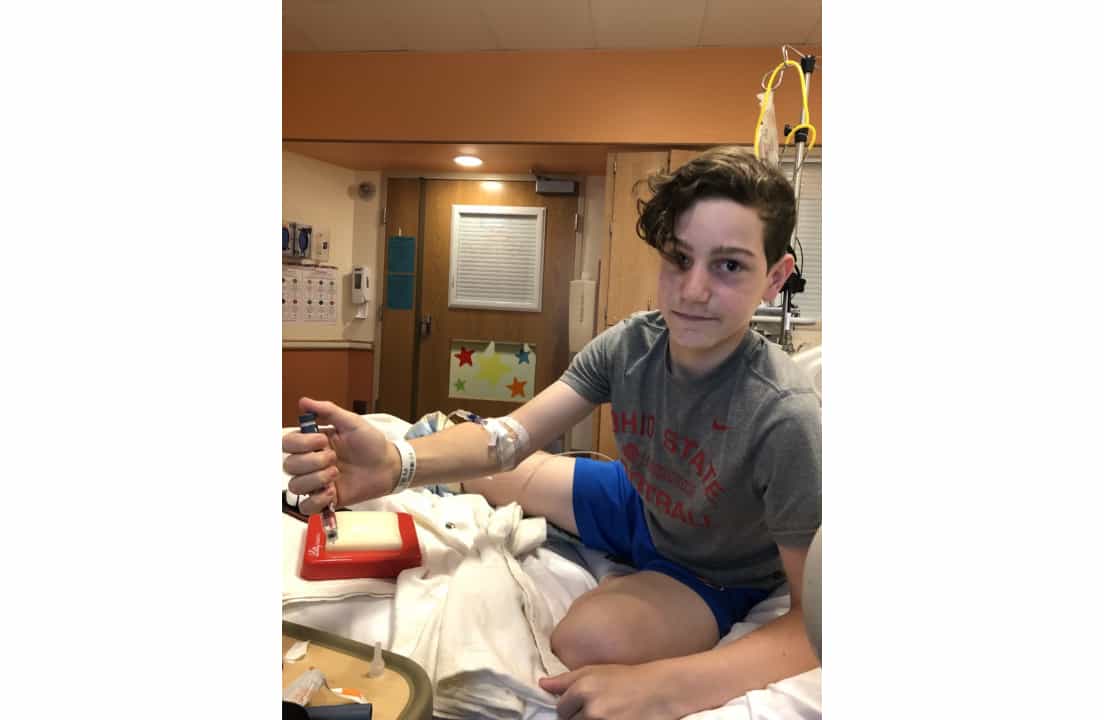
“I remember feeling very overwhelmed,” Mendelow said. “You are taught all this math, and you are also told what could happen if you mess it up. That pressure was scary.”
The responsibility felt immediate. Managing diabetes quickly became part of daily life, including school, sports, and time with friends. Like many newly diagnosed people, he began wondering how others handled those decisions outside of the hospital.
He also noticed something missing.
There was no simple, free insulin calculator app available to help.
A Gap in Diabetes Care
Insulin dosing tools already existed, but they were not designed for everyone. Many were built into insulin pumps or connected devices like continuous glucose monitors (CGMs). Others required subscriptions. Some assumed years of experience, and could feel complicated for someone newly diagnosed with type 1 diabetes.
What Mendelow could not find was a free, over-the-counter insulin calculator designed for people using multiple daily injections.
While still in the hospital, he searched for an app that could calculate insulin doses and track information in a way that could be shared with clinicians. Nothing met that need.
It later became clear why such a tool was hard to find. Apps that recommend insulin dosing fall under Class II medical device regulations in the United States. That means FDA oversight, a requirement Mendelow did not fully understand at the time. Clearance requires extensive documentation, safety testing, and proof that the tool can be used safely outside a clinical setting.
For many people, that requirement ends an idea before it begins.
For a thirteen-year-old, it could have ended there.
Instead, it became the beginning.
Building T1D1 From a Hospital Room
Mendelow had some experience coding video games. What started as a lighthearted comment to his endocrinology team quickly became a real project. The day after returning home from the hospital, he began developing a basic insulin calculator.
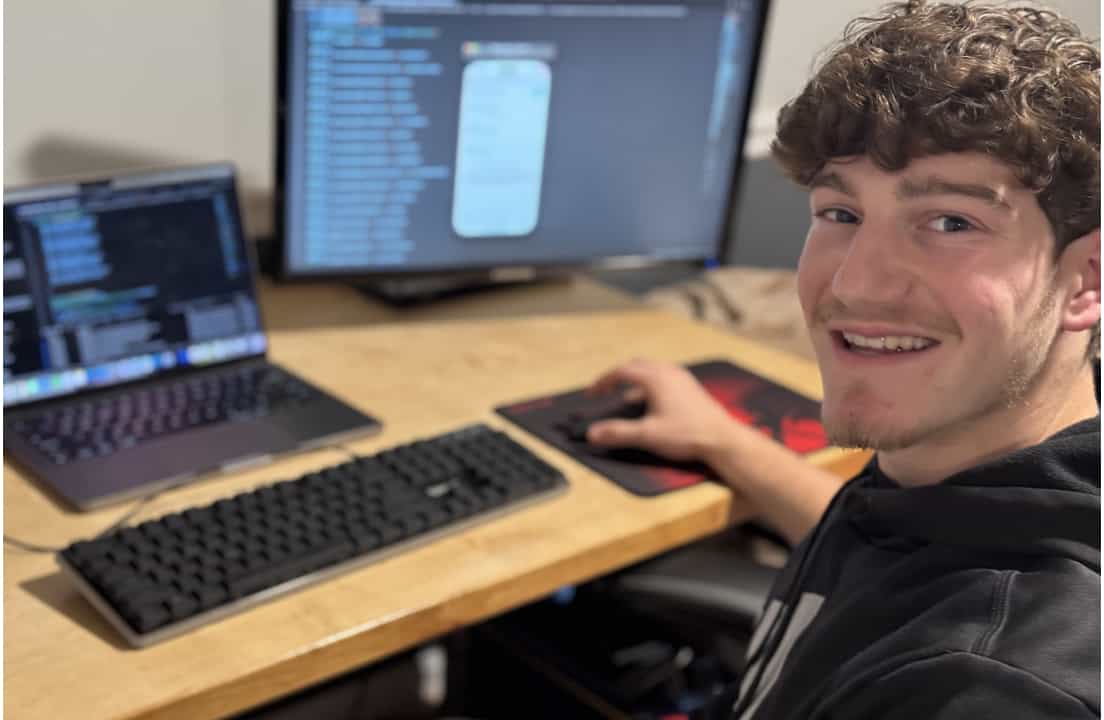
The first version of T1D1 was intentionally simple. Users could enter personal settings, calculate insulin doses, log information, and share it with their medical team. There were no advanced features meant to overwhelm someone who had just learned the fundamentals of diabetes care.
The app was free from the start.
Within weeks, Mendelow realized the tool was helping him manage his own diabetes. He decided to release it publicly, even if it helped only one other person.
It helped many more.
From Personal Tool to Community Resource
After its release, T1D1 was downloaded quickly. Feedback arrived from people living with diabetes, parents, nurses, and educators. School nurses shared that the app helped them feel more confident when supporting students living with T1D, especially when formal training was limited.
People who typically used insulin pumps described relying on the app during pump breaks or device failures. Parents shared how the calculator reduced anxiety, particularly during the early months after diagnosis.
“I was surprised by how many people reached out,” Mendelow said. “Doctors, parents, people with diabetes. That was when I realized there was a real need for something like this.”
As the user base grew, so did requests for new features. Mendelow worked carefully to balance feedback with the app’s original purpose. Simplicity remained a priority.
Over time, T1D1 added shared family accounts, offline functionality, and multiple calculator profiles to support different needs throughout the day. Behind the scenes, the app was rebuilt several times to meet evolving safety and regulatory standards.
Those changes would soon become essential.
When the App Was Removed
Six months after its release, T1D1 was removed from app stores. Apple notified Mendelow that FDA clearance was required.
The decision made sense. An app that recommends insulin doses carries real risk. Regulation exists to protect users.
Still, the removal was difficult.
What followed was unexpected.
Emails began arriving from doctors, educators, parents, and people living with T1D asking when the app would return. Hospitals wanted to know if it could be used in onboarding programs for newly diagnosed patients. Parents asked for updates.
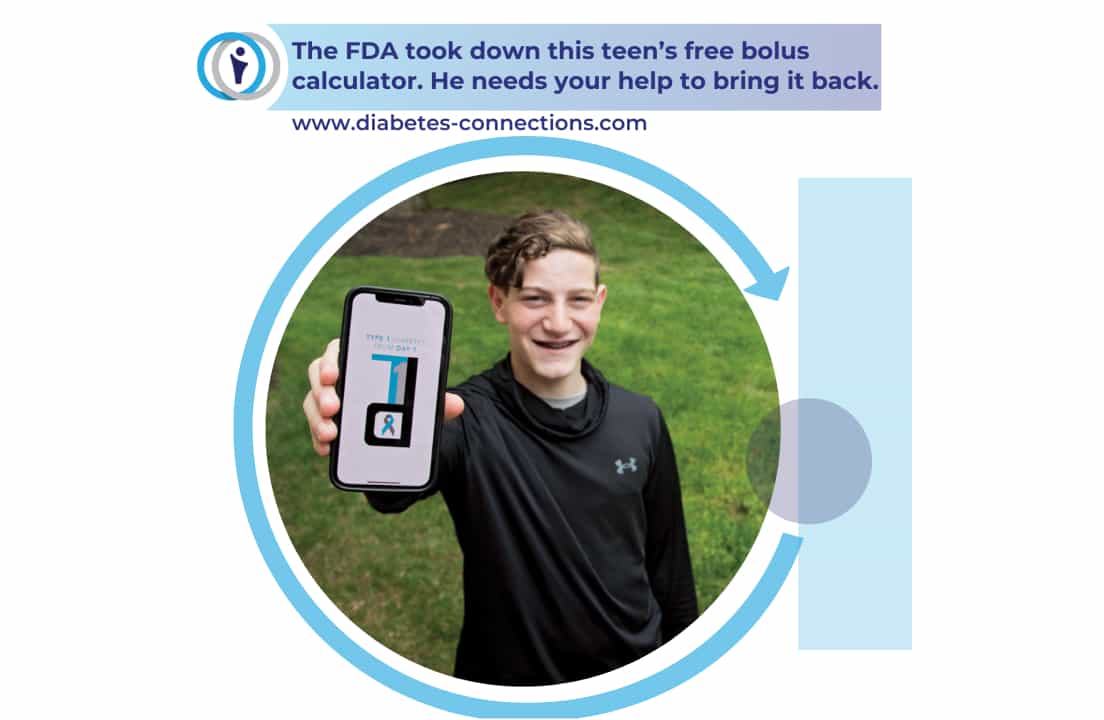
The response made one thing clear. T1D1 had filled a gap.
If the app were to return, it would have to meet the highest safety standards.
What FDA Clearance Really Requires
Getting a medical app FDA-cleared is not straightforward. Because T1D1 recommends insulin dosing, it is classified as a Class II medical device under U.S. regulations. That classification triggered a lengthy review process focused on safety, accuracy, and real-world use.
One of the most complex requirements was a Human Factors study. Because T1D1 would be available over the counter rather than prescribed by a clinician, regulators required evidence that users could safely operate the app independently. The study had to demonstrate that people managing type 1 diabetes with multiple daily injections could navigate the app correctly and understand how dosing calculations were generated.
Designing and completing the study required outside expertise. Protocols had to be developed, approved, and carried out with participants who met strict criteria. What was expected to take about one month ultimately took six months, largely due to challenges in recruiting enough eligible participants. By the end of the process, the FDA submission included more than 100 pages of documentation.
The financial cost was significant. Rebuilding the app to meet FDA standards and completing the required regulatory documentation totaled roughly $500,000. That scale of investment would have been out of reach without external support.
Diabetes Center Berne Steps In
Funding for the FDA clearance process was provided in part by the Diabetes Center Berne in Switzerland, following Mendelow's recognition in the organization’s innovation competition. Although he did not win the competition, the organization offered funding support.
It also connected him with Comerge, the software development team that rebuilt the app to FDA standards and created the required regulatory documentation. Diabetes Center Berne funded the project, while Comerge contributed extensive development and documentation work, including time donated beyond its contract, to help move the app through the FDA process.
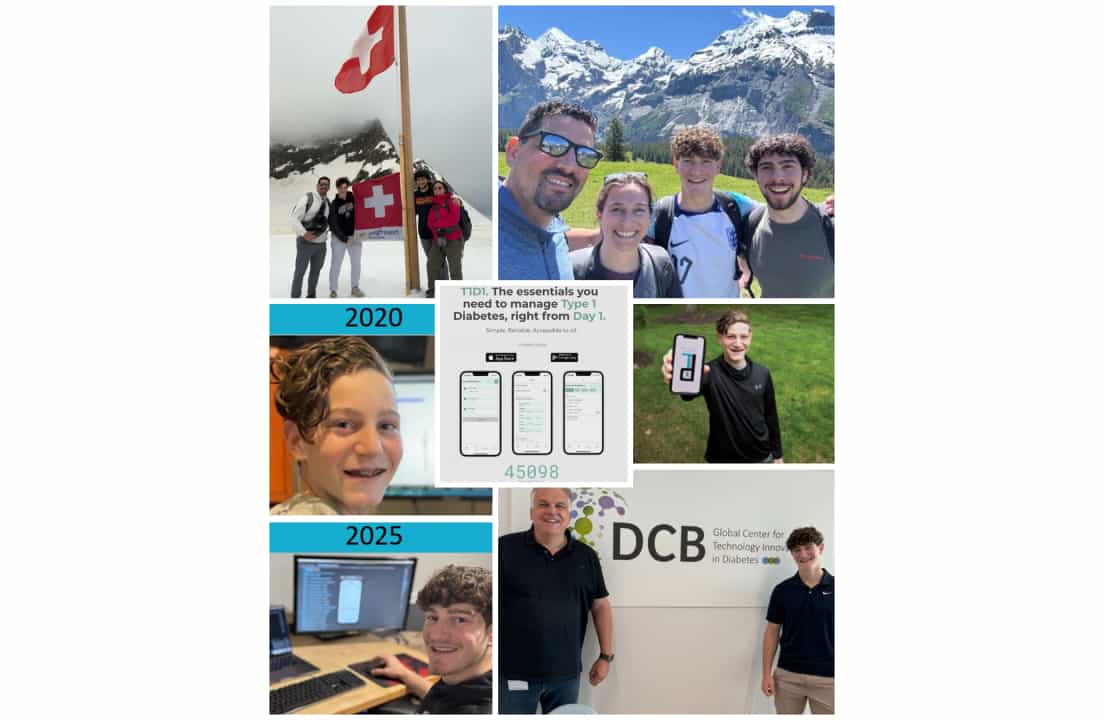
Additionally, more support came through partnerships formed during the regulatory process. Dexcom assisted by running the Human Factors study internally, reducing costs that could have otherwise reached six figures. The final FDA submission also required T1D1 to qualify as a small business to reduce filing fees, a process that added several more months.
Five years after development began, T1D1 received FDA clearance. Mendelow was 18.
“I never imagined how long or expensive this process would be,” he said. “But I knew it mattered. People needed to be able to trust the app.”
Why Keeping the App Free Matters
Despite the cost, T1D1 remains free to users.
That decision was intentional from the beginning. Mendelow has said that charging people for a tool required to stay alive never felt right. Newly diagnosed patients are often introduced to diabetes care through a growing list of expenses, devices, and subscriptions. T1D1 was designed to remove one barrier, not add another.
The app is operated as a nonprofit. That structure reinforces trust and keeps the focus on access rather than profit.
“I wanted this to be something people could use without worrying about cost,” Mendelow said. “Especially when they are already dealing with so much.”
For users, the benefit is immediate. There are no subscriptions. No paywalls. No required internet connection. The app works offline and syncs data when access returns.
For clinicians, FDA clearance brings confidence. Hospitals can recommend the app as part of diabetes education programs. Families can rely on it, knowing it meets regulatory standards.
How T1D1 Fits into Daily Diabetes Care
For people newly diagnosed with T1D, insulin dosing is a constant decision. Each meal, correction, and adjustment requires calculation, often during a period when confidence is still developing. T1D1 was designed to support those moments by simplifying the math and reducing mental load.
The app is used by people managing diabetes with multiple daily injections, as well as by families and caregivers who share responsibility for dosing decisions. By keeping calculations consistent and transparent, T1D1 helps users focus on learning patterns and building a routine rather than rewriting formulas each time insulin is needed.
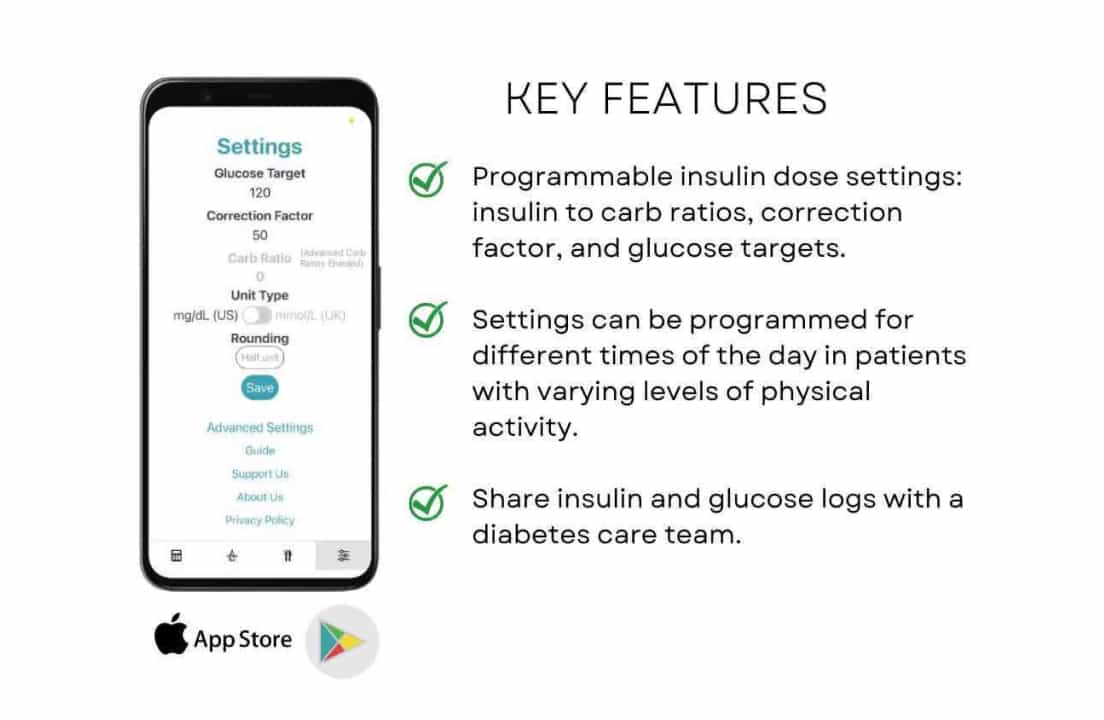
In practice, the app supports daily diabetes care in several key ways:
- Calculates insulin doses using user-specific ratios and correction factors
- Works without internet access and syncs data once connectivity returns
- Allows shared accounts so families and caregivers can view the same information
- Supports multiple calculator profiles for different times of day or activity levels
- Enables users to export dosing and glucose data to share with clinicians
For some users, the app also serves as a backup tool. People who typically use insulin pumps have reported relying on T1D1 during pump breaks or device failures. School nurses have described using the app as a reference when supporting students living with T1D, particularly in settings with limited training resources.
Over time, consistent use has helped some users improve confidence and glycemic control. Others have shared that the app made it easier to transition from sliding scale dosing to carb ratios. Parents have reported greater peace of mind when children are away from home, knowing insulin calculations can be checked quickly and accurately.
For Mendelow, the goal has remained steady. The app is meant to make daily diabetes care feel more manageable, especially during moments when decisions feel heavy and support is limited.
Expanding Access Beyond the United States
Expanding access has become a growing priority for T1D1. In many countries, people lack access to diabetes education even when insulin is available. Children still die not because insulin is unavailable, but because proper education and support are missing.
Most importantly, T1D1 is free and works offline, with the potential to support people in low-resource settings. The app offers a basic but critical tool that promotes education, autonomy, and safety.
The goal is not to replace medical care. It is to reduce harm and support informed decision-making where resources are limited.
Learning While Living with Diabetes
Developing T1D1 has also influenced how Mendelow manages his own diabetes. Through the process, he has learned about advanced diabetes concepts, emerging technologies, and clinical research. The work has encouraged him to pursue better control and ongoing improvement in his own care.
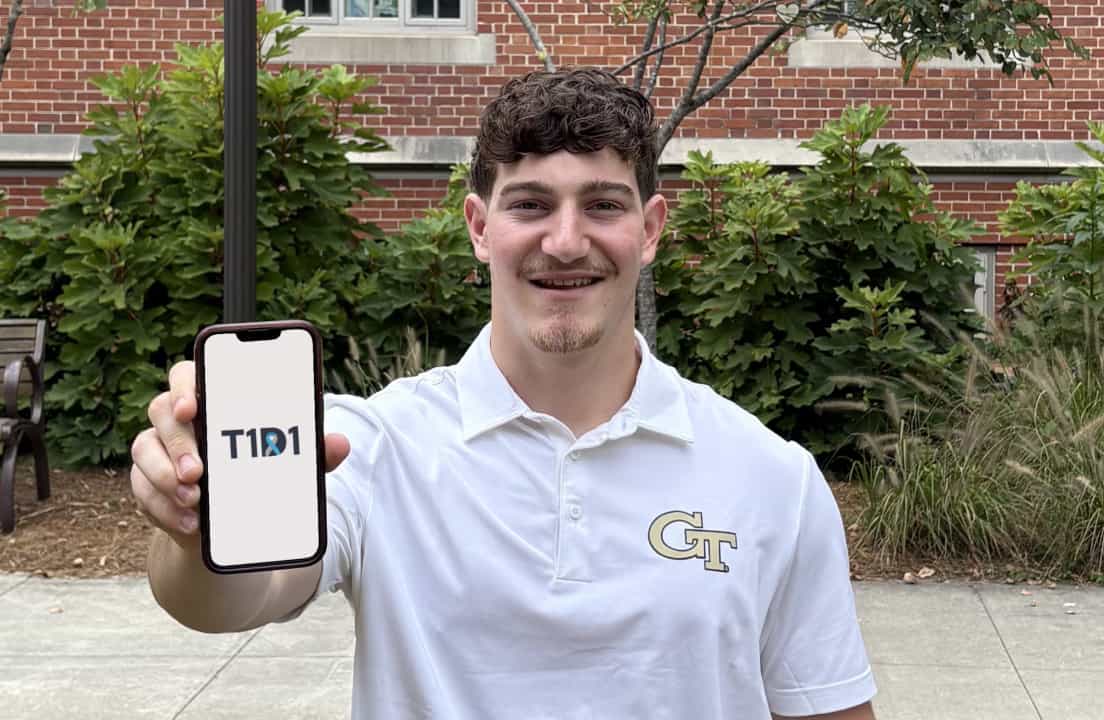
He is currently balancing college life at Georgia Institute of Technology while maintaining the app. Careful planning and organization have become essential.
The work continues.
What T1D1 Is Meant to Provide
When someone downloads T1D1 shortly after diagnosis, the goal is simple. The app should make life feel more manageable. It should reduce anxiety and support confidence during a time of rapid change.
Type 1 diabetes does not become easy. But tools matter.
Five years after it began as a hospital-room project, T1D1 is the first FDA-cleared, free over-the-counter insulin calculator app. The app exists to reduce fear, lower barriers, and support safer insulin dosing for people living with T1D.
More information about the app, along with details on how to support its nonprofit mission, is available at https://www.t1d1.org, including the donation page at https://www.t1d1.org/donate.html.


.webp)





.webp)















.jpg)






.jpg)




.jpg)





%20(1).jpg)







.jpg)

.jpg)
.jpg)
.jpg)
.jpg)
.jpg)
.jpg)
.jpg)
.jpg)
.jpg)

.jpg)

.jpg)
.jpg)
.jpg)

.jpg)
.jpg)



.webp)
.svg)