


T1D Guide
T1D Strong News
Personal Stories
Resources
T1D Misdiagnosis
T1D Early Detection
Research/Clinical Trials
A Hawaiʻi Mother’s Fight for Type 1 Diabetes Screening and Early Detection
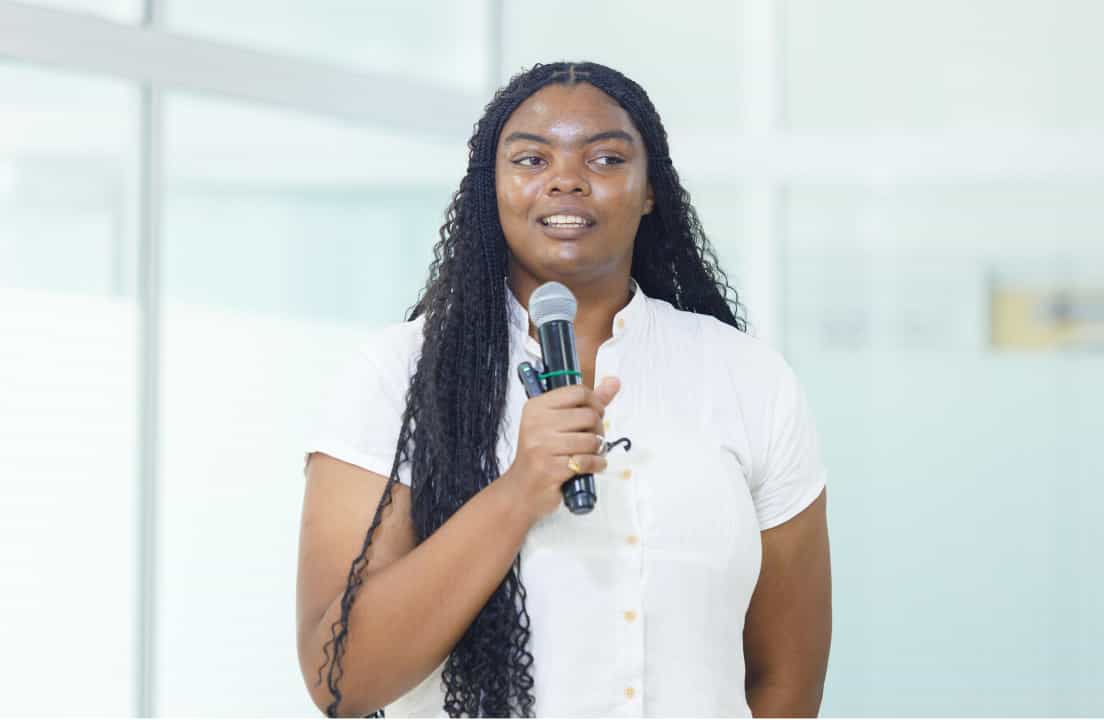
When a Hawaiʻi mother asked her longtime doctor for type 1 diabetes screening, she was told patients would rather not know if they are at risk. After nearly losing her daughter to type 1 diabetes (T1D), developing type 2 diabetes herself, and advocating for change on Capitol Hill, Chandra Kim strongly disagrees.
.jpg)
.jpeg)
Her story below shows why T1D screening and early detection matter, and why no one else should decide how much a person wants to know about their own health.
The Day Her Doctor Said Patients Do Not Want to Know
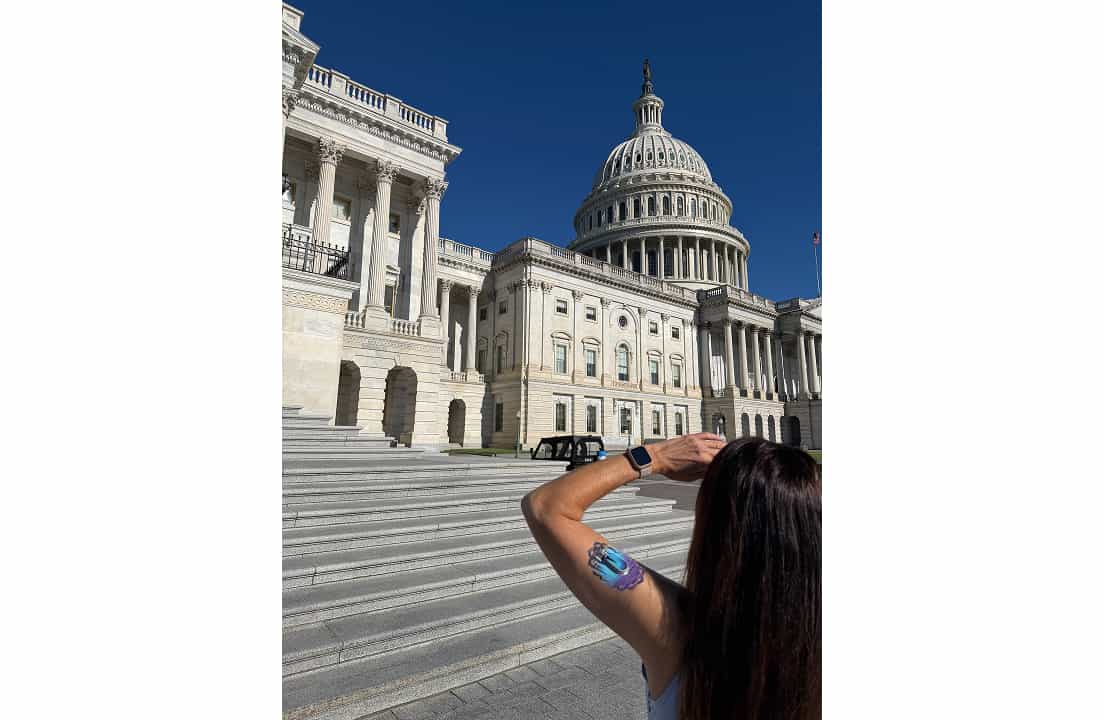
In 2024, Chandra Kim returned home to Hawaiʻi with a clear mission after traveling to Washington with the Diabetes Patient Advocacy Coalition (DPAC). Paired with a knowledgeable policy advisor, Kim learned more about type 1 diabetes screening, early detection and how autoantibody testing could benefit families and people already living with diabetes. Kim did more than listen during those meetings. She promised herself she would ask her doctor for a screening to understand the process and help others navigate it.
Kim lives with type 2 diabetes (T2D), and her daughter lives with type 1, making the request feel reasonable and necessary. At her next primary care appointment, Kim explained her family history and requested type 1 diabetes screening. Her doctor refused, telling her that patients do not want to know if they are at risk and that the information could discourage them from living their lives.
The response stunned her. Kim explained that early screening could reduce the risk of diabetic ketoacidosis (DKA) at diagnosis, open doors to clinical trials and disease-modifying therapies such as Tzield, and give families time to prepare instead of being thrown into crisis.
She realized her doctor did not fully understand the purpose of pre-screening or the depth of knowledge many patients bring into the exam room. The appointment ended without an order, but the moment stayed with her. “You’re telling a mother who kept her child alive through the worst of type 1 diabetes that she doesn’t want to know?” Kim said. “Absolutely not.”
Kim’s reaction was not just emotional. It was shaped by years of lived experience and advocacy. She understands that type 1 screening does not force action. It provides information. Families can choose how, when or whether to use it. What matters to her is that the choice belongs to the patient, not the provider.
For Kim, withholding information feels especially dangerous given how often T1D is diagnosed in crisis. Many children and adults are diagnosed after arriving at the emergency room in DKA, a life-threatening condition that can develop quickly when insulin is absent.
Early detection through autoantibody testing can reduce that risk, allowing families to monitor symptoms, plan care, and, in some cases, delay disease progression. That space between risk and diagnosis can change the entire experience.
A Grandfather’s Warning And A Child’s Diagnosis
Kim’s determination did not begin in that exam room. It began years earlier, with her daughter. In 2008, her family gathered in Hawaiʻi to celebrate her grandfather’s 88th birthday, filling the house with food, noise and children running in every direction. In the middle of the celebration, her grandfather quietly pulled Kim’s mother aside and said, “The baby does not look good.”
Taylor Kim was seven years old and looked pale and unusually tired. At first, the family blamed the summer heat, but the symptoms did not pass. Taylor lost weight, drank water constantly and remained exhausted day after day. When blood work finally came back, the answer was immediate. Taylor had type 1 diabetes.

Taylor was admitted to a children’s hospital and transferred to the pediatric intensive care unit. Overnight, Kim went from mother to full-time caregiver as the family was thrown into a world of insulin, blood sugar checks and carbohydrate counting.
“They gave us a crash course,” Kim said. “They told us not to look online because it would scare us. That was already impossible.” After five days, Taylor was discharged from the hospital. The care team said her parents were proficient, but Kim did not feel that way. “I was terrified,” she said.
At home, while giving Taylor her first injection, Kim accidentally poked her own finger with the needle. She cried out, then stopped herself. “My seven-year-old has to do this for the rest of her life,” she said. “I couldn’t fall apart.”
When Standard T1D Care Was Not Enough
For a time, the family settled into a routine. Taylor returned to school, and her older brother, Mitchell Kim, stepped in where he could. Life moved forward, even as diabetes became part of everyday life. Then everything changed.
Around 2011, Taylor’s blood glucose levels spiked and stayed high, with meter readings repeatedly showing “HIGH” and numbers climbing into the 600s. No amount of insulin worked. Under medical supervision, the family tried everything.
Taylor stopped using an insulin pump and switched to injections and syringes. Kim personally handled every dose and every blood sugar check. “We removed any diabetes responsibility from Taylor,” she said. “Her job was to live. My job was to keep her alive.”
They replaced insulin batches and switched brands. At one point, Taylor needed regular insulin injected into the muscle using specific syringes that pharmacies did not carry. Kim drove from pharmacy to pharmacy, repeatedly being told she was asking for the wrong supplies. One pharmacist finally listened, made calls and located the syringes. “That small win kept me standing,” Kim said.
The family went to the emergency room nearly every week for IV insulin and fluids. Doctors eventually determined Taylor had severe insulin resistance. Insulin delivered through an IV worked temporarily but did not last, and drops in blood sugar made Taylor feel sick even when her numbers were still high. After months of struggle, Taylor’s endocrinologist referred the family to the Mayo Clinic in Rochester, Minnesota. The wait was six weeks. “I didn’t think my daughter would make it that long,” Kim said.
Kim called the insurance company almost daily until approval came through. When they finally made the trip, the outcome was devastating in a different way. “They confirmed what we already knew,” she said. “We came home without answers.”
The experience reshaped Kim’s view of early detection and screening. “When labs take weeks, and specialists are far away, kids pay the price,” she said. “That’s why screening matters to me.”
Those years left a lasting imprint. Kim describes living in a constant state of alert, never fully trusting that the next blood sugar check would be safe. Even after Taylor stabilized, she remained on edge, shaped by repeated emergencies, unanswered questions and a health system that often moved too slowly for a child in crisis.
“That kind of trauma doesn’t shut off,” Kim said. “Once you’ve watched your kid slip through the cracks, you never forget how close it came.”
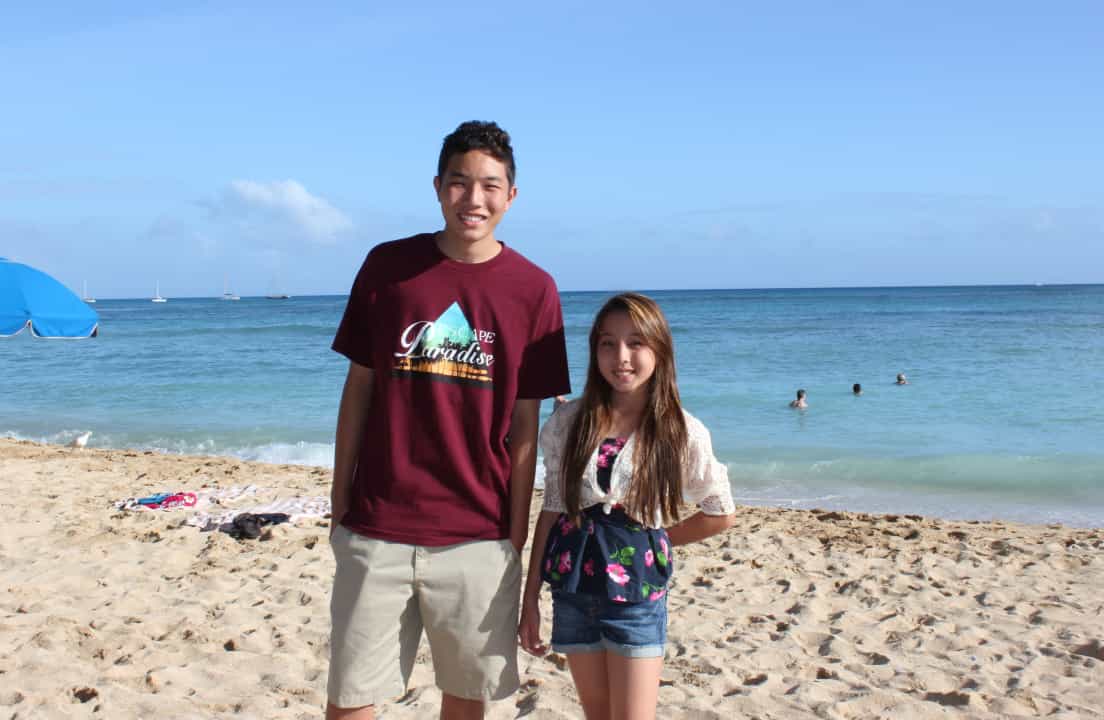
The experience changed how Kim views decision-making in diabetes care. For her, early detection is not an abstract concept or a future possibility. It is about preventing families from reaching a point where survival replaces planning and emergency rooms become routine.
“No family should have to fight that hard just to get answers,” she said.
Her Own Diabetes Diagnosis Changed the Lens
While fighting to stabilize Taylor’s health, Kim’s own health was changing quietly in the background. Type 2 diabetes runs on her mother’s side of the family, and she had watched relatives lose vision, mobility and independence. She knew that if her health failed, everything else would collapse.
Her A1c slowly rose into prediabetes. She exercised regularly, trained in taekwondo and followed medical advice closely, but her numbers continued to climb. When she was finally diagnosed with T2D, Kim felt relief. Someone finally acknowledged the situation, which allowed her to proceed with treatment.
Medication stabilized her blood sugar, and later a GLP-1 drug helped bring her A1c down further. The experience left her both grateful and angry. She had done the work and still needed medication.
Living with type 2 diabetes also sharpened Kim’s understanding of how stigma shapes medical care. She has seen how assumptions about blame, lifestyle and motivation influence who is taken seriously and who is dismissed. Those same assumptions, she believes, often shape resistance to type 1 diabetes screening.
There is a persistent fear that more information will lead to greater guilt. Kim sees it differently. Information, she says, does not add blame. It gives people clarity and agency in a system that too often withholds both.
Navigating two different types of diabetes has allowed her to speak across communities that are frequently separated in health care conversations. She views screening and early detection not as a dividing line, but as a bridge between prevention, preparedness and support.

How Geography Shapes T1D Screening
Even if Kim’s doctor had agreed to screening, access would still be a challenge. Hawaiʻi’s geography creates barriers that families on the mainland may never face. Many lab tests must be sent off-island, and results can take weeks. Families on smaller islands are often flown to Honolulu at diagnosis, and follow-up care requires travel, time off work and added expense.
Programs such as TrialNet offer free type 1 screening, but in-person sites are located on the mainland. Mail-in kits exist, but timing is critical. “From the middle of the Pacific, shipping is not simple,” Kim said. Families in Hawaiʻi often face multiple barriers to type 1 diabetes screening, including:
- Long lab turnaround times when tests are sent off-island
- Travel costs and time off work for specialty care
- Shipping limits for mail-in screening kits
- Limited access to providers familiar with type 1 diabetes screening
Kim is clear that responsibility should not fall solely on families. She believes screening must be supported by systems that understand local realities, including geography, staffing and access to specialists. Without that, families are forced to choose between information and feasibility.
“You can’t say people don’t want screening when the system makes it nearly impossible,” she said. “That’s not a choice. That’s a barrier.”
Taking Hawaiʻi’s Story To Washington
Her advocacy began soon after Taylor’s diagnosis. In 2010, her family met with Sen. Daniel K. Inouye. During the meeting, Kim shared that concerns about Taylor’s health had surfaced within the family and that her older brother, Mitchell, spoke up when something did not seem right, prompting medical attention.
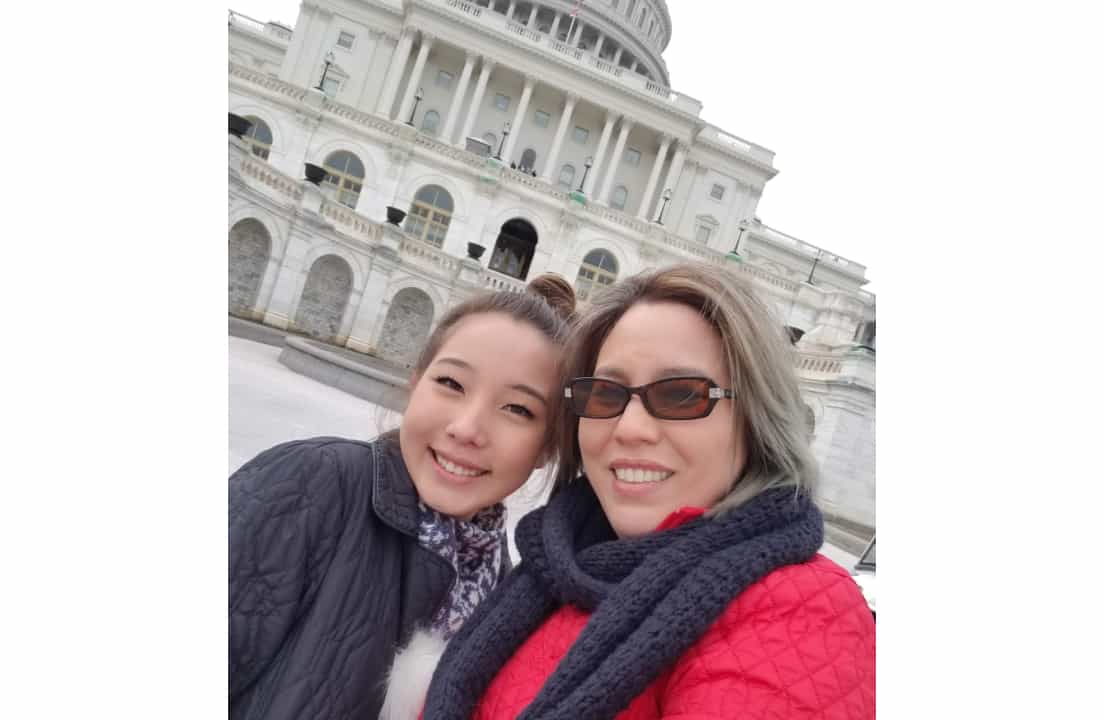
After hearing their story, Inouye pointed to Mitchell and said he had saved his sister’s life. The moment stayed with Kim. “I still get chills thinking about that,” she said.
Kim continued to visit members of the U.S. Congress in Washington and at their local offices year after year, learning that persistence matters. “If you don’t hear back, you follow up,” she said. Her advocacy is rooted in memory.
What She Wants Doctors And Families To Remember
Kim does not pretend that advocacy is easy. “I absolutely have my moments,” she said. “There are days I feel invisible.” When that happens, she remembers her daughter’s words. “Taylor told me, ‘If you don’t go, who will tell my story?’”
Kim is direct with providers. If a patient requests screening, she believes the appropriate response is to listen. “What harm is knowledge?” In her view, doctors should respect lived experience, offer screening when requested, and be willing to learn alongside informed patients.
Her message to families is simpler. You do not have to be fearless. You can be scared and still ask questions. Your story matters. “Screening is not a cure,” Kim said. “But it buys time. It prevents trauma. It gives families choices.” And if someone insists patients do not want to know, her answer remains the same. “Speak for yourself,” she added. “Give people the information. Let them decide.”


.webp)

.webp)

















.jpg)






.jpg)




%20(1).jpg)



.jpg)
.jpg)
.jpg)
.jpg)
.jpg)
.jpg)
.jpg)
.jpg)
.jpg)
.jpg)
.jpg)
.jpg)
.jpg)
.jpg)
.jpg)

.jpg)
.jpg)
.jpg)
.jpg)

.jpg)
.jpg)
.jpg)

.jpg)

.jpg)
.jpg)


.jpg)
.jpg)


.jpg)
.jpg)
.jpg)


.webp)
.svg)