


T1D Guide
T1D Strong News
Personal Stories
Resources
T1D Misdiagnosis
T1D Early Detection
Research/Clinical Trials
Inside the Chicago Diabetes Project: Executive Director Jill Dine on the Search for a T1D Cure
When Chicago native Jill Dine’s son was diagnosed with type 1 at two years old, she and her husband began searching for ways to get involved with the T1D community. They didn’t have to look far — the Chicago Diabetes Project, a world-renowned organization leading advancements in gene therapies, islet transplants, and functional cure research, was already thriving in their hometown.
.webp)
In 2011, when Jill Dine’s two-year-old son began showing classic symptoms of type 1 diabetes (T1D): excessive thirst, frequent urination, dehydration, and weight loss, she and her husband missed the warning signs. With no family history and little public awareness at the time, T1D wasn’t on their radar. Fortunately, her sister-in-law recommended they check for diabetes.
“Shortly after he was diagnosed, we were trying to figure out what our life would entail,” said Dine. “My husband saw that the Chicago Diabetes Project (CDP) was focused on finding a cure. We met Dr. Oberholzer and became friends. His dedication and determination blew us away.”
Dr. José Oberholzer is the founder and coordinator of the CDP, a non-profit organization focused on curing T1D and conducting research that eliminates the need for immunosuppressant drugs. He’s led the project for over two decades.
Today, Dine’s son, Clayton, is an active 16-year-old who recently had his 14-year di-anniversary, and she is the executive director of the CDP.
.webp)
“I’ve been with them for over eight years now. We believe in Dr. Oberholzer’s passion for finding a cure,” said Dine. “In addition to Chicago his team of researchers has collaborations in Italy, Switzerland and Slovakia, and across the U.S.—everybody working together to find a cure. I really, truly think we’re getting there. At this point, it’s not a matter of if – it’s a matter of when. Every day we’re getting closer. We’ve seen therapies that didn’t exist a few years ago.”
The Chicago Diabetes Project
In 2004, the Washington Square Health Foundation gathered a group of top scientists, surgeons and researchers worldwide to find a functional cure for type 1 diabetes.
“Insulin is not a cure,” – Dr. Fredrick Banting’s closing remarks to his 1925 Nobel Lecture.
“We’re a very small organization, we don’t have a lot of overhead or marketing teams, but what we do comes from the heart,” Dine added.
CDP’s Key Research Areas
In addition to the first islet cell transplantations, the CDP now supports research in cell encapsulation, gene therapies and stem cell-derived islets to generate an unlimited supply of functional islet cells.
The Chicago Project, as it’s sometimes called, has four core ongoing research programs.
Islet Cell Transplantation
Currently, the CDP’s primary focus is islet cell transplantation (transplanting insulin-producing cells) from donor pancreases into T1D patients to restore the body’s natural insulin-producing function.
“The FDA approval of Lantidra was huge. It was the first islet cell therapy for people with type 1, especially for those who have trouble controlling their blood sugar levels,” Dine said. “That took years and years of work to get to, but it was finally accomplished two years ago, and it was a huge milestone that showed the science does work.”
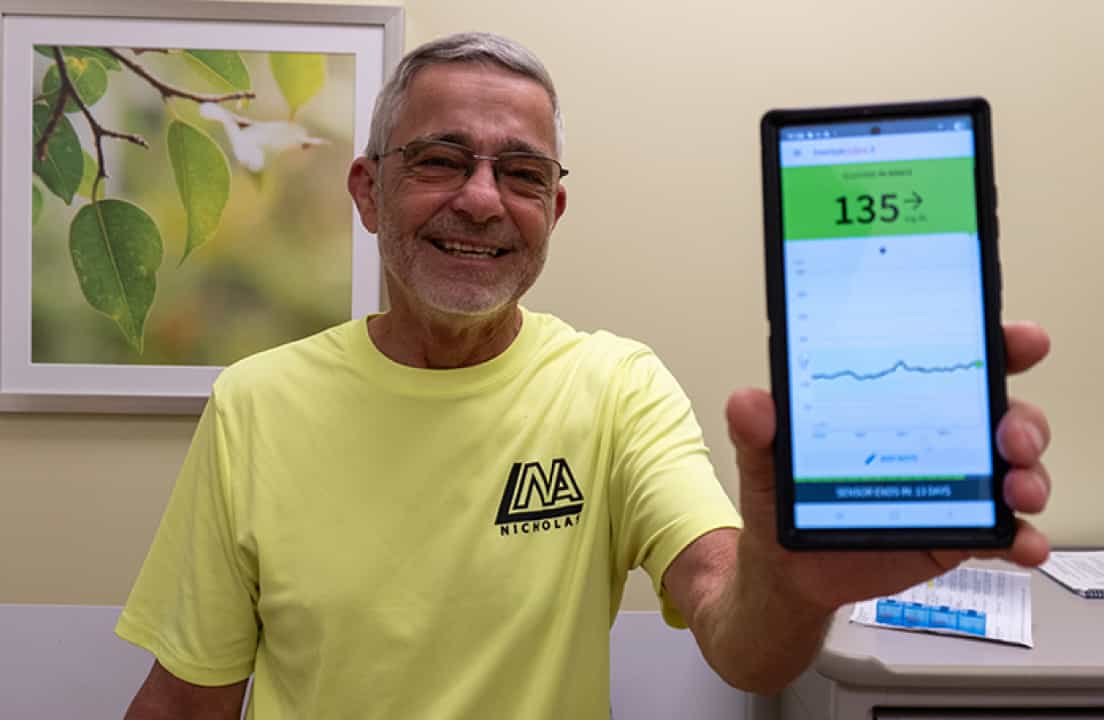
“Dr. Oberholzer worked so long on that, but there’s still room for improvement,” said Dine. “We have to improve how long the cells last, and find ways to avoid the immunosuppression, and they’re working on that currently with some pig islets, which I’ve heard over the last couple weeks is going really well.”
Cell Encapsulation
Additionally, the CDP is developing ways to protect transplanted cells without requiring immunosuppressant drugs by creating a biomaterial shell that protects the islets from destruction.
Gene Editing Therapy
Also, the CDP is researching methods to generate new islet cells, eliminating the need for donor cells. Through gene-editing therapy, scientists aim to modify genes to function properly and produce insulin, eliminating the need for immunosuppressant drugs.
“The CDP’s work with gene therapy is going really well, I know they’re working with a few different companies,” said Dine. “They have a lot of legs out there, and everything is moving forward, so one way or another, we’re going to get to the end-all, be-all of people being off insulin without autoimmune drugs. People keep pushing on, working tirelessly to figure out the best scenarios.”
Unlimited Islet Cells
Creating an unlimited source of islet cells ready for transplantation in patients is a critical technology that the CDP is developing. They have teams working on pig islet cell transplants, which serve as a source to replace the limited cadaver islets from donated organs.
Chicago is a T1D HUB
In recent years, Chicago has become a significant hub for T1D research, in part due to leading institutions like the University of Illinois at Chicago (UIC). Moreover, the last ADA Scientific Sessions was held in the Windy City at McCormick Place Convention Center.

“We have so many world-class transplant centers, experts, and our hospital system is fantastic; we’re so lucky, I often overlook this advantage right here in Chicago,” said Dine. “The CDP is a collaboration of scientists and researchers from around the world, but it did start with Dr. Oberholzer.”
CDP Philanthropy
Dine’s key responsibilities as the executive director focus on fundraising and event planning, particularly events such as the Chicago and New York City marathons. She also runs social media campaigns to raise funds and awareness for families living with type 1.
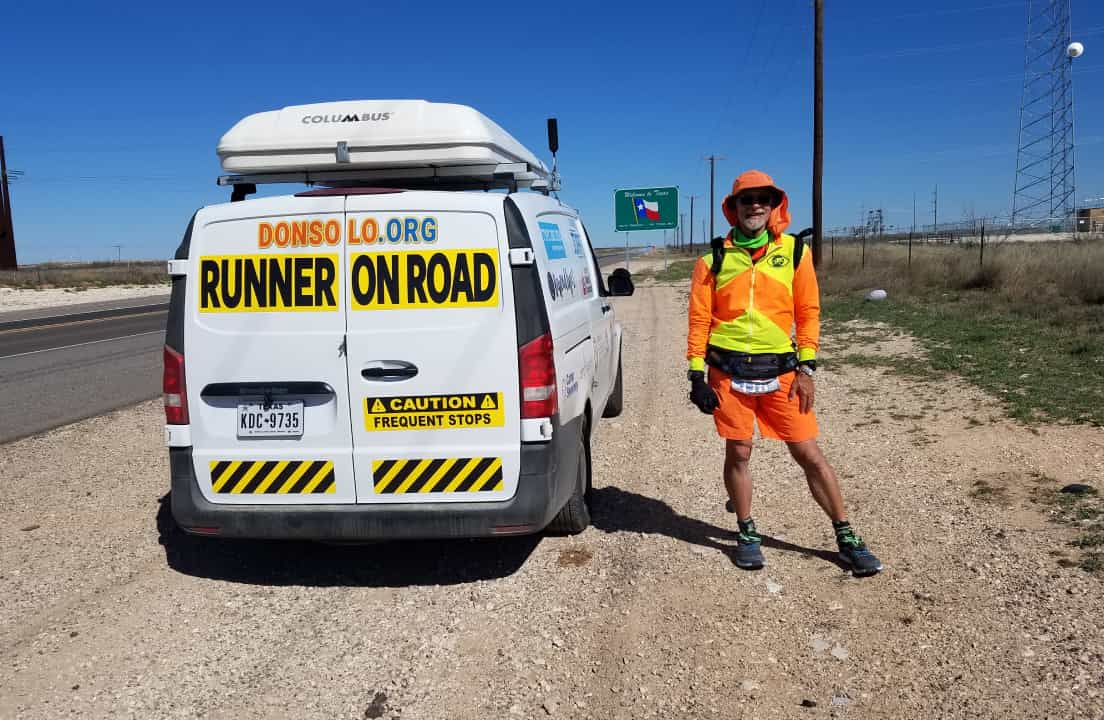
The CDP organizes events like the Cellmates on the Run, the official fundraising team of CDP. “Cellmates” refers to islet cells, and the “run” is symbolic of running toward a cure.
Chicago Marathon
The Chicago Marathon is CDP’s biggest fundraiser and milestone, and has grown exponentially over the years. “When I started working here eight years ago, we would get a handful of spots and only raise about $20 to $25,000, and now I’m super proud to say, we are turning people away for spots and just raised $240,000 this year,” said Dine. Every dollar we raise goes directly to our research.”
Dine has completed seven team marathons, but didn’t finish this year’s due to an injury. “It’s an awesome event. It’s a family team that trains for 18 weeks, during which 75% of our runners either have T1D or a very close family member with T1D. We also do the NYC marathon.”

Other CDP Fundraising Events
The project raises awareness and works to bring new treatments to the public. Spreading awareness through fundraising is so essential today since 40% of kids with T1D end up with diabetic ketoacidosis (DKA), often in emergency-room situations.
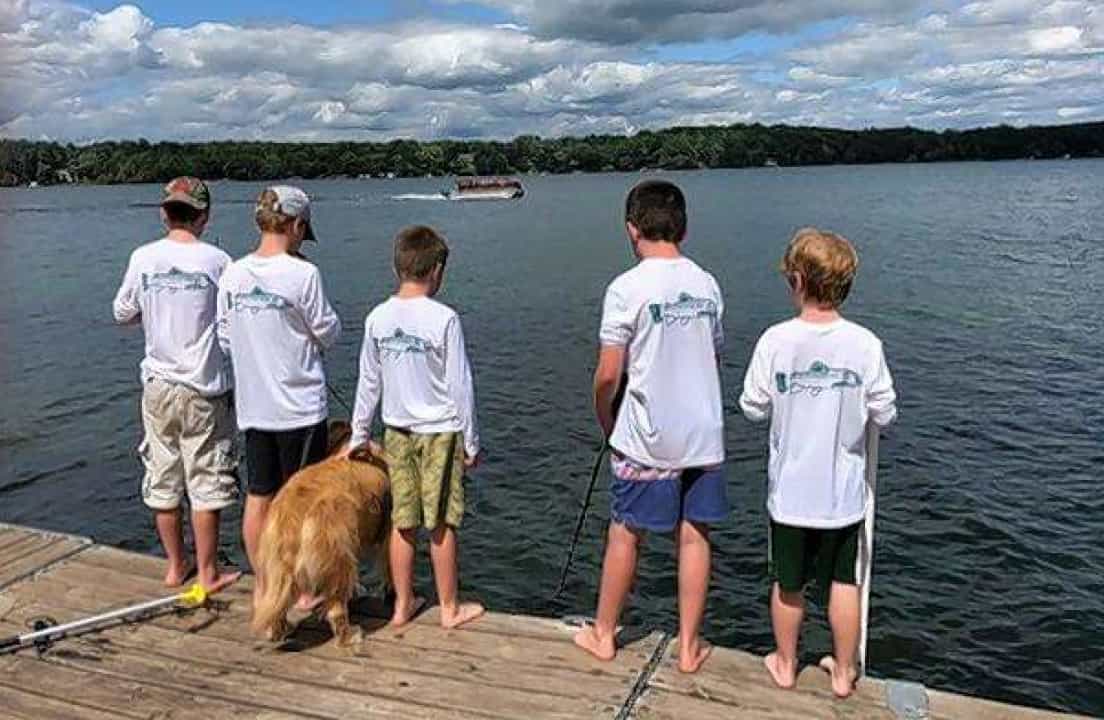
In addition to the marathons, CDP hosts several kid-friendly fundraisers. “Both my sons play hockey, and we’ve done this event for the last six years called Puck Diabetes. We had eight type 1 kids on the ice at the same time, which was awesome.”
Other families have taken part in bowling fundraisers and ladies’ shopping nights, and one family hosted an event attended by 200 participating baseball teams. “We love the involvement with new families and want them to be involved in a way that suits them best,” said Dine.
Recently, some private schools campaigned on World Diabetes Day by wearing blue in lieu of their uniforms, calling it “We Wear Blue for You.”
Closer than Ever
Over the past eight years, as the face of the CDP, Dine has witnessed significant advances in technology and research. And as a parent of a child with T1D, she’s navigated daily challenges while still holding onto hope.
“We continue to make progress, and I feel like in the last five years it’s accelerating quickly now, and I think now with all of the players in the game, everyone’s working together trying to figure this out, and I think it’s at our fingertips.”


.webp)



.jpeg)



















.jpg)






.jpg)





%20(1).jpg)




.jpg)
.jpg)
.jpg)
.jpg)
.jpg)
.jpg)
.jpg)
.jpg)
.jpg)
.jpg)
.jpg)
.jpg)
.jpg)
.jpg)
.jpg)
.jpg)
.jpg)

.jpg)
.jpg)
.jpg)
.jpg)

.jpg)
.jpg)
.jpg)

.jpg)
.jpg)



.webp)
.svg)