


T1D Guide
T1D Strong News
Personal Stories
Resources
T1D Misdiagnosis
T1D Early Detection
Research/Clinical Trials
From Diagnosis to Global Leadership: A Conversation with Kyle J. Rose
Living with type 1 diabetes since childhood, Kyle J. Rose has turned personal experience into a career with global impact. Today, he serves as Global Vice President of the International Diabetes Federation, following decades of experience in the medical technology sector. He has woven his lived experience together with those of thousands of others to guide organizations of all sizes in product development, expanding access to medicines and technology, and building meaningful partnerships.
.jpg)
.webp)
Across startups, global healthcare and technology companies, and policy decision-making spaces, his work remains anchored in the principle of serving the community. He is also an active philanthropist, contributing to initiatives that empower people living with disease while advancing innovation across the healthcare landscape.
Rose shared his personal experience with type 1 diabetes (T1D), including his mother’s late-onset type 1 diagnosis at 82 years old. He discussed his parallel career paths in technology and advocacy, the importance of early collaboration across stakeholder groups, and what fuels his optimism for the next era of diabetes care.
Two Type 1 Delayed Diagnoses
Rose grew up in Moscow, Idaho, the son of immigrant parents. With a French mother and a British father, their family frequently traveled between Europe and Idaho.
At 15, he developed typical type 1 flu-like symptoms, which included frequent thirst, urination, dehydration and muscular cramping in the balls of his feet. Due to the rural setting (the nearest endocrinologist was over 100 miles away), it took doctors a number of months to identify his illness.
Fortunately, during an eye exam, his doctor noticed the rapid change in his vision as a sign of diabetes. He went to urgent care that same day. “I’ll always remember the physician’s face and level of concern in his voice when he said, ‘You need to go to the hospital now.’” His blood glucose level was recorded as being over 800 mg/dl, eight times the normal value.
In addition to Rose’s experience with T1D, his mother received an incorrect diagnosis of type 2 diabetes (T2D), which led to a turbulent, year-long mismanagement of her condition and a severe hip injury from falling due to nausea from a hyperglycemic episode. Having type 1 himself and working in the diabetes field, he expressed reservations about the T2D diagnosis, but the hospital didn’t listen.
Rose put his own continuous glucose monitor (CGM) sensor on his mother, and the numbers showed her current treatment plan wasn’t working. Finally, doctors performed an autoantibody test, which confirmed she actually had type 1 diabetes at 82.
“As soon as her type 1 diagnosis results came in, everything changed. She received the care she needed, and now she’s doing better, mostly,” said Rose. “That’s what ignited my fire to start speaking out about misdiagnosis, early screening and detection. I started asking around, and found out that this is happening a lot more than we may realize.”
T1D Scout and the Importance of Early Detection
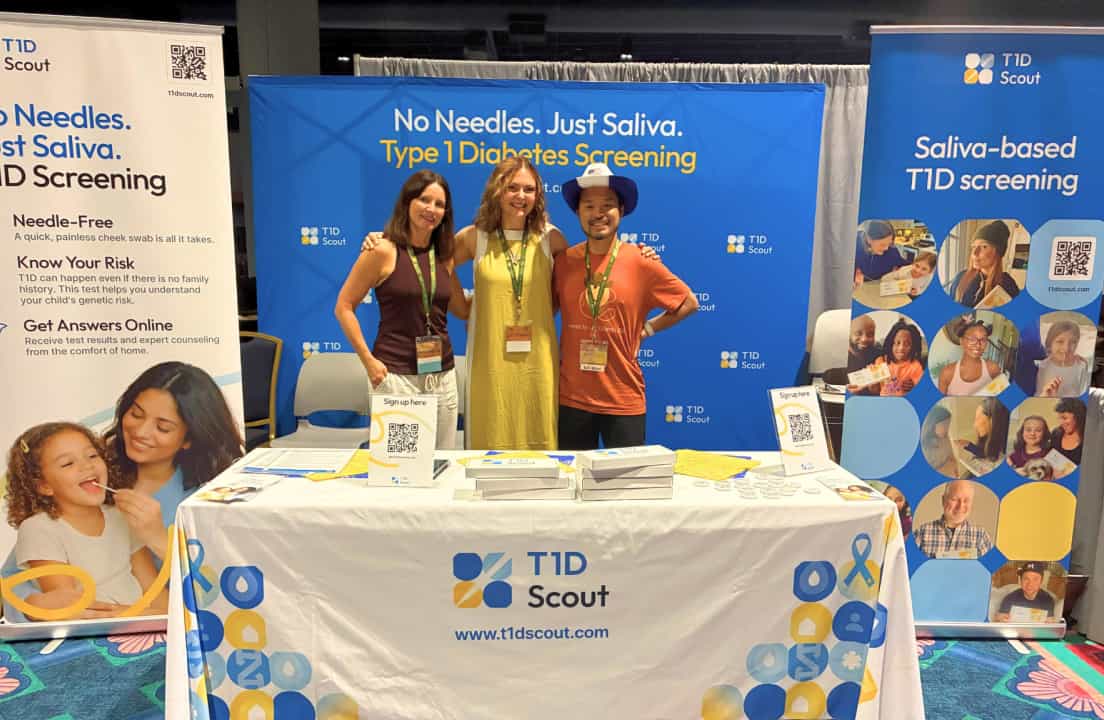
Early screening through companies like T1D Scout is critical because it enables detection of risk before clinical symptoms, helping prevent dangerous events like diabetic ketoacidosis (DKA) and opening the door to preventive therapies and clinical trials.
“With my mom, I missed the opportunity to detect something early, and it could have made a big difference. There is no doubt that these turbulent 18 months have severely impacted her life. If we only had information about who is more vulnerable, then providing them with treatment earlier fundamentally changes options, outcomes, and quality of life.”
Kyle J. Rose’s Backstory
Rose received his B.S. degree in chemical engineering from Cornell University and his MBA from INSEAD in France and Singapore.
.jpg)
In college, Rose fought to stay motivated with his diabetes care.
“I really struggled in my college years, experiencing blood sugar swings, highs and lows. My glucometer sometimes wasn’t allowed during exams. I once had a severe hypoglycemic episode where paramedics were called in to treat me after losing consciousness,” Rose said. “I’m delighted there are organizations on college campuses now that provide resources and support like Diabetes Link (formerly College Diabetes Network).”
Rose’s experience as a diabetes camp counselor in California sparked his enthusiasm for peer support. “I discovered the magic of families with diabetes helping other families going through the same thing,” he said. “It motivated me to join the board of the Diabetes Education & Camping Association (DECA), and I always encourage newly diagnosed PLWDS (People Living With Diabetes) to find a camp or community group nearby.”
Entrepreneur in Healthcare
Early in his career, Rose worked for pharmaceutical and medical device companies such as Abbott Laboratories, Amgen, Medtronic and Sanofi.
“I studied chemical and biomolecular engineering, and my first few jobs were interesting from a technical standpoint. It wasn’t until I had worked on diabetes-related products at TheraSense that I realized my passion. It was just a whole different feeling, being able to work on something so personal, knowing there were so many families and individuals out there like me that this could help; it really inspired me to work in this sector.”
“TheraSense’s workforce was a motivated group of people working on innovation in glucose monitoring, many of whom I stay in touch with today. It was first generation CGM that we were working on; since then, it has become the technology powering the revolutionary FreeStyle Libre product,” Rose added.
Delta PM Diabetes & mySugr
Rose also worked for Smiths Medical, makers of the beloved Cozmo insulin pump, personally supporting hundreds of healthcare professionals and thousands of PLWDs using insulin pump therapy. He later founded Delta PM Diabetes to guide diabetes health companies in bringing new therapies and digital health tools to market, with the objective of involving people with lived experience all along the product development process. “Back then, it was the first days of establishing advisory committees, including people with lived experience. The team at Delta supported me greatly, including my mentor Feras Al-Zubaidy.”
Subsequently, Rose co-launched a joint venture between Delta PM and mySugr, a digital health platform later acquired by Roche, known for its flagship app. Their tag line was ‘Making diabetes suck less.’ I’m delighted that the product we developed is still being used by so many. I saw that over six million people have now used mySugr,” Rose said. “Little did we know what it would become when there were 5 or 6 of us brainstorming ideas in a co-working space back in 2012!”
Team Type 1 (TT1)
“Fortunately, when I was diagnosed, I didn’t have people telling me to avoid sports, which I regrettably know still happens a lot. As such, I continued with soccer, cycling, and later discovered mountaineering.”
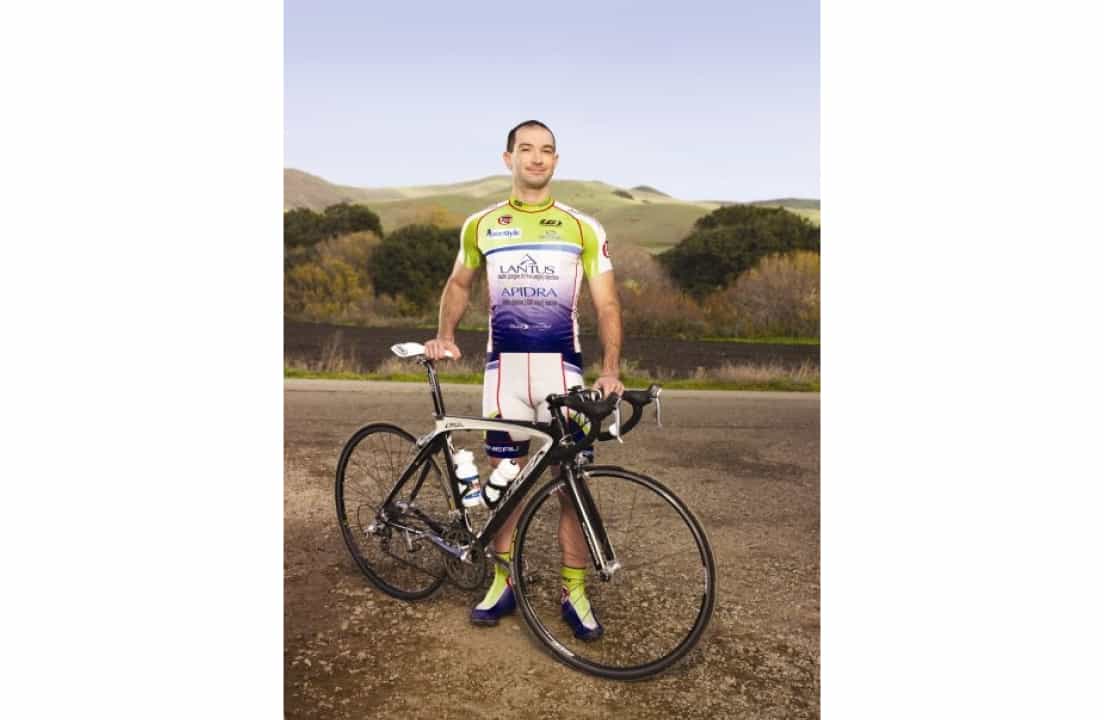
As a sportsman with a French background, he was recruited by Phil Southerland at Team Type 1, a cycling team that aimed to raise awareness for diabetes and eventually compete professionally. Rose served a number of roles as a TT1 founding team member, director and cyclist.
“At the time, it was a grassroots community of elite athletes living with diabetes competing in events ranging from ultra-endurance to criteriums to triathlons. Phil always had a vision of taking it to the next level.” TT1 eventually evolved into Team Novo Nordisk, the world’s first professional cycling team composed entirely of athletes living with type 1 diabetes.
.jpg)
“Delta PM, mySugr, and Team Type 1 were three experiences that shaped my professional path due to being involved at the ground level, very early on. Whether it be as a co-founder or as the first employee, it was amazing to be part of something that took off like that. I owe a great deal to my colleagues and our investors who truly believed in what we were doing,” he said.
Global Leadership with the IDF
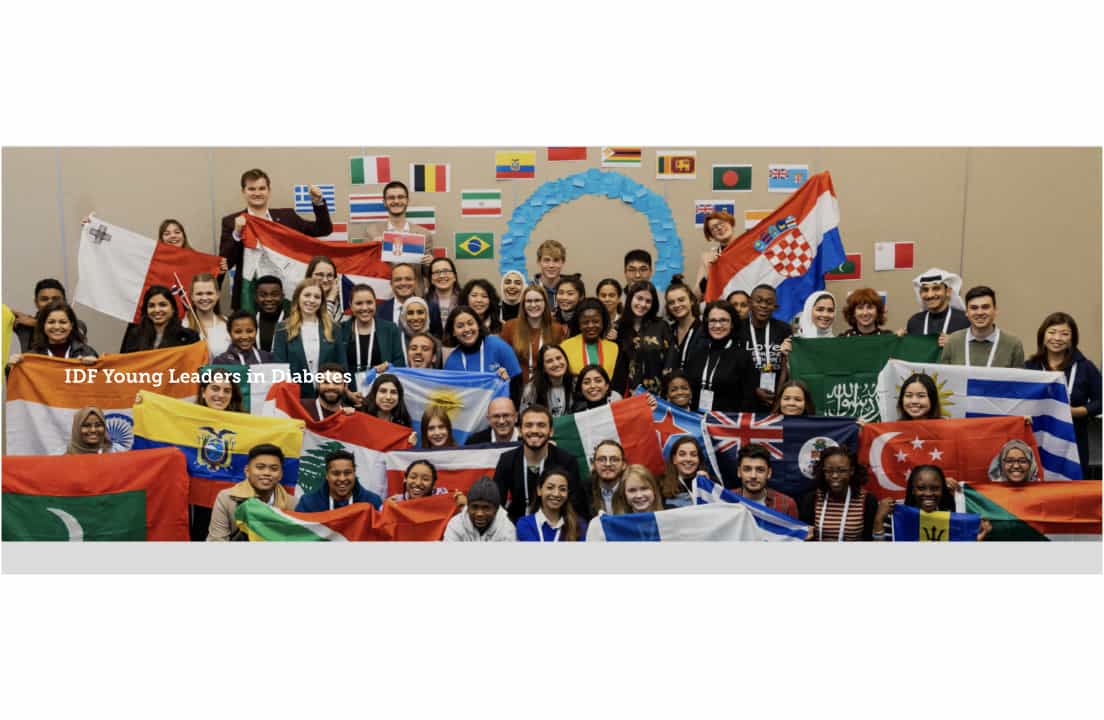
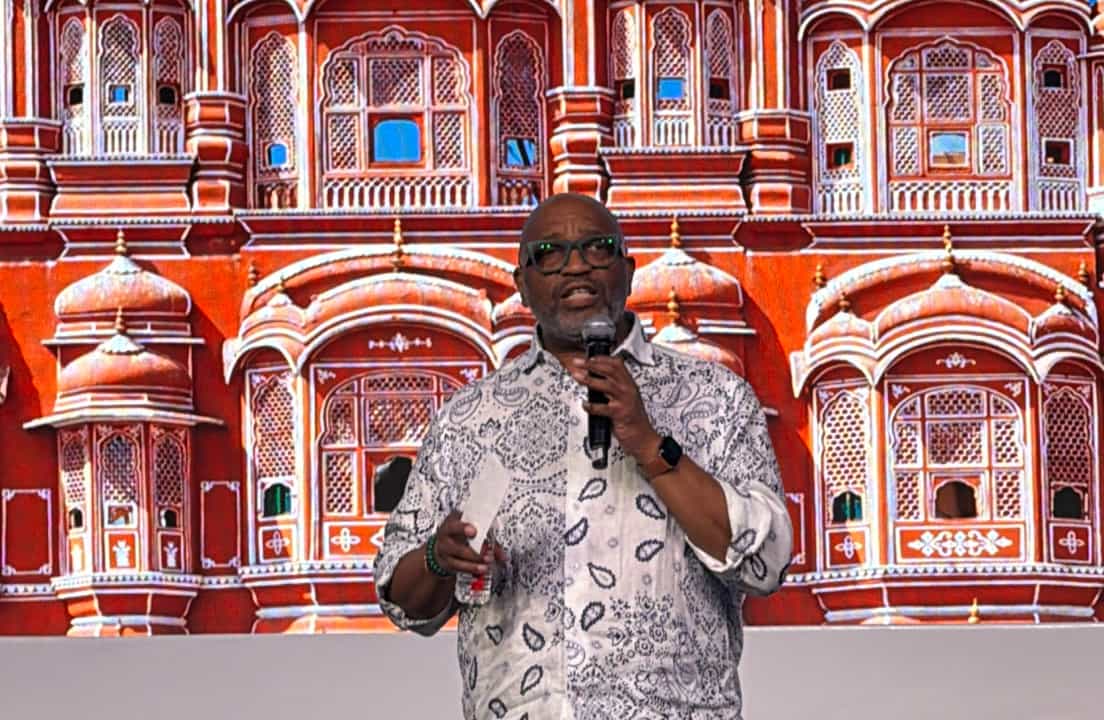
Today, Rose divides his time between the U.S. and Europe, where he speaks at diabetes conferences worldwide and serves as the global VP and board member of the International Diabetes Federation (IDF).
.jpg)
Rose explained that there are over 250 diabetes associations. The American Diabetes Association (ADA), for example, is the primary US member; however, IDF is kind of like the UN of diabetes, where associations from across the world come together to discuss priorities, voice advocacy needs, and facilitate collaborations.
.jpg)
Much of Rose’s work in medical technology has been carried out in tandem with his role in advocacy. “While I was working on cutting-edge technology in Silicon Valley, I also had a role at IDF. I was exposed to the day-to-day experience of someone living with type 1 in low-income countries such as Eastern Europe or S. America, which can be a pretty grim picture. It was a stark realization for me that not everyone is as lucky as I am to have access to the care and the medicines I needed.”
Global Barriers to Care
Whether serving as a board member or advising humanitarian groups, Rose is committed to volunteering his time where it can have the most significant impact. He speaks often about the global gaps in access to diabetes care and technology, emphasizing the need to make lifesaving tools available worldwide.
.jpg)
Humanitarian Perspective
Through organizations such as the IDF and Life For a Child, which provides insulin to impoverished regions, Rose developed a deep understanding of the humanitarian needs faced by people with diabetes. “The vast majority of people living with diabetes are living in low-to middle-income countries, with limited access to care,” he said, “and technology represents an important opportunity to help them, if used carefully.”
On-the-Ground Experiences
During a purposeful trip to Bolivia, Rose witnessed firsthand the severe shortages of insulin and medical support facing many rural communities.

Some families traveled hundreds of miles over several days simply to obtain basic supplies. He met a young man who injected insulin only once a week and spoke with a clinic worker who shared that, without routine access to insulin, life expectancy for people living with type 1 diabetes in these settings was often just five to ten years. Read the full article featuring Rose’s trip to Bolivia in IDF’s Diabetes Voice.
Disparities at Home
Rose stresses that significant inequities also exist within the United States. “First and foremost, for people with diabetes, that means insulin,” he said. “It’s terribly sad that we’re still not able to get it to everyone who needs it. I hope that recent policy reform can help address this, but I know we still have a ways to go.”
The Role of Technology
Rose believes emerging tools—like CGMs, telehealth, and mobile health services—have the potential to close many of these gaps, especially for those who cannot regularly see a doctor. However, in many regions, modern technologies simply aren’t available, nor is the infrastructure necessary to maintain them. This can include preventive measures such as early-detection diagnostics.
Why Early Screening Matters
Rose learned through IDF, LFAC, and Breakthrough T1D that part of the reason global T1D prevalence statistics have historically been uncertain is that many people in low-income areas such as South Asia, the Caribbean, and Africa may die before they are registered as having diabetes. DKA remains a major cause of death. “Technology that could help prevent these tragedies should be prioritized,” he said. “That’s why T1D Scout’s mission is compelling to me. We have barely reached the tip of the iceberg. I’m not saying it’s always a straightforward solution for everyone, but at the end of the day, education and preventative care can make a huge difference in saving lives.”
.jpg)
Patient Solutions and the Future of T1D
Rose expressed optimism about the future of diabetes care, highlighting telehealth services and the remarkable advancements in diabetes technology and treatment over the past 25 years. “We’re making progress. From Humulin Regular Insulin (R) to rapid-acting insulin analogs, from SMBG finger sticks to CGMs and automated insulin delivery systems, GLP-1 antagonist and now disease-modifying therapies like teplizumab to delay onset—there have been huge improvements during my lifetime which I have been fortunate to benefit from. It is important to remind people that not everyone has access to these things; in fact, globally speaking, most do not, and even for those who do, it remains a challenging and exhausting disease to manage day-to-day.”
In conclusion, Rose emphasized the power of community and support for those newly diagnosed, noting that finding peers who understand the daily realities of living with type 1 diabetes can make all the difference. "Diabetes is complex, frustrating, and demanding to manage, and the day-to-day burden of care—shaped not only by the work of management but also by the forces of stigma that surround it—frequently feels overwhelming." He added that with the right tools, technology, and connections, we are moving toward a future in which people living with diabetes can lead fuller, healthier lives.


.webp)




.jpeg)













.jpg)









.jpg)






%20(1).jpg)




.jpg)
.jpg)
.jpg)
.jpg)
.jpg)
.jpg)
.jpg)
.jpg)
.jpg)
.jpg)
.jpg)
.jpg)
.jpg)
.jpg)
.jpg)
.jpg)
.jpg)

.jpg)
.jpg)
.jpg)
.jpg)
.jpg)
.jpg)

.jpg)
.jpg)
.jpg)
.jpg)


.jpg)


.webp)
.svg)