


T1D Guide
T1D Strong News
Personal Stories
Resources
T1D Misdiagnosis
T1D Early Detection
Research/Clinical Trials
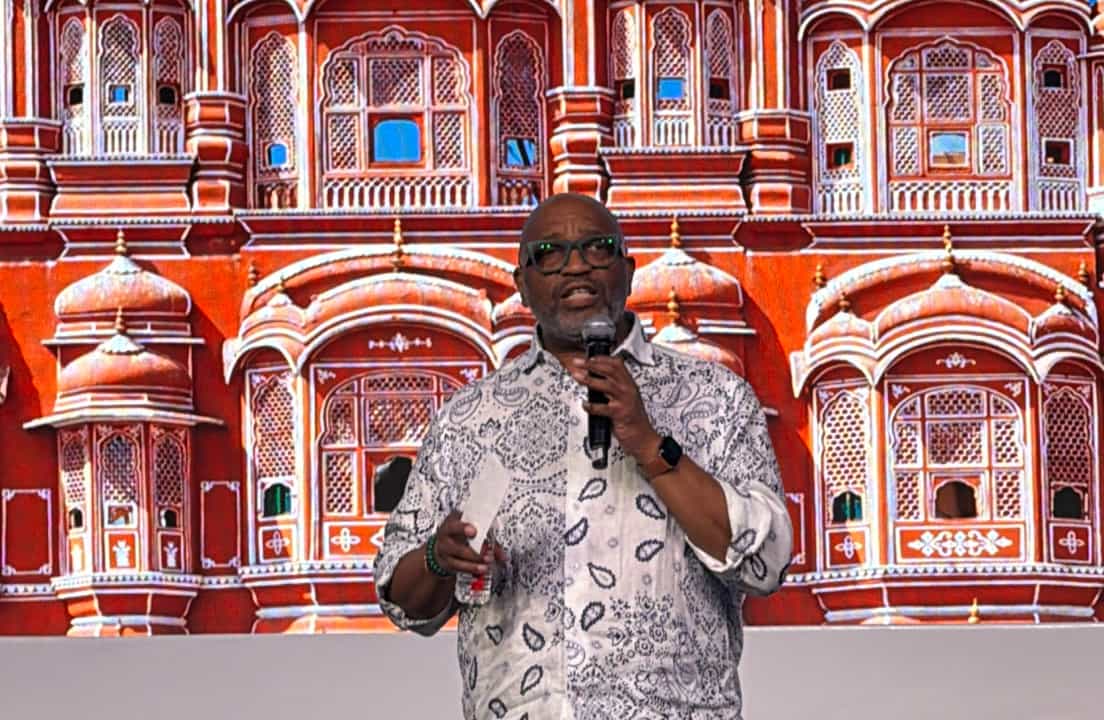
Dominick Esposito, Father of Two T1Ds, Speaks Out on the Importance of Screening
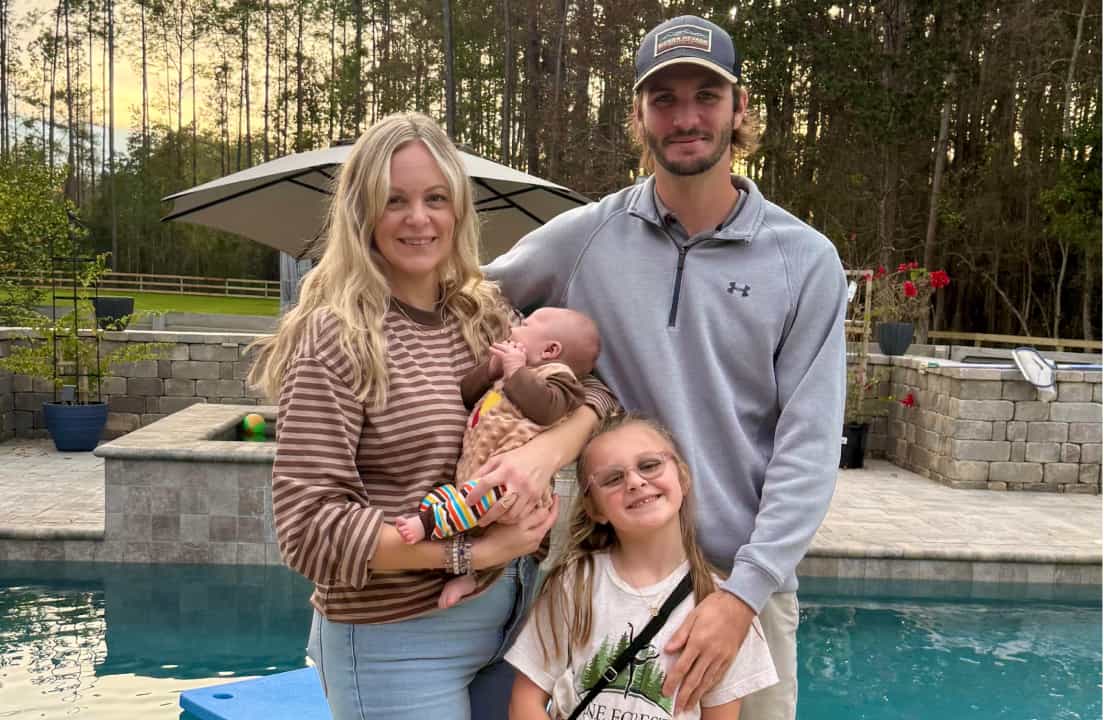
Dominick Esposito has a strong family history of type 1 diabetes (T1D). His father, grandmother and mother-in-law all have type 1, so when his son, Raff, was diagnosed at age nine, he realized waiting wasn’t an option. Their family needed to be screened.
.jpg)
.webp)
A T1D Family Journey
Esposito shared his family’s experience with T1D Strong, revealing how his son Raff was diagnosed in 2020, and his son, Sev, was diagnosed a year and a half later after being monitored for all of the autoantibodies.
“My boys have the gene from both sides of the family. Raff’s diagnosis was not completely out of the blue. He had been going to the bathroom a lot the entire week. When my wife decided to take him in to see his doctor and reported the results to me, I kind of already knew.”
Back in Esposito’s father’s day, the treatment was to take insulin a couple of times a day. There wasn’t monitoring technology available. Unfortunately, his father has suffered from diabetes-related foot and eye complications. Type 1 is also a challenge for Esposito’s mother-in-law, who now has Alzheimer’s and mobility issues.
After Raff’s diagnosis, his other children, who live in Colorado, participated in the ASK (Autoimmunity Screening for Kids) Program, a free health screening in the U.S. for type 1 diabetes and celiac disease. It’s available to children (ages 1 to 17) and adults, regardless of family history, using a simple blood test to detect autoantibodies.

Screening Through ASK
When the Espositos enrolled their family into the program, their daughter’s results came back negative for carrying the autoantibodies; however, their son, Sev, tested positive for all of them.
Another benefit of ASK is free follow-up care through the Barbara Davis Center for Diabetes. When they identified Sev with the markers, they offered the Espositos the chance to participate in future monitoring and clinical trials. “We said yes immediately, because we wanted to make sure we were prepared,” he said. “We didn’t want to have an emergency with him.”
Sev participated in glucose tolerance tests until he no longer had to, as well as other clinical trials. The monitoring protocol started with weekly testing. “We’d check his blood sugar numbers after a meal and send in the data. After the glucose test, he’d do the blinded CGM (continuous glucose monitoring) for ten days. It was a huge lifeline for us in terms of keeping him monitored and gave us peace of mind.”
Blinded CGM is a tool in which patients wear a glucose sensor but can’t see their real-time blood sugar readings, allowing healthcare providers to obtain an unbiased view of daily patterns.
Esposito also said Sev participated in a few clinical trials. “He was pretty mature about it. He knew he was getting money for it. But if it would also help researchers and us in the future, he said he wanted to do it.”
Sev has since donated more than half of the money he’s earned from clinical trials to Breakthrough T1D.
Clinicians monitored Sev’s blood glucose until he finally progressed to stage 3 T1D this past summer.

Screening Your Kids for T1D is Simple
For parents considering screening their own at-risk children, Esposito emphasized how straightforward the process was.
“I know some families may hesitate over concerns about the complexity or the potential for distressing results, but even if a family member has antibodies, the chances of developing type 1 diabetes remain small, and screening can provide peace of mind.”
Not only does testing provide preparedness and peace of mind—it’s a piece of cake.
“The screening process itself is very easy, so if you’re worried about it being too complex or taking a lot of time, it’s really not hard,” Esposito said. “And yes, not every person wants to give blood; my daughter was one of them. We told them this is important, you can do it. We’ll go get ice cream afterwards.”
“An unexpected diagnosis can be a traumatic event, and you never know when it could happen. We’ve heard stories about, ‘Oh, we were on vacation when it happened. There are still those in this country, too many people who crash into this disease without knowing it.”
Diabetic ketoacidosis (DKA) is a life-threatening complication of diabetes that can result in coma or death.
“The peace of mind, knowing your family member is not going to crash into diabetes one day, was uncalculable,” he said.
Taking Action for Your Child
Having several family members with type 1 has shaped Esposito’s understanding of the disease and compelled him to advocate. His wife, Andrea, who worked directly with the Barbara Davis Center with Sev, suggested Esposito speak about their family’s screening journey at the 8th Symposium on General Population Screening for T1D at the University of Colorado Anschutz Medical Campus.
“It’s nice they invite people to speak with lived experience, beyond medical researchers,” Esposito said. “For us, it was a really good experience, and it would have been very different without the team here to support us. We’re very lucky that we live so close.”
Advocacy and Breakthrough T1D
Esposito’s personal connections to type 1 inspired him to reach out to Breakthrough T1D (Formerly JDRF).
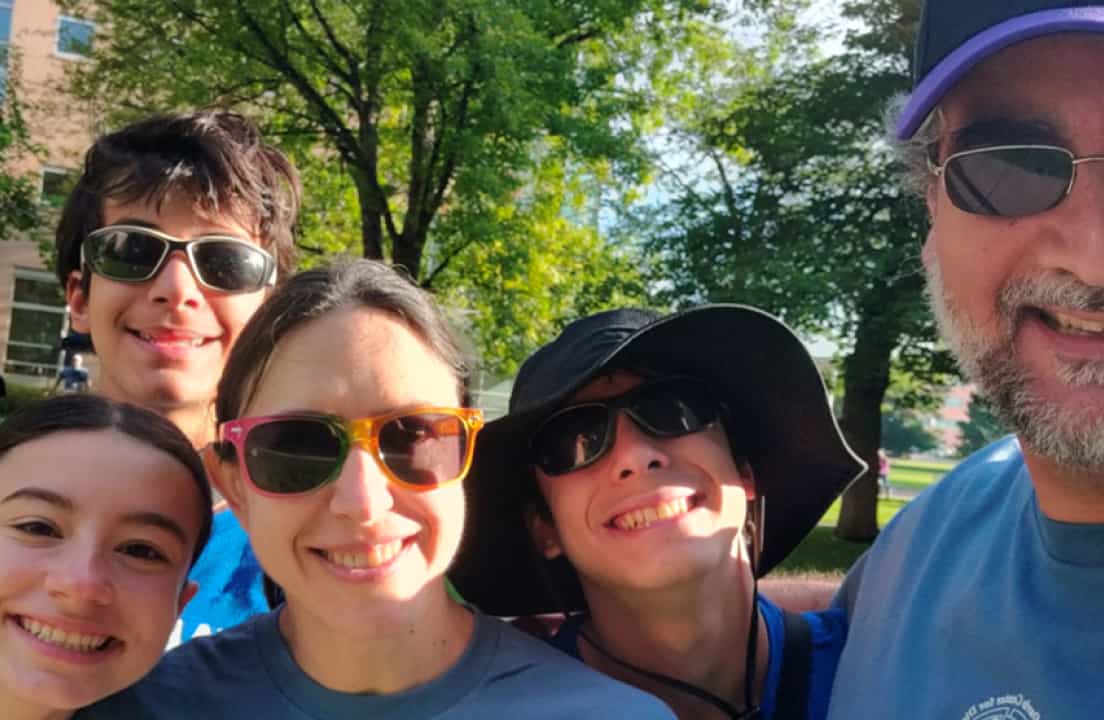
“Raff was diagnosed in 2020, and I was on the internet the next day looking up resources. The first thing that popped up was Breakthrough T1D. I wrote Dr. Aaron Kowalski, he sent me a research article back, we did the Walk in 2020, and I asked our local chapter what else I could do.”
Esposito, who’s now on the organization’s Mountain West chapter board, said, “It was a no-brainer. I also asked if there was something I could do as a policy researcher to support Breakthrough T1D I’d like to do it.”
Esposito works as a health economist and healthcare policy researcher. “Growing up without health insurance for some time and a father who had type 1 diabetes made me curious about healthcare financing in general.” This curiosity led him to learn more about the economics of healthcare.
Community is Everything
Lastly, as a parent, a health research professional, and someone with family deeply affected by T1D, Esposito emphasized the importance of community and the many resources available to newly diagnosed families.
“Don’t be afraid to ask for help from people who’ve been through what you’re going through. You’re not an anomaly. Folks are willing to offer advice and support. It can feel daunting, but this is not something you should go through alone.”
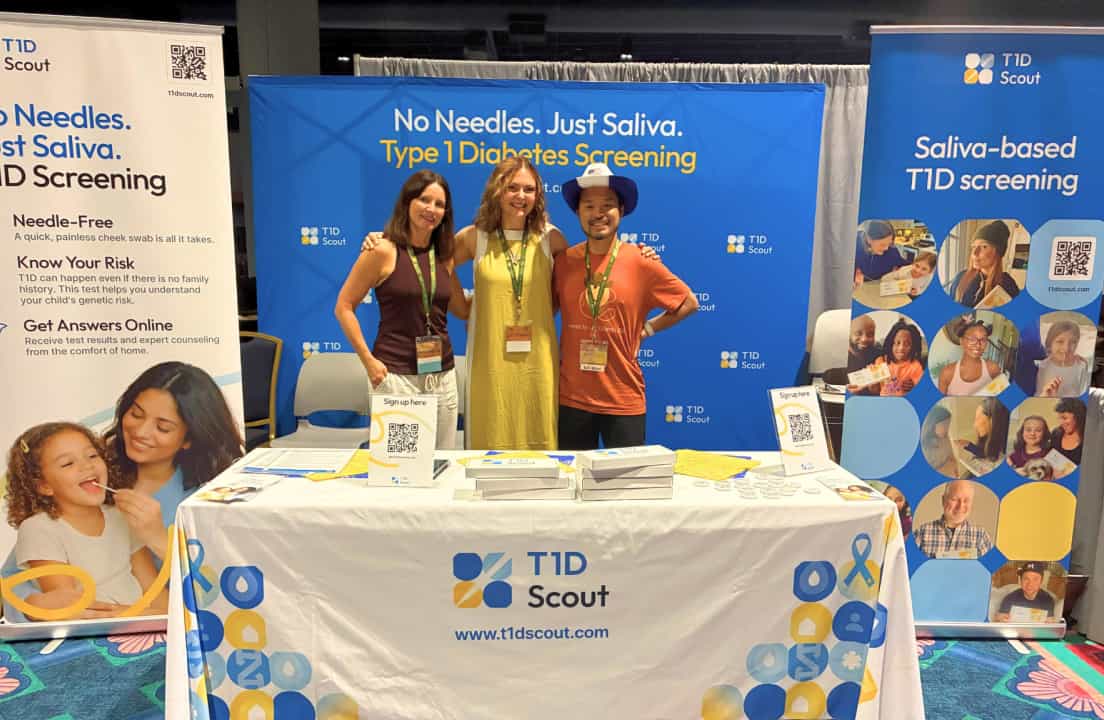
For information on how to screen your family, read Type 1 Diabetes Early Detection: Screening Tools and At-Home Tests or visit T1D Scout, the first at-home, saliva-based screening for type 1 diabetes risk.


.webp)


.jpeg)












.jpg)





.jpg)




%20(1).jpg)



.jpg)
.jpg)
.jpg)
.jpg)
.jpg)
.jpg)
.jpg)
.jpg)
.jpg)
.jpg)
.jpg)
.jpg)
.jpg)
.jpg)
.jpg)

.jpg)
.jpg)
.jpg)
.jpg)
.jpg)
.jpg)
.jpg)

.jpg)

.jpg)
.jpg)

.jpg)
.jpg)


.jpg)
.jpg)
.jpg)


.webp)
.svg)