


T1D Guide
T1D Strong News
Personal Stories
Resources
T1D Misdiagnosis
T1D Early Detection
Research/Clinical Trials
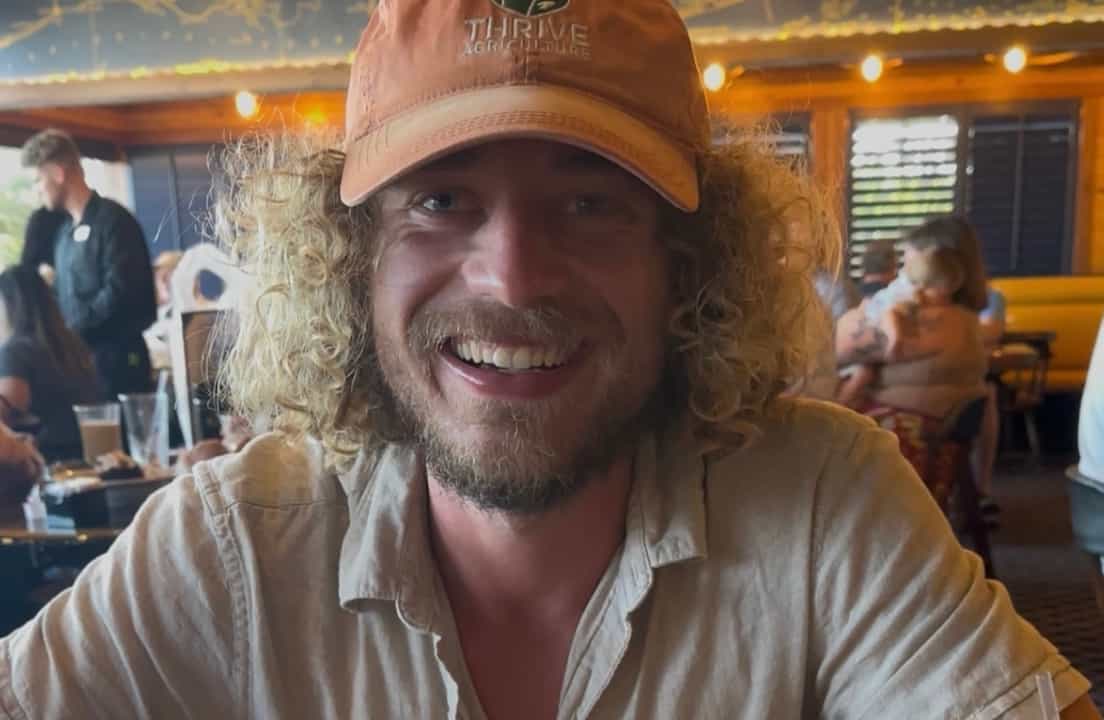
James Elliott’s Story—and Why His Voice Led Us to Co-Found Voices in Action
James Elliott, president and founder of Voices in Action: People Living with Diabetes in Global Health, shares how community support, game-changing tech, breaking stigmas, and early detection save lives.


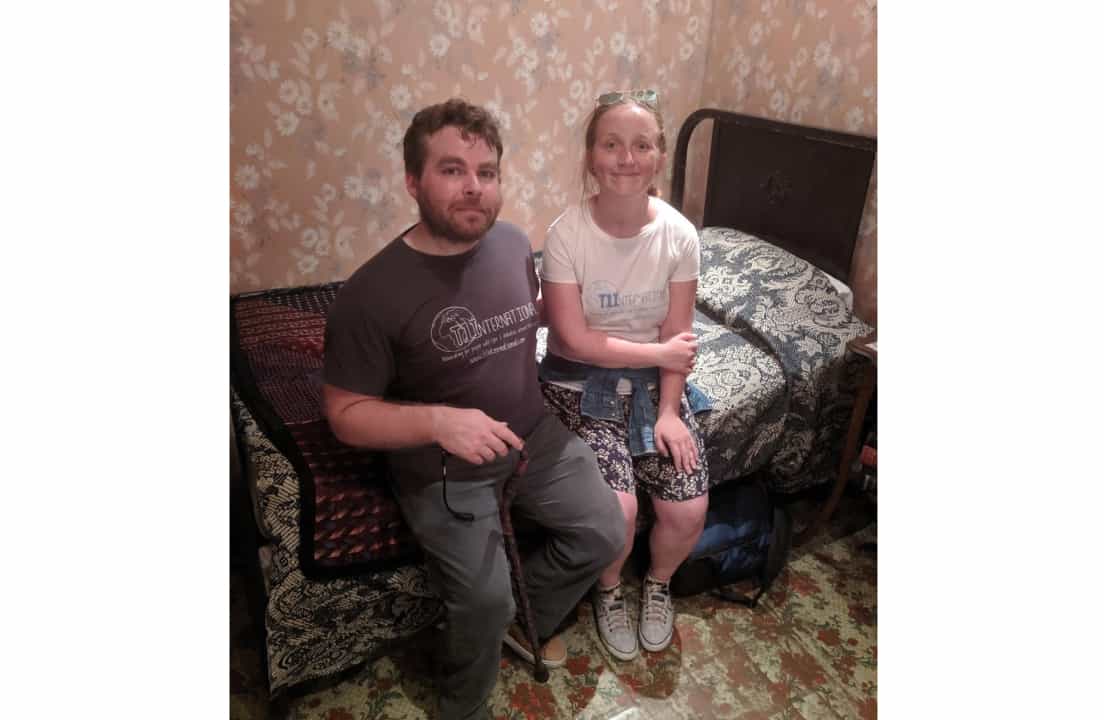
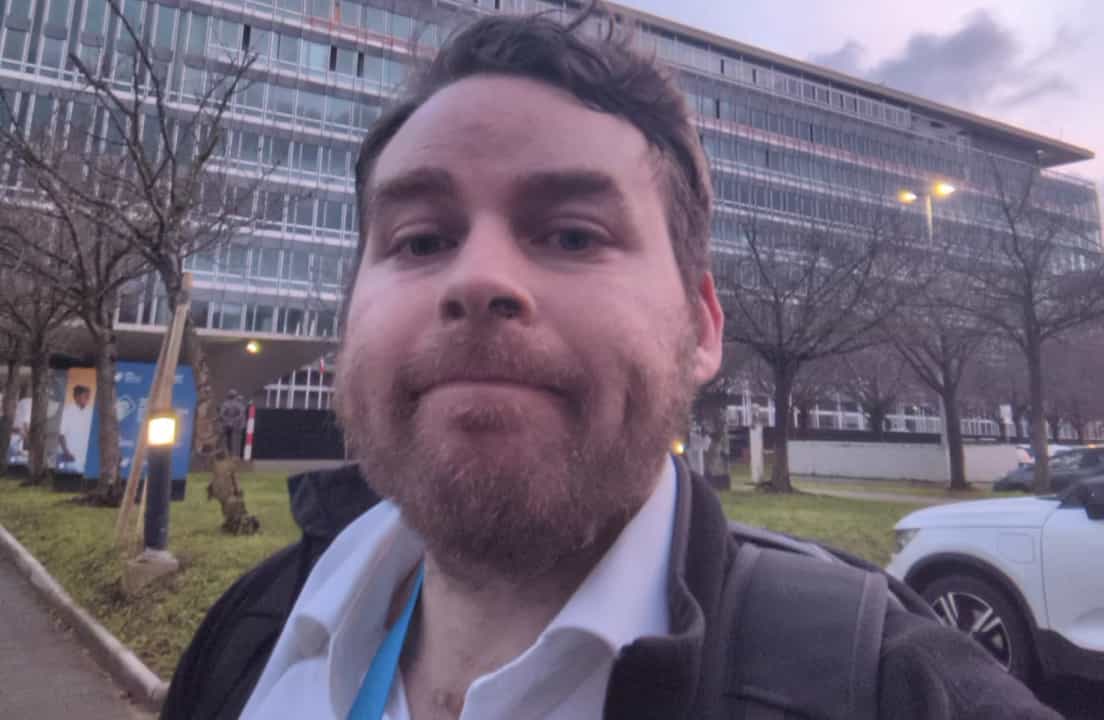
James Elliott is a friend and a global health professional with extensive experience in diabetes advocacy. We met years ago while working together on the Global Diabetes Compact at the World Health Organization (WHO), back when diabetes communication and community engagement were primarily happening on X (formerly Twitter).
A Childhood Misdiagnosis
When James was 12 years old, his doctor told him he had the flu. He experienced exhaustion, constant thirst, frequent urination, and weight loss at a frightening pace. Though anyone familiar with type 1 diabetes (T1D) would recognize these signs immediately—but at that moment, they were overlooked. It wasn’t until his breathing began to fail and he was admitted to the hospital with severe diabetic ketoacidosis (DKA) that the words “type 1 diabetes” were finally spoken. His blood sugar was dangerously high.
James spent a week in the hospital learning the basics of a condition that would stay with him for life. That week could have been avoided with earlier screening and better awareness—but it became the starting point for a journey that now drives his advocacy for early detection and better global care.
Learning to Live With Diabetes
In the months following his diagnosis, James adopted what many call “perfect patient” mode. He meticulously tracked his blood sugar, followed a strict diet, and did everything he was told. Over time, he learned to weave diabetes into daily life rather than let it define every moment.
Living alone at university, James took full responsibility for his care at a very young age. That independence shaped his understanding of diabetes management and prepared him for the challenges ahead.
The Power of Support: Partnership in Care
James’s wife, Rosie, became a quiet but essential partner in his care. She knows when a low is coming, understands what dangerous silence looks like, and why a glass of juice at the right time matters more than any explanation. While James remains highly independent, their shared understanding has become one of his most important safety nets.
.jpg)
Technology that Changed the Game
From the days of NPH insulin, when hypoglycemic episodes were frequent and intense, James’s tools have evolved dramatically. Modern insulin analogs and continuous glucose monitoring (CGM) now help him maintain more stable blood sugar levels.
The CGM provides real-time glucose readings, highlights patterns, and warns him before lows or highs become dangerous. While technology doesn’t make T1D easy, it makes it safer and more manageable.
When Experience Meets Expertise
The turning point in James’s relationship with diabetes came during his master’s degree. Choosing to focus his thesis on diabetes, he found himself surrounded by researchers, healthcare professionals, and policymakers. What surprised him was not their dedication, but the gaps in understanding of what living with type 1 diabetes actually feels like day after day.
Advice that sounded reasonable in theory often didn’t fit the reality of injections, alarms, sleep, work, and fear. That disconnect became the foundation for his advocacy.
Voices in Action: Patients Leading Change
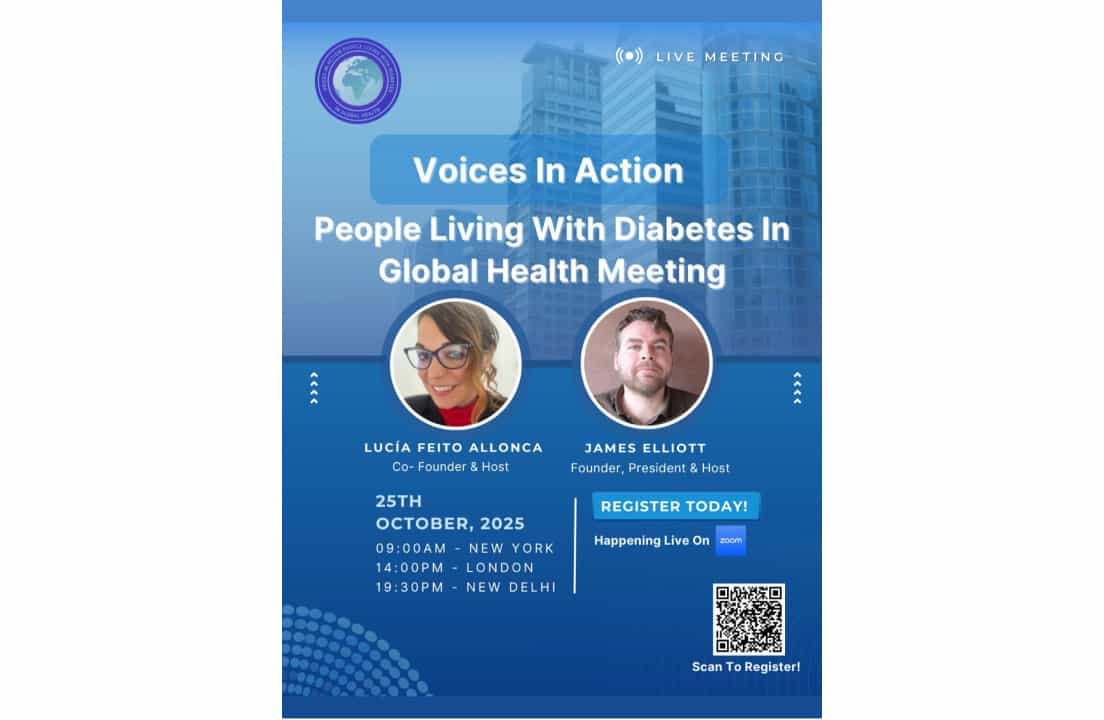
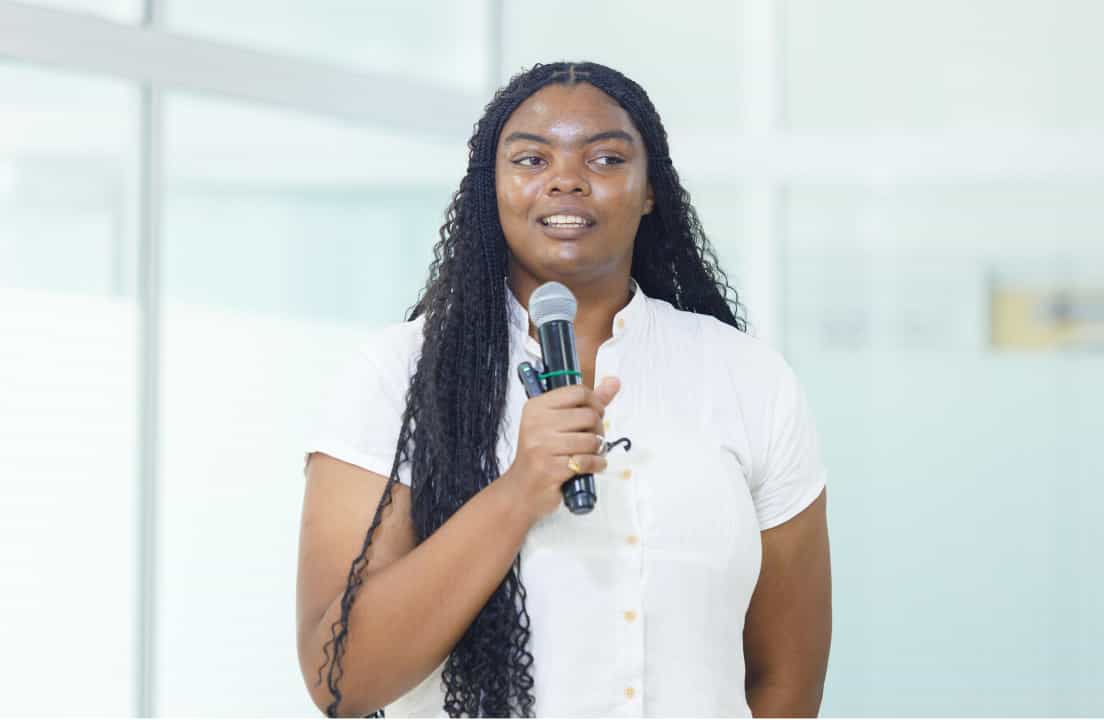
James Elliott, originally from Canada, and I co-founded Voices in Action (ViA Diabetes), a nonprofit led by people who live with diabetes. It feels especially fitting that vía means “way” in Spanish—we like to think of Voices in Action as the way forward for diabetes.
We believe diabetes care and its agenda cannot be dominated by people without diabetes—at least in leadership positions. Decisions that affect lives must be shaped by those who live with the condition. We, and other T1Ds, refuse to be used as “patient tokens.”
The formalization of ViA as an NGO took place in Toronto, Canada, which coincidentally is also the birthplace of insulin. Toronto has given hope and life to countless people, and through ViA, we aim to bring optimism to people living with diabetes by shifting the power dynamics in global health.
Voices in Action connects individuals with diabetes who are active in global health, policy, and community work. Under our joint leadership, we strive to ensure people living with diabetes drive conversations, inform policy, and shape programs that truly reflect patient needs.
It is a space for honest, intelligent, and sometimes provocative conversations—food for thought.
Early Detection Saves Lives
Throughout his long advocacy career, James has emphasized the importance of early detection. In many parts of the world, basic tests like a fingerstick glucose test or HbA1C are still out of reach. This means that too many children and adults are diagnosed only when they develop the life-threatening side effect of DKA.
Training for health professionals is also critical. Many still confuse type 1 and type 2 diabetes based on age or appearance. Misdiagnosis delays treatment and can lead to preventable crises. According to The Lancet, more than half of new type 1 diagnoses now occur in adults, including people in their sixties, seventies, or even eighties.
Breaking Myths About Diabetes
The stereotypes of type 1 diabetes as a “childhood-only” condition and type 2 as “weight issue disease” don’t reflect reality. People of all ages and body images can develop either type.
Voices in Action brings these lived experiences to policy discussions, pushing for screening programs and education designed by people who live with diabetes.
Global Screening Initiatives
Around the world, some regions are already moving toward structured early diagnosis. Saudi Arabia and parts of the United States are examples where screening and risk identification are gaining attention. By highlighting successful approaches, Voices in Action helps adapt them to new contexts, ensuring early signs are recognized to protect lives.
From Personal Experience to Global Advocacy
James’s journey began with a misdiagnosis and a weeklong hospital stay. Today, it continues through the meetings, campaigns, and conversations where we work to make early detection the norm.
Through Voices in Action, we draw on real experiences to create programs, spark conversations, and raise awareness. What we want is a world where people living with diabetes help shape their own care, where their expertise guides policy and practice, and where every step—from near misses to daily challenges—drives change that saves lives.


.webp)
.jpeg)

.webp)

















.jpg)






.jpg)





%20(1).jpg)




.jpg)
.jpg)
.jpg)
.jpg)
.jpg)
.jpg)
.jpg)
.jpg)
.jpg)
.jpg)
.jpg)
.jpg)
.jpg)
.jpg)
.jpg)
.jpg)
.jpg)
.jpg)
.jpg)
.jpg)
.jpg)
.jpg)

.jpg)

.jpg)
.jpg)

.jpg)


.jpg)

.jpg)
.jpg)




.webp)
.svg)