


T1D Guide
T1D Strong News
Personal Stories
Resources
T1D Misdiagnosis
T1D Early Detection
Research/Clinical Trials
Rising Above: Anita Sabidi Turns T1D Challenges Into Strength and Champions Early Screening
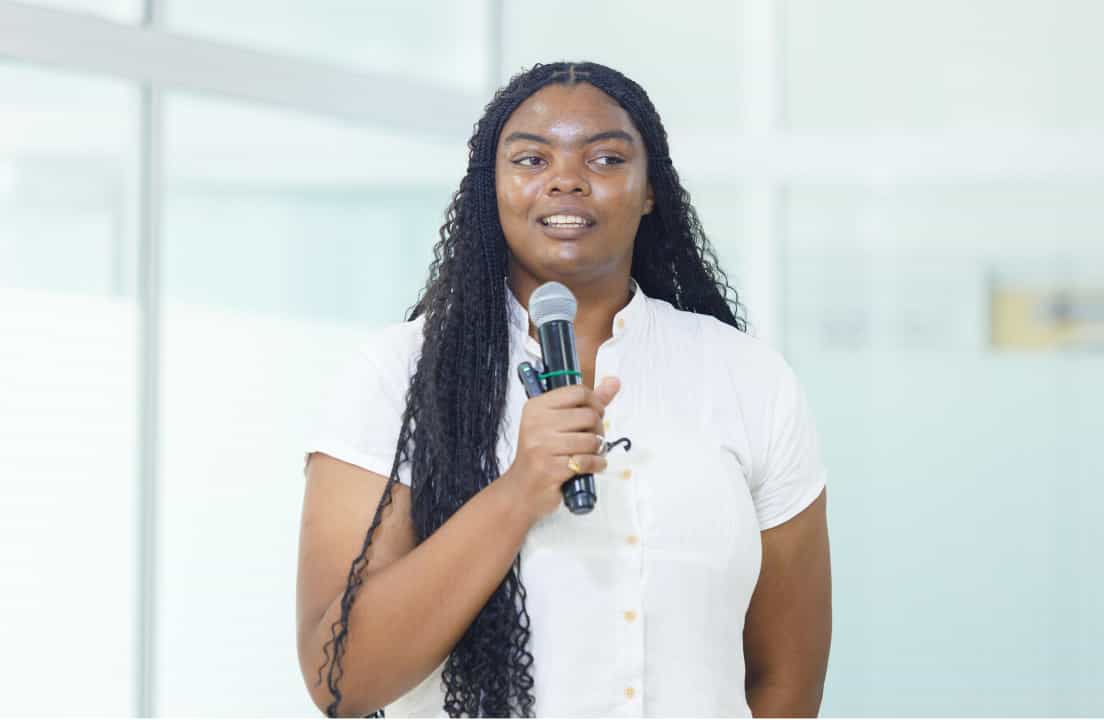
Although thousands of miles separate Indonesia from Spain, where I live, my connection with Anita Sabidi has always felt surprisingly close. Our conversations—about early detection, diabetes management and the realities of living with type 1 diabetes—have created a bond that feels like sisterhood.
.jpg)

A Sisterhood Across Continents
What makes our relationship meaningful is that it bridges distance, culture and daily realities. We face different circumstances, yet the challenges and resilience of living with type 1 diabetes (T1D) resonate deeply between us. Every discussion reminds me that community is not defined by geography, but by understanding.
Navigating a Complex Diagnosis with Limited Access
Anita was diagnosed with T1D at thirteen. She often describes that moment as a turning point—one that came with very little information and almost no tools. Growing up in Indonesia, she did not receive her first blood glucose meter until she entered university. The lack of guidance in those early years profoundly shaped her experience.
Alongside the clinical trials, she faced stigma and discrimination. Yet what stands out is not the hardship, but the resilience she built. Her journey shows what many families in similar contexts endure: navigating a complex condition without the most essential resources.
Lessons She Wishes Families Knew Earlier
Early detection of T1D in Indonesia remains a major challenge. Diagnostic tools are limited, and awareness of autoimmune diabetes, though improving, is still insufficient. Most clinicians rely on C-peptide testing to evaluate insulin production. Low or undetectable levels suggest T1D, whereas higher levels indicate type 2 diabetes (T2D). However, C-peptide alone cannot confirm autoimmune diabetes, because it does not detect the immune process that destroys insulin-producing beta cells.
Autoantibody tests (GAD65, IA-2, ZnT8, ICA) are critical for accurate diagnosis, yet they are rarely accessible, often limited to urban hospitals and expensive private labs. As a result, children and young adults frequently receive delayed or incorrect diagnoses, sometimes labeled with type 2 or unspecified diabetes. Misdiagnosis can lead to inappropriate treatment, increased risk of diabetic ketoacidosis (DKA), and long-term complications, making early detection a life-saving measure.
Anita, as both a patient and a mother, has taken proactive steps by having her children tested for autoantibodies, recognizing that an accurate, timely diagnosis is critical to proper management and the prevention of complications.
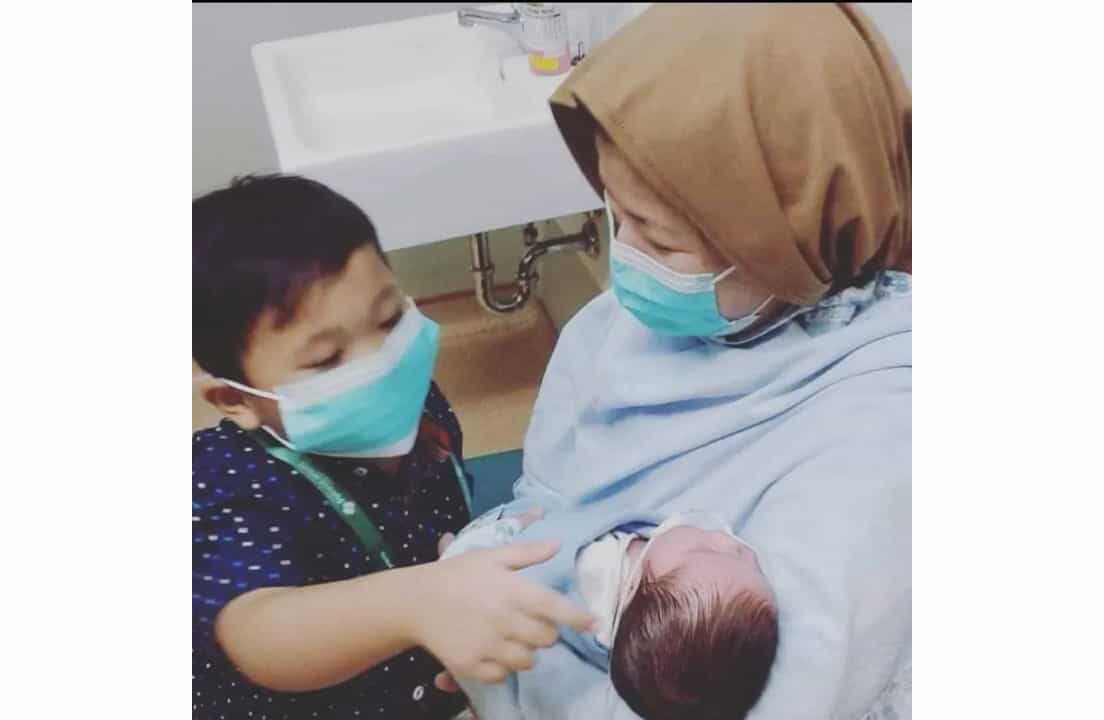
Across our conversations, one message from Anita always stays with me: diabetes does not define anyone’s potential.
“You can still travel, study, build a career and have a family,” she said. “Life may require more preparation, but there is room for all your dreams.”
Her words carry weight because they come from lived experience. She wants families to understand that while type 1 diabetes brings unique demands, it does not close doors. With information and planning, a full life is absolutely possible.
When Information Is Missing, Families Carry a Heavy Load
Anita often reflects on how different things might have been if her family had received proper information earlier. “Transitioning into a lifelong medical condition is overwhelming, especially for a child. Without guidance, families often feel lost and judged.”
In Indonesia, misinformation about chronic illness adds another layer of difficulty. Families may face blame or suspicion, and parents often internalize guilt. Anita’s perspective makes clear that education is not only a clinical necessity but also an emotional lifeline.
Cultural Expectations and Personal Relationships
One of the most revealing parts of my conversations with Anita has been her description of how cultural expectations shape daily life. In Indonesia, health, family background and social standing can influence how relationships are formed. These norms can place added pressure on people living with chronic conditions such as type 1.
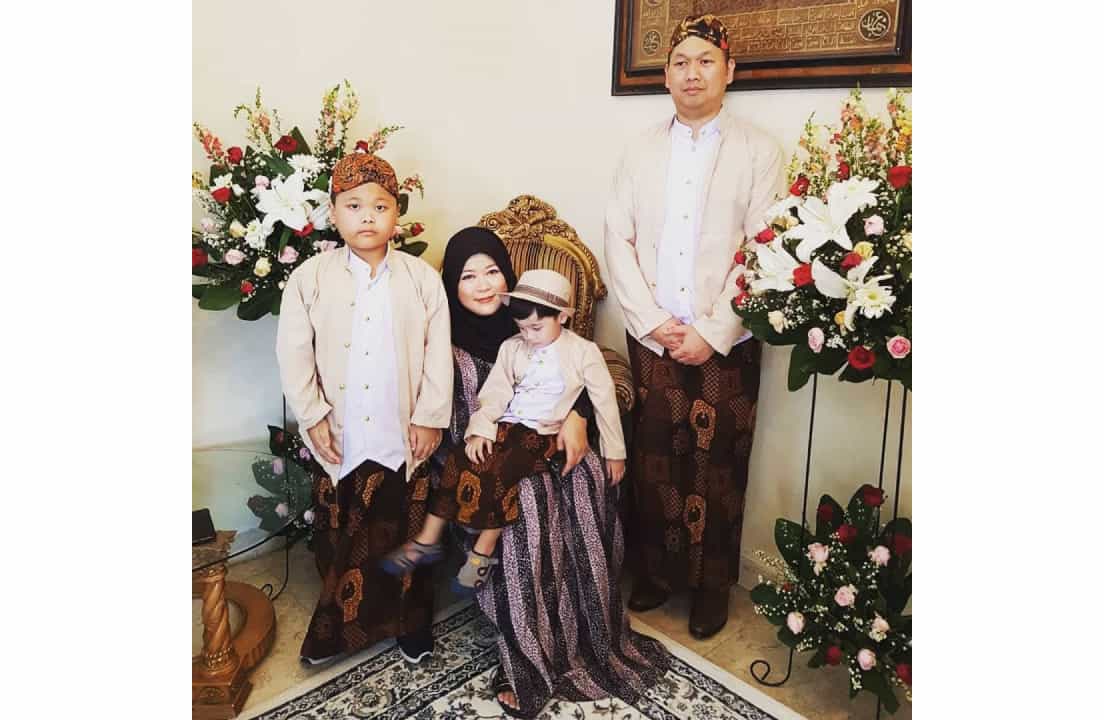
Knowing that type 1 diabetes can be inherited also carries emotional weight. Anita explained that this awareness impacts not only her own identity, but also the decisions and perceptions within her community. It is a subtle but powerful reminder of how culture and chronic illness intersect.
The Reality of Early Detection in Indonesia
Early detection of T1D in Indonesia remains limited. Current pathways often include:
- A random glucose check
- HbA1c testing to determine if glucose is high
- C-peptide testing if HbA1c is elevated
However, C-peptide testing is not covered by national insurance, so it is an out-of-pocket expense. More critically, autoantibody testing—which identifies autoimmune diabetes—is still too expensive and is not integrated into national screening programs.
Without access to antibody panels, many children and adults are misdiagnosed with type 2 or unspecified diabetes. This leads to delays in receiving proper treatment and increases the risk of DKA.
When Screening Becomes a Mother’s Responsibility
For Anita, early detection is personal. When her younger son was identified as having prediabetes at age five, she moved quickly to pursue autoantibody testing despite its high cost. His results were negative, but clinicians advised that puberty could still trigger type 1 diabetes.
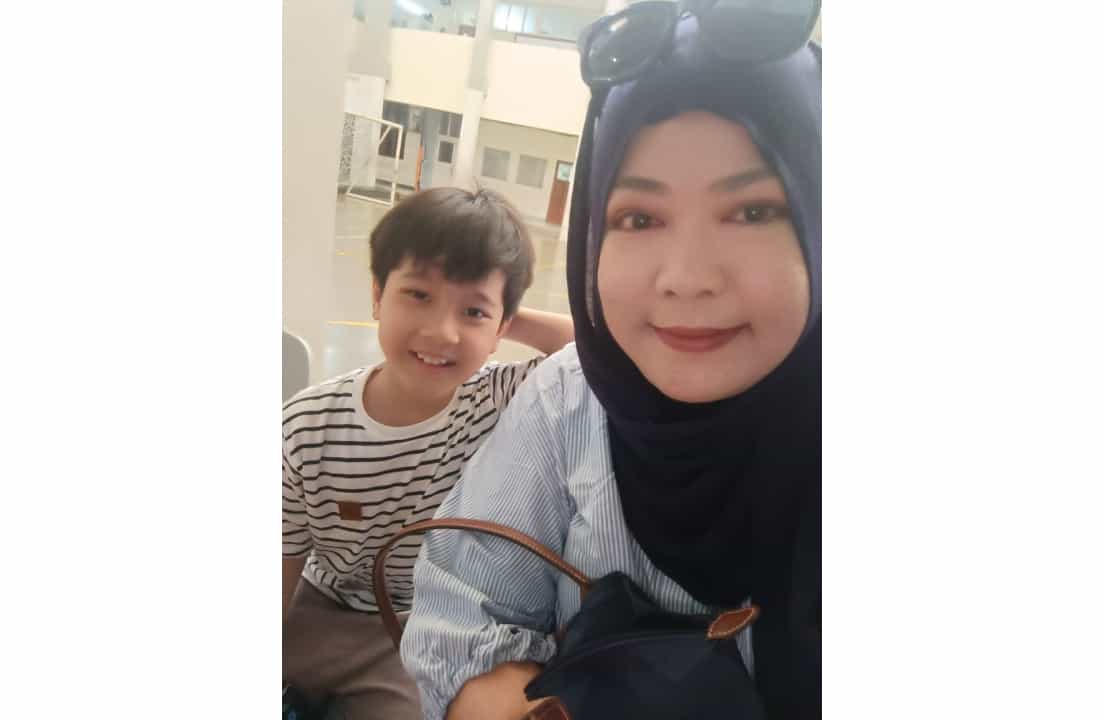
She continues to monitor him closely. She once told me that, at first, she blamed herself. But with community support and professional guidance, she shifted her fear to preparedness.
“As a mother, I want my kids to be okay,” she said. “But I know I have to be prepared.”
Her honesty reflects what so many families feel but rarely voice: the quiet emotional work behind every decision, every test, and every moment of vigilance.
Culture, Food and Daily Management
Food plays a central role in Indonesian culture. Rice is present in nearly every meal, and navigating insulin dosing around traditional diets requires constant flexibility.
This is where Anita’s approach teaches something important: diabetes management does not exist in a vacuum. It is shaped by heritage, food, gender expectations and social norms.
While I think in terms of structure and data, Anita brings a perspective grounded in cultural understanding and adaptive strategies. Together, these viewpoints reveal how deeply personal diabetes care truly is.
Turning Experience Into Advocacy
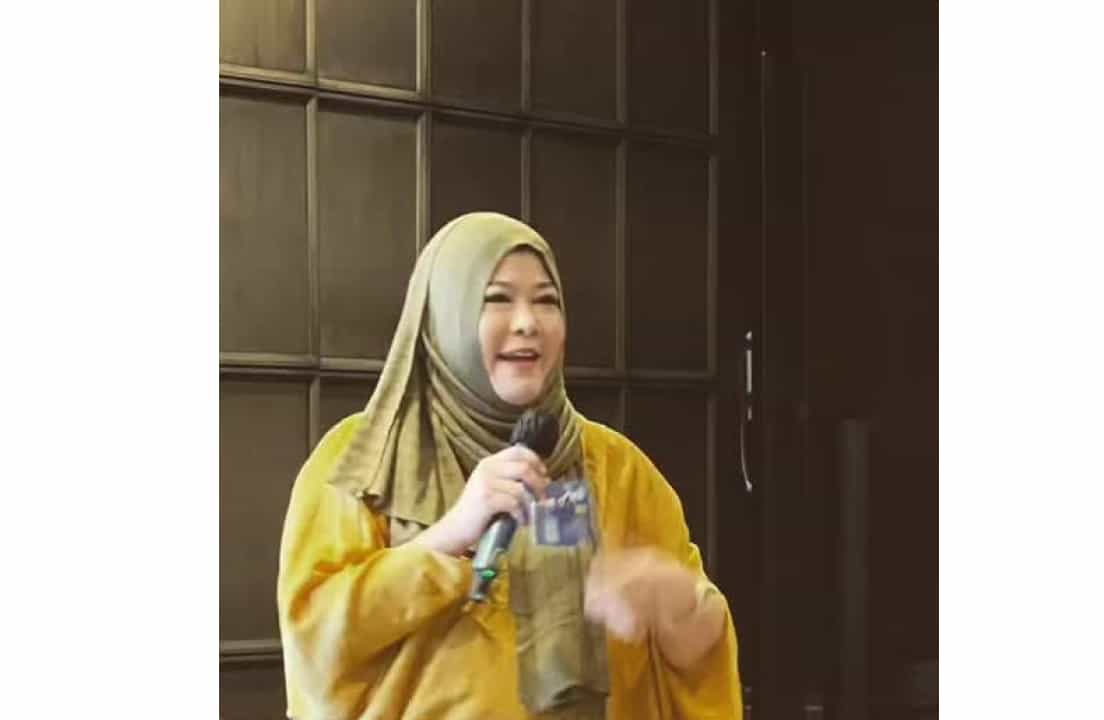
What inspires me most about Anita is how she has transformed her experience into advocacy. She creates adapted clothing that facilitates insulin administration while respecting cultural attire. She designs illustrations to help children understand diabetes. Also, Anita collaborates with organizations such as PERSADIA and IKADAR to improve screening pathways and public awareness.
Her work is grounded in community, creativity and a commitment to equity. Anita represents what grassroots advocacy looks like when lived experience becomes a catalyst for change.
Structural Barriers and Paths Forward
Indonesia faces significant systemic barriers to improving type 1 early detection:
- Rural areas lack access to testing
- Antibody panels are expensive and limited to private labs
- Clinical guidelines differ across regions
- Prevalence data are incomplete due to diagnostic gaps.
Meaningful progress requires coordination among government institutions, laboratories, medical societies, and patient groups. Expanding antibody testing, integrating national guidelines, and strengthening pediatric screening programs are essential steps.
In 2023, Indonesia’s Vice Ministry of Health stated that all Indonesians carry a genetic risk for type 2 diabetes.
This makes early awareness and routine glucose checks even more important for preventing life-threatening delays in diagnosis.
Why Early Detection Matters
Anita’s story affirms that early detection is a matter of equity and emotional safety as much as it is a clinical need. Timely diagnosis prevents misclassification and allows families to understand what is happening rather than face a medical crisis without warning.
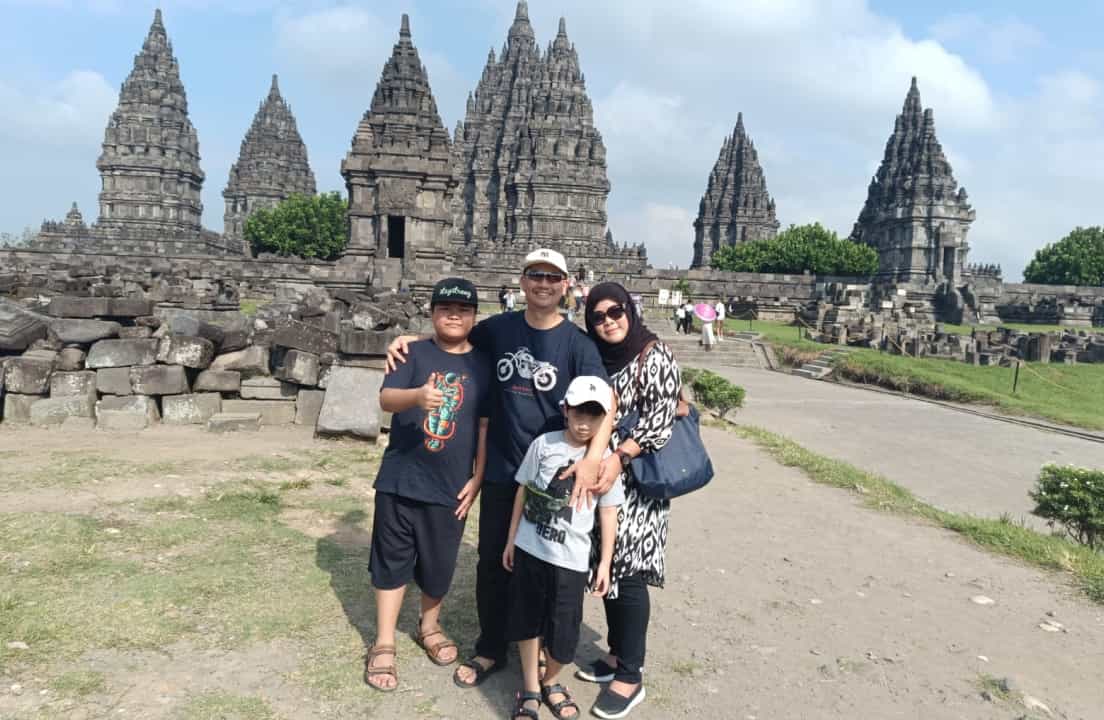
Her experience shows that thriving with type 1 diabetes demands more than technology alone. It requires awareness, cultural sensitivity, community support and access to reliable diagnostic tools. Additionally, it requires a system that sees every child, every family and every community as worthy of timely, accurate care.
As I reflected on our conversations, I was struck by how her story exemplifies resilience not only in managing a chronic condition but in advocating for a future where no family navigates diagnosis alone.


.webp)
.webp)





.jpeg)
















.jpg)






.jpg)






%20(1).jpg)




.jpg)
.jpg)
.jpg)
.jpg)
.jpg)
.jpg)
.jpg)

.jpg)
.jpg)
.jpg)
.jpg)
.jpg)
.jpg)
.jpg)
.jpg)

.jpg)
.jpg)
.jpg)
.jpg)

.jpg)

.jpg)
.jpg)

.jpg)

.jpg)
.jpg)


.jpg)
.jpg)


.jpg)
.jpg)
.jpg)
.jpg)
.jpg)


.webp)
.svg)