


T1D Guide
T1D Strong News
Personal Stories
Resources
T1D Misdiagnosis
T1D Early Detection
Research/Clinical Trials
When Diabetes Devices Fail: What to Do When an Insulin Pump or CGM Stops Working
Insulin pumps and continuous glucose monitors (CGM) make daily management of type 1 diabetes (T1D) easier, until they stop working. When insulin pump or CGM failure occurs, having a clear plan for insulin dosing, safe device transitions and provider support can make a critical difference.

.jpeg)
Editor’s Note: Disclaimer: The information shared in this article is intended for general educational purposes only and should not be considered medical advice. Always consult your physician or diabetes care team before making changes to your diabetes management or in the event of insulin pump failure.
How Insulin Delivery Changes During Insulin Pump Failure
Insulin pumps deliver rapid-acting insulin continuously to meet basal and mealtime needs, replacing long-acting insulin. When a pump stops working, that delivery ends completely, leaving no background insulin in the body. Blood glucose levels can rise quickly, even without food intake.
In the absence of insulin, the body shifts to breaking down fat for energy, which can lead to ketone production and increase the risk of diabetic ketoacidosis (DKA).
Because early symptoms may be subtle, close monitoring becomes essential as soon as insulin delivery is interrupted.
Why Insulin Pump Failure Requires Immediate Action
Pump therapy leaves little margin for delay when insulin delivery is disrupted. Unlike injection therapy, which includes long-acting insulin that continues working in the background, pump therapy depends entirely on uninterrupted delivery.

Even short gaps can result in rapid glucose increases. This is why pump failure requires prompt attention, even when the issue appears minor at first. Acting quickly can help limit prolonged hyperglycemia and reduce the risk of serious complications.
Common Causes of Insulin Pump Malfunction
Insulin pump malfunction can occur for many reasons, and even well-designed technology has limitations. Infusion sets may kink, leak or disconnect. Cannulas can bend during insertion or shift with movement. Tubing may trap air or become blocked. Batteries can lose charge, and software or hardware issues can interrupt delivery. Pumps may also be affected by heat, cold, water or physical impact. In many cases, the first sign of a problem is blood glucose that remains high despite correction doses.
Early Warning Signs of Insulin Pump Failure
Persistent hyperglycemia is often the first indication that insulin delivery may be disrupted. Warning signs can include:
• Blood glucose that continues to rise despite correction boluses
• Repeated pump alarms or unexpected alerts
• Unexplained symptoms such as thirst, fatigue or frequent urination
• Glucose levels that do not respond as expected to insulin
When these signs appear, insulin delivery should be questioned immediately.
What to Do When an Insulin Pump Stops Delivering Insulin
If blood sugar remains elevated despite corrections, insulin delivery should be questioned. Stop insulin delivery and disconnect or deactivate the pump as appropriate. Inspect the infusion site, cannula or Omnipod placement for visible issues. Replace the infusion set or pod if needed. Contact the pump manufacturer’s support line to begin troubleshooting and arrange a replacement if necessary. At the same time, begin insulin injections. Waiting for a replacement pump without taking insulin increases the risk of ketone buildup and serious complications.

Managing Insulin Safely During Short Insulin Pump Interruptions
When a pump is off for a short time, rapid-acting insulin can temporarily replace insulin delivery. Use the prescribed insulin-to-carbohydrate ratio for meals and the correction factor for high blood glucose. Blood glucose should be monitored more frequently than usual, based on individual comfort level and recent glucose trends. Ketones should be checked if glucose remains elevated. Drink unsweetened fluids and monitor symptoms closely, particularly overnight.
When Long-Acting Insulin Is Needed After Pump Failure
Rapid-acting insulin alone may not provide stable glucose control during extended periods without pump-based insulin delivery. When there is an ongoing interruption in basal insulin, long-acting insulin is needed to provide background coverage and reduce the risk of sustained hyperglycemia and ketone formation.
Decisions about timing and dosing are safest when guided by a healthcare provider, but recognizing when basal insulin is absent can support timely action during an unexpected pump failure.
Understanding the Role of Long-Acting Insulin During Pump Downtime
Long-acting insulin delivers steady background insulin coverage over many hours. During pump therapy, this role is handled by continuous rapid-acting insulin delivery. When a pump stops working, long-acting insulin restores that background coverage. Returning to injections can feel unfamiliar, particularly for people who have relied on pump therapy for an extended period of time and may no longer recall long-acting insulin doses or injection routines. Even so, injections remain one of the most reliable safety measures during pump downtime.
How to Estimate a Long-Acting Insulin Dose Without a Pump
A common starting point is the pump’s average 24-hour basal insulin amount. This information can be found in the pump history or the associated app. Using this total provides a reasonable estimate until guidance from a healthcare provider is available. Glucose levels should be monitored closely after the first dose. Adjustments may be needed based on response and individual circumstances.

When Provider Access Is Limited
Device failures do not always happen during office hours. Anne experienced pump failure on a Saturday evening and was unable to reach her doctor. Having lived with T1D for two years and used a pump for the last 18 months, she panicked when she realized she did not remember her long-acting insulin dose.
With no immediate medical guidance available, Anne called her sister, who has lived with T1D for 40 years. Her sister reminded her that she had saved her long-acting insulin, Tresiba, in the refrigerator and suggested checking the pharmacy label on the box to see whether the prescribed dose was still listed. She also reminded Anne that she had recently started Ozempic, which often reduces insulin needs.
Together, they decided a conservative approach was safer. Their goal was to avoid severe hypoglycemia, even if it meant running slightly high for a short period, rather than risking prolonged low blood sugars while waiting to speak with a provider.
When Anne spoke with her doctor on Monday, she was advised to do the same. Her doctor agreed that conservative dosing was appropriate and recommended restarting the pump using a temporary basal rate once it was safe to do so. The pump manufacturer had arranged an overnight replacement, but Anne was told it would not arrive until Tuesday or Wednesday, reinforcing the need for a cautious interim plan.
When Pump Failure Requires Extended Troubleshooting
Linda sensed something was wrong with her insulin pump before it failed completely. While filling the tubing, the feel and sound seemed different than usual. It stayed in the back of her mind, raising quiet concern that something might be off.
The weekend before Christmas, those concerns escalated. Linda began receiving repeated occlusion alarms during a pre-meal bolus. In the past, clearing the alarm resolved the issue, but this time the alerts continued. She contacted technical support and worked through multiple troubleshooting steps, including refilling the tubing, changing the cartridge and re-pairing the pump.
After a second call, her case was escalated, and she was told the pump would need to be replaced. Because the failure occurred over the weekend, Linda reached out for additional support and sent a message to her endocrinologist through the patient portal to review her backup plan and confirm the dose of long-acting insulin she would need if basal injections became necessary.
Fortunately, Linda had backup insulin and long-acting insulin pens stored at home. Her endocrinologist responded on Monday. A replacement pump arrived on Tuesday, just before Christmas, and Linda worked with technical support to get it set up.
That evening, she charged the new pump as usual. By morning, the battery level had dropped to eight percent. Technical support monitored the device over the next 24 hours as the charge continued to decline rapidly. The following day, Linda was told the replacement pump had also malfunctioned, and another device was sent.
By the day after Christmas, Linda was able to restart pump therapy. Reflecting on the experience, she said the process was stressful and time-consuming, with many hours spent on the phone and closely monitoring her blood glucose. At the same time, having a backup plan in place made the situation manageable.
“It doesn’t get easier,” she said. “We get stronger.”
.jpg)
Restarting an Insulin Pump Safely After Using Long-Acting Insulin
Restarting pump therapy requires careful timing when long-acting insulin has been used. Long-acting insulin remains active in the body for many hours.
Restarting pump basal delivery too soon can result in overlapping insulin and increase the risk of hypoglycemia.
Why Restart Guidance Can Vary
Healthcare providers may offer different guidance based on insulin type, dose and individual risk. Some providers advise waiting a minimum number of hours for long-acting insulin to clear before restarting the pump. Others may recommend restarting earlier, using a temporary basal rate set to 0% until the injected insulin has worn off. Both approaches aim to prevent insulin overlap and should be guided by a healthcare provider whenever possible.
How to Avoid Insulin Stacking During Manual Injections
Insulin stacking occurs when correction doses are given too close together. Overlapping insulin action increases the risk of hypoglycemia. When using injections, correction doses should generally be spaced three to four hours apart unless a healthcare provider advises otherwise. Tracking dose timing helps prevent accidental overlap.
Understanding Insulin Action Time
Rapid-acting insulin continues working for several hours after injection. Giving another correction before the previous dose has finished can lower blood glucose more than intended. Understanding insulin action time supports safer dosing during periods without pump support.
What to Do When a Continuous Glucose Monitor Stops Working
Continuous glucose monitors provide valuable trend data, but failures can occur. Sensor errors, signal loss, compression issues and sensor aging can all affect accuracy. If CGM readings do not match how you feel, check blood glucose using a fingerstick meter. During CGM failure, treatment decisions should be based on meter readings until the sensor is replaced or functioning reliably.
Why Fingerstick Blood Glucose Checks Still Matter
Fingerstick testing remains an essential backup tool, even for people who use CGMs full time. During CGM failure, it becomes the primary source of glucose data. Fingerstick checks provide immediate confirmation of glucose levels and support safe insulin dosing when trend information is unavailable.

The Emotional Reality of Diabetes Device Failure
Disruptions in diabetes care rarely happen at convenient times. Ric described how both insulin access problems and device failures can occur unexpectedly, often during everyday life and social moments.
“Failures in technology are a given,” Ric said. “It’s going to happen. But when diabetes tech fails, it always seems to be at the worst times.”
Before starting insulin pump therapy, Ric experienced an insulin access issue while traveling for a family wedding in Northern Idaho. A hotel refrigerator froze his Humalog solid on a Sunday. “Two hours at the only pharmacy nearby willing to work with me and $250 later, I had insulin again,” he said. The experience underscored how vulnerable insulin access can be when problems arise away from home and outside regular pharmacy hours.
Later, after starting pump therapy, Ric faced a different challenge. While out to dinner for an event, his pump failed. He first tried to troubleshoot the issue, but when it became clear the Omnipod could not be salvaged, he had no immediate access to insulin. With limited options, he made the decision to let his blood glucose run high until he could safely return home. “Panic is the only word I have to describe these moments,” he said. Ric noted that regaining composure was essential, whether that meant continuing to problem-solve or accepting short-term instability until a solution was possible.
When to Contact Your Healthcare Provider During Device Failure
Healthcare providers play a critical role during device failure and recovery. They can confirm insulin doses, guide transitions back to pump therapy and help adjust settings if glucose patterns change. Many practices offer on-call support after hours. Reaching out early can reduce uncertainty and improve safety.
When to Seek Emergency Care
Emergency care is necessary if ketones are moderate to large, vomiting occurs, or blood glucose remains dangerously elevated despite insulin administration. DKA is life-threatening and requires immediate medical attention. When in doubt, seeking urgent care is the safest option.
Why a Backup Plan Matters When Technology Fails
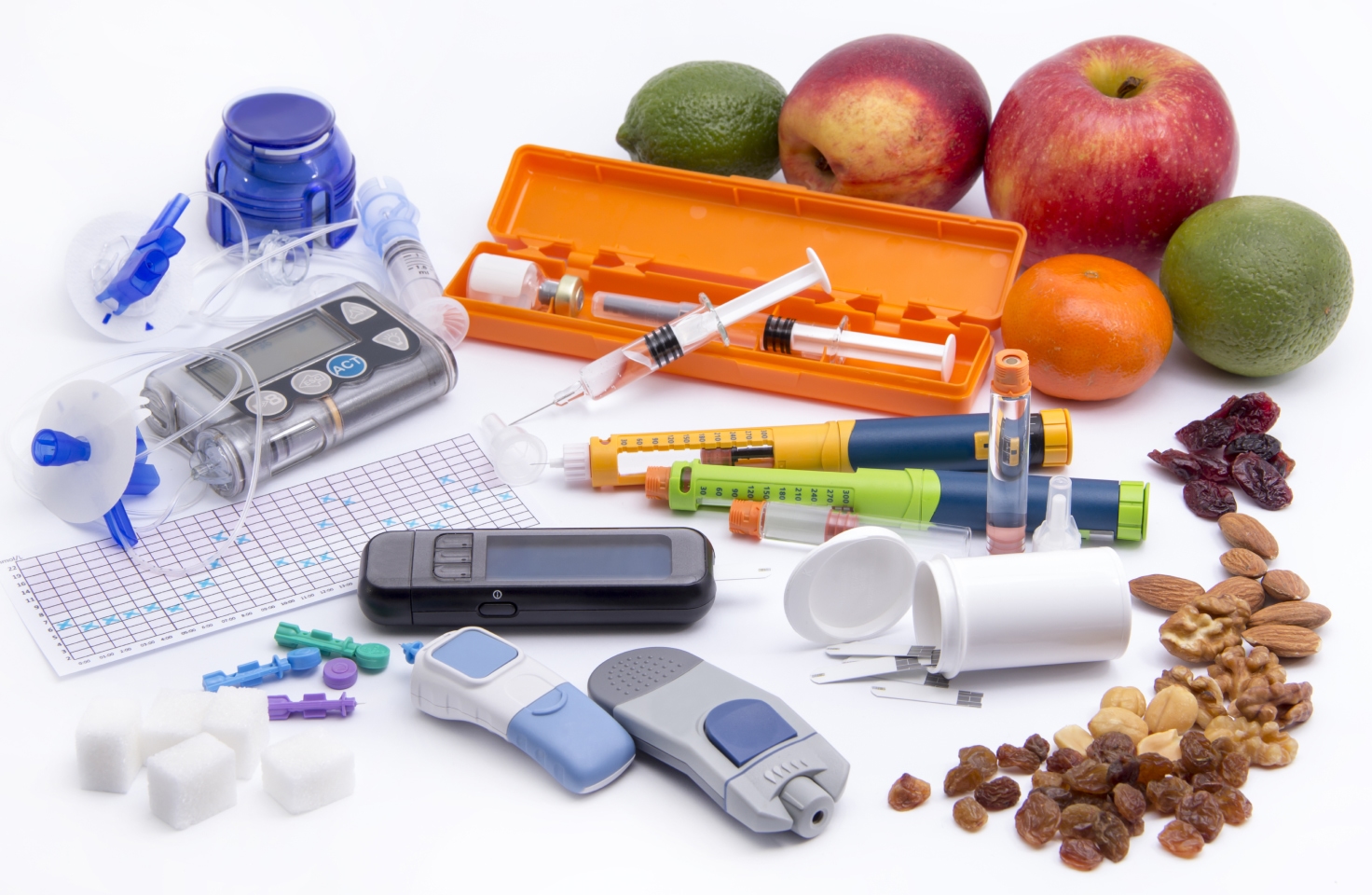
Diabetes technology has transformed daily management, but it is not foolproof. Insulin pumps and CGMs can malfunction, lose signal or fail at inconvenient times. Having a backup plan helps reduce risk when that happens. This includes keeping a blood glucose meter with test strips available, even for people who rely on CGMs, and maintaining access to long-acting insulin while using pump therapy.
Rapid-acting insulin, along with the supplies needed to administer it, should also be available in case insulin pump delivery is interrupted. Writing down insulin doses and settings can be especially important when a healthcare provider is not immediately reachable. Preparation does not prevent device failure, but it can make disruptions safer and more manageable.
Key Takeaways for Managing Insulin Pump and CGM Failure
Diabetes technology supports daily management of T1D, but preparation protects health when devices fail. Understanding how insulin delivery changes, how to manage dosing safely, how to avoid insulin stacking and how to restart pumps correctly reduces risk during interruptions. Staying connected to a healthcare provider and trusted peers adds another layer of safety.


.webp)

.webp)





.jpg)




.jpg)





.jpg)







.jpg)

.jpg)
.jpg)
.jpg)
.jpg)


.jpg)
.jpg)
.jpg)

.jpg)
.jpg)
.jpg)

.jpg)

.jpg)

.jpg)
.jpg)



.jpg)


.jpg)




.jpg)
.jpg)


.jpg)

.jpg)


.jpg)
.jpg)
.jpg)
.jpg)
.jpg)
.jpg)
.jpg)

.jpg)
.jpg)

.jpg)


.jpg)
.jpg)
.jpg)

.jpg)

.jpg)




.webp)
.svg)