


T1D Guide
T1D Strong News
Personal Stories
Resources
T1D Misdiagnosis
T1D Early Detection
Research/Clinical Trials
Grownup T1Ds Expands Nationwide For Adults Living With Type 1 Diabetes
Grownup T1Ds, the first organization focused on midlife and older adults living with type 1 diabetes and adult-onset type 1 diabetes, often called LADA, is launching peer-support chapters across the United States to bring in-person community, connection, and hope to adults living with T1D.
.jpg)
.jpeg)
Finding Connection Beyond The Clinic
Living with type 1 diabetes (T1D) as an adult can feel isolating. Many adults were diagnosed as children and have carried T1D for decades. Others are diagnosed later in life with latent-autoimmune diabetes in adults (LADA) type 1 diabetes. Both groups often say the same thing: they do not see their stories reflected in the diabetes community.
Most care happens in short clinic visits. The rest of the time, adults are on their own with blood sugar management, diabetes tech, and the mental load of a lifelong condition.
As people age, isolation often increases.
Friends move, families change, and social circles can shrink. At the same time, adults with T1D face more medical procedures, screenings and new diagnoses. Managing diabetes on top of heart tests, eye procedures, joint surgeries, or other health issues can feel very different from the experiences of children and young adults. Yet there has been almost no space to talk about this side of life with T1D.
Grownup T1Ds exists to change that.
Grownup T1Ds is a 501(c)(3) nonprofit that hosts peer-led, social meetups for adults living with type 1 diabetes. The gatherings are casual and friendly. There are no lectures and no medical presentations. People are free to share as much or as little as they want.
Adults come to connect with others who understand what T1D feels like in real life.
Sarah, a longtime participant, remembers walking into her first meetup feeling unsure.
“I felt so nervous when I first got to the meetup,” she said. “By the time I left, I felt like I had a whole community. Meeting and talking to others who have been through this before was, honestly, life-changing immediately.”
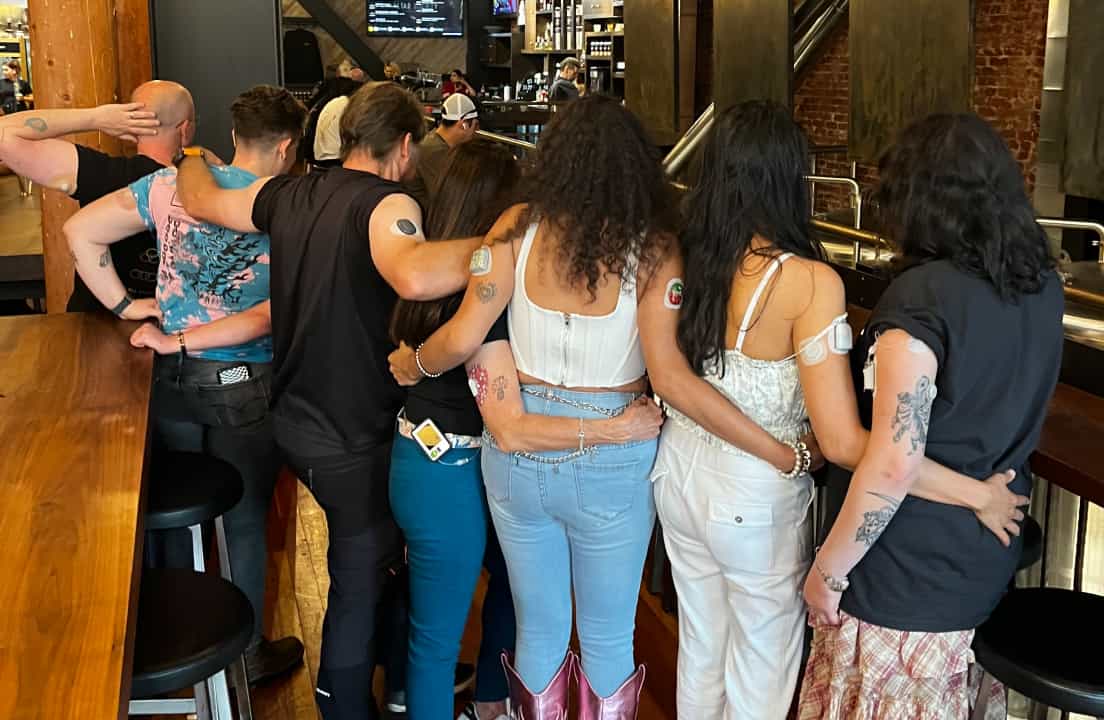
She added, “I didn’t realize how much I needed community until I walked into a brewery and saw diabetes tech out in the open everywhere. I could talk about my diabetes without having to explain every word. I’ve lived with this for 37 years, and until now, I hadn’t felt that level of understanding.”
Why Adults With Type 1 Diabetes Feel Unseen
Public attention on type 1 often focuses on children, teens and young adults. Social media is full of posts about school, college and early adult life with T1D.
Those stories matter. But they leave out a large and growing group: adults in their 30s, 40s, 50s and beyond.
Many have lived with type 1 diabetes for decades. Others are newly diagnosed with adult-onset T1D. They may be managing other health conditions, caring for aging parents or partners, raising kids or helping with grandkids. Many are adjusting to divorce, retirement or living alone for the first time. Some are dealing with menopause and changing hormones.
All of this happens while they still count carbs, change infusion sets, refill prescriptions and worry about nighttime lows.
Misdiagnosis with Diabetes
For people with adult-onset type 1 diabetes, the path can be even more challenging. Misdiagnosis is common. Many are first told they have type 2 diabetes (T2D) and may go months or years without the proper treatment.
By the time they receive the correct diagnosis, many feel scared, exhausted and alone. Learning insulin, devices and blood sugar patterns while juggling work, family, and other responsibilities can be overwhelming.
David, who was diagnosed with type 1 in his 40s, said finding Grownup T1Ds changed his outlook.
“Finding a community like this has already had a huge impact on me,” he said. “Being able to connect with people who live with T1D every day is something I didn’t even know I was missing.”
Peer-Led Meetups That Feel Real
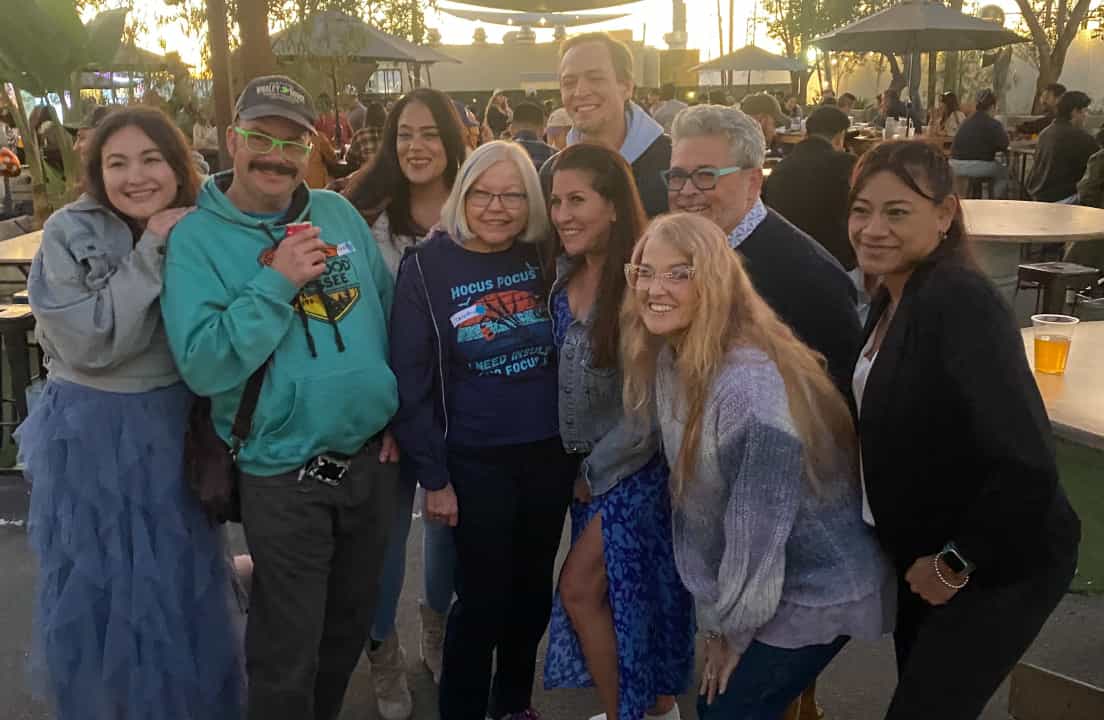
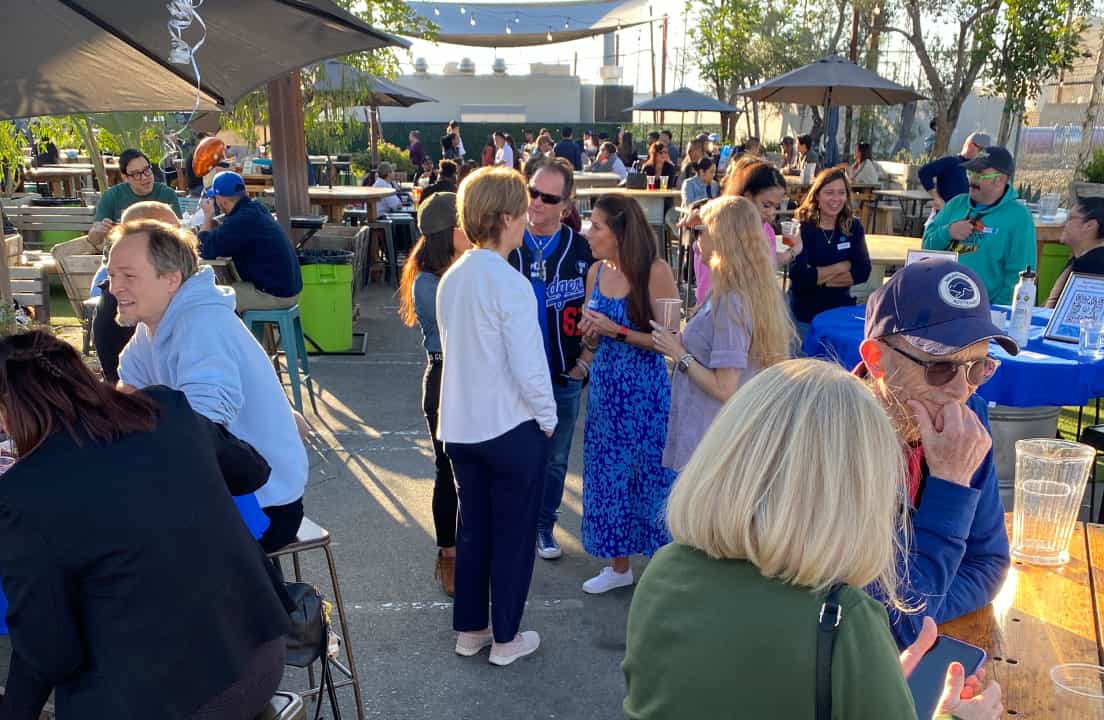
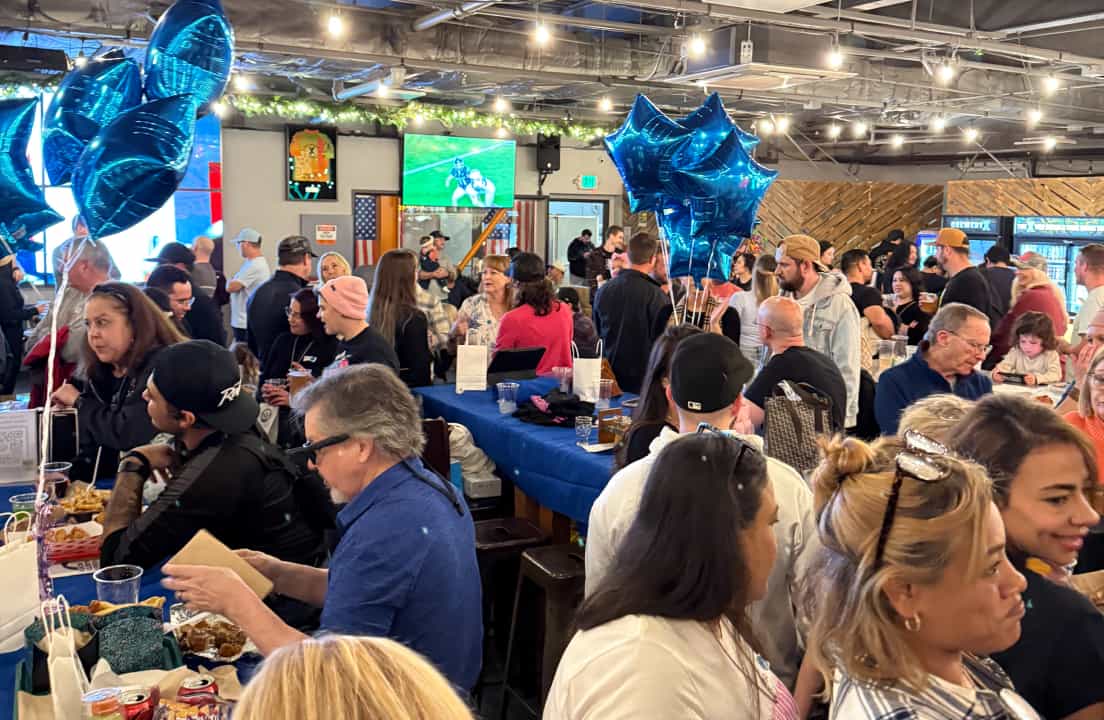
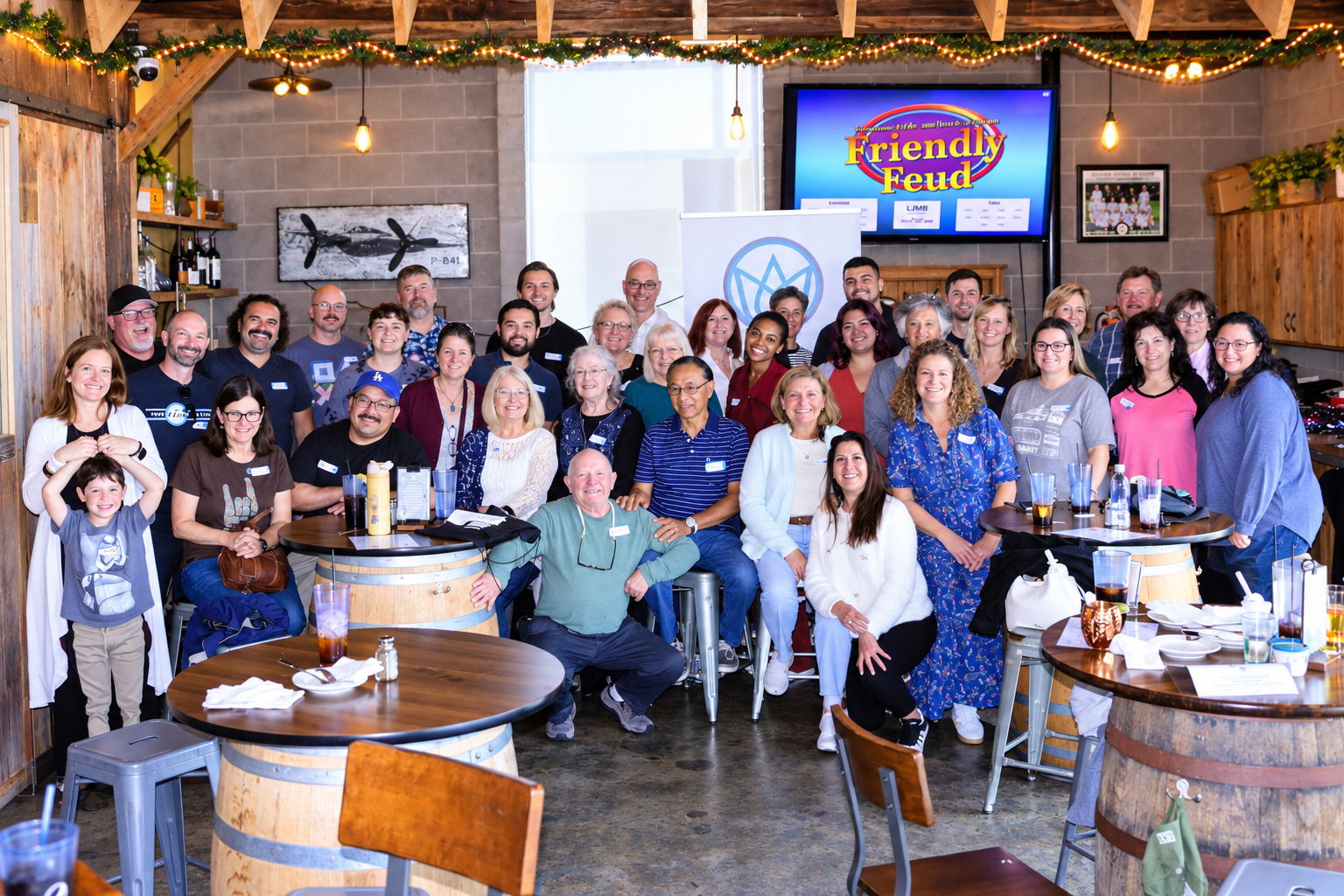
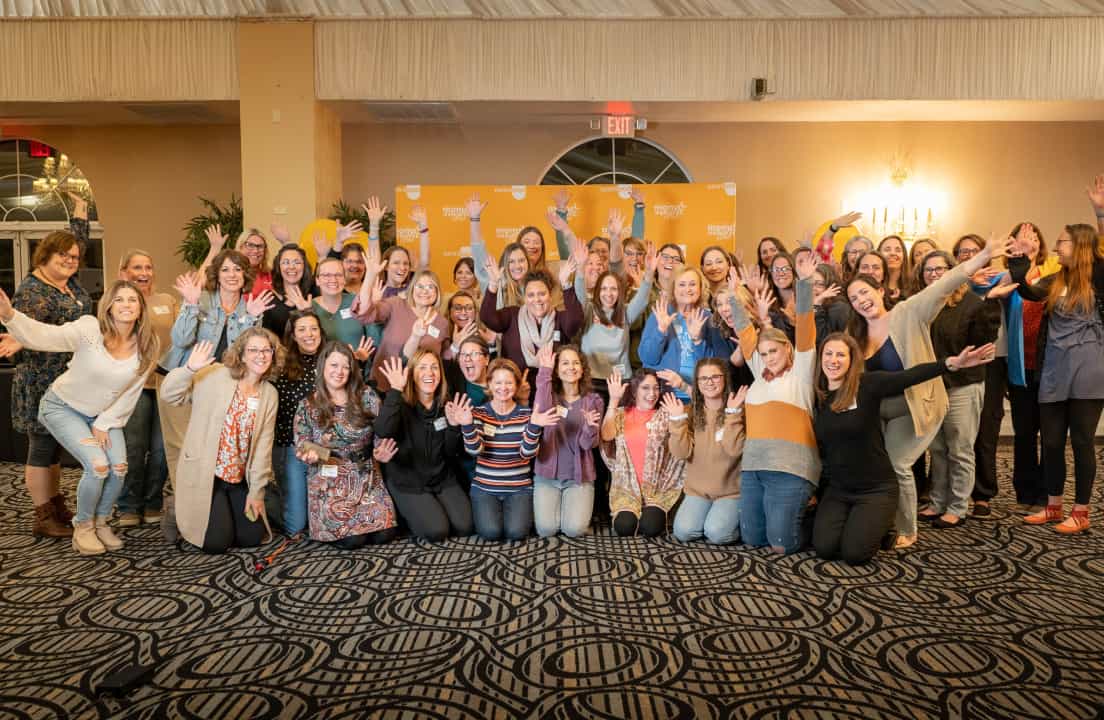
Grownup T1Ds meetups take place in everyday spaces. Events are held at sports bars, breweries, restaurants, parks and other local spots.
The goal is to create a relaxed atmosphere where adults with type 1 can feel at ease. Spouses, partners and close family members are welcome at the meetups, since diabetes often affects loved ones as much as the person living with T1D.
Several people have shared that their spouses left meetups with a better understanding of T1D.
At a typical meetup, people might compare trends from continuous glucose monitors (CGMs). They share tips for stubborn high blood sugars and discuss low alarms that go off at the worst times. They swap stories about bent infusion sets, sensor failures and fighting for insurance coverage.
They also talk about burnout, fear and the weight of long-term T1D.
There is room for both laughter and serious conversation.
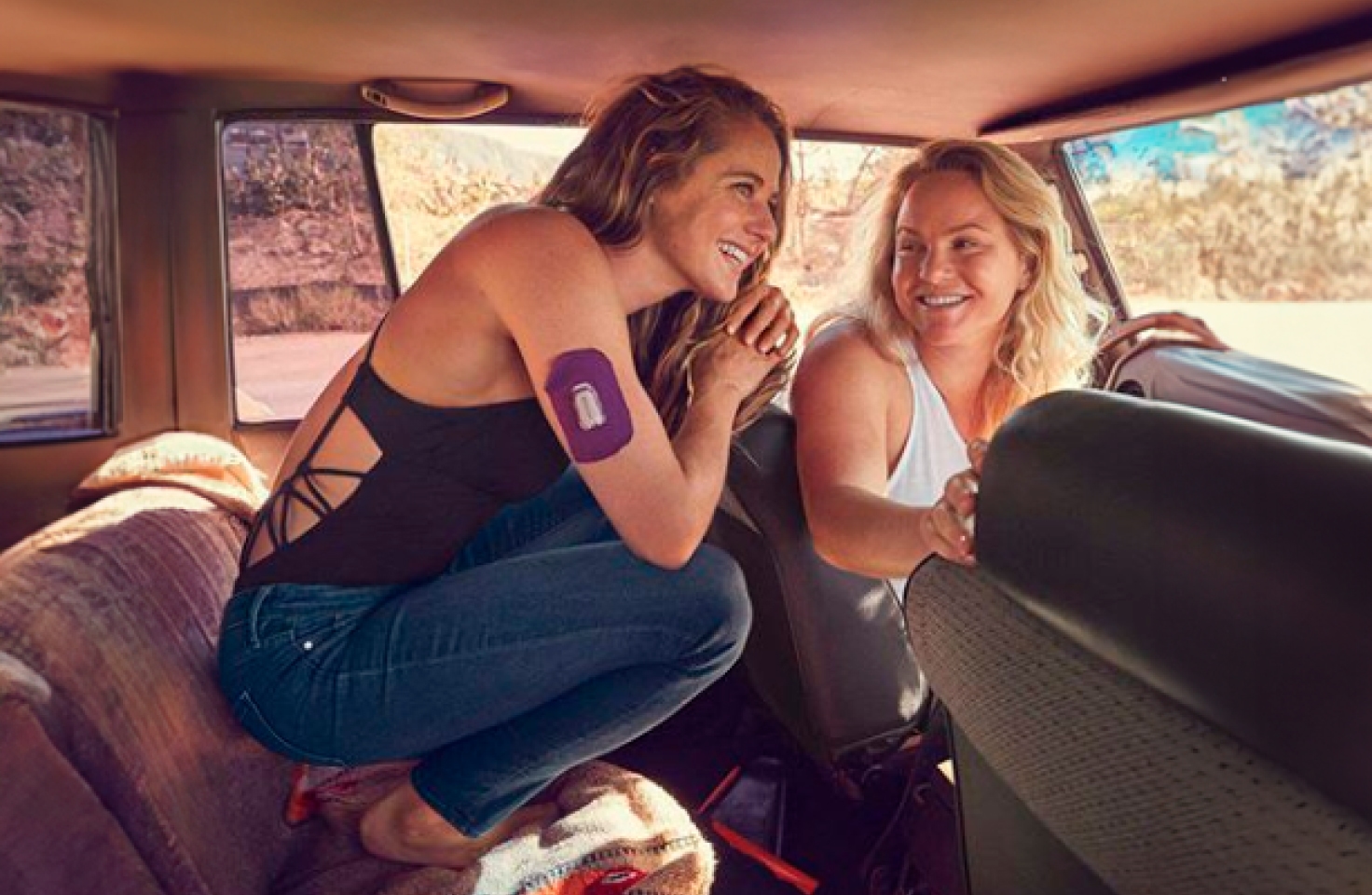
These gatherings are not like traditional support groups. There is no formal circle, and no one is put on the spot to share. People socialize and blend easily, and the diabetes talk happens naturally — someone might ask about an Eversense implantable CGM they notice, compare it to a Dexcom, or trade tips about pumps and pens, sharing experiences, frustrations and a lot of laughs.
Grownup T1Ds avoids clinical settings on purpose. Adults living with T1D are not defined by diabetes or lab results. They want to do the same fun, everyday things other people do — watch a game at a sports bar, meet for dinner at a restaurant, go for a hike or hang out at a brewery.

The goal is to make life with T1D fit into real life, not the other way around.
Many attendees are longtime T1Ds. Some are Certified Diabetes Care and Education Specialists (CDCESs) who live with T1D themselves. They do not come as clinicians, but as adults seeking community and connection, like everyone else.
Jeremy, a longtime participant, said the experience reminded him of something he didn’t know he’d been missing.
“I didn’t know a group like this existed,” he said. “Back when I was a kid at diabetes camp, I made friends, but it was only once a year. Now I can connect anytime — at events or just on my phone — and it feels like a thriving community.”
“I’m really glad this culture and environment exists,” he added. “It’s a place where we can feel we belong. I’m grateful to be welcomed and happy to support it.”
Bridget, another participant, said the emotional relief has been powerful.
“It’s the first place I’ve felt completely understood,” she said. “I can share my struggles and celebrate victories without having to explain what I’m talking about or translate every diabetes term. It’s freeing and empowering.”
How Peer Support Shapes Daily Life And Health
Community does more than make people feel less alone. Peer support connects people who live with diabetes to others facing the same day-to-day decisions.
In these conversations, people share real-life tips, talk honestly about struggles and encourage each other to keep going.
Research backs this up. An international review published in the journal Health Affairs found that peer support programs for people living with diabetes can improve blood glucose management, support healthier self-care habits and boost emotional well-being.
The benefits were evident across many groups and settings, especially when support was culturally relevant and integrated into routine care.
Peer Support as an Added Perk
Peer support does not replace medical care. But it adds something different. Hearing real-world experiences from others can lower fear, ease shame and help people feel more ready to try new strategies that fit their own lives.
Many Grownup T1Ds members describe the peer support as life-changing.
Patrick said the group helped him feel seen. “Before attending, I felt like no one understood the daily grind of T1D. Now, I have friends who know exactly what it’s like. That support has changed my outlook completely.”
Maria, another member, said the group changed how she feels about her condition. “This community reminds me that I’m not alone. It’s not just a support group; it’s a place where we can thrive, laugh and share without judgment.”
Sam, who also attends meetups, agreed. “I can ask questions I wouldn’t ask anywhere else. I can share my wins and my struggles, and people understand. That kind of support is priceless.”
National Expansion For National Diabetes Awareness Month
In November 2025, during National Diabetes Awareness Month, Grownup T1Ds expanded its peer-support model to more regions.
New chapters launched in Boston and Denver, joining a growing lineup of meetups across Southern California. Each chapter is led by local volunteers who live with type 1 diabetes. They choose venues, plan gatherings and shape the feel of their group. Grownup T1Ds, based in California, offers a common structure, guidance, and help with outreach and promotion. All chapters operate under the same nonprofit umbrella.
“Midlife and older adults living with type 1 diabetes have gone unseen for too long. When I founded Grownup T1Ds, my goal was to create a space for us. We are among the first generations to live this long with T1D, and adults diagnosed later in life have never had a community designed specifically for them. Our meetups are social, empowering and, for many, a turning point.”
We’re also in early conversations with potential volunteer leaders in Alabama, Washington, New Jersey, North Carolina and Arizona. The fact that people in so many different places are reaching out tells me this need is everywhere. Adults are hungry for local, in-person connections with people who truly understand life with type 1 diabetes.
What It Means To Be A Chapter Leader
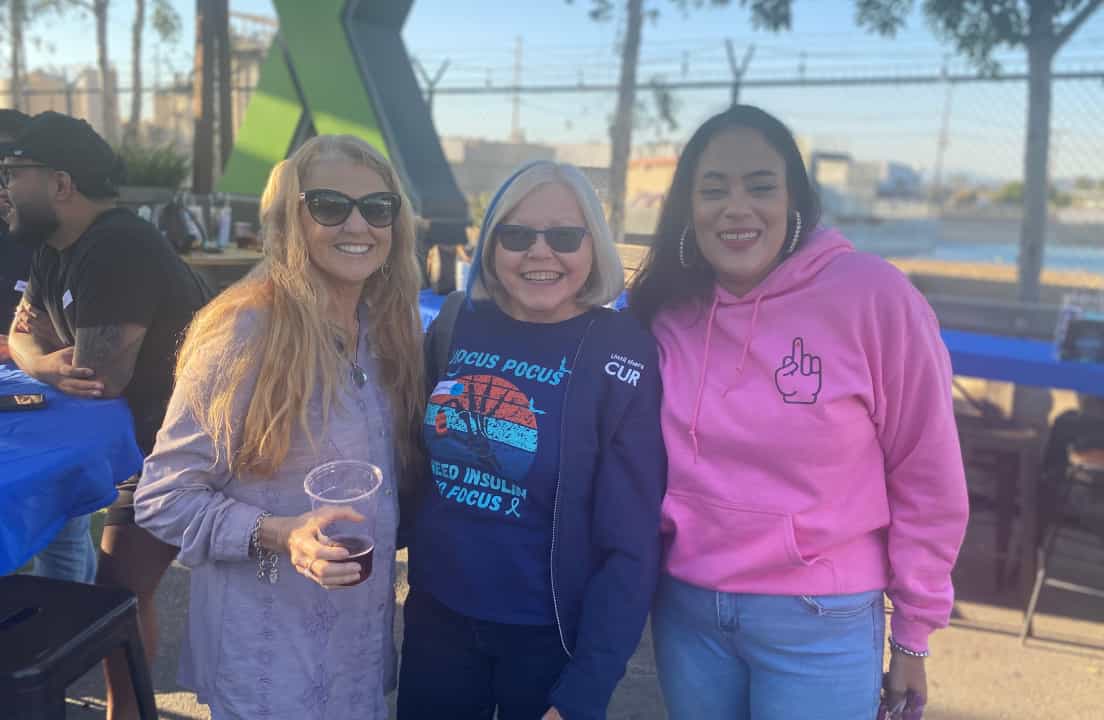
Local leadership is at the heart of Grownup T1Ds. Each chapter is run by volunteers who know their community and want to bring people together. They do not need to be perfect patients or medical experts.
Chapter leaders choose meetup locations and dates. They welcome new members and help set a friendly, inclusive tone at events. They send out announcements about upcoming meetups and often reach out to local diabetes centers and clinics so adults in their area hear about the group. Leaders stay in regular contact with Grownup T1Ds to plan, provide support, and share ideas as their local community grows.
Chapter leaders often become the go-to person for adults with T1D in their area. People look up to them, trust them and rely on them to help create a safe, welcoming space.”
In many cities, these leaders become known as the person who brings the local type 1 diabetes community together. It is a role that can be both meaningful and rewarding.
For many leaders, the work pays off in deep friendships and a stronger support network for their own lives with type 1 diabetes.
Supporting Adults With T1D In Real Life
Adults with type 1 balance many roles. They may be parents, caregivers, employees, business owners or retirees.
On top of that, they manage blood sugar checks, insulin dosing, carb counting and food decisions. They deal with device changes, insurance paperwork and supply costs.
Peer support can make this long list more manageable.
Partnering With Clinicians And The Diabetes Community
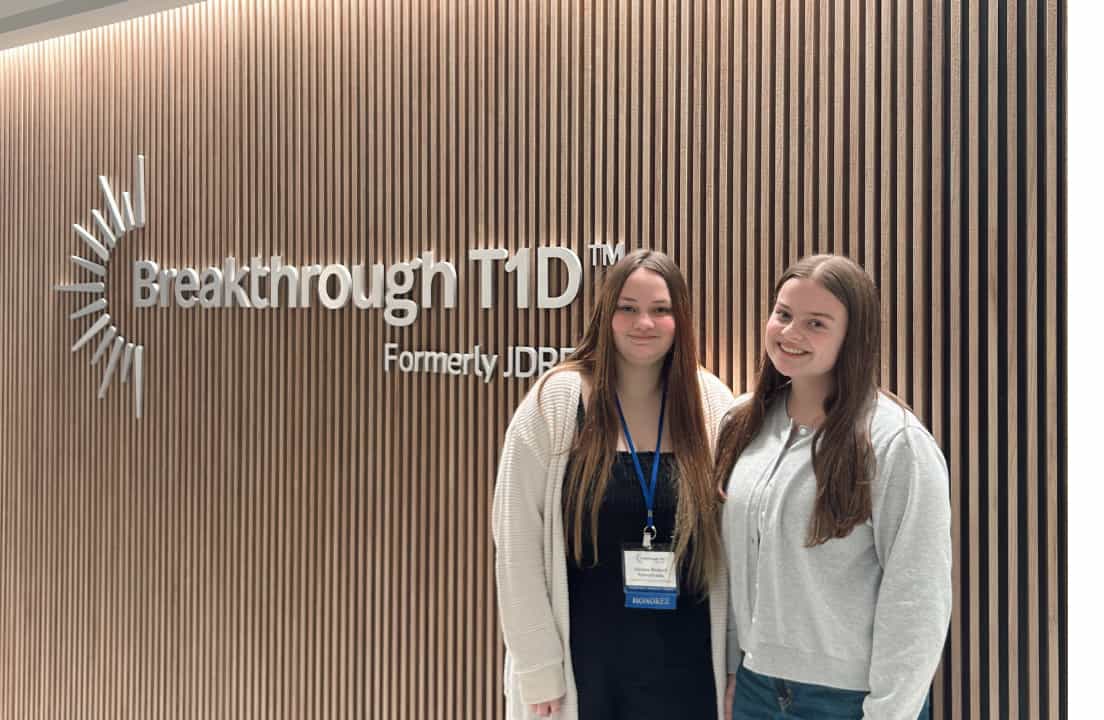
Grownup T1Ds also connects with health professionals, advocacy groups and researchers.
The organization’s board includes leaders in diabetes psychology and care from the Behavioral Diabetes Institute, as well as two longtime T1Ds who are congressional advocates. Together, they help guide the nonprofit’s focus on emotional health, stigma, policy and real-world needs for adults living with type 1 diabetes.
As more people live longer with type 1 diabetes and more adults are diagnosed with adult-onset type 1 diabetes, there is a growing need to include midlife and older adults in research and programs.
Midlife and older adults with type 1 diabetes need to be visible in studies, campaigns and conferences. Whether someone was diagnosed at age 6 or 65, their experience matters. Our community has a lot to say and teach.
Looking Ahead: Building A Stronger T1D Community
The growth of Grownup T1Ds has been fast and steady.
In recent months, my inbox has been flooded with emails and direct messages from adults across the United States, many of them asking the same question: How can we start a chapter in our city?
As the founder, I’ll admit I’ve been overwhelmed—in the best possible way. I’m running a fast-growing nonprofit, launching in new cities, and responding to messages from adults living with type 1 diabetes across the country. The volume of interest shows just how big the void has been and how deeply this kind of support is needed.
By building peer-led, in-person communities, Grownup T1Ds is helping adults living with type 1 diabetes face daily challenges with more confidence and connection. Whether someone has lived with T1D for 60 years or was just diagnosed at 40, they deserve a place to belong.
At the end of the day, it’s about walking into a room and realizing you’re not the only one. The moment someone looks around and thinks, These are my people, that’s when the magic happens.

How To Get Involved With Grownup T1Ds
There is no formal membership with Grownup T1Ds. Adults simply show up, stay connected and become part of the community.
Adults living with type 1 diabetes:
- Attend a local Grownup T1Ds meetup
- Step up as a chapter leader in their city
People who do not live with T1D but want to help can:
- Share information about Grownup T1Ds with others
- Partner on events, space or outreach
- Support the nonprofit through donations or sponsorships
Spouses, partners, family members and friends are encouraged to attend when they can, learn alongside their loved ones and be part of the community.
As the nonprofit grows, Grownup T1Ds is seeking funding, grants and donations to help keep events low-cost or free and to support new chapters in more cities. Contributions help cover things like outreach, supplies, filing fees and the behind-the-scenes work that makes in-person community possible.
By taking part, people gain access to a social, supportive peer network. To find or start a chapter, visit grownupt1ds.org or follow @GrownupT1Ds on social media. Adults and supporters who want to help launch a chapter or support the work can email: kelly@grownupt1ds.org.


.webp)

.webp)







.jpg)




.jpg)



.jpg)


%20(1).jpg)



.jpg)

.jpg)
.jpg)
.jpg)
.jpg)
.jpg)
.jpg)

.jpg)

.jpg)
.jpg)
.jpg)
.jpg)
.jpg)

.jpg)
.jpg)
.jpg)


.jpg)

.jpg)
.jpg)


.jpg)


.jpg)

.jpg)

.jpg)
.jpg)
.jpg)

.jpg)
.jpg)


.jpg)
.jpg)


.webp)
.svg)