


T1D Guide
T1D Strong News
Personal Stories
Resources
T1D Misdiagnosis
T1D Early Detection
Research/Clinical Trials
Meet Laura Pavlakovich, Founder of You’re Just My Type
You’re Just My Type, a Los Angeles-based nonprofit, advocates for mental health for individuals with type 1 diabetes through in-person events and community-building activities.
.jpg)
.webp)
Here, Laura Pavlakovich spoke to T1D Strong on how her personal journey motivated her to create a space for T1Ds to find common ground with like-minded peers.
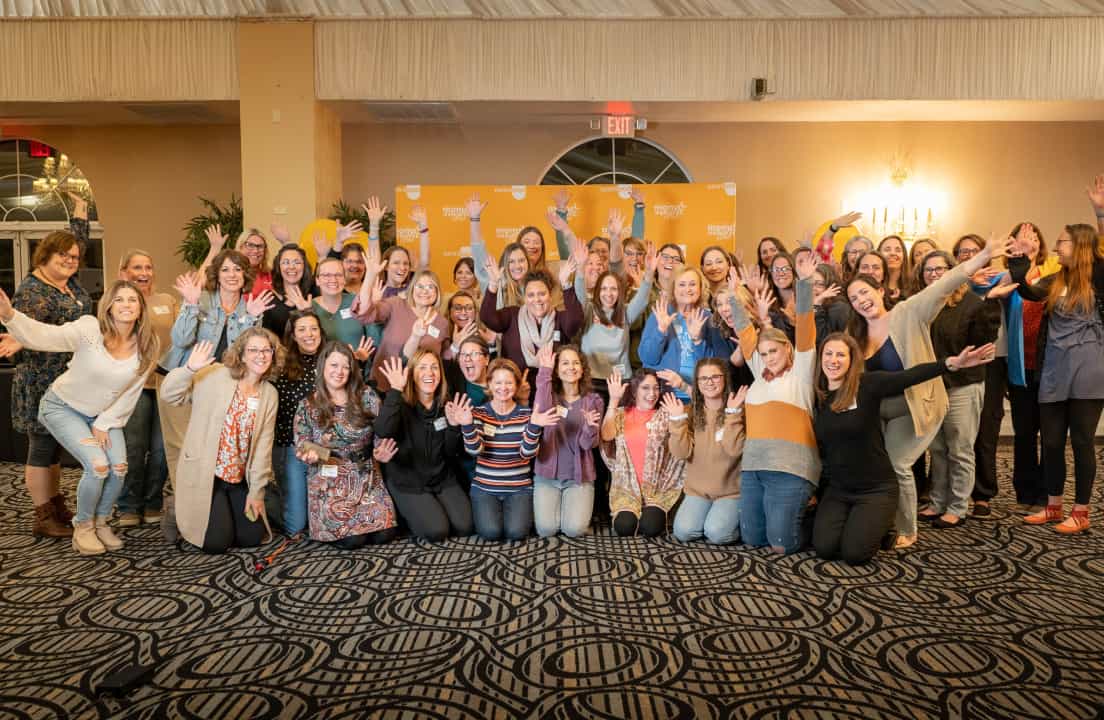
You’re Just My Type hosts year-round, free mental health events where people of all ages can learn, grow, and make friends.
The name "You’re Just My Type" (YJMT) started as a play on words but quickly became something much deeper. “I was taking portraits of people living with type 1 diabetes (T1D), and we just wanted a cute and meaningful name for the series,” Pavlakovich said. “What is so special to me now is that a name that was created for a photo project has ended up perfectly capturing our mission.”
At its core, YJMT’s guiding principle is to uplift people living with type 1 diabetes, allowing them to feel seen, supported, and embraced by the very community they’ve joined.
“When you live with a chronic illness, it’s easy to feel like the world was not really built for you, or that you are always on the outside looking in,” she said.
“Our message is the opposite. You are exactly our type. You are welcome here.”
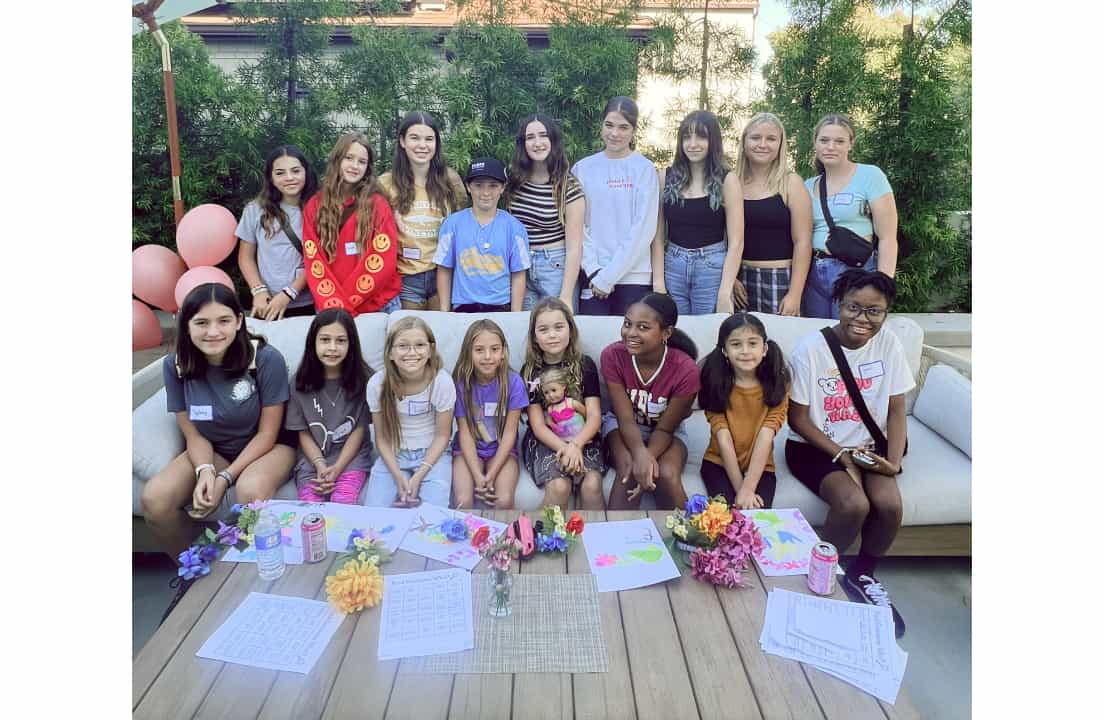
This feeling of belonging and connection is the heart of You’re Just My Type. This philosophy shapes every gathering.
You’re Just My Type Backstory
Pavlakovich founded You’re Just My Type in 2016 and began leading mental-health-focused community events full-time in 2021.
“We host free peer-led events for kids, teens, and adults across multiple cities, creating spaces where people can connect, share, and just be themselves without judgment.”
Pavlakovich admitted one of the biggest hurdles has been funding and sustainability.
Fortunately, through community support, growing partnerships and a great deal of persistence, the nonprofit is flourishing. It didn’t hurt that the organization recently received a grant from the Helmsley Charitable Trust, which has given Pavlakovich the chance to be more intentional about how they grow.
“For a long time, we’ve been focused on building community and running meaningful events, but this funding gives us the space to step back, think strategically, and really plan for the future.”
YJMT provides virtual opportunities as well as in-person gatherings, ensuring that no one living with T1D feels alone.
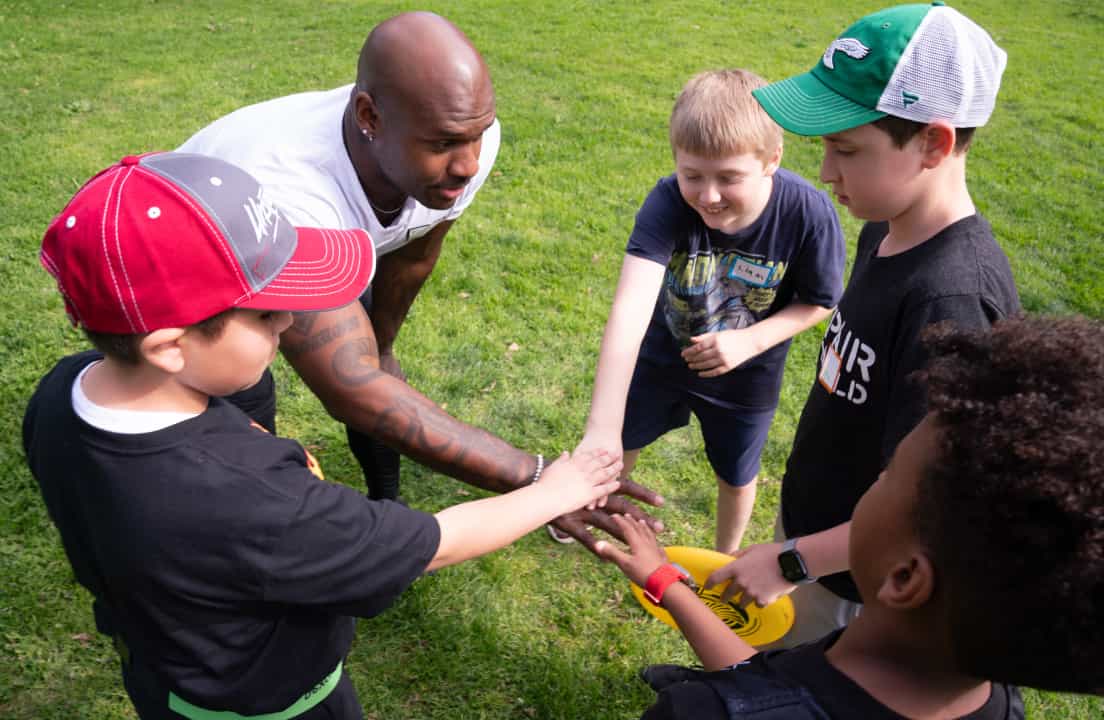
If you’re searching for mental health events or peer support meetings, YJMT is a growing community found in several cities. At the moment, most of the events and providers are in Southern California, but they are looking to expand their list even further.
The Helmsley grant awared to YJMT is specifically a capacity-building, sustainability grant focused on helping the organization strengthen its internal systems, planning and long-term strategy.
“It’s given us time to figure out how to scale what we are doing without losing what makes our community so special,” she said. “What means even more to me is what this grant represents. To be recognized by an organization like Helmsley feels incredibly meaningful, especially because our work focuses on the mental health side of type 1 diabetes.”
Most importantly, It shows that mental health is finally being seen as an essential part of diabetes care, not something separate or secondary, Pavlakovich added. “I feel incredibly honored and grateful for this opportunity. It means so much to know that this work matters and that there is real belief in what we are building.”
Pavlakovich’s Journey with Type 1
Pavlakovich doesn’t remember much about her diagnosis at age five, but she’s heard the story many times from her mom.
“We used to walk to school together, and there was a small hill along the way. One day, my mom realized I was too weak to walk up it anymore, and that was the first sign.”
Pavlakovich exhibited the classic T1D symptoms (frequent urination, illness, lethargy). Her mother took her to the pediatrician, who ran a blood panel, then straight to the children’s hospital.
“I remember hearing my mom call my dad on the phone. She was crying, and I knew something serious was happening, even though I was too young to understand it. I don’t really remember life before it (type 1). It’s all I have ever known.”
.jpg)
How YJMT Came to Be
Pavlakovich went to school for photojournalism. She never set out to become an advocate, nor did she envision her career would have anything to do with type 1 diabetes.
But fate has a funny way of pointing us in the direction we need to go. After completing a T1D portrait project, the experience blossomed into a small community.
Looking back on her childhood attending diabetes camps, Pavlakovich sought to create a similar vibe, but on a more permanent basis.
“What I always wished for was constant community, not just something that existed every summer. I wanted a space where people could feel understood and supported all year long.”
After the first event, people started reaching out and telling Pavlakovich how much it meant to them. “That is really what built everything that came next.”
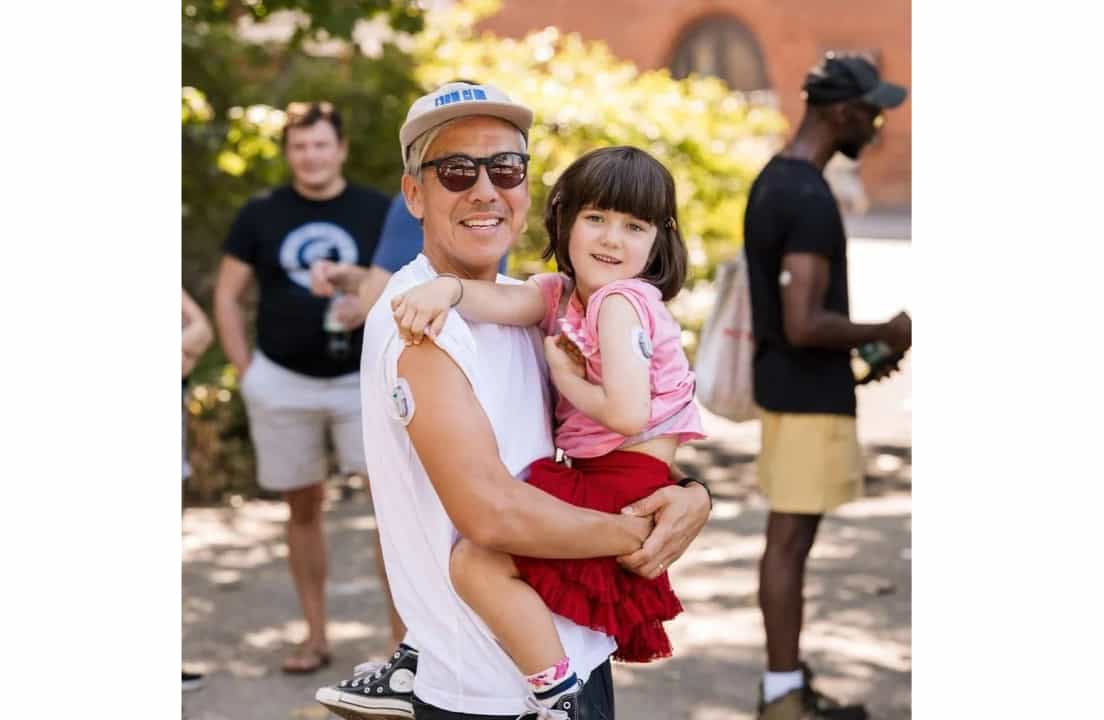
The Invisible Mental Load of T1D
YJMT events aren’t just social get-togethers. The core of the program is navigating the T1D journey, including its mental and emotional components. The most critical aspect is beyond blood sugar and is often overlooked in diabetes management: the mental health of life with T1D.
“For a long time, I felt a lot of frustration and sadness and even felt like my body had somehow failed me,” Pavlakovich said. “There are still moments when thinking about living the rest of my life with T1D feels overwhelming.”
“We need more integrated care that treats mental health as an essential part of diabetes management.”
Pavlakovich added that at times she’s needed to shift her perspective. “I remind myself that I have already lived with type 1 for almost thirty years, and I am still here, still healthy, and still able to live a full and active life. Diabetes has become such a part of who I am that there really is no version of me without it, and in many ways, it has made me more resilient and more patient with myself.”
The Emotional Weight of Burnout
Dealing with the emotional highs and lows, in addition to constant glucose checks and insulin therapy, can be taxing. Burnout is still misunderstood and sometimes dismissed as noncompliance rather than recognized as exhaustion.
Pavlakovich spent most of her life pushing through diabetes burnout, unaware of the cost.
“I still struggle with my mental health, but it has also given me a level of awareness and compassion for myself that I might not have developed otherwise,” she said. “It has been a huge learning curve, and I know this is something I will always be working through.”
What keeps her motivated on tough days is realizing the only thing that truly helps is not trying to do it alone.
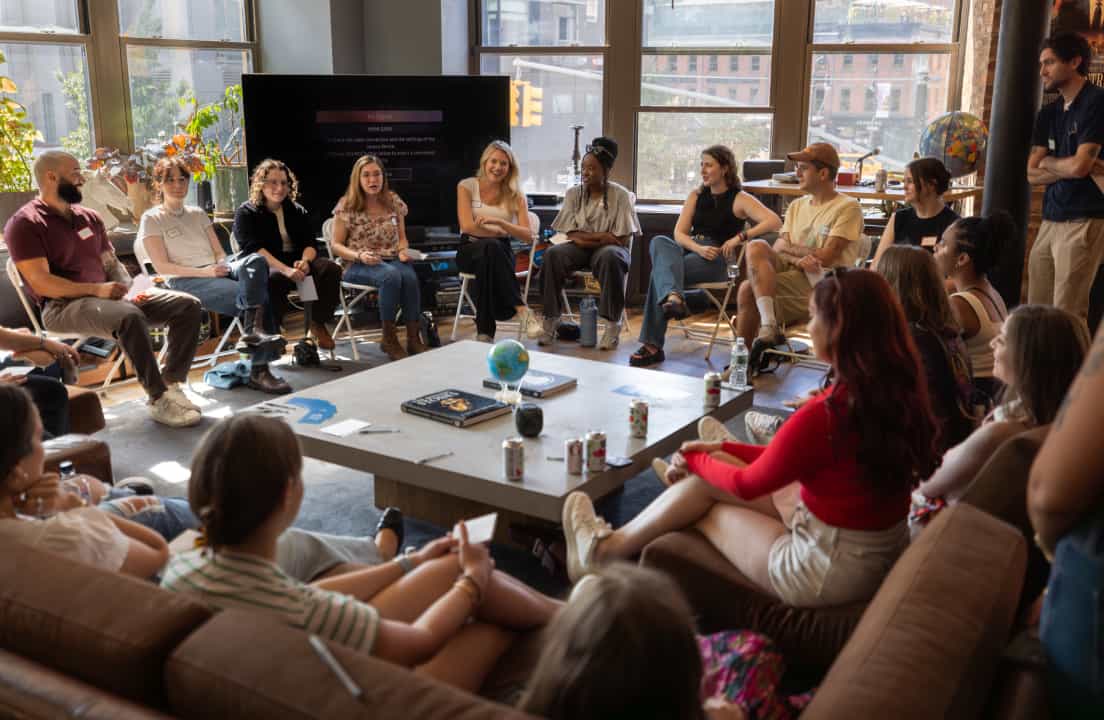
“I have an analogy that I often come back to. Living with a chronic illness, especially type 1 diabetes, sometimes feels like being dropped into the deep end of an ocean and having to tread water just to stay alive, with no shore in sight. You are not swimming toward anything. You are simply trying to stay afloat.”
“For me, other people are the life raft. My partner. My friends. Other people with type 1 that I can text on a hard day and say, ‘this is a lot right now.’”
The Mind Body Connection
A core part of T1D management that is often neglected is self-care. It’s not about venting, but about raising someone up against the emotional toll that can be overwhelming.
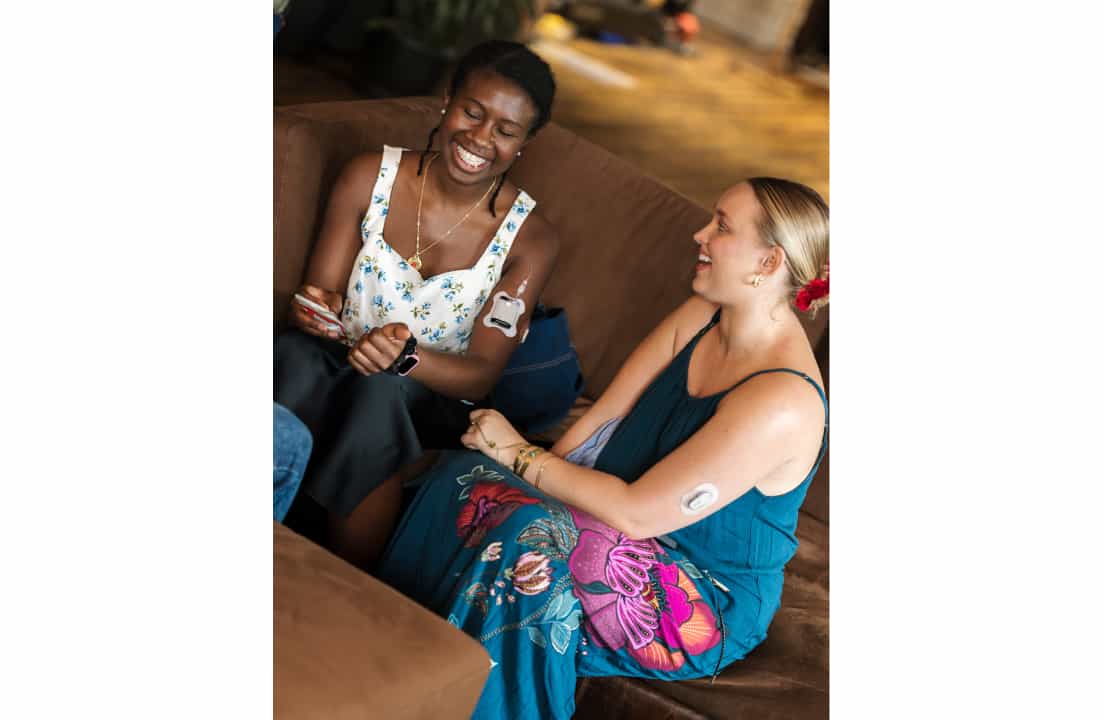
“Diabetes has also made me incredibly in tune with my body. I am constantly checking in with myself, staying on top of my health, paying attention to lab work, nutrition, and how different things make me feel. It has taught me how to listen to my body, how to take care of it, and how not to push myself when I need rest.”
T1D Myth Busters
Some common misperceptions about T1D are that lifestyle choices cause type 1, or that someone did something wrong. Another is the idea that because type 1 is manageable, it must be easy.
“The reality is that people living with type 1 often get very good at making it look easy,” Pavlakovich said.

“Outside, it can seem like we have everything under control. Even people in my own life sometimes tell me how well I handle it. But what most people do not see is the constant mental fatigue behind the scenes—the nonstop decisions, the calculations, the worry, and the fact that it never turns off.”
What the Future Holds
Pavlakovich hopes to continue building YJMT’s foundation over the next year, setting the organization up for long-term growth.
“I want to focus on strengthening partnerships, securing sustainable funding, and continuing to bring our events to new cities to reach more people.”
“One of the things I am most excited about is building an ambassador program. As we expand into new cities, we are beginning to train and support other people who can help lead our events. Having trusted people help run these spaces feels like a really important next step and will allow us to reach so many more people in a meaningful way.”
Compassion Has a Ripple Effect
It gives Pavlakovich hope to see that mental health is finally being recognized and that people are embracing T1D communities. The new ADA Standard of Care 2026 called on healthcare professionals to pursue broader mental health treatments.
“For so long, the focus has been almost entirely on numbers, technology, and finding a cure, and while those things matter, the emotional side matters just as much. I am encouraged by the shift toward more holistic care and by the way community-based support is growing. I really believe that no one is meant to live this life alone, and especially not with a chronic illness.”
Why Community is Vital
“If there’s one thing I’ve learned through all of this, it’s that community is one of the most powerful forms of medicine we have. When people feel seen and supported, it changes everything.”
.jpg)
Asking for help, venting, or just knowing someone understands me gets me through the hardest days. Humans need other people more than we realize, and finding your people, no matter how big or small that circle is, has been the single most important thing for me.”


.webp)

.jpeg)












.jpg)




.jpg)




%20(1).jpg)




.jpg)
.jpg)
.jpg)
.jpg)
.jpg)
.jpg)
.jpg)
.jpg)
.jpg)
.jpg)
.jpg)
.jpg)
.jpg)
.jpg)
.jpg)

.jpg)
.jpg)
.jpg)
.jpg)
.jpg)
.jpg)

.jpg)

.jpg)
.jpg)
.jpg)
.jpg)

.jpg)
.jpg)

.jpg)
.jpg)
.jpg)


.webp)
.svg)