


T1D Guide
T1D Strong News
Personal Stories
Resources
T1D Misdiagnosis
T1D Early Detection
Research/Clinical Trials
A Mother’s Persistence Can Move Mountains: Mia’s Mother’s Story
When Miroslava Calegari became the mother of a child with type 1 diabetes, her world changed completely. Every decision, every word, every daily routine mattered. This is the story of how she turned her personal journey into a source of support, hope, and community for other families.
.jpg)

The Power of Moms
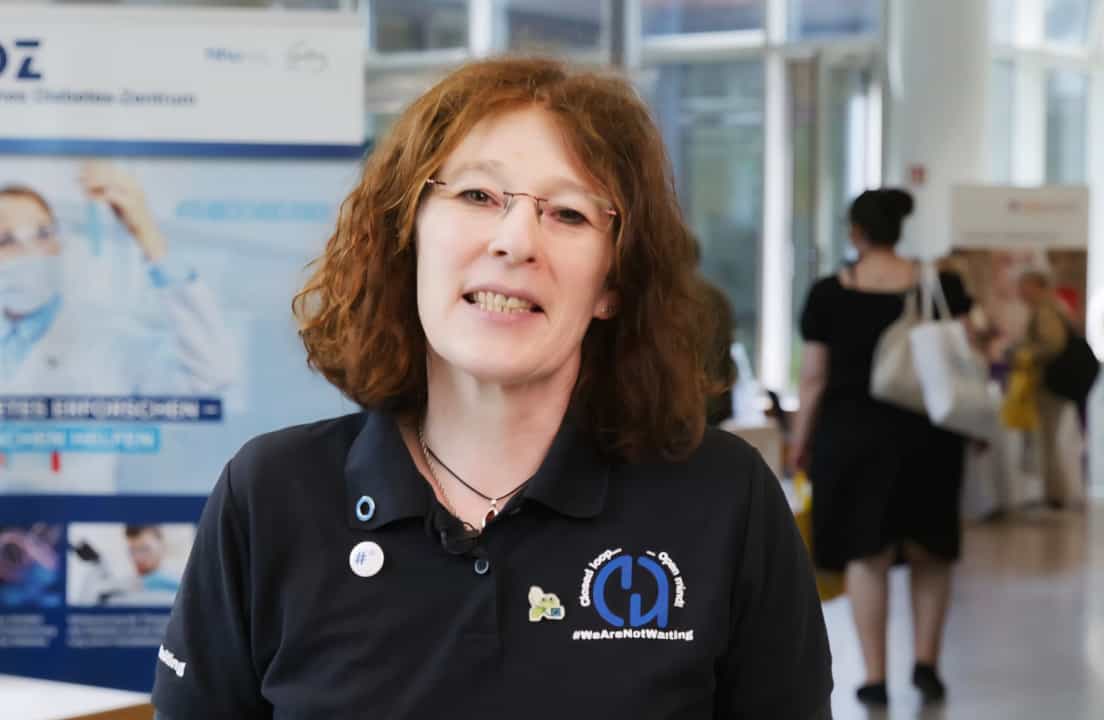
When I first met Miroslava Calegari at the International Society for Pediatric and Adolescent Diabetes (ISPAD) Congress in the Netherlands in 2023, I had no idea that she didn’t live with diabetes herself. It’s a moment that surprises many—people often assume she has diabetes, given how deeply involved she is in this world, how knowledgeable and committed she is every single day.
But what drives her is the diagnosis of her daughter, Mia, with type 1 diabetes (T1D) and the constant learning and advocacy that come with it. It’s far from unusual to see mothers actively shaping the diabetes community, not just locally but globally. I’ve met many who have founded leading national diabetes organizations or spearheaded initiatives that impact policy and care worldwide.
In Argentina, for example, diabetes legislation was driven by a group of mothers who refused to accept the status quo.
This introduction seems fitting because what a mother achieves for her child with diabetes often knows no limits. Every action, every advocacy effort, and every ounce of energy is fueled by love, determination, and the daily realities of raising a child with type 1 diabetes.
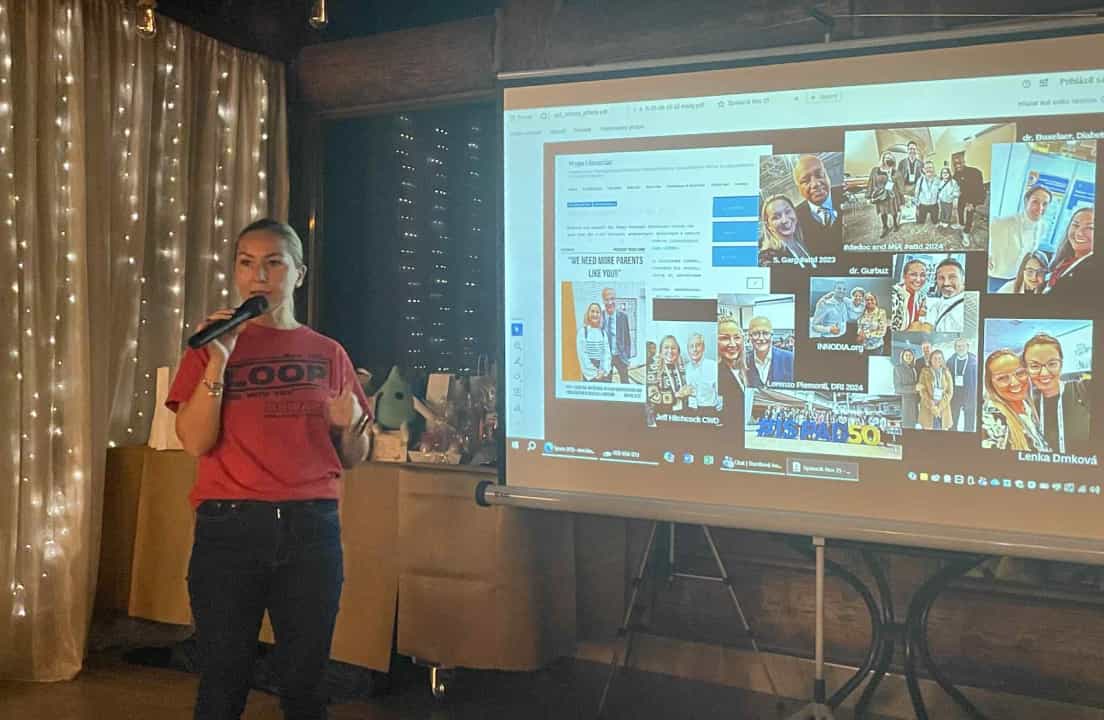
How Type 1 Diabetes Entered Mirka’s Life
Miroslava, often called Mirka by friends and colleagues, recalls the moment her daughter, Mia, was diagnosed during a routine health check in Slovakia. “It was a complete shock.” Despite her nursing background, she had not expected to face diabetes so intimately. Her husband was equally affected, recalling stories of colleagues who had lived with diabetes for decades. The reality of a child suddenly needing daily insulin, monitoring, and care was overwhelming.
The diagnosis was immediate and urgent. Mia had to begin insulin therapy without delay, and the hospital stay that followed was filled with new routines, complex instructions, and the difficult task of explaining injections to a young child. For Mirka, this was a crash course in the emotional and practical realities of parenting a child with T1D—lessons no textbook or nursing program could fully convey.
From Personal Experience of Community Support
Mirka quickly embraced the learning curve. She immersed herself in understanding diabetes management, not just from a clinical perspective but from a parent’s perspective. Every pump setting, every glucose reading, every carbohydrate calculation became part of her daily life.
Accessing advanced technology was not simple. Continuous glucose monitors (CGMs) and insulin pumps, which today are seen as essential tools for many children with T1D, were difficult to obtain in Slovakia. Mirka’s determination, however, made it happen. She navigated numerous centers, connected with producers, and advocated persistently until Mia had access to the technology that would make daily management safer and more manageable.
“Patience and persistence are key,” Mirka reflected. “Sometimes the system is slow, but a mother’s persistence can move mountains.”
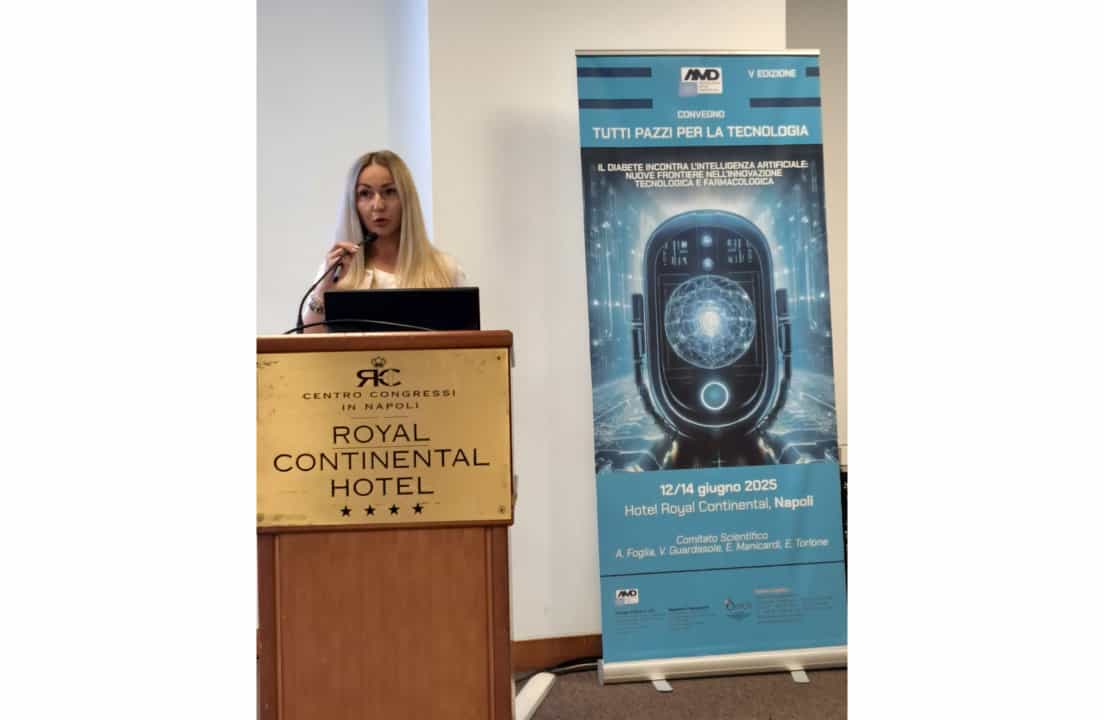
Why Screening and Early Detection Matter
For Mirka, screening and early detection are life-changing. They can give families time—time to prepare emotionally and understand what is coming before a crisis happens. She believes that every family deserves clear explanations and actionable steps when screening shows early risk.
After Mia’s diagnosis, Mirka faced another critical decision: whether to screen her younger son for type 1 diabetes autoantibodies. Early detection can provide families with crucial time to prepare emotionally and understand what lies ahead before a crisis occurs.
The results were negative, a relief for the family, but the process reinforced Mirka’s belief that early testing is a must. She emphasizes that families should not wait for symptoms to appear. Detecting risk early allows parents to plan, educate, and make informed decisions, preventing complications and reducing anxiety.
In addition, she has joined INNODIA as an INPACT associate, allowing her to contribute to clinical trials and stay updated on the latest developments in disease-modifying therapies for type 1 diabetes. When asked if she would recommend screening, she said yes to everyone; it is something she has deeply internalized, and it was a pleasure to speak with her about something so crucial.
“Waiting without guidance is not enough. Families need support, options, and clarity to face what lies ahead with confidence.”
Words Also Matter
Throughout her journey, Mirka realized that language shapes the experience of diabetes. Words can empower or wound. Terms like “diabetic,” “failure,” or “noncompliant” can create shame instead of support.
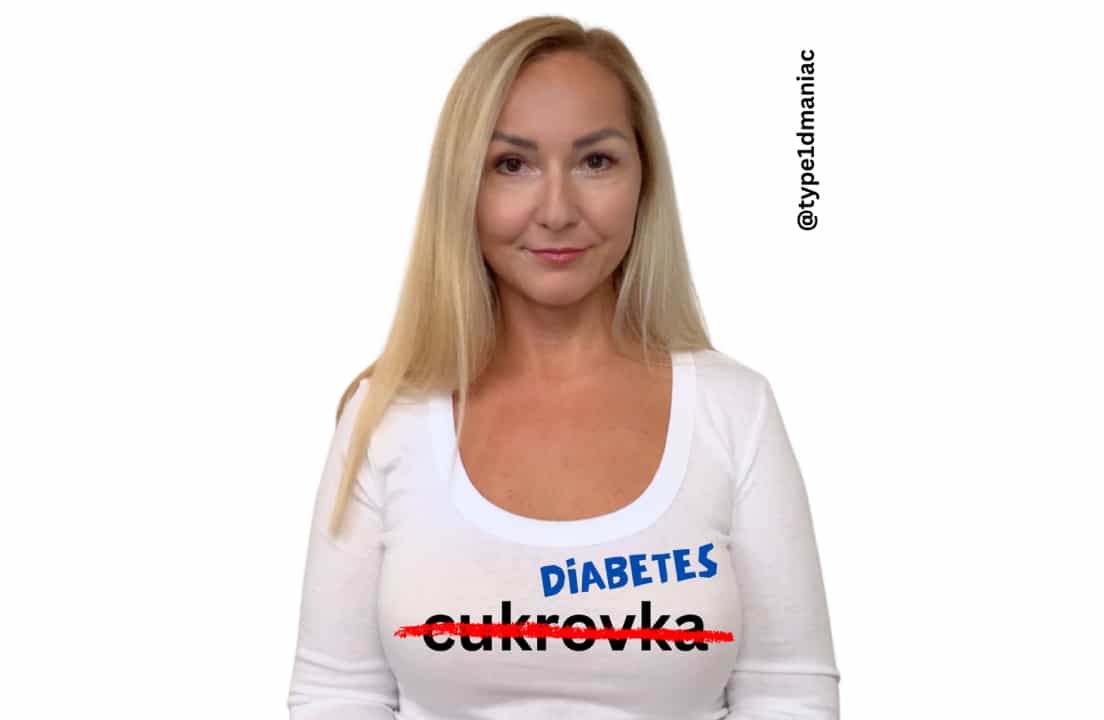
She learned that respectful, human communication is essential, both within families and with healthcare providers. The way a parent or clinician speaks in those first weeks can influence confidence, emotional resilience, and the child’s experience of living with T1D for years to come.
Bridging Research and Open-Source Technology
Mirka is active in both research networks and open-source diabetes technology communities. Research brings evidence and structure, while community-driven solutions respond to real needs every day.
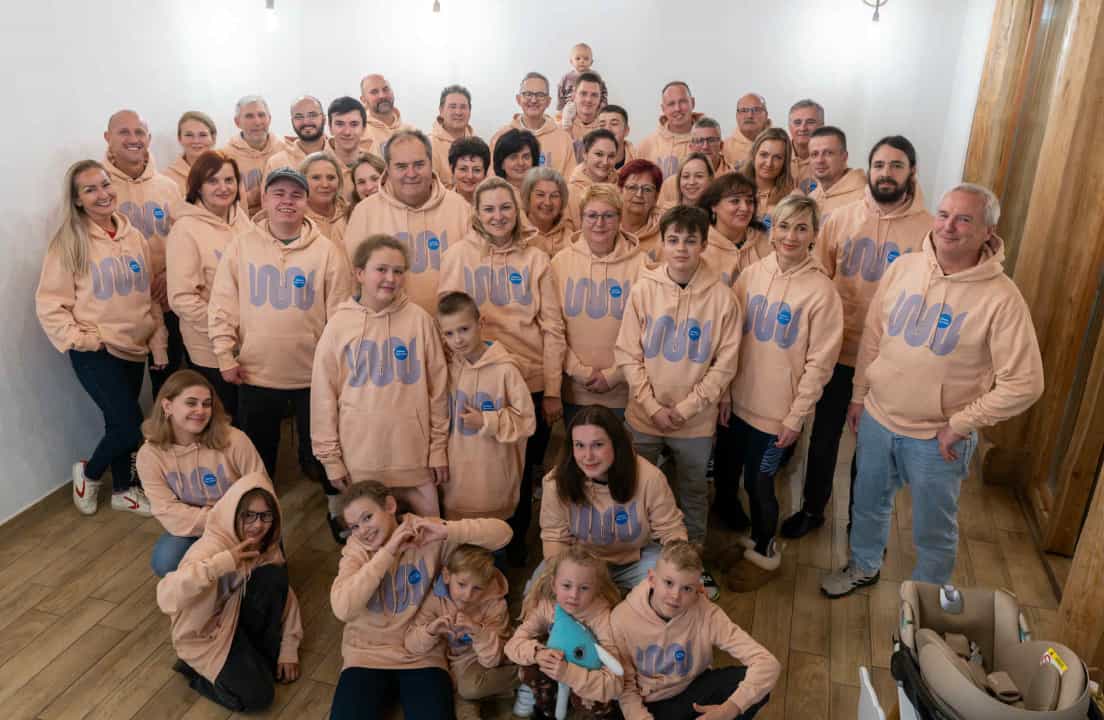
Her role is often as a bridge—making sure families’ lived experiences are heard and included in the conversation about treatment, technology, and care.
What Families Newly Diagnosed Need Most
Families need reassurance that feeling scared or overwhelmed is normal. They need time, clear explanations, and guidance on what matters now and what can wait.
It’s not about giving more information—it’s about giving information the right way, at the right pace. Mirka ensures families’ voices are heard in discussions about treatment, technology, and care. Her advocacy helps innovations become both safe and practical, empowering families to integrate them successfully into daily life.
Leading Through Community
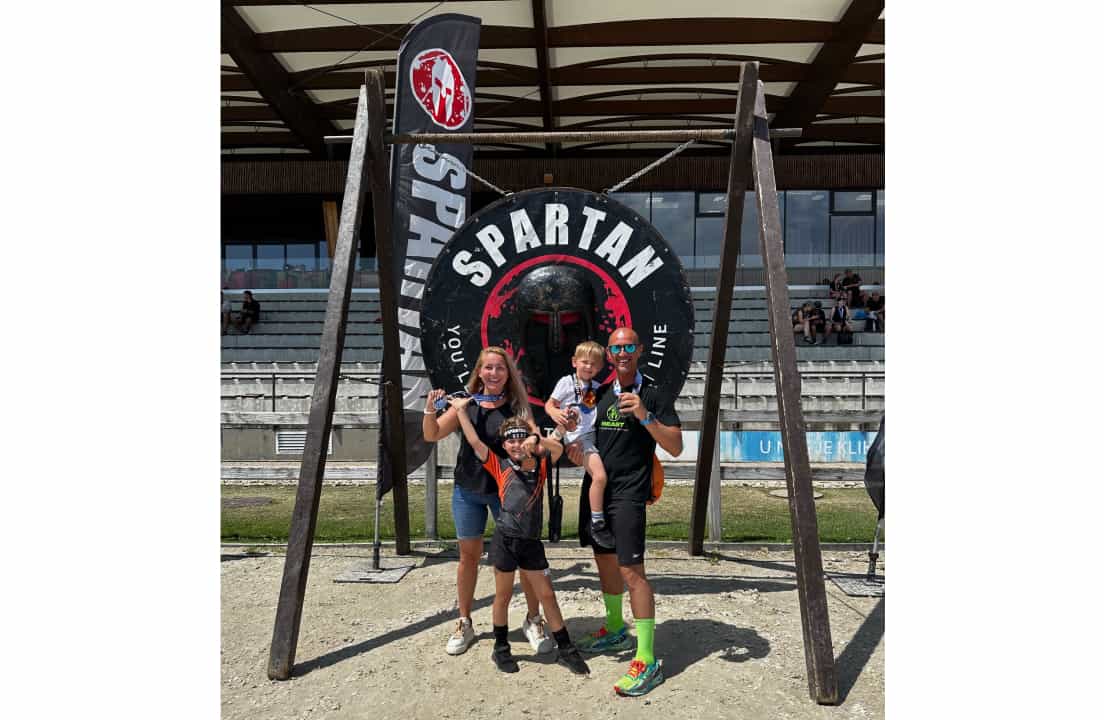
Mirka’s story is ultimately one of human resilience. She has learned that patience, love, and clear communication can transform fear into empowerment. She has turned personal experience into advocacy, community building, and education, reminding families that support is available and that their journey need not be solitary.
Progress in diabetes care, she believes, is measured not only in medical metrics but in strengthened hearts, confident families, and connections forged in shared understanding.
In the end, the real success is measured in human connection, empathy, and the knowledge that no one faces this journey alone. With guidance, patience, and a supportive community, families living with type 1 diabetes can not only survive—they can thrive.


.webp)

.jpeg)

.webp)


















.jpg)






.jpg)




%20(1).jpg)



.jpg)
.jpg)
.jpg)
.jpg)
.jpg)
.jpg)
.jpg)
.jpg)
.jpg)
.jpg)
.jpg)
.jpg)
.jpg)
.jpg)

.jpg)
.jpg)
.jpg)
.jpg)
.jpg)

.jpg)

.jpg)
.jpg)

.jpg)

.jpg)
.jpg)


.jpg)
.jpg)


.webp)
.svg)