


T1D Guide
T1D Strong News
Personal Stories
Resources
T1D Misdiagnosis
T1D Early Detection
Research/Clinical Trials
Diabetes Collective's Rachael Sood on Type 1 Diabetes Screening, Prevention and Early Detection
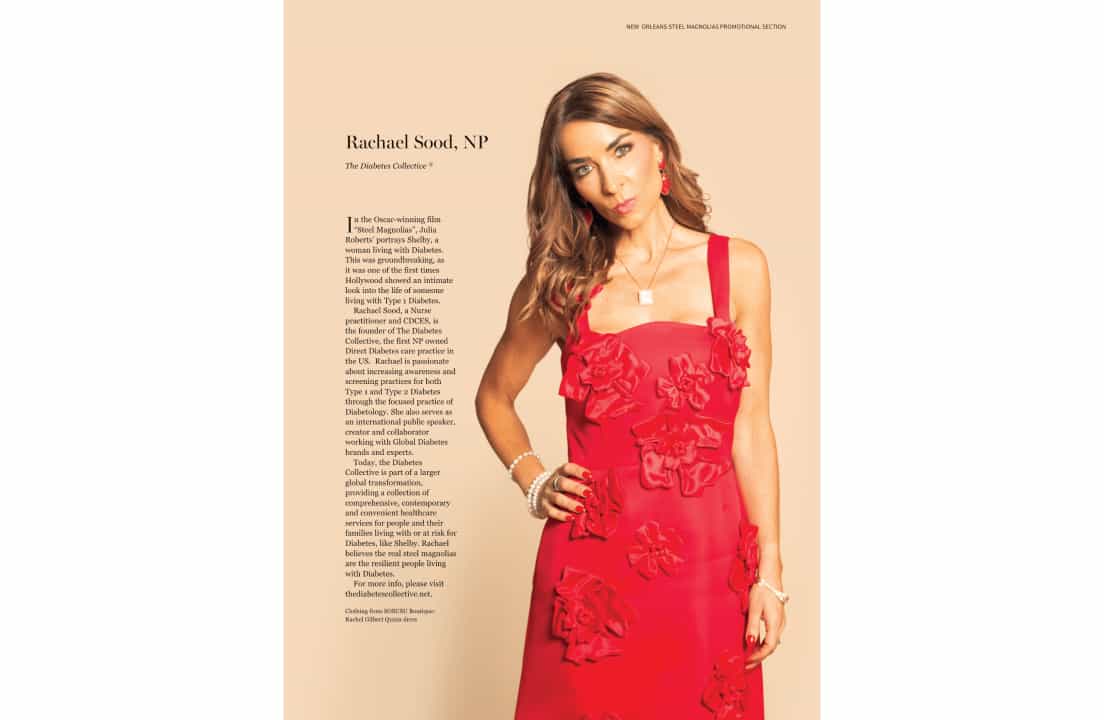
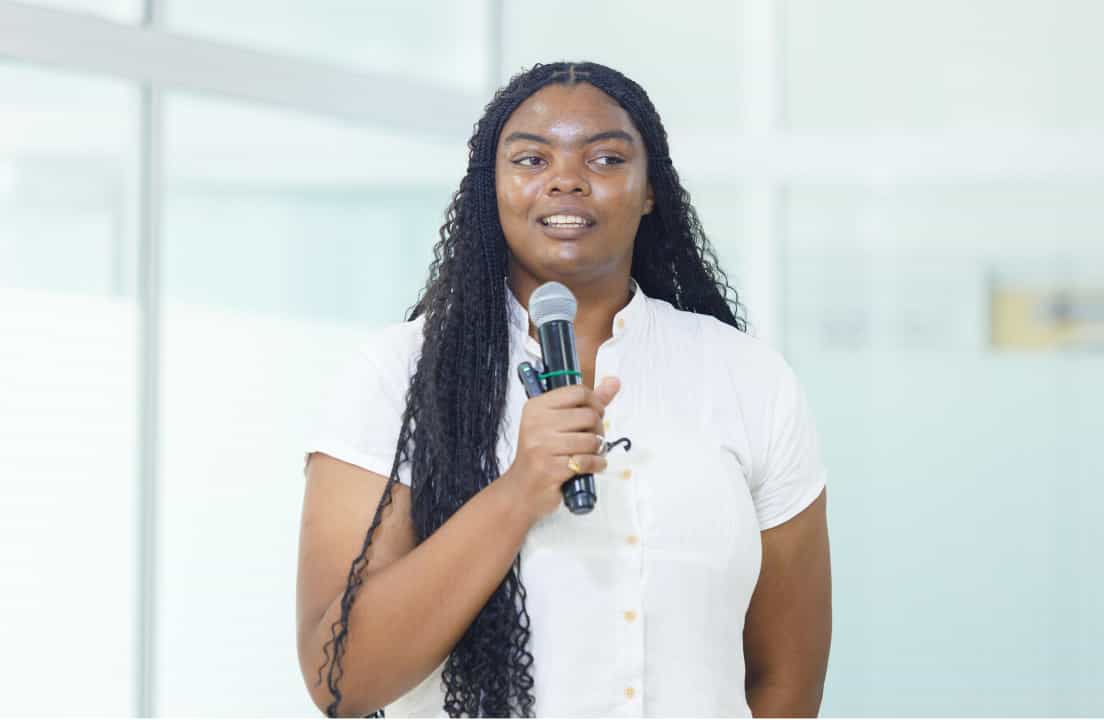
Type 1 diabetes is often diagnosed in crisis, but nurse practitioner and diabetologist Rachael Sood is working to change that pattern. By focusing on type 1 diabetes screening, early detection and prevention science, Sood is reshaping how type 1 diabetes is identified and managed long before insulin becomes necessary.
.jpg)
.jpeg)
Her work blends prevention research, diabetes technology and relationship-based care to challenge long-held assumptions about when type 1 diabetes (T1D) truly begins.
A Career Shaped By Evolving Diabetes Care
Sood did not originally set out to specialize in diabetes care. “I didn’t choose diabetes care,” Sood said. “It kind of chose me.” She became a nurse in her early 20s and spent much of her early career in intensive care, including cardiac intensive care units. Working in South Louisiana, she treated patients living with obesity, high blood pressure, high cholesterol and diabetes, often layered together in complex cardiometabolic cases.
“I fell in love with cardiometabolics,” Sood said.
After earning her graduate degree, Sood hoped to work as a nurse practitioner (NP) in cardiac care. Without prior NP experience, securing those roles was difficult. She worked instead in liver and kidney transplant, then neurology and neurosurgery. Eventually, she transitioned into primary care, expecting a more balanced schedule. What she found was one of the most demanding specialties in medicine.
“Primary care is honestly the hardest specialty you’ll ever do,” Sood said. “You have to know everything about everything.”
In her region, diabetes management frequently fell to primary care providers because endocrinologists were scarce. Whether providers felt prepared or not, patients still needed insulin adjustments and guidance. “I ended up teaching myself how to manage diabetes and dose insulin,” she said. “There was nobody else to do it.”
Over time, repetition built confidence. Confidence built curiosity. Curiosity turned into commitment. “I realized I was different,” Sood said. “Not everyone liked managing diabetes, but I did.”
That realization led her to an endocrinology clinic, where her focus sharpened. It was there that type 1 diabetes became central to her work. “I fell in love with helping people living with T1D,” Sood said.
“I saw repeatedly that people were misdiagnosed or just needed more one-on-one care. There was a huge emotional aspect lacking.”
At the same time, diabetes technology was rapidly advancing. Continuous glucose monitors (CGMs) and automated insulin delivery (AID) systems were emerging, and many clinicians were still learning how to use them effectively.
.jpg)
“I enjoyed the challenge,” Sood said. “I enjoyed helping people solve problems they had been dealing with for years.”
Rethinking When Type 1 Diabetes Begins
For decades, type 1 diabetes has been framed as a sudden condition. Symptoms appear. Blood sugars rise. Insulin becomes necessary. Diagnosis often follows acute illness. Sood believes that narrative is incomplete and outdated. In her view, defining T1D by the moment someone requires insulin misses the true beginning of the disease.
“This idea that type 1 diabetes starts when someone shows up in diabetic ketoacidosis (DKA) is one of the most bizarre things I’ve ever heard,” Sood said.
“Type 1 starts when the immune system starts attacking. That’s the beginning. Not when someone is dying in the emergency room.”
T1D is an autoimmune disease. The process begins when the immune system targets and gradually destroys beta cells in the pancreas. That attack can start years before blood sugar levels rise to diagnostic thresholds. For many individuals, the autoimmune activity may be present long before symptoms appear.
Research now shows that T1D progresses in stages. In stage one and stage two, individuals may test positive for multiple autoantibodies while maintaining normal or only slightly abnormal glucose levels. Insulin is not yet required. In some cases, this early stage can last for years before progressing to insulin dependence.
“Just because blood sugar looks normal does not mean nothing is happening,” Sood said. “The disease process can be there long before anyone feels sick.”
Sood has been screening for type 1 diabetes autoantibodies for six to seven years. As staging models and prevention research evolved, she began incorporating early detection into her clinical practice. She recognizes that this approach can feel unfamiliar to some clinicians and patients, but she believes it reflects current science.
“For some people, this is new information,” Sood said. “But it’s not new science. We just have not talked about it enough.”
She is deliberate in challenging the idea that insulin marks the beginning of type 1 diabetes. While insulin remains essential and lifesaving for those in later stages, Sood believes early identification creates opportunities for education, monitoring and, in some cases, intervention before multiple daily injections are required.
.jpg)
“Needing insulin is not the beginning,” she said. “It’s a later stage.”
By redefining when T1D truly begins, Sood hopes to shift how clinicians approach screening, prevention and patient conversations. For her, acknowledging the autoimmune attack as the starting point changes everything about how early T1D detection should be prioritized.
Why Type 1 Diabetes Screening Is Not Yet Standard
Despite growing evidence supporting early detection of T1D, screening is not routine in the United States. Sood believes several factors contribute to that reality.
“Change takes time and money,” she said. “And we have a serious equity problem in our health care system.”
Outdated perceptions also play a role. For years, T1D was labeled juvenile diabetes. That label persists, despite evidence showing that new diagnoses occur most frequently in adults between ages 20 and 69.
“T1D is not just a childhood condition,” Sood said.
Simple lab tests exist to screen for autoantibodies. Many are covered by insurance. Yet they are not widely used. “I think clinicians do not screen because they simply do not know,” Sood said. “If more people understood this, they would absolutely do it.”
Early detection of T1D can reduce trauma and help prevent diagnosis during an emergency. It can allow families to plan, monitor and make informed decisions.
T1D Screening may:
• Reduce risk of DKA at diagnosis
• Provide time for education and preparation
• Allow consideration of prevention therapies
• Improve emotional readiness
“These conversations should not begin in the emergency room,” Sood said.

The Emotional Impact Of Delayed Diagnosis
When individuals learn that earlier detection might have been possible, the emotional response is intense. “They’re angry,” Sood said. “They feel hurt. And ultimately, they feel betrayed.”
Managing type 1 diabetes requires constant vigilance. Sleep disruption, financial strain and decision fatigue are common. Even with advanced insulin and diabetes technology, the burden remains significant.
“It takes so much time, money and energy just to stay alive,” Sood said. “So to find out someone might have helped sooner is devastating.”
Much of this processing now unfolds online. Sood hears directly from mothers and newly diagnosed adults who are searching for clarity. “They all say the same thing,” she said. “No one told them.”
What Diabetology Means In Modern Care
Sood describes her work as diabetology-focused. In the United States, diabetology is not a formal board certification but a focused scope centered entirely on diabetes care. As a nurse practitioner, she diagnoses, prescribes and manages treatment. As a certified diabetes care and education specialist (CDCES), she integrates behavioral and educational support.
“Diabetes has evolved,” Sood said. “Care has to evolve with it.”
Endocrinology spans the entire endocrine system. Sood believes diabetes alone has grown complex enough to require deeper specialization. “Diabetology allows someone to focus entirely on diabetes,” she said. “From insulin management to prevention therapies, it is all connected.”
Continuity reduces fragmentation. Patients avoid multiple referrals and the need for repeated explanations. “It helps to have one person who understands the whole process,” Sood said.
Building The Diabetes Collective
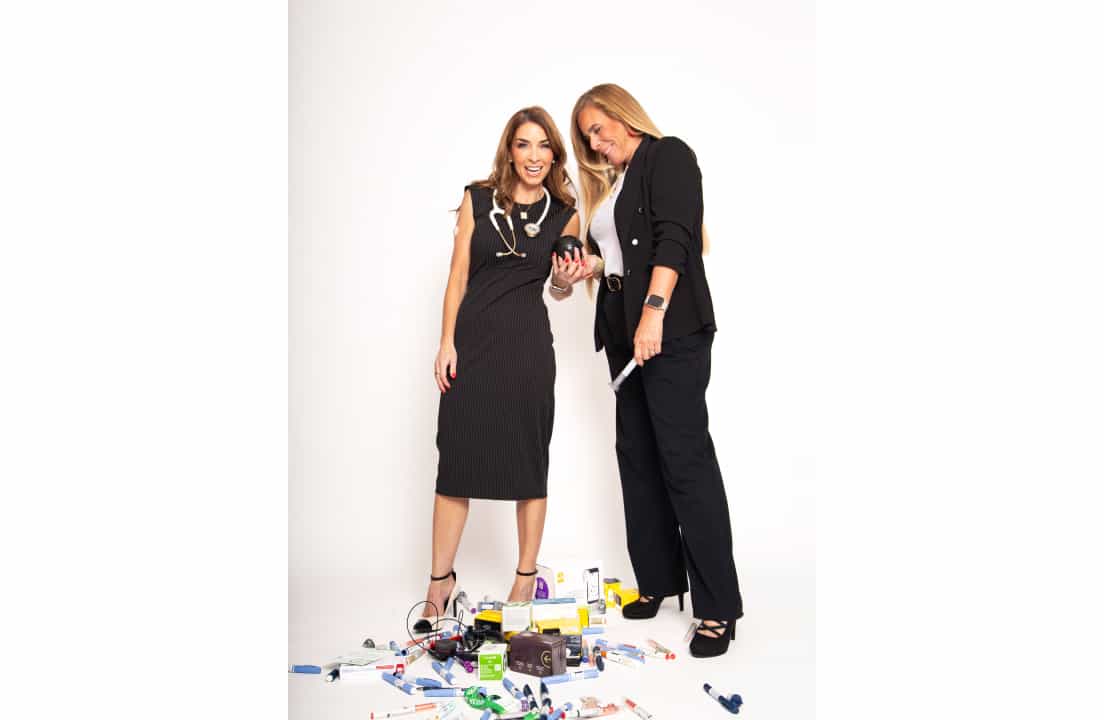
In 2024, Sood launched The Diabetes Collective, a direct care diabetology consulting practice designed to address gaps in traditional systems. The model offers flexible care delivery, including in-person visits, virtual appointments and phone consultations. It also allows longer visits when needed.
“In managed care systems, you might see 20 or 30 patients a day,” Sood said. “That does not work for diabetes.”
Direct care allows her to focus on depth rather than volume. It also supports prevention education, clinical trial engagement and professional collaboration.
“I felt called to do something new,” she said. “To serve the diabetes community in a bigger way.”
Prevention Science And Type 1 Diabetes Delay
Sood speaks about prevention science with urgency and caution. She is careful not to overpromise. “This is not about promising a cure,” she said. For her, the conversation begins with understanding how T1D develops long before insulin becomes necessary.
When autoantibodies are present in stage one or stage two, the autoimmune process is already underway. Blood sugar may still appear normal or only slightly abnormal. Insulin may not yet be required. Sood believes that the window deserves attention.
“If we know the immune system has already started the attack, why would we wait?” she said.
Her approach includes monitoring individuals in stage one and stage two closely and discussing evidence-based options as they become available. In some early-stage three cases, she carefully evaluates whether insulin therapy must begin immediately or whether additional assessment and short-term monitoring are appropriate.
While insulin remains essential and lifesaving for many people, she believes conversations about progression and early identification should not begin only after emergency presentation.
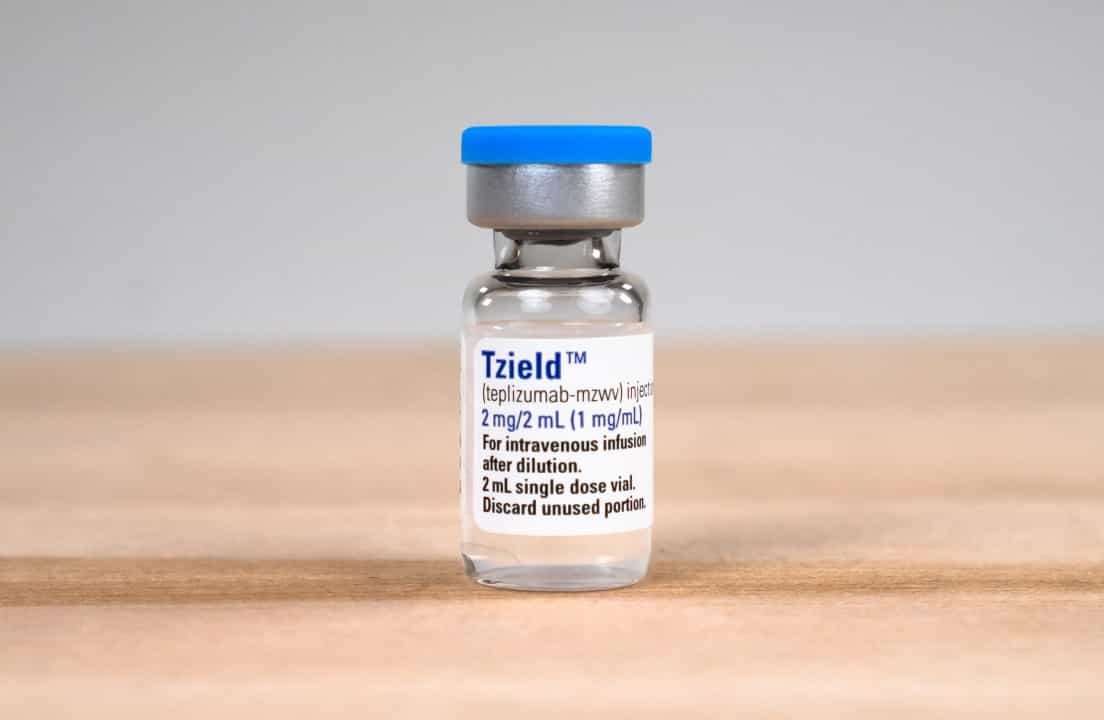
Sood is involved in clinical trials and discusses teplizumab with eligible patients. She sees these therapies as part of a broader shift toward recognizing T1D earlier and responding based on staging rather than waiting for a metabolic crisis.
“We’re not just reacting anymore,” Sood said. “We’re learning how to intervene.”
Early Intervention is Critical
She emphasizes that even temporary preservation of beta cell function can influence how someone experiences the disease. It may reduce instability and give individuals time to prepare, learn and adjust before full insulin dependence develops.
One patient case reflects that philosophy. A woman with multiple autoimmune conditions experienced persistent fatigue. Her hemoglobin A1C was normal, but a fasting glucose reading in the 200s was overlooked. She later went to the emergency room and tested positive for GAD antibodies. She was prescribed insulin and told there were no other treatment options.
Through additional antibody testing and continuous glucose monitoring, Sood identified stage two type 1 diabetes. The patient did not yet require insulin. Sood prescribed teplizumab, administered at home over 14 days.
“She was missed,” Sood said. “But we were able to change the trajectory of her life.”
One year later, the patient remains insulin-free. Sood notes that some individuals treated earlier in the disease process have remained insulin-free for seven to 10 years, based on published data.
For Sood, prevention science is not about avoiding insulin altogether. It is about expanding the timeline of care and aligning treatment with what current research supports. She believes clinicians should feel comfortable discussing staging, early detection and available therapies without waiting for a crisis to force the conversation.
Technology That Serves People
Sood describes herself as tech-forward, though she laughs at her own limitations. “I fully admit I cannot work my TV remote,” she said. That humor reflects her broader personality. She is outspoken, curious and comfortable challenging conventional thinking, whether she is in clinic, on stage or online.
She travels frequently to present, bringing her perspective on evolving diabetes care to broader audiences. Her presentations blend science with directness and humor. She is also a content creator, a mother and, as she describes herself, “a little wild.” Her grandmother once told her she needed to tone it down. Sood chose not to.
“I’m here to advocate and educate,” she said.
Her approach to diabetes technology mirrors that mindset. It is not about perfection or chasing numbers for the sake of appearance. It is about using tools strategically to improve quality of life.
“I do not care about the numbers,” Sood said. “I care about the person.”
Good care may mean reducing prolonged hypoglycemia rather than striving for perfect time-in-range. It may mean choosing insulin injections over pump therapy if that feels more manageable. It may mean adjusting goals during life transitions, stress or illness. Sood believes technology should meet people where they are, not pressure them into unrealistic expectations.
“Not everything has to be perfect,” she said. “It just has to work for you.”
Her curiosity keeps her engaged in advances in diabetes technology and prevention research. She is involved in clinical trials and believes research plays a critical role in shaping the future of T1D care.

Looking Ahead
When patients ask what comes next, Sood answers with clarity and restraint.
“I’m very straightforward,” she said. “Honesty is the best policy.”
She focuses first on what can be done now. That may include optimizing insulin therapy, using diabetes technology more effectively or identifying early-stage type 1 diabetes through screening. For Sood, progress begins with practical action grounded in evidence.
At the same time, she follows advances that may reshape the future of type 1 diabetes care. Stem cell therapy, islet cell transplantation and therapies aimed at preserving beta cell function are areas she watches closely. She is involved in clinical trials and believes research must move beyond theory and into real-world access.
One case reflects that philosophy. A patient in Louisiana was deemed high risk for pancreatic cancer and advised by multiple surgeons to undergo a complete pancreatectomy, with the expectation that she would begin lifelong insulin therapy afterward.
“When I saw her, I said absolutely not,” Sood said. “There are options.”
Rather than accept insulin dependence as inevitable, Sood explored referral for islet cell transplantation. She connected the patient with Dr. Witkowski in Chicago and collaborated during her visits. In the fall of 2025, the patient underwent islet cell transplantation into her liver followed by a complete pancreatectomy.
She required insulin initially. Over approximately three months, Sood gradually weaned her off using a CGM. More than one year later, the patient remains insulin-free.
“It was a beautiful gift,” Sood said. “Multiple physicians were ready to put her on insulin without even considering transplant.”
To Sood’s knowledge, the patient is the only individual in Louisiana to undergo an islet cell transplant. The experience reinforced her belief that clinicians must be willing to ask different questions and pursue options that may not yet be routine.
Looking five to 10 years ahead, she hopes awareness shifts first. Type 1 diabetes, she says, is not rare, and it begins long before symptoms appear. As understanding of staging improves and research continues, she believes more clinicians will feel comfortable discussing screening, early detection and emerging therapies without waiting for severe symptoms to define the disease.
“I truly believe I’ll be prescribing more of these things in my lifetime,” Sood said.
For Sood, progress is not about hype. It is about steady advancement, informed patients and clinicians who are willing to evolve alongside the science.
A Message Before Diagnosis
When asked what she wishes people understood most about T1D before diagnosis, Sood does not hesitate. “It is not your fault,” she said. “It is no one’s fault.”
She knows how often people search for explanations or question what they could have done differently. For Sood, removing guilt is as important as advancing science. Type 1 diabetes is an autoimmune condition, and the immune response begins long before symptoms appear.
“What matters is how we support people now,” she said.
For Sood, the future of type 1 diabetes care begins well before insulin prescriptions. It begins with early detection, clear education and honest conversations about how the disease develops. T1D does not start in crisis. It starts quietly, and it deserves to be recognized early.


.webp)




.webp)


















.jpg)










.jpg)





%20(1).jpg)




.jpg)
.jpg)
.jpg)
.jpg)
.jpg)
.jpg)
.jpg)
.jpg)
.jpg)
.jpg)
.jpg)
.jpg)
.jpg)
.jpg)
.jpg)
.jpg)
.jpg)

.jpg)
.jpg)
.jpg)
.jpg)
.jpg)
.jpg)



.webp)
.svg)