


T1D Guide
T1D Strong News
Personal Stories
Resources
T1D Misdiagnosis
T1D Early Detection
Research/Clinical Trials
Digital Diabetes Nutrition Counseling Improves A1C, Led by Women Dietitians
Digital Diabetes nutrition counseling is helping people living with diabetes improve A1C outcomes, strengthen their relationship with food and access culturally responsive care.
.jpg)
.jpeg)
During National Nutrition Month and Women’s History Month, 11 registered dietitians — all women — are leading a virtual model that combines measurable clinical results with sustainable behavior change for people living with type 1 diabetes (T1D), type 2 diabetes, (T2D) and prediabetes.
A Diagnosis Without a Roadmap
A diabetes diagnosis often comes with urgency but little clarity.
Patients may leave appointments with brief instructions and a pamphlet, yet still feel unsure how everyday meals affect blood sugar.
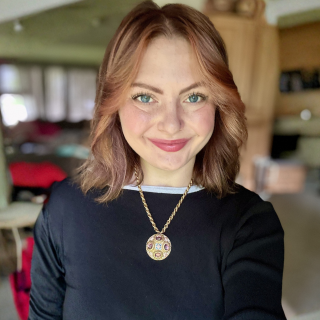
“You get diagnosed. Your doctor says ‘watch your diet.’ And then you go home with a pamphlet and a lot of fear and absolutely no roadmap,” said Jenny Fernandez, a registered dietician (RD) for Digital Diabetes.
For many, the advice feels disconnected from daily life. Some are told to eliminate rice, tortillas, bread or whatever carbohydrate is central to their culture, without guidance on how to safely incorporate those foods.
Fear and confusion are common in the early weeks after diagnosis. When people believe they must remove foods tied to family traditions or cultural identity, eating can begin to feel restrictive and overwhelming rather than manageable. Instead of learning how meals influence blood sugar, many respond by avoiding foods altogether.
The Gap in Traditional Diabetes Nutrition Care
Nutrition counseling remains underused in diabetes care, even though food decisions happen multiple times each day.
According to Digital Diabetes, three gaps appear consistently in traditional care. Nutrition counseling is often limited to one appointment, which is not enough to support long-term behavior change. Guidance can feel generic and may not reflect cultural foods or daily routines.
According to the team, three gaps appear consistently in traditional care:
1. Nutrition counseling is often limited to one appointment, which is not enough to support long-term behavior change.
2. Guidance can feel generic and may not reflect cultural foods or daily routines.
3. Conversations may focus on weight instead of blood sugar management, leaving patients without clear strategies for daily decision-making.
Consistent support early after diagnosis can help patients build confidence instead of anxiety. Ongoing nutrition counseling allows people to ask questions, review patterns and make adjustments over time instead of trying to manage diabetes alone.
How Digital Diabetes Nutrition Counseling Works
Digital Diabetes provides virtual diabetes nutrition counseling through ongoing appointments with registered dietitians rather than one-time visits. The model is designed to support behavior change over time, not simply deliver information during a single encounter.
Founded by RDs and certified diabetes care and education specialists (CDCES) Jessica Jones and Wendy Lopez, the organization was created to expand access to culturally responsive, insurance-covered nutrition counseling. The founders recognized that traditional diabetes education often relies on a single visit, which may not provide the sustained support needed to build lasting habits.

Care begins with a comprehensive intake that looks beyond laboratory values. The dietitians assess what and when a person eats, daily routines, work schedules, stress levels and who shares meals in the household. Baseline measures such as A1C, fasting glucose and lipid levels establish a starting point and allow progress to be tracked over time. Sleep, physical activity and meal timing are also reviewed because these factors influence blood sugar patterns.
Most patients begin with weekly appointments during the first phase of care. The initial plan typically includes at least six weeks of consistent follow-up. Early consistency helps patients build habits, review glucose trends and troubleshoot challenges in real time.
During these early visits, the RDs focus on understanding glucose patterns, reviewing food logs, interpreting nutrition labels and building balanced meals that reflect the foods already present in a patient’s routine.
As care continues, visit frequency becomes more individualized. Some remain on a weekly schedule, while others transition to biweekly or monthly follow-up based on progress and goals. Adjustments are guided by clinical markers, lifestyle demands and patient confidence.
Over time, follow-up may include reviewing continuous glucose monitor (CGM) data, planning for travel or holidays and adapting routines during periods of stress or illness. As patients gain experience, they apply strategies more independently and use appointments for refinement rather than foundational education.
Building Independence Instead of Rigid Rules
A central goal of the program is to help patients build independence in managing food and blood sugar.
Independence does not mean handling diabetes alone. It means developing a practical framework for making informed decisions without relying on strict dietary rules.
Rather than labeling foods as “good” or “bad,” care focuses on understanding how portion size, timing and food combinations influence glucose levels. Cultural and family meals remain part of the plan. The emphasis is on adjusting habits rather than eliminating traditions.
Many individuals complete about 12 visits, though the duration varies based on personal needs and goals. Early follow-up supports habit formation, while later appointments focus on refining strategies and strengthening confidence.
Over time, patients move from asking whether they are “allowed” to eat certain foods to understanding how to make balanced choices. This shift reduces all-or-nothing thinking and supports routines that are sustainable in daily life.

Measurable Outcomes From Digital Nutrition Counseling
Clinical and behavioral outcomes are tracked to evaluate the impact of ongoing nutrition counseling.
Data from more than 1,500 patients across 40 states and more than 11,000 completed visits show an average A1C reduction of about 1% over six months.
A 1% decrease in A1C is considered clinically meaningful and is associated with reduced risk of diabetes-related complications, including nerve damage, kidney disease and cardiovascular disease.
These improvements were achieved through consistent nutrition support and behavior-based strategies rather than restrictive diets.
Prediabetes outcomes were also significant. According to program data, 99% of prediabetes participants remained stable or improved while participating in the program.
In addition to A1C improvements, positive changes were observed in lipid markers, including reductions in triglycerides, total cholesterol and LDL cholesterol.
By tracking both clinical markers and behavioral changes, the model demonstrates how structured, ongoing nutrition counseling can support measurable improvements in diabetes management over time.
Culture and Representation in Diabetes Care
Effective diabetes care must reflect how people actually eat and live. When guidance overlooks familiar foods or family routines, patients may struggle to apply it consistently in daily life.
Rather than removing staple foods, the approach centers on adjustment. Traditional meals are modified thoughtfully, with attention to portion size, balance and timing, so that they support glucose stability without abandoning cultural identity.
The team includes dietitians from diverse backgrounds, with several speaking Spanish and additional languages. This representation allows for more relevant conversations about food, family traditions and daily routines.
When patients feel understood and respected, engagement often improves. Integrating lived experience into care strengthens long-term adherence and supports sustainable habits.
Beyond A1C: Improving the Relationship With Food
Clinical markers are only part of diabetes management. Long-term success also depends on how individuals think about food and blood sugar.
According to program data, 96% of participants report a healthier relationship with food while receiving nutrition counseling. Many describe reduced guilt, less fear around meals and greater confidence in making food decisions.
Blood sugar is influenced by multiple factors, including sleep, stress, hormones, movement, hydration and food. A higher reading on a given day does not automatically indicate a mistake.
Understanding patterns rather than reacting to individual numbers can reduce anxiety and support more consistent habits.
Rather than focusing on restriction, the care model emphasizes flexibility and awareness. Patients learn how to adjust meals and timing while preserving foods that are meaningful in their culture or family traditions.
When fear decreases and confidence increases, individuals are more likely to stay engaged in their care and apply strategies over time. These behavioral shifts reinforce the clinical improvements seen in A1C and lipid levels.

Lived Experience Strengthens Patient Connection
Some RDs on the team live with diabetes or have close personal connections to the condition.
That lived experience can deepen empathy and practical understanding. Managing blood sugar involves daily decisions, uncertainty and emotional fatigue. Providers who understand those realities may be better equipped to guide patients through them.
Shared experience often creates space for more open conversations about frustrations, setbacks and real-life decision-making. This added layer of understanding complements the structured, data-driven approach of the care model.
Expanding Access Through Virtual Diabetes Care
Virtual nutrition counseling allows patients to connect with registered dietitians even if they do not have access to specialists in their local communities. By offering telehealth visits, Digital Diabetes supports individuals across 40 states, including those living in rural areas or regions with limited diabetes education resources.
Insurance coverage is another factor that improves access. The organization works with many insurance plans, allowing patients to receive ongoing nutrition counseling without the financial barriers that often limit follow-up care. This model makes it easier to schedule regular visits, review blood sugar patterns and adjust strategies over time.
Technology also supports more personalized care. CGMs, digital food logs and virtual appointments allow RDs to review real-time data and provide practical recommendations that fit a patient’s daily routine.
Nutrition Counseling for Type 1 Diabetes, Type 2 Diabetes and Prediabetes
Digital Diabetes nutrition counseling supports people with different types of diabetes, though strategies vary based on diagnosis.
For people living with type 1 diabetes (T1D), care often focuses on how food interacts with insulin. This may include carbohydrate counting, blood sugar pattern analysis and helping meals align with insulin dosing.
For type 2 diabetes (T2D) and prediabetes, the focus often shifts to meal structure, balancing carbohydrates with protein and fiber and identifying patterns that influence glucose levels throughout the day.
“The philosophy stays the same, but the strategies shift depending on what someone’s body needs,” Fernandez said.

Unlearning the Myth of Perfect Eating
Many patients believe there is a perfect blood sugar number tied directly to each meal.
In reality, glucose levels are influenced by multiple factors, including sleep, stress, hormones, movement and hydration, in addition to food. Daily variability is normal, even when eating patterns remain consistent.
Understanding this complexity helps reduce self-blame. Instead of reacting to a single reading, patients are encouraged to look at broader patterns over time.
This shift supports steadier decision-making and more sustainable diabetes management.
Why Early Nutrition Counseling Matters
Nutrition support soon after diagnosis can influence both clinical outcomes and emotional adjustment. Structured guidance in the initial phase of care allows patients to ask questions, understand how their body responds to food and build habits gradually rather than reactively.
Consistent follow-up at this stage can reduce uncertainty and help establish routines that support long-term blood sugar management.
Women Dietitians Leading Digital Diabetes Care
The team includes 11 RDs, all women. Their leadership reflects broader changes in diabetes care delivery, particularly in virtual health and long-term nutrition support.
Through structured follow-up and data-informed guidance, the team is helping redefine how nutrition counseling is delivered beyond the traditional single-visit model.
A Message for National Nutrition Month and Women’s History Month
March highlights the importance of nutrition in long-term health and the contributions of women in health care.
Digital Diabetes represents this shift toward sustained, accessible nutrition counseling that fits into daily life rather than existing only in a clinic setting.
Managing diabetes is not about achieving perfection at every meal. It is about building informed, consistent habits that support blood sugar stability over time.
That evolution in care — practical, measurable and ongoing — signals a meaningful change in how people experience diabetes nutrition support.


.webp)

.webp)








.jpg)




.jpg)




.jpg)



%20(1).jpg)



.jpg)
.jpg)
.jpg)
.jpg)
.jpg)
.jpg)

.jpg)

.jpg)

.jpg)
.jpg)

.jpg)
.jpg)

.jpg)
.jpg)
.jpg)


.jpg)

.jpg)
.jpg)
.jpg)



.jpg)


.jpg)

.jpg)



.jpg)
.jpg)
.jpg)

.jpg)

.jpg)


.jpg)

.jpg)
.jpg)
.jpg)
.jpg)
.jpg)
.jpg)


.webp)
.svg)