


T1D Guide
T1D Strong News
Personal Stories
Resources
T1D Misdiagnosis
T1D Early Detection
Research/Clinical Trials
The Weight and Wonder of Motherhood with Type 1 Diabetes
For women living with type 1 diabetes (T1D), the idea of becoming a mother can be both thrilling and daunting. The path to motherhood varies for every woman, regardless of health condition. Still, for those with T1D, the journey comes with additional layers of uncertainty, overwhelm, and fatigue that no one can fully prepare you for.


Although you might hear about it, you won’t fully grasp it until you experience it firsthand. It’s like being diagnosed with type 1 diabetes—human nature often prevents us from truly understanding something until we go through it ourselves.
We asked the T1D community to share their experiences navigating motherhood, whether they are living with T1D themselves or supporting a child with it.
- 44.4% of respondents are mothers of children with T1D.
- 33.3% of respondents are mothers living with T1D.
- 22.2% of respondents are mothers living with T1D who are also raising children with it.
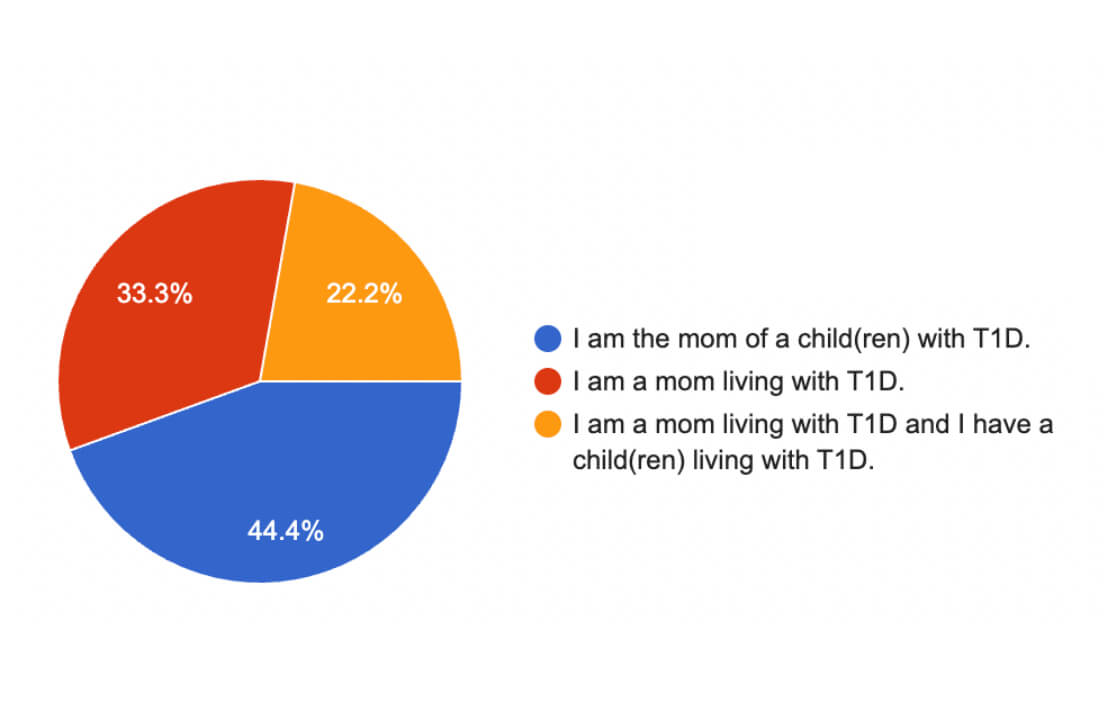
These women shared common takeaways alongside unique experiences.
The Discomfort of Motherhood and T1D
Leah Lambert’s sons live with T1D. She and her family have been managing it with them for eight years.
“T1D adds a unique layer of complexity to motherhood,” Lambert said. “It reshaped my children’s childhood in ways most families never have to think about—Halloween, family gatherings, even simple meals all look different for us.”
Lambert said that diabetes doesn’t just affect the child with the diagnosis; it touches every member of the family.
“As a mother without diabetes myself, I can’t truly feel what my sons feel, but it’s given me a deep sense of sympathy, awareness, and determination to understand their daily battles,” she said.

“One of the hardest lessons was learning how to shift my mindset to recognize that the uncomfortable moments were actually life‑saving ones.”
Erica Salerno Sabastiana is a mother living with T1D whose daughter also has it. She echoes Lambert’s sentiment.
“T1D makes me more anxious, overprotective, and irritable—yet having it myself helps me to understand my daughter’s sugar swings more and be more empathetic,” she said.
As a mother, regardless of your personal understanding, there is pain in wishing you could take away from your child what is actively hurting them, even though you know you can’t. You can only manage it. That’s T1D!
Who comes first in T1D management for moms?
“No one really asks me anything about T1D, but when I was younger in my motherhood journey, I wish maybe people would have asked how I was managing it all, if only to make me realize it was too much,” said Francoise Le Poulichet, who has been living with T1D for 37 years.
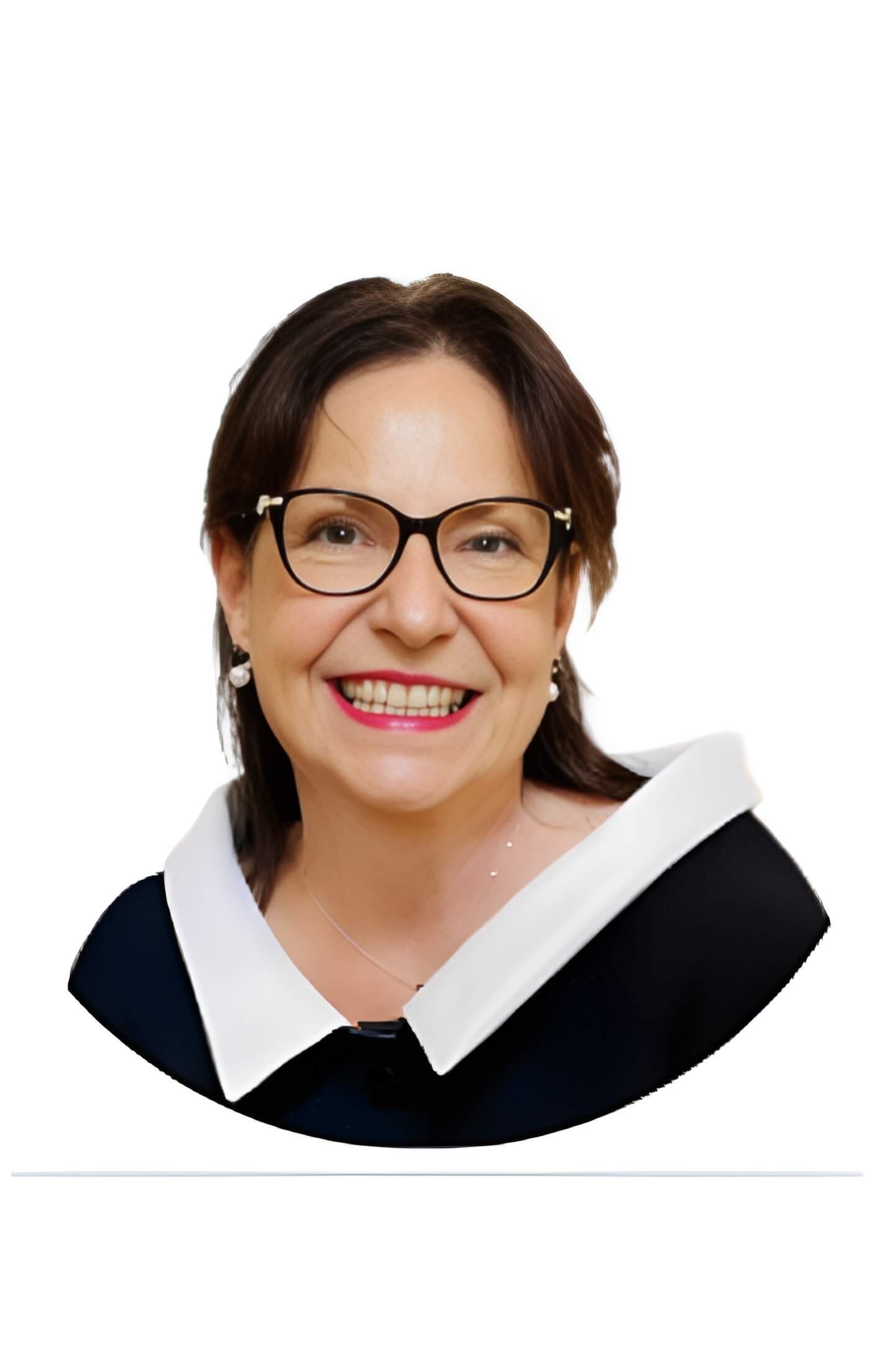
“But I also think I was so used to carrying it all, I don’t think I would have paid any attention.”
This is a common experience for women living with T1D who decide to become mothers. They put themselves second, third, and fourth. Everyone comes before them. Sometimes, their personal well-being gets lost in the shuffle over time.
For women with T1D, it’s also not as simple as deciding or wanting to have children. There are additional questions and concerns they must ask themselves to ensure it’s the road they want to travel down.
Women with T1D often find themselves asking some very real, heavy questions:
- Am I comfortable with my future child potentially developing T1D?
- Do I have enough energy to give to my future child(ren) while managing T1D?
- Will I be able to have a healthy pregnancy with T1D?
- Do I want to become a mother enough that the potential risks are worth it?
T1D and Pregnancy Concerns that Come before Motherhood
According to the American Diabetes Association (ADA), if you are a woman with T1D and your child was born before you were 25, your child's risk is 1 in 25. If your child was born after you turned 25, your child's risk is 1 in 100.
Women with T1D who become pregnant and have access to healthcare usually receive more appointments and guidance to ensure their A1C is stable and that they have a healthy outcome. All women with T1D must be mindful of the complication risks that increase the further the pregnancy progresses.
According to the Centers for Disease Control (CDC), common diabetes complications that may arise from pregnancy include:
- Vision problems
- Kidney disease
- Preeclampsia
- Insulin resistance
- Miscarriage
- Macrosomia
- Birth complications
Although healthcare has advanced, women with type 1 diabetes still face higher risks when becoming pregnant. If you're considering motherhood, discuss it openly with your healthcare team—T1D shouldn’t prevent you from pursuing your dreams or goals.
But it’s also okay if motherhood and pregnancy are not a part of your dreams and goals while you’re living with T1D. It’s important to recognize that motherhood, while a beautiful, selfless, and meaningful pursuit, isn't suitable for every woman with T1D. That’s perfectly okay!
“Motherhood with T1D is not easy, but it teaches you strength, patience, and unconditional love,” said Noshaba Arshad, whose child has lived with T1D for about four years. “Every day is a learning experience, and every small progress matters.”
.jpg)
T1D is a Family Matter for Mothers
“It’s a big deal,” Le Poulichet said. “To become a mum is a big deal. To have T1D is a big deal. The two combined make it a super big deal!”
Le Poulichet said it’s important to be aware of how T1D is affecting you so you can articulate it to your family more proactively. Asking for support is crucial for being a mother and for living with T1D, especially, as Le Poulichet shared, when both are combined.
“I always check my sugar levels if I start feeling irritated,” Le Poulichet said. “I have raised my son to know how to check my Dexcom app (continuous glucose monitor) to tell me what my sugars are, and to bring me sugar when I need it. I also know to tell everybody in the house when I go low because I become very sensitive to noise.”
T1D never turns off for families. It’s hard to quiet the noise because ignoring it could have severe consequences.
“I wish people understood that it is a 24/7 responsibility,” Arshad said. “Even at night, we don’t sleep peacefully because we worry about sugar levels. Type 1 is not just a disease—it’s a full-time responsibility. Motherhood with T1D is not easy, but it teaches you strength, patience, and unconditional love. Every day is a learning experience, and every small progress matters.”
Mothers Need More Support with T1D
When these mothers were asked to share one word that described their experience with T1D, some words that came up included:
- Rollercoaster
- Doable
- Heavy
- Tough
- Resilient
- Determined
- Exhausting
- Chaos
Mothers want to be asked more questions about their experiences with T1D, like “What does a break mean to you?” “How are you doing?”, or “How can I help?” Those simple questions go a long way for moms, showing others' genuine intention and effort to support them.
“I wish people, especially my own family, weren’t so afraid to keep my kids for sleepovers or special time together,” Lambert said. “I wish they would ask more questions about their care and show a real desire to learn. It would mean so much to feel that support and to know they’re confident, not scared, to be part of my children’s lives in this way.”
Most people only ask about the child, Arshad reflected. “I wish someone would ask about the mother,” she said.
“It's a complete sh*t show, and you will have times when you feel totally defeated, and this doesn't mean that you're doing it wrong,” an anonymous mother shared. “It's just really hard! My son has a largely invisible condition. Because people have heard of it, they think they are knowledgeable. T1D absolutely affects my son, but it affects our whole family too.”
Navigating motherhood and T1D can feel incredibly isolating.
“When my son was first diagnosed, I became a member of a club I didn't want to be in,” she furthered. “I didn't connect with other parents going through what I was, and I bet I would have benefited from that.”
While there is a real heaviness and isolation that can come with motherhood, there is also an unwavering strength that no one can take away from you. The tradeoff for worry among the mothers who responded was also clear—an irreplaceable joy.
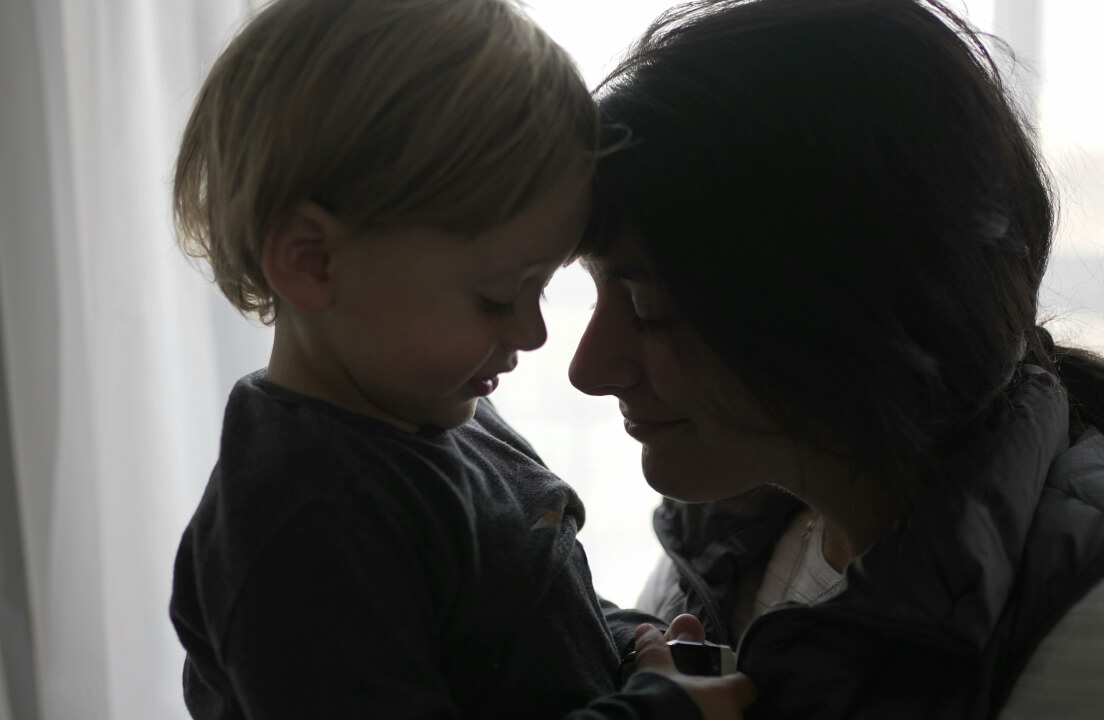
T1D is Hard, but Motherhood with it is Worth it
“There is a constant worry as a parent, but I wouldn't trade one day of our life with the strongest, most exceptional young lady,” said Jennifer Lucas, whose daughter lives with T1D. “This diagnosis has changed our world as a family, but watching my daughter manage this life for the last ten years leaves me speechless. She truly is my hero.”
T1D makes mothers more aware and better equipped to handle the unknowns.
“I truly believe God prepared me for having two children with type 1 diabetes,” Lambert said. “We also have our youngest daughter, and while we fear she may one day be diagnosed, we stay resilient, vigilant, and unwavering in how we support our sons.”
Lambert said she’s not just raising children with type 1 diabetes—she’s raising boys who will grow into “strong, responsible men.” Children and mothers living with T1D are more than their conditions. That’s a key point to highlight as a parent or self-manager.
“Their diagnosis is part of their story, but it will never define their future,” Lambert said. “Our goal is to equip them with everything they need to thrive, succeed, and live full, healthy lives.”
While T1D brings a level of complexity that those without can’t truly understand, Le Poulichet said she “wouldn’t change anything for the world.”
“Motherhood is the best experience of my entire life,” she said.


.webp)

.webp)



.jpeg)



















.jpg)






.jpg)




.jpg)







%20(1).jpg)







.jpg)

.jpg)
.jpg)
.jpg)
.jpg)
.jpg)
.jpg)
.jpg)


.jpg)
.jpg)

.jpg)

.jpg)
.jpg)

.jpg)
.jpg)

.jpg)
.jpg)
.jpg)
.jpg)

.jpg)

.jpg)
.jpg)

.jpg)
.jpg)
.jpg)
.jpg)


.webp)
.svg)