


T1D Guide
T1D Strong News
Personal Stories
Resources
T1D Misdiagnosis
T1D Early Detection
Research/Clinical Trials
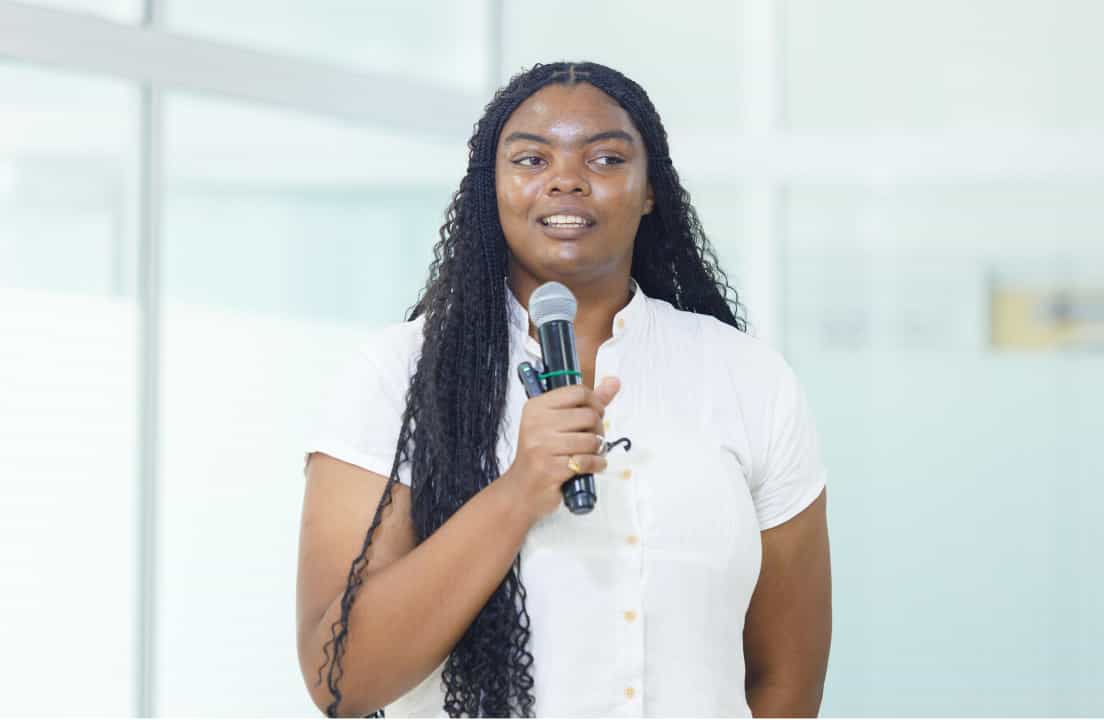
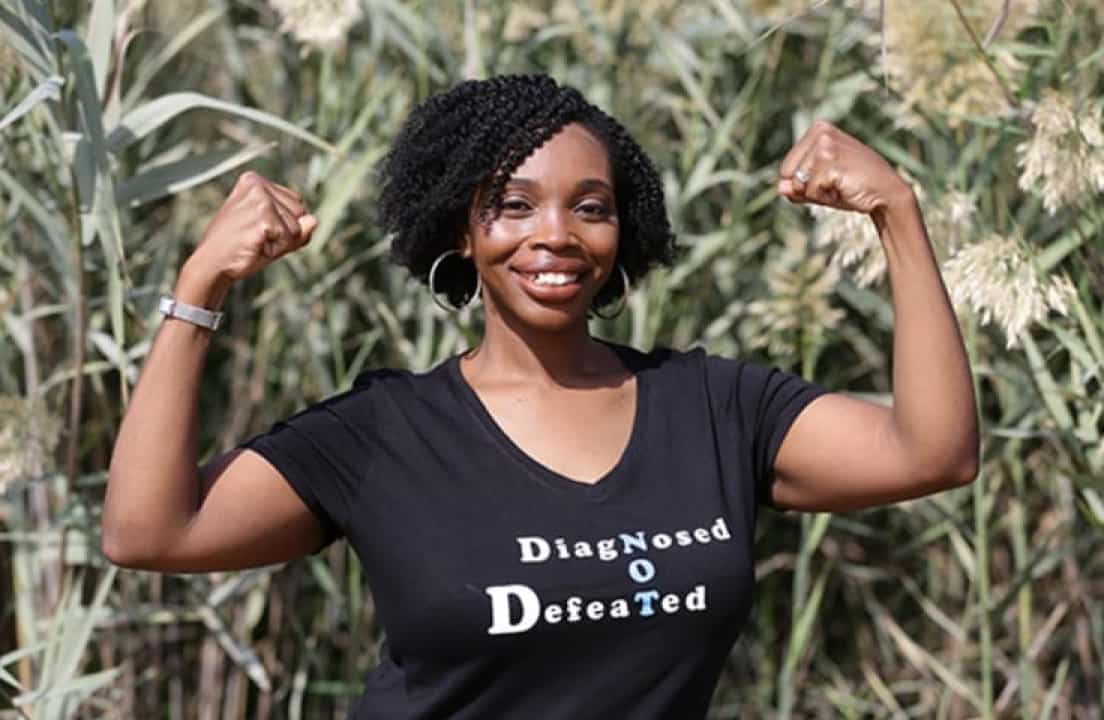
When Type 1 Diabetes Appears Without Warning: Tiana’s Story
Tiana Cooks was 17 when her body began sending signals that something was wrong. At first, the symptoms were confusing. She began losing weight quickly. She was constantly thirsty and drank water constantly. Her vision became blurry, especially in the mornings. More than anything, she just did not feel like herself.

For several weeks, the symptoms continued. Around that same time, she developed strep throat. Her mom took her to urgent care, where she was treated and given antibiotics.
But the symptoms did not improve. Instead, they intensified.
Eventually, Tiana did what many teenagers would do in that situation—she pulled out her phone and searched online for her symptoms. The result that appeared caught her attention immediately. “I Googled my symptoms, and it said type 1 diabetes,” she said. “That’s when I kind of knew that I might have it.”
She told her mom what she had found, and they went to the hospital. Not long after, doctors confirmed the diagnosis. Her life with type 1 diabetes (T1D) had begun.
The Moment Everything Changes
When people think about a T1D diagnosis, they often focus on the medical side of the story—insulin, blood sugar checks, and learning how to count carbohydrates. But for many people, the emotional impact arrives first. The stages of grief start.
For Tiana, the strongest memory from the day of her diagnosis was fear. “I felt very scared,” she said. “I didn’t know what that meant for my life or how things were going to change for me.”
That fear stayed with her long after she left the hospital. Even now, more than a decade later, she admits the feeling occasionally returns. “I think it’s still something I’m navigating,” she said. “Sometimes that feeling doesn’t go away. Maybe it’s just been suppressed a little bit, but it’s still there.”
Living with T1D means learning how to carry that uncertainty while continuing to build a full life around it.
Trying to Do Everything Perfectly
In the early years after diagnosis, Tiana approached diabetes with intense determination. She wanted to do everything right.
At the same time, she struggled with the same questions many newly diagnosed people face:
- Why did this happen?
- Did I do something to cause it?
“I was constantly trying to figure out what I did to cause my diabetes diagnosis,” she said. The emotional weight was heavy. She remembers moving through waves of grief, anger, and guilt while trying to master the daily tasks of diabetes management.
“I was constantly making mistakes, and I didn’t understand why this happened to me,” she said. At the time, she was manually checking her blood sugar without a continuous glucose monitor (CGM). Every missed check or poorly timed insulin dose felt like a failure.
“I would be so hard on myself if I messed up timing or dosing or anything like that,” she said.
Food became another area where she tried to tighten her management. “I was definitely eating basically no carbs,” she said. “I thought I was eating too much sugar.”
For nearly three years after diagnosis, she rarely ate more than 20 grams of carbohydrates in a meal. Her blood sugar numbers looked great on paper. Her A1C reflected tight control. But emotionally, the pressure was exhausting.
Learning to Give Yourself Grace
After nearly twelve years of living with T1D, Tiana has developed a very different perspective. One of the biggest changes has been learning to offer herself grace. “I think I’ve given myself a lot more grace and allowed myself to make mistakes,” she said. “I don’t get so frustrated all the time.”
Diabetes management is never perfect. There are too many variables involved. Stress, hormones, illness, sleep, activity levels, and countless other factors all influence blood sugar. Over time, she stopped expecting perfection. Now she focuses on the bigger picture.
“I understand now that diabetes is something that I live with,” she said, “but it’s not something that will dictate my mood or my overall sense of self like it did when I was first diagnosed.”
That shift in mindset changed the way she relates to diabetes.

Treating Diabetes Like a Separate Companion
One of the ways Tiana protects her mental health is by mentally separating herself from diabetes. Instead of viewing it as something that defines her identity, she imagines it almost like a companion she has to care for. “I like to think about diabetes like a friend and not a part of me,” she said. “It’s literally a separate thing.”
That mental framework helps her respond with compassion instead of frustration when blood sugars are not cooperating.
“We might get into disagreements, or we might not be getting along that day,” she explained. “My blood sugars might be high, and I’m struggling in that capacity. But I’m not going to be mad at her for too long.”
Instead, she focuses on the practical steps needed to get back on track. “I’m just going to take my insulin. I’m just going to exercise or do what I need to do to make sure she feels good.”
The mindset helps remove some of the shame that can build up around diabetes management. “At the end of the day,” she said, “I have to take care of my diabetes for my diabetes to take care of me.”
The Fear of Nighttime Lows
One of the most difficult challenges Tiana faced after diagnosis was a deep fear of nighttime hypoglycemia (low blood sugar). Shortly after she was diagnosed, a doctor explained that people with diabetes can sometimes experience severe low blood sugar while sleeping. The way the information landed with her created intense anxiety. “I thought every day was going to be the last day of my life,” she said.
For a long time, she was afraid to fall asleep. “I remember the doctor talking about people having low blood sugars at night,” she said. “I thought people were just passing away in their sleep every night.”
Her family did everything they could to help her feel safe. Her mom would sleep on the floor of her bedroom and check on her throughout the night.
“She would shine a light in my face every few hours to make sure I was still alive,” Tiana said. The fear shaped her behavior in unexpected ways. “I was trying to be the best person the earth has ever seen,” she said. “I thought if I was really nice to people, at least their last memory of me would be that I said something kind to them that day.”
Over time, that fear slowly eased. Eventually, she noticed something simple but powerful. “I made it four years, and I woke up every single day,” she said. “So I thought, okay, I think I’m good.”
Finding Strength in Community
Meeting other people living with T1D profoundly changed Tiana’s outlook. Connecting with people who had lived with diabetes for decades helped ease many of her fears.
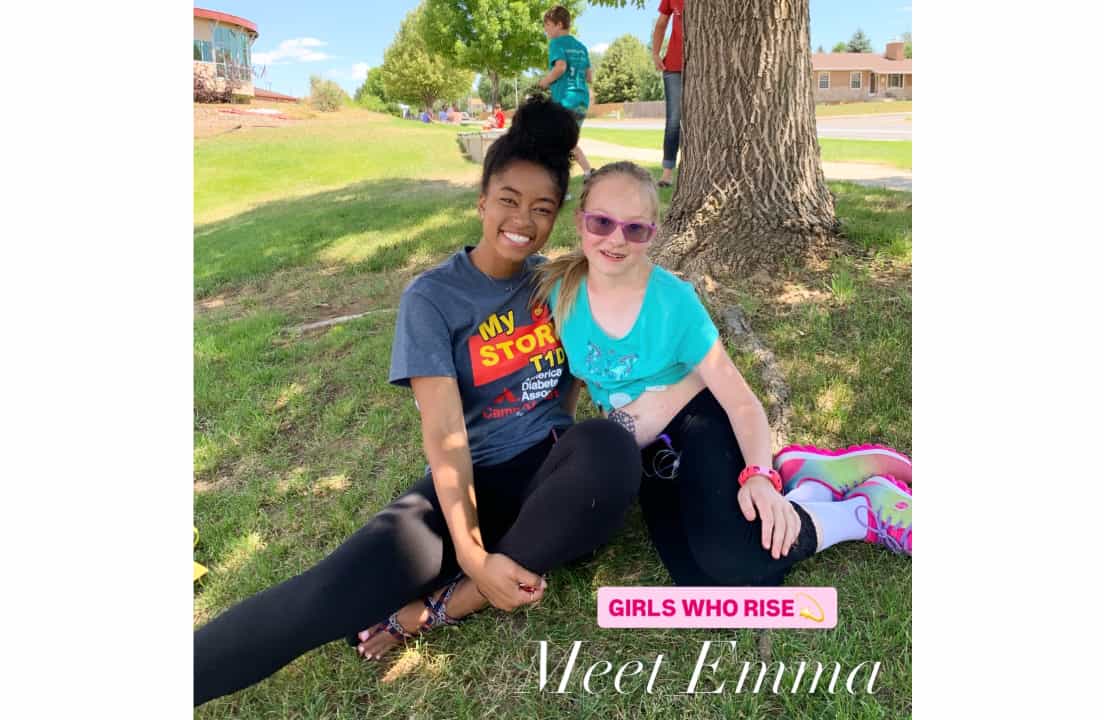
“Seeing people thriving in life with diabetes despite their diagnosis changed my entire perspective,” she said.
Those connections reminded her that a full and meaningful life was still possible.
The Invisible Work of Diabetes
Because T1D is largely invisible, many people do not realize how much effort it takes to manage it. Tiana wishes more people understood the constant mental and physical work happening behind the scenes.
“Even though diabetes is invisible to most people, it has impacted every single aspect of my life,” she said.
There are days when she does not feel her best but continues to show up anyway. “There are days when I don’t feel great or feel like I can give my 150 percent,” she said. “But I do it anyway with a smile and with as much grace as I can.”
That unseen effort is something millions of people with diabetes quietly carry each day.

A Message for Newly Diagnosed Kids
When Tiana speaks to young people who have just been diagnosed, she tries to offer the reassurance she needed when she was 17. “I would tell them everything is going to be okay,” she said.
She reminds them that diabetes does not define their future. “There is absolutely nothing wrong with you,” she said. “You are capable of achieving anything in this lifetime that you put your mind to.”
Diabetes becomes part of the story, but it does not write the entire narrative. “Diabetes is a part of your journey,” she said. “It’s a part of your story, but it’s not the entire story, and it’s not the end of your story.”
For someone standing at the beginning of that journey, those words can make all the difference.


.webp)
.webp)



.jpeg)











.jpg)



%20(1).jpg)


.jpg)
.jpg)
.jpg)
.jpg)
.jpg)
.jpg)
.jpg)
.jpg)
.jpg)
.jpg)
.jpg)

.jpg)
.jpg)
.jpg)
.jpg)
.jpg)

.jpg)

.jpg)
.jpg)

.jpg)

.jpg)
.jpg)

.jpg)
.jpg)

.jpg)
.jpg)
.jpg)
.jpg)
.jpg)

.jpg)
.jpg)
.jpg)
.jpg)
.jpg)
.jpg)

.jpg)
.jpg)

.jpg)
.jpg)
.jpg)

.jpg)
.jpg)


.webp)
.svg)