


T1D Guide
T1D Strong News
Personal Stories
Resources
T1D Misdiagnosis
T1D Early Detection
Research/Clinical Trials
‘My Type’ Short Film: A Love Story Centered Around Type 1 Diabetes
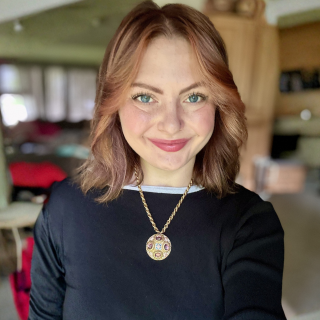
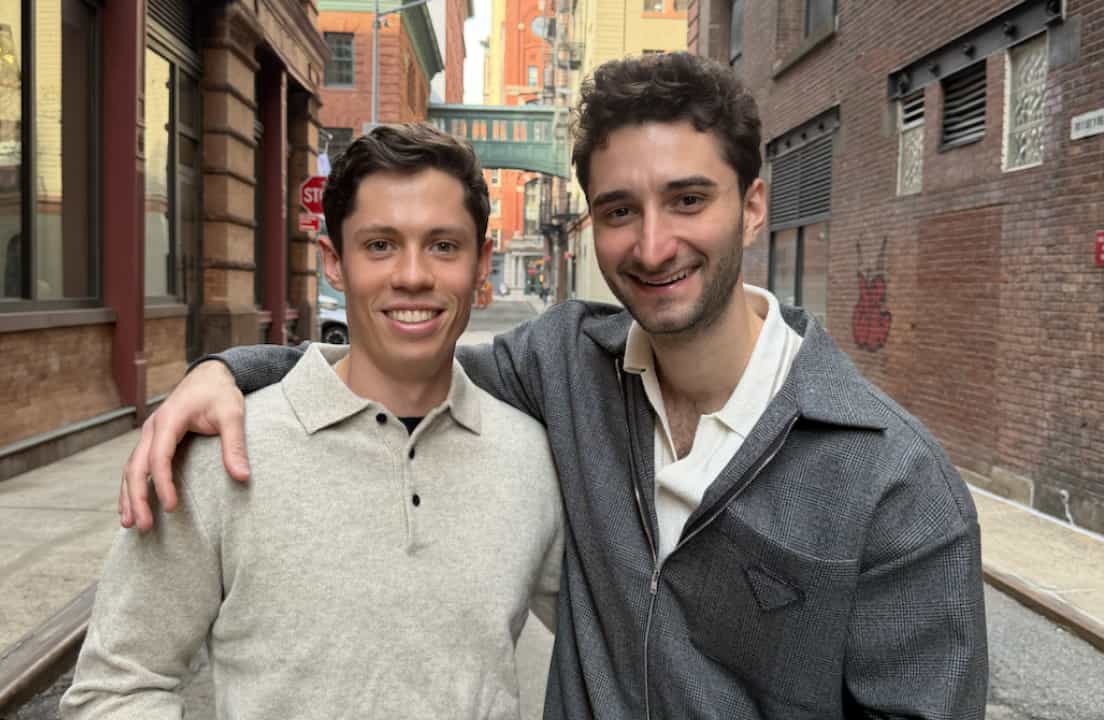
When Nicole McNaughton was suddenly diagnosed with type 1 diabetes (T1D) later in life, the timeline between diagnosis and action was almost immediate. “I think she was still in the hospital when we were like, all right, we’re making a movie about this,” her sister, Kimberly Danek Pinkston, said.

The Desire to Connect, a Central Theme
The film, My Type, didn’t begin as a clinical explanation of diabetes. It began as a narrative decision. The sisters, both experienced storytellers, chose not to create a documentary. Instead, they built a scripted love story in which type 1 diabetes exists as part of the characters’ lives, not the entirety of their lives.
“We didn’t think we wanted to make a documentary,” Kimberly explained. “People assume they already know what diabetes is.” That assumption shaped the creative direction. The goal was to reach viewers who might otherwise disengage from educational content, using storytelling as the entry point.
Nicole and Kimberly commented that the budding relationship and desire for connection displayed within the film highlight “universal themes” that viewers with and without diabetes will feel touched by.
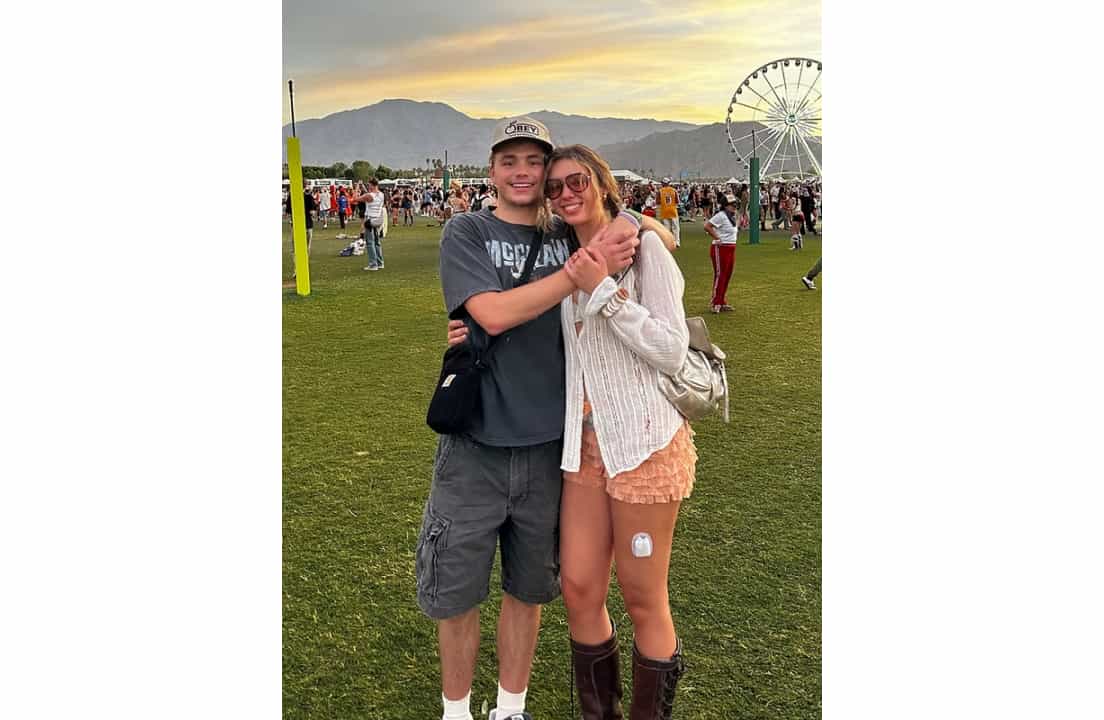
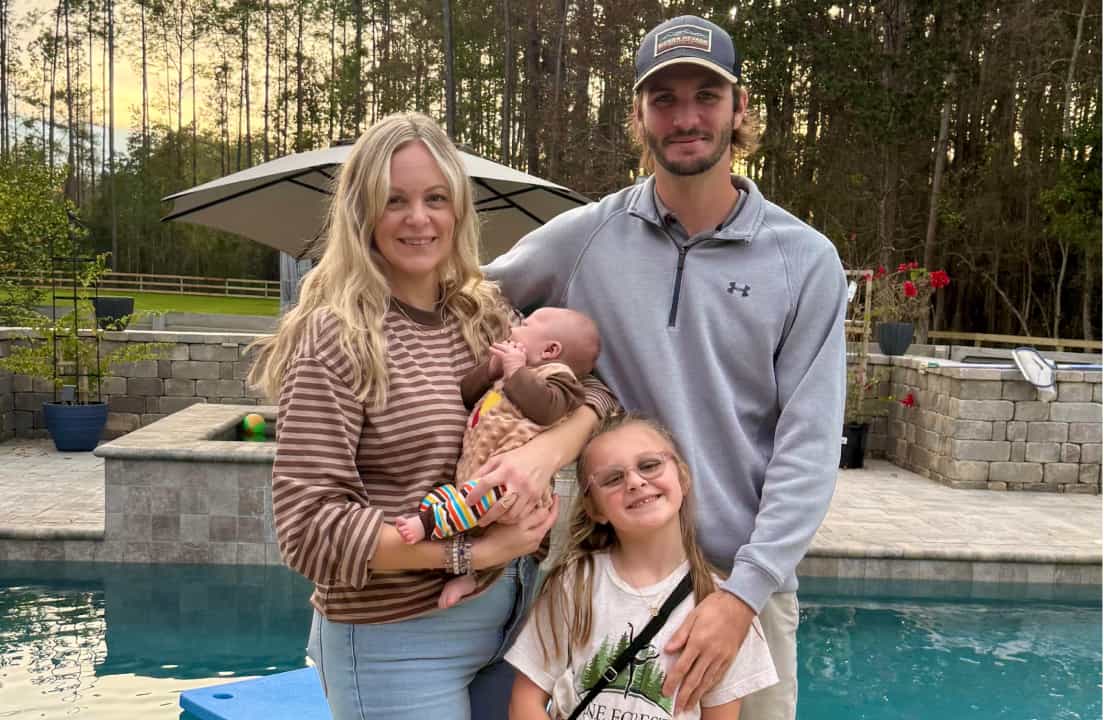
The film is inspired by a real-life couple, Zach White and Elise Scalfani, who met through a T1D chat room and developed a relationship across distance. Their story provided the foundation for a narrative centered on connection, vulnerability, and the realities of living with a chronic condition.
Prioritizing Accuracy in a Misunderstood Disease
From the beginning, accuracy was a priority. Type 1 diabetes is frequently misrepresented in film and television, often reduced to emergencies or incorrect portrayals of treatment. The production team took a different approach.
Nicole, who was newly diagnosed during the early stages of development, acknowledged the limitations of her own experience. “At the time when we started this, I had just been diagnosed,” she said. “I really am certainly not an expert on this at all.”
To address that gap, the team collaborated with medical professionals and individuals living with T1D. Scripts were reviewed at multiple stages to ensure the details reflected real-life management. The real-life couple who inspired the film also provided input, offering insight into daily routines, relationship dynamics, and long-term experience with the condition.
The production also included actors living with T1D. “They both brought so much knowledge and heart to the process,” Kimberly said, emphasizing the value of lived experience on set.
Accurately Representing Daily Life with T1D
One of the central creative decisions in My Type was how often to show diabetes management on screen. The film spans approximately 17 minutes and represents nearly a full day in the characters’ lives.

Within that time frame, the team had to determine how visible diabetes should be.
“We didn’t want them constantly checking their numbers,” Nicole said. “We wanted type 1 diabetes to be the undercurrent, but the love story to be the focus.”
That approach reflects a broader reality of living with T1D. Management is continuous, but it is not always the most visible part of a person’s life. The film incorporates elements such as blood sugar monitoring and device alerts without allowing them to dominate the narrative.
Feedback from early viewers in the diabetes community indicates that this balance resonates. According to the filmmakers, individuals living with type 1 have described the portrayal as accurate without feeling exaggerated.
Avoiding Harmful Narratives On-screen
In addition to visual accuracy, the filmmakers were intentional about language. Certain terms and phrases commonly associated with diabetes were removed or adjusted during the script development process.
“There were a couple of words… that we didn’t feel comfortable with,” Nicole said. “They just sounded really harsh.”
The decision to modify language reflects an awareness of how tone can influence perception. Diabetes narratives are often framed in extremes—either overly clinical or overly dramatic. My Type aims to present a more neutral, realistic tone that reflects everyday experiences without amplifying stigma.
The film also avoids positioning diabetes as a defining characteristic of the characters. “It doesn’t define who we are,” Nicole said. Instead, it exists alongside other aspects of identity, including relationships, personal history, and individual personality.
Dating and Disclosure in Type 1 Diabetes
A key theme in the film is how T1D intersects with dating and relationships. The storyline explores how individuals decide when and how to disclose their condition, and how potential partners respond.
The female lead in the film is written as more hesitant to pursue a relationship, reflecting concerns about how diabetes may affect her future. “She’s got a lot more fears surrounding all of it,” Nicole said, including the potential emotional and logistical challenges of managing a chronic condition within a relationship.

The film contrasts this perspective with a more open approach from the male lead, highlighting the variability in how individuals process and respond to their diagnosis.
During development, the filmmakers also drew from real-life perspectives on dating with T1D. Nicole referenced a comment from a consultant involved in the project: “When I was dating, it was basically a litmus test for assholes.” The statement reflects a broader reality that managing a chronic condition can quickly reveal how others respond to vulnerability.
Highlighting the Emotional Load of Type 1 Diabetes
While My Type does not center explicitly on mental health, the emotional impact of T1D is present throughout the film.
The constant monitoring, decision-making, and unpredictability of blood glucose levels contribute to a baseline level of cognitive and emotional demand.
Nicole described her own experience as still evolving. “I can see that it’s exhausting,” she said. “There are some days where I’m like, wow, this is really heavy.”
The film incorporates these elements subtly rather than through direct exposition. Moments such as device alerts or brief interruptions in conversation provide context without shifting the tone of the story.
Kimberly noted that this approach allows viewers without diabetes to gain a clearer understanding of daily life. “You just see the character,” she said. “It’s like, oh, beep went off. What is my number?”
“I’ve never felt as seen…”
My Type premiered at the Santa Barbara International Film Festival and has since been shared through private screenings. Early audience responses have included both individuals living with T1D and those without direct experience of the condition.

According to the filmmakers, viewers with T1D have emphasized the importance of representation. “I’ve never felt seen as I did watching that,” one audience member shared during the premiere.
For viewers without diabetes, the film has provided insight into aspects of daily management that are often overlooked. Friends and family members have reported a better understanding of the constant attention required to manage the condition.
The filmmakers also noted that parents of children with T1D have reached out after seeing early previews. Some described the film as a potential source of reassurance for young people navigating concerns about relationships and self-image.
Goals to Expand the Short Film’s Narrative
Currently, My Type is being submitted to additional film festivals, which limits broader public access in the short term. The production team is also exploring opportunities to expand the story into a feature-length film.
“We would like to eventually turn it into a feature,” Nicole said.
In parallel, the team is working with organizations in the diabetes space to organize screenings and expand distribution. These efforts include potential collaborations with advocacy groups and community organizations.
The long-term goal is to position the film not only as entertainment but also as an educational and awareness resource. Kimberly noted that the film could be used in settings such as universities and workplaces to support a broader understanding of T1D.

Where to Follow the Film for Future Screening Updates
Updates about screenings, festival selections, and future distribution plans are being shared through the film’s official channels. The filmmakers encourage those interested to follow along as new opportunities to view the film become available.
As the project continues to grow, My Type represents a shift in how T1D is portrayed on screen—away from isolated moments of crisis toward a more integrated, human-centered narrative.


.webp)

.jpeg)
.webp)












.jpg)



%20(1).jpg)


.jpg)
.jpg)
.jpg)
.jpg)
.jpg)
.jpg)
.jpg)
.jpg)
.jpg)
.jpg)
.jpg)

.jpg)
.jpg)
.jpg)
.jpg)
.jpg)
.jpg)

.jpg)
.jpg)
.jpg)

.jpg)
.jpg)

.jpg)
.jpg)

.jpg)
.jpg)
.jpg)
.jpg)
.jpg)

.jpg)
.jpg)
.jpg)
.jpg)
.jpg)
.jpg)

.jpg)
.jpg)

.jpg)
.jpg)
.jpg)

.jpg)
.jpg)


.webp)
.svg)