


T1D Guide
T1D Strong News
Personal Stories
Resources
T1D Misdiagnosis
T1D Early Detection
Research/Clinical Trials
Early Detection of Type 1 Diabetes: Mom Uses T1D Scout to Screen Her Children at Home
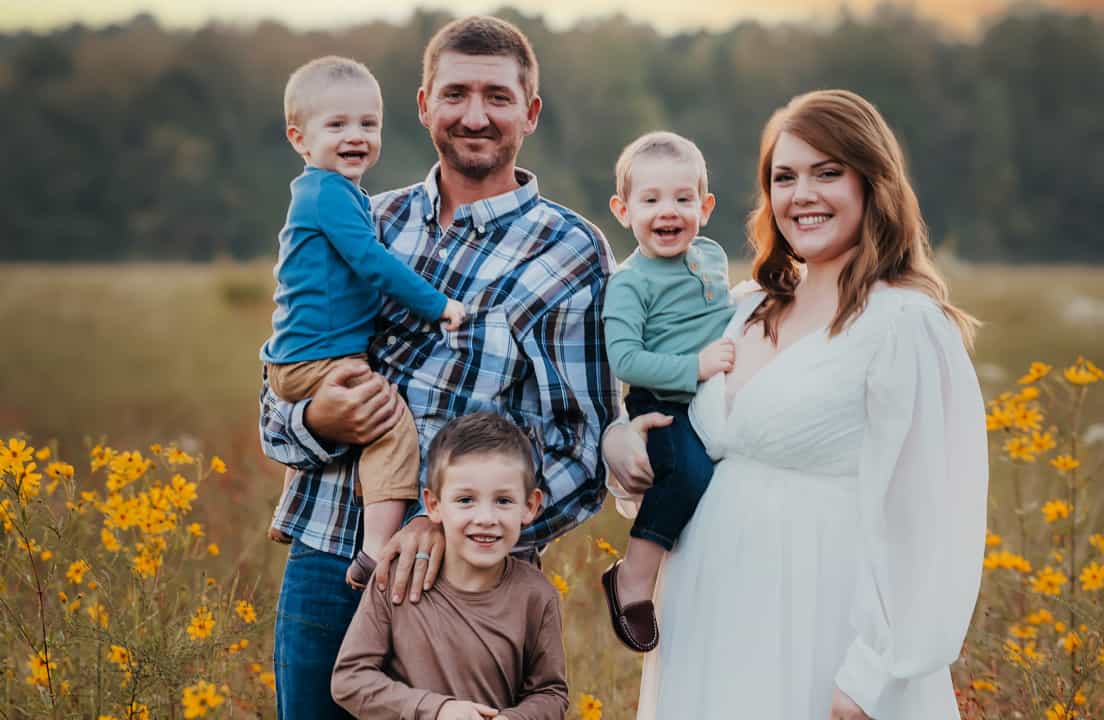
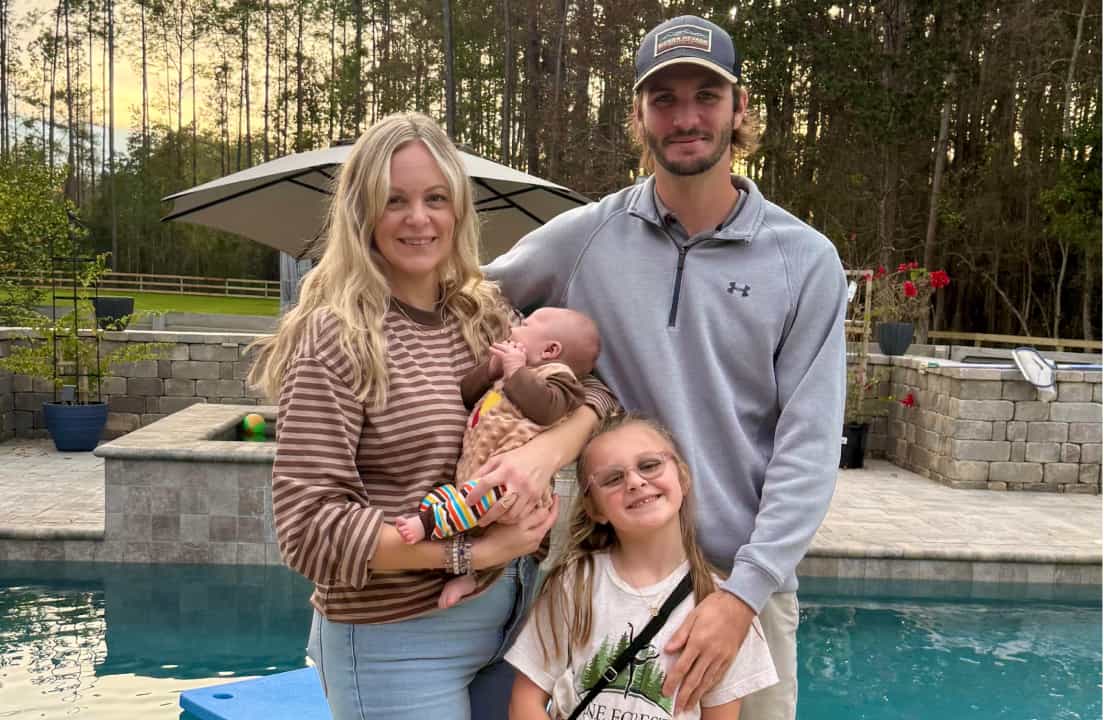
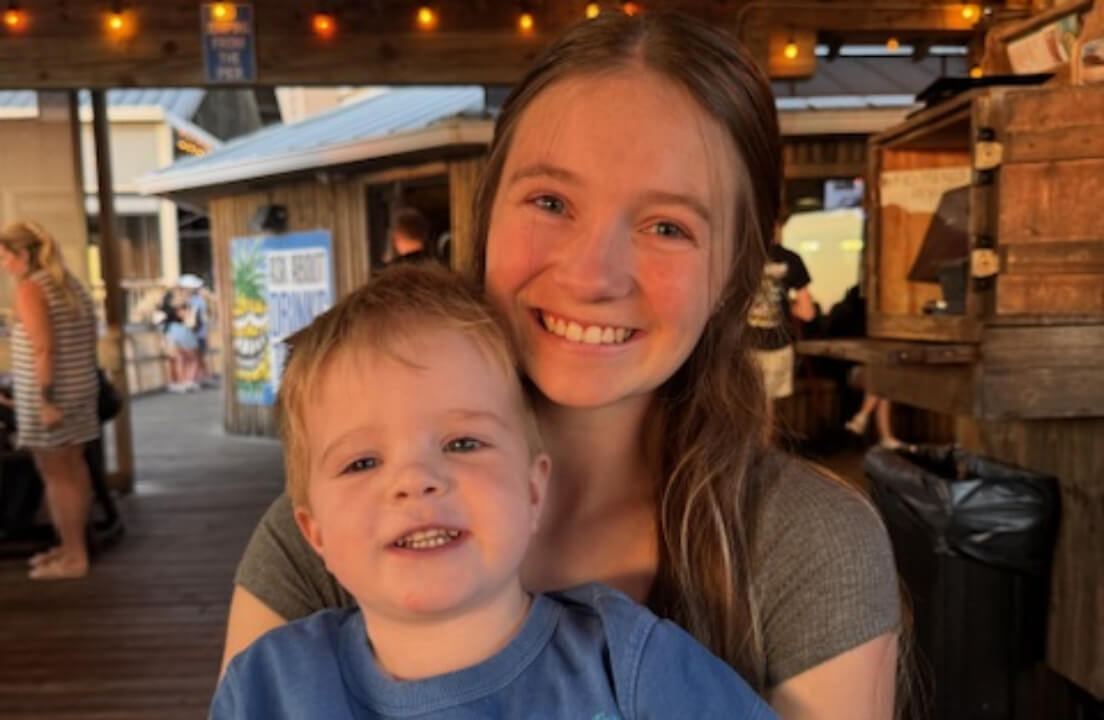
T1D mom Hannah Bragg uses an at-home test kit to screen her three sons for type 1 diabetes (T1D). Here, she discusses why she chose to screen, how she felt about the results, how simple the process was and why she believes early detection matters.
.webp)
Hannah’s Misdiagnosis
When Hannah was diagnosed with type 1 diabetes (T1D) at 16, she felt like it was a death sentence. “I was in my teenage years, had just gained a little bit of freedom. I had a new job, a driver’s license, and a car.”
Hannah experienced bouts of extreme thirst, sleepiness, and ongoing fatigue that didn’t compute for an active 15-year-old. One night, her father suggested using an old meter of her grandfather’s and her blood glucose level was 649. Her mother took her to the doctor’s office, where she was initially diagnosed with type 2 diabetes (T2D).
Due to the overlapping symptoms and inadequate testing, diabetes misdiagnoses were (and still are) a common problem.
“I don’t remember much after that appointment other than being told to watch what I eat and to start taking Metformin and to check my levels more often and keep a log. I was to follow up with them in six months."
During those six months, Hannah lost nearly 80 pounds. At her next checkup, they ran more lab tests and determined that she actually had type 1. She was then taught how to take insulin and count carbs. This was years before the advent of continuous glucose monitoring (CGM) and insulin pumps.
Diabetes Stigma & Distress
“As a 16-year-old, I was overwhelmed to say the least. The next few years were a roller coaster of high A1cs, trying to control my eating habits and managing blood sugar spikes while at school and out with friends.”
Hannah also battled the mental health side of T1D, which, until recently, was never addressed.
“In my younger years, I always struggled with my diagnosis. I felt ashamed to take an injection in front of anyone. I refused to check my blood sugar in public or at school. I struggled with eating right and avoiding things that triggered unstable numbers. I feel like I did not get control of my numbers until I reached my mid-twenties.”
Pregnancy and Diabetes
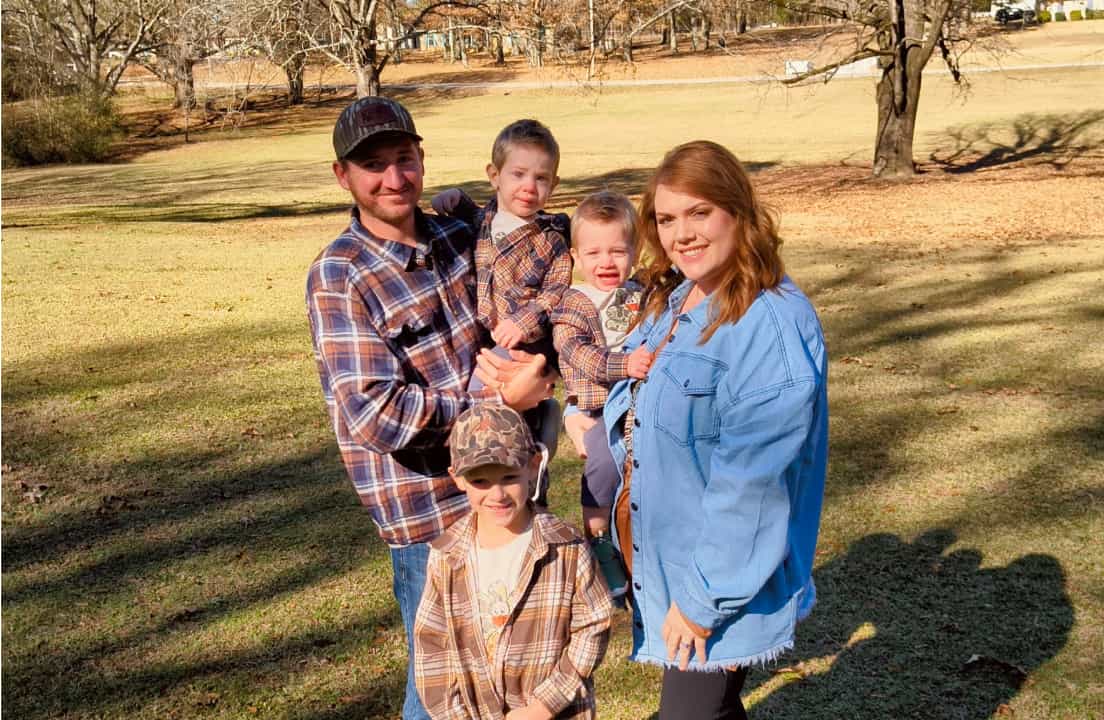
Hannah met her husband, Jeremy, in high school, and they went on to have three boys, a six-year-old and twins, age two.
After dealing with infertility for three years, Hannah conceived her first son at age 26. She realized how important managing her diabetes would be during pregnancy for herself and her unborn son.

She wore a CGM and, for the first time in her life, had stable blood sugar levels. During her first and consecutive pregnancy with twins, no less, she maintained an A1c around six. “I feel like my pregnancies helped me achieve a goal – to make myself healthier.”
Screening through T1D Scout
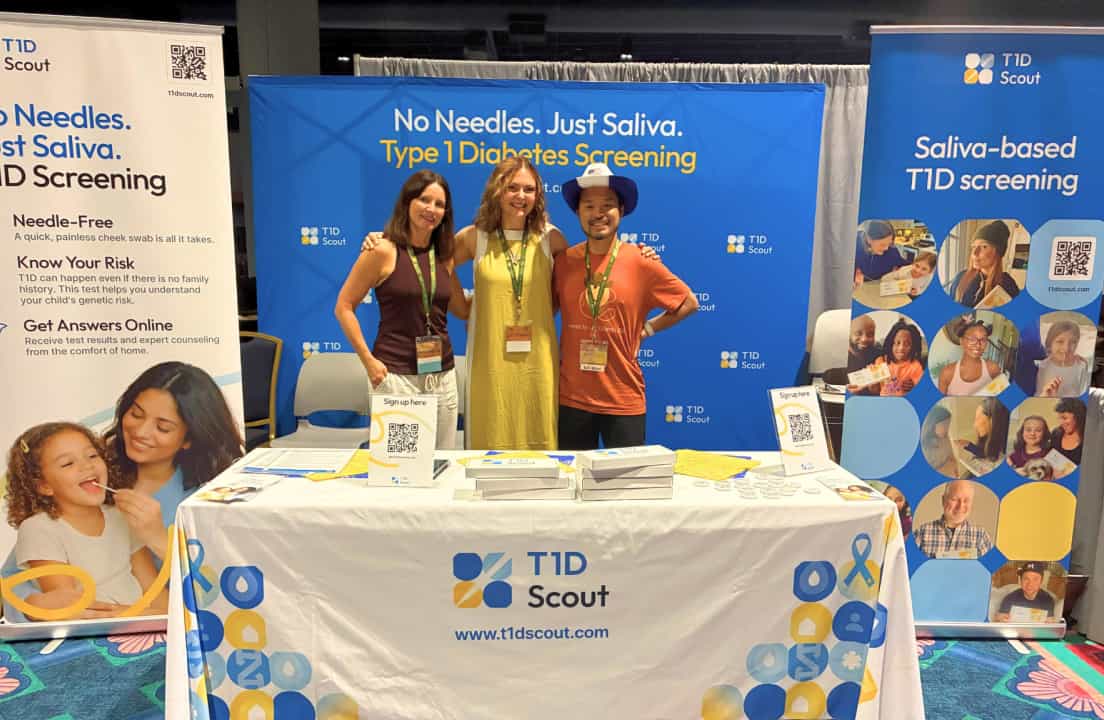
Hannah discovered T1D Scout through one of her Facebook groups and learned about the prescreening kits for children of parents with T1D. She immediately clicked the link to sign up.
“As a parent, the thought of passing on my condition to my children has always been a thought in the back of my mind.”
Hannah discussed the chances of her boys having diabetes with her pediatrician, who told her to watch for the signs. She was told that testing could be done, but not recommended if no symptoms were present.
Hannah and her husband agreed to screen the boys. “He was just as curious as I was. We both felt like it would help us better prepare for the future.”
Simple, Easy At-Home Testing
Screening through T1D Scout was so simple, said Hannah, even though she was a little nervous. “I was anxious to receive the results. I just assumed since I was a carrier of type 1, that they would at least carry the gene as well.”
According to the American Diabetes Association (ADA), a child of a mother with T1D generally has a 2% to 4% (roughly 1 in 25 to 1 in 100) lifetime risk of developing the condition. This risk is lower than if the father has T1D (6-9%) and is influenced by the mother’s age at birth, higher if under 25 and lower if over 25.
“There is always the fear that the screening would show a strong possibility of carrying or having the condition. All three of my boys did very well with each step of the testing.”

Steps for the T1D Scout Test Kit
- Register/Order Kit: Sign up on the T1D Scout site to request a kit
- Collect Sample: Collect a saliva swab
- Return Sample: Mail the saliva sample back to the lab, using the prepaid packaging
- Get Results: Access the results after a 15-day lab turnaround
- Receive personalized guidance and monitoring suggestions if results indicate a higher risk.
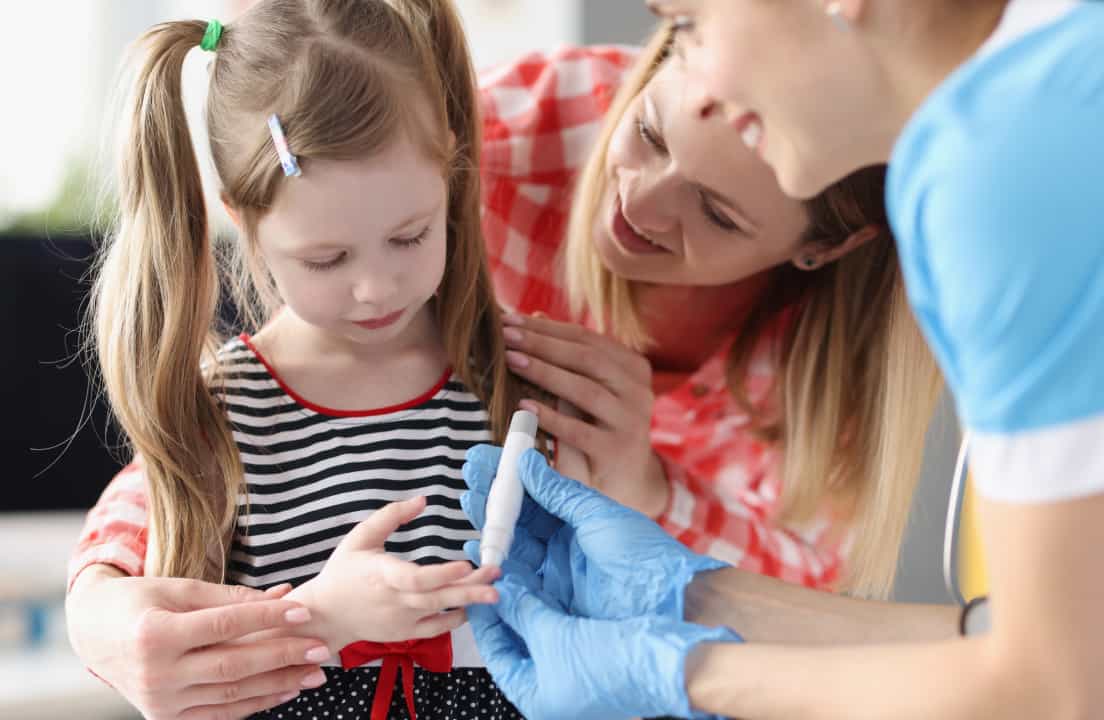
Hannah’s family joined T1D Scout’s pilot testing, which was a DNA test (saliva) and an AA blood test. A free follow-up AA test is provided to people who receive a “higher risk” result from the DNA test. Additionally, T1D Scout offers an autoantibody test as part of the screening program to monitor early T1D progression.
Hannah was pleased with how smoothly the process went and grateful that it could be done at home. “I was able to explain the testing to our oldest. He has some basic knowledge of my condition. My smaller ones did not understand, but they are always curious as to what mommy does with injections, CGM changes, and finger sticks. They acted excited to be included.”
Waiting for any test results can be challenging. “I check my emails daily, but I caught myself checking them more often. I was informed when the kits were received back at the lab and appreciated the updates.”
“Honestly, I was not surprised that two out of the three had high-risk results. I was actually relieved a little bit that none of them had any islet autoantibodies detected. I understood that nothing is 100%, but I was relieved that those were not yet detected.”
Moving Forward with Screening
During testing, Hannah learned that two of the three boys had a high-risk marker in their DNA. “Everything was up front. I understood what would be tested and the time frame. The results were very clear.”
The Braggs are now following up on testing through their pediatrician’s office at their annual checkup. “We keep an eye out for any symptoms, and I’ve checked our oldest son’s blood sugar a couple of occasions just to be sure it’s in range.”
To Know or Not to Know
It’s important to know that early detection before symptoms arise allows for timely lifestyle changes, medical preparation, and emotional preparedness. And while it can feel overwhelming, receiving the results can help you and your doctor build a targeted health plan.
“I am the type of person who likes to know in advance,” said Hannah. “I don’t like surprises. I like to be prepared for every situation and outcome. I feel like this screening has helped prepare us for the possible futures our children may face. It will help me make future decisions, maybe a little easier.”
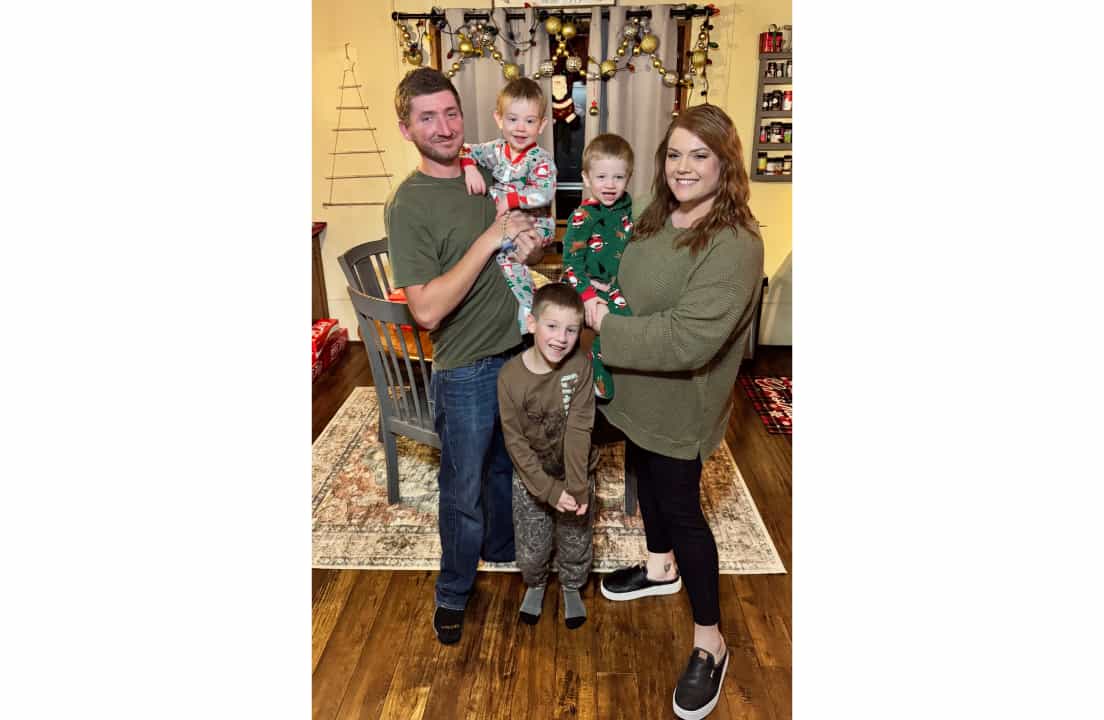
Hannah said that she and her husband are more aware of watching for the T1D symptoms. If one of their children becomes sick, they follow up with their provider every time. “We watch our boys a little more carefully. I do plan to inquire with our pediatrician if other testing might be an option based on our prescreening results.”
Hannah said neither her doctor nor her children’s pediatrician ever mentioned or recommended screening her children. “I think this needs to be mentioned to parents at birth or at least within the first year of life of every child.”
Advice for Parents on the Fence
Hannah wishes other parents knew how simple, noninvasive and easy the test was to complete at home. “I would recommend screening to other parents. It’s definitely worth trying, and there’s no harm done either way.”
Breakthrough T1D (formerly JDRF) reports that T1D screening is gaining notoriety in the last few years, not only because it can prevent life-threatening side effects like diabetic ketoacidosis (DKA), but it also opens the door to early intervention, clinical trials, FDA-approved therapies to delay the need for insulin and crucial time for families to monitor and prepare.
We now know that 60% of children are diagnosed with DKA, and children diagnosed with DKA struggle more with their blood sugar/A1cs than children not diagnosed with DKA.
“Early screening is a useful tool, especially for parents, as it could provide some peace of mind or at least some warning," said Hannah. "It could bring light to a possible life-threatening condition. I truly believe screening saves lives.”


.webp)


.jpeg)





















.jpg)







.jpg)






.jpg)




%20(1).jpg)






.jpg)

.jpg)
.jpg)
.jpg)
.jpg)
.jpg)
.jpg)
.jpg)

.jpg)
.jpg)

.jpg)

.jpg)
.jpg)
.jpg)

.jpg)
.jpg)

.jpg)
.jpg)
.jpg)
.jpg)

.jpg)


.webp)
.svg)