


T1D Guide
T1D Strong News
Personal Stories
Resources
T1D Misdiagnosis
T1D Early Detection
Research/Clinical Trials
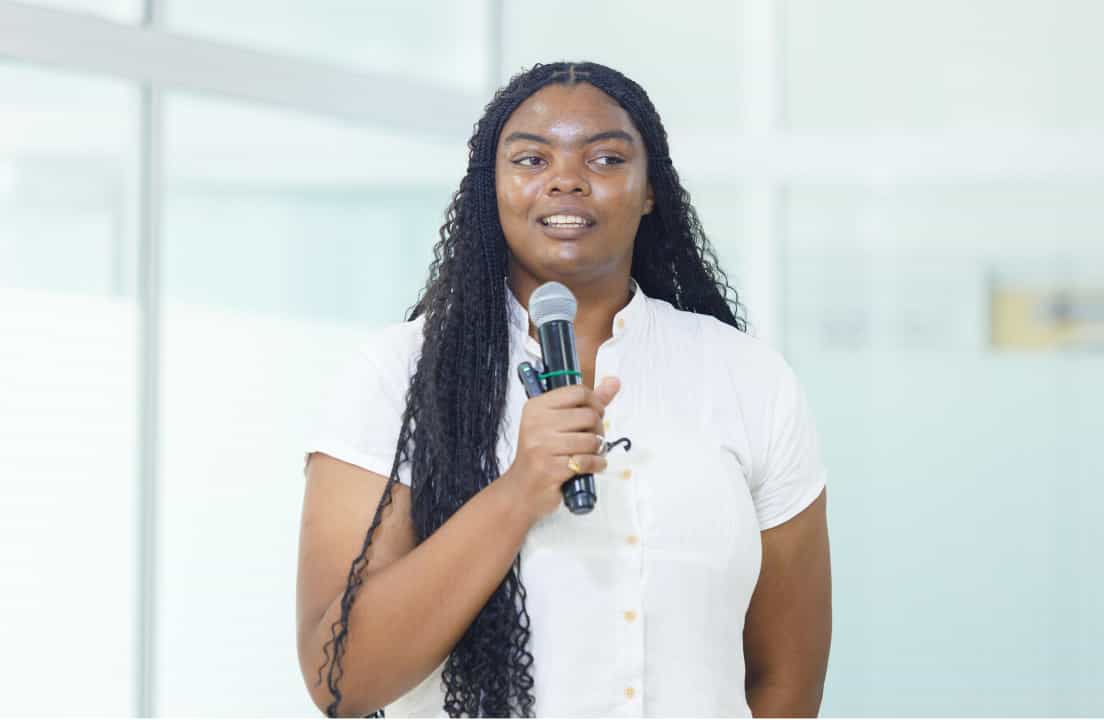
Sarah Picklo Halabu: Telehealth Leader and Founder of Hello Diabetes
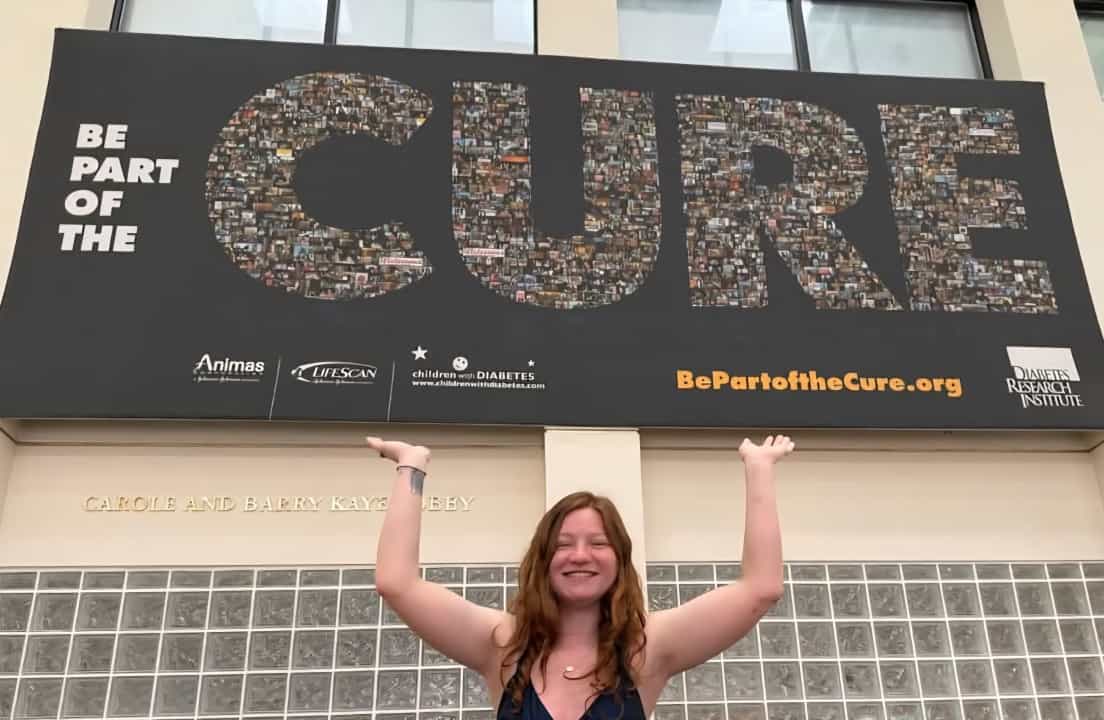
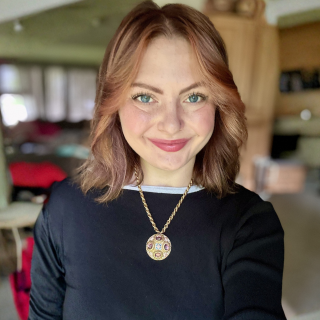
Sarah Picklo Halabu, founder of Hello Diabetes™, is a highly trained nutrition expert with specialized expertise in diabetes treatment. With almost 30 years of lived experience with type 1 diabetes (T1D), she has built a virtual diabetes wellness center that makes diabetes management affordable and accessible.
.jpg)
.webp)
Halabu shares her personal journey with T1D Strong and her belief that while technology and innovation are powerful tools, the more human skills of listening and compassion are often missing in diabetes services.
About Sarah Picklo Halabu
Sarah Picklo Halabu is a Certified Diabetes Care and Education Specialist (CDCES), Registered Dietitian Nutritionist (RDN), Licensed Dietitian Nutritionist (LDN), and board-certified in advanced diabetes management (BC-ADM). She holds a Master of Science in human nutrition and has worked across clinical care, digital health, and diabetes technology in roles including director of nutrition education, digital health consultant, and global clinical director.
She combines clinical expertise with innovation to advance models of diabetes care grounded in empathy, equity, and dignity.
Diagnosed at age nine with type 1 diabetes, Halabu recalled being ‘exceptionally’ and ‘unquenchably’ thirsty. Thankfully, her parents noticed her rapid weight loss and thirst, prompting a trip to the pediatrician and a three-day hospital stay. At the time, the idea of taking injections and poking her fingers multiple times a day sounded painful and frightening. “I remember feeling really disappointed about it all because I wanted to be a normal kid.”
Through the years, Halabu found her life constantly shaped by a condition that never takes a day off. “I’ve learned that it’s a constant negotiation between science, systems, and the deeply human parts of life,” she said. “That understanding has guided every step of my career and decision to focus on diabetes management.”
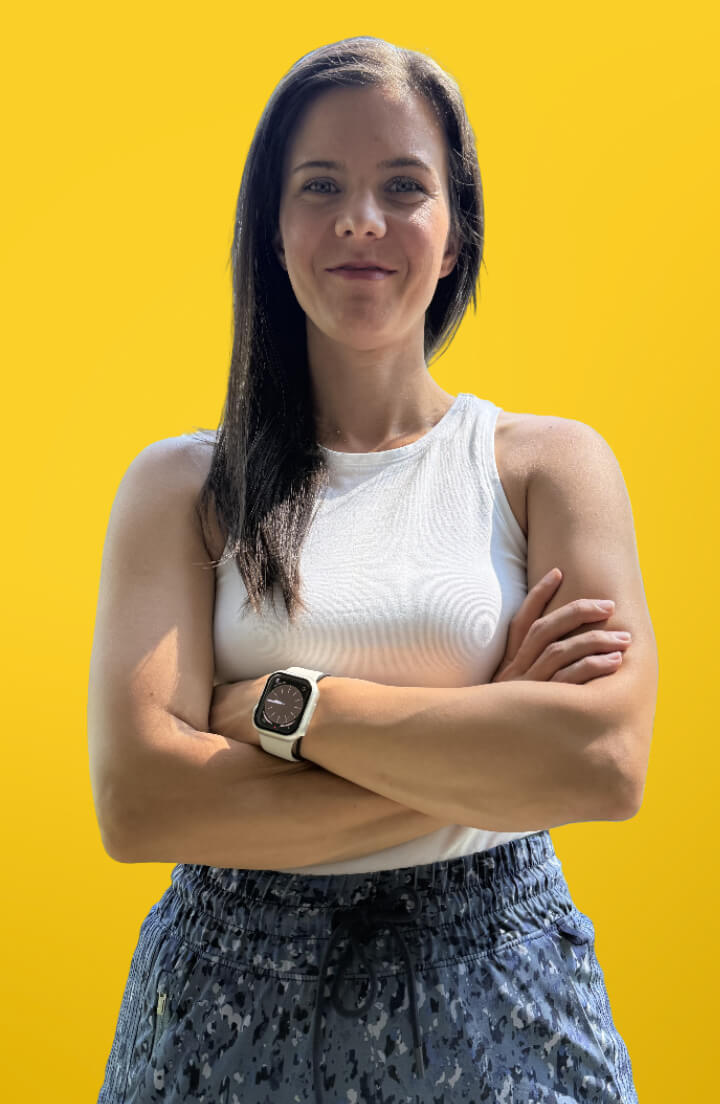
Having T1D herself motivated her to reach out to others struggling with common issues. Halabu’s career path has included consulting roles and large-scale projects in the diabetes industry, and other times it meant something quieter: “Helping one person feel less alone, or showing them that their numbers don’t define their worth.”
Enter Hello Diabetes
Some of life’s important turning points are often born from its toughest moments. Before starting Hello Diabetes, Halabu had just been laid off and found herself with a wealth of knowledge about diabetes and navigating the complexities of American health insurance. “Particularly, the ways our system fails people who manage T1D. I couldn’t shake the feeling that I was supposed to build something better.”
“I started tinkering with a simple idea: what if high‑quality diabetes care could be accessible, affordable, and rooted in real lived experience?”
Halabu said that what began as a sketch on a notepad became a telehealth practice that reflects everything she believes in: “That care should feel human, that expertise should be accessible, and that all people who live with any form of diabetes deserve support that honors both the science and the emotional weight of this condition.”
Established in 2021, Hello Diabetes is a 100% virtual, personalized diabetes care program. The service provides licensed specialists who offer medical nutrition therapy and diabetes self-management support. The virtual consultations address the real-life challenges of a condition that never stops.
Hello Diabetes services are in-network with major insurance providers, including Aetna, BlueCross BlueShield, Cigna, and many others. Even without insurance coverage, the platform provides support for diabetes technologies and offers cash-pay options. Individuals can also inquire about their direct-to-consumer pricing for consultations with specialists.
“Hello Diabetes is my way of giving people what I wish existed: a place where you’re seen, understood, and guided by someone who knows this life from the inside. It’s the most personal work I’ve ever done, and the most hopeful.”
In recent years, as mistrust in medicine and science has grown louder, Halabu has felt an even stronger responsibility to bridge the gap.
“If you are living with diabetes and it feels like it is taking up more space in your life than you want it to, you are not alone, and you are not meant to figure it out by yourself,” said Halabu.
“Hello Diabetes was built by people who live this, not just treat it. We understand what it means to never get a day off, and we have created a model of care that reflects that reality.”
The Human Condition
As we move closer to an AI-driven world, it’s vital to remember that artificial intelligence can’t replace human connection.
“Having T1D has profoundly shaped the way I practice,” said Halabu. “At its core, my lived experience keeps me humble and deeply connected to the people I serve. It reminds me that diabetes care is never just about numbers; it’s about honoring the full, complicated, deeply human experience of the person living with it.”

Why the T1D Journey is Best Understood Firsthand
Since Halabu has lived through many of the same conversations her patients bring to her, she carries a deep memory of what truly helped and what absolutely didn’t. Her journey spans childhood and adolescence through college, international travel, pregnancy during COVID, and now young parenthood while building a business.
“Each chapter has brought new physiological shifts, emotional demands, and logistical challenges.” Halabu’s found that “The condition adapts as our ability to manage it evolves, and we grow in the resilience it requires to become a lifelong companion.”
“One thing I have learned is that life is always changing, and diabetes is always along for the ride. Often, this gets missed in clinical visits because the focus is on glucose results, medications, and lab renewals.”
Halabu added that she can also apply scientifically proven techniques that deliver results. “That combination allows me to meet people exactly where they are, without judgment and without oversimplifying what they’re carrying, and help them lighten the load.”
How Telehealth Improves Diabetes Care
Telehealth has evolved over more than a century, from early phone consultations in the late 1800s to the more sophisticated, AI-driven platforms we have today. To address geographical constraints, virtual visits are becoming the standard when doctors or specialists are not available in person.
As a staunch proponent of telehealth, Halabu explained, “Telehealth has transformed diabetes care by removing the barriers and making high‑quality care easier to access, especially for people juggling work, family, or transportation challenges.”
What’s more, it unlocks access to qualified experts. “At Hello Diabetes, we view telehealth as essential to equalizing care and improving quality of life. When care becomes accessible and consistent, people are more likely to stay engaged, make progress, and feel supported.”
In fact, the process of tracking and sending health data to providers has never been more widely used, and mobile health, using apps for health tracking, notifications for medications and sharing educational resources, is a completely viable option today.”
Halabu’s Food & Nutrition Tips
T1D nutrition focuses, much the same way it does for the general population: a healthy, balanced diet rich in fiber, whole grains, vegetables, and lean protein, but with the added burden of balancing carbohydrates with insulin doses to maintain stable blood sugar levels.
“For decades, diabetes care was defined by rigid restriction, and later, clinicians wanted to counter that by giving kids freedom. But taken literally, it can create confusion,” said Halabu. “It can sound like diabetes has no nutritional considerations at all, when in reality, food is one of the most powerful tools we have for long-term health.”

Halabu added, “Balance is key, and while insulin allows for flexibility, some foods are simply harder to manage, and some patterns support long‑term health better than others. The goal isn’t perfection or avoidance. It’s learning how to match insulin to real life.”
“I wish more people heard this at diagnosis: It’s a process. You will learn as you go. You will make mistakes, and that’s okay,” she said. “The work I love most is helping people refine how to bolus for the foods they actually eat …pizza, sushi, birthday cake, and watching their confidence grow as they realize they can live fully and manage their diabetes well.”
Halabu’s Advice To Newly Diagnosed
1. You don’t need to be perfect.
Do your best to identify the carbohydrates and bolus as accurately as possible. Take note of when surprises occur, like an unexpected elevated post‑meal blood sugar. Over time, you’ll start to see patterns.
2. Carbohydrates are only part of the picture.
Proteins, fats, and fiber all interact with carbohydrates and influence how your body uses and stores energy. The body is an extraordinary ecosystem, constantly borrowing and balancing different nutrients as fuel. That balance—how much of each nutrient is present, when it’s eaten, and how your body responds—ultimately shapes blood glucose levels throughout the day.
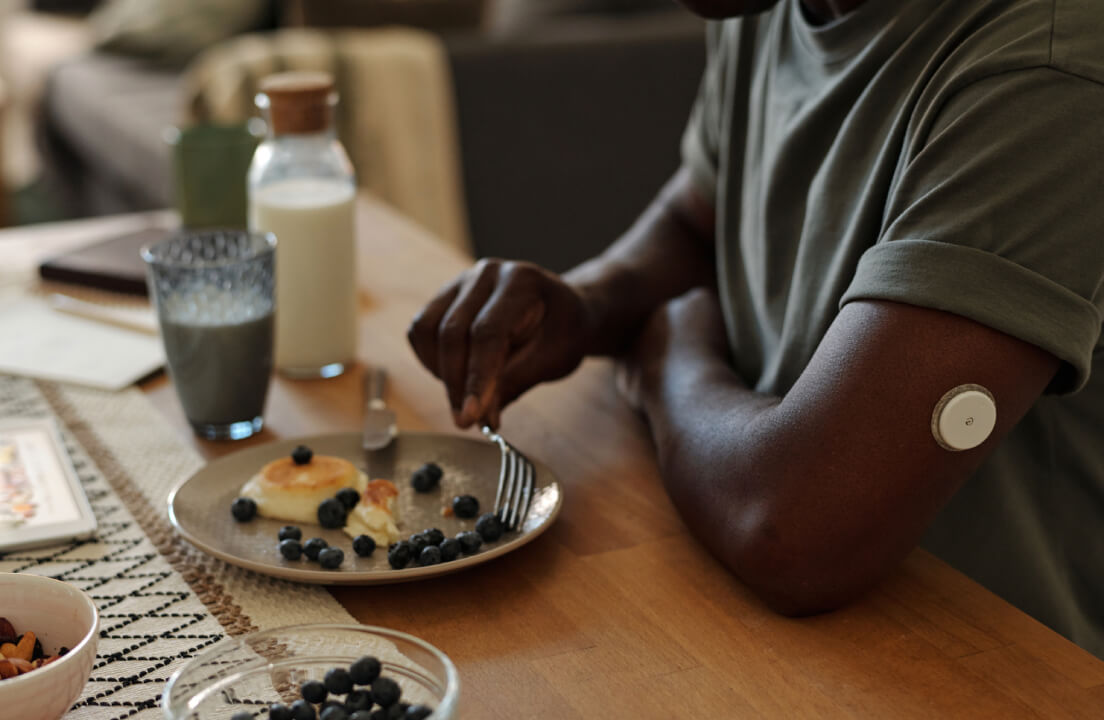
Some foods spike quickly, some slowly. This isn’t about “good” or “bad” foods. Take note if you are eliminating carbohydrate foods because they make you feel overwhelmed, stressed, or guilty about your blood sugar being out of range.
3. Watch Your emotional health.
When eating becomes a source of anxiety or guilt, it can interfere with both physical and emotional health. Stress hormones can raise blood glucose levels on their own, and constant worry about food choices can make it harder to notice patterns or respond calmly when numbers fluctuate.
Over time, this kind of restriction can lead to burnout, unpredictable glucose swings, and a strained relationship with food. Food is not the enemy; it is information that helps you understand how your body works and what it needs to thrive.
4. You don’t have to figure this out alone.
The internet is loud, but qualified professionals can help you sort out what actually applies to you. Sometimes the biggest relief is having someone walk you through how to enjoy the foods you love without fear or judgment.
5. Stigma is real.
People will say unhelpful, hurtful, and very rude things about what you “should” or “shouldn’t” eat because of their misconceptions about diabetes and nutrition. Protect your truth and your peace.

6. Healthy eating is for everyone.
Diabetes doesn’t change the fundamentals of good nutrition: balanced meals, fiber, protein, and movement support health for all bodies. Unfortunately, good nutrition is poorly understood and often misrepresented. At its core, diabetes nutrition isn’t about restriction. It’s about building a life that feels true to you.
Creating a Healthy Relationship with Eating & Diabetes
For many people, especially those managing chronic health conditions, that added psychological load can make day-to-day eating harder rather than easier. Halabu tends to shift the focus away from strict dieting and toward more consistent, flexible eating patterns that can hold up in real life without relying on restriction cycles.
“If someone is looking for a place to start learning more about healthy eating, the Mediterranean dietary pattern is often a great jumping-off point. It is one of the most well-studied eating patterns and tends to be flexible, culturally adaptable, and easy to incorporate into everyday meals.”
GLP-1s for Type 1 Diabetes
Halabu supports GLP-1s as a well-established, important tool to improve blood glucose control, support weight management, reduce cardiovascular risk in many patients, and, in some cases, reduce the need for other medications. For a lot of people with type 2 diabetes (T2D), they are a meaningful part of modern diabetes care. Many appreciate how GLP‑1s curb specific cravings, make it easier to choose balanced meals, and deliver tangible progress on the scale.
“In type 1 diabetes, the picture is different. GLP-1s are not approved as a standard treatment. However, in practice, I have seen many people with T1D who also have conditions for which GLP-1s are approved, such as obesity or sleep apnea, and benefit significantly from these medications.”
“While they are not yet part of standard guideline-based care for T1D, I do hope the evidence base continues to evolve, because the impact on quality of life is very compelling.”
Pregnancy and T1D
What used to be a frightening deterrent for a type 1 woman to conceive and carry a baby to full term (thanks, Steel Magnolias), Halabu has this to say to women embarking on pregnancy with T1D. “A healthy pregnancy with type 1 diabetes is absolutely achievable! Having the right care team and support in place can certainly feel like a lifeline.”

Halabu started her career in diabetes and pregnancy care, and it has remained one of her favorite areas of practice. “Insulin needs change continuously throughout pregnancy, and management requires frequent adjustment, flexibility, and a willingness to work in partnership rather than through rigid rules.”
“Pregnancy alongside T1D is also an emotionally complex experience,” said Halabu.
“My clients are often managing not only glucose, but also diabetes stigma, blunt bedside manner, and a constant stream of external expectations about what they ‘should’ be doing or how what they are doing continuously falls short,” she added. “What is often needed is not more pressure, but more support, better tools, and care that respects both the intensity and individuality of this process.”
Stigma and Pregnancy
Halabu said that during her nearly thirty years with type 1 diabetes, pregnancy care was where I experienced diabetes stigma the most. “It was the space where T1D was least understood and where hospital protocols were often written from outdated research, mostly focused on gestational diabetes, with very little understanding of what is possible for women with T1D.”
Halabu’s advice is to find a team that believes in you, respects your birth plan, and is willing to partner with you. “It can be uncomfortable to advocate for yourself in those moments, but it is worth it.”
“This is an area that could truly undergo a transformation, one that replaces fear with empowerment, outdated assumptions with evidence, and rigid control with partnership. We can do much better in delivering care, achieving healthy outcomes, and supporting women navigating extra‑effort pregnancies as we do in T1D.”
Speaking of Stigma…
Diabetes stigma is one of the most significant and often overlooked parts of care. “In many ways, it leaves some of the deepest and most lasting wounds,” said Halabu. “In my practice, addressing stigma is not separate from clinical care; it is part of it.”
“Many of the beliefs people carry about themselves and their diabetes are shaped by years of external messaging, and a big part of the work is helping people identify those narratives and question them.”
“We also focus on practical tools. That can include how to respond to unhelpful comments, how to advocate within healthcare settings, and how to reduce the internal pressure that often comes from trying to meet unrealistic expectations. The goal is not just better glucose outcomes, but a healthier relationship with diabetes, one that is informed, self-directed, and less shaped by stigma.”

Equity and Diabetes
A sad hardship for many living with T1D is not having the resources or financial help to treat this chronic illness in a befitting way. “Equity is one of the most persistent challenges in type 1 diabetes care, and in many ways it comes down to access. Who can afford support, who can access technology, and who is left to navigate it alone,” said Halabu.
“In building my practice, we made a very intentional decision to work within the insurance system rather than outside of it. There is a growing trend toward cash-based diabetes coaching, but that model inherently limits who can access care. We believe diabetes support should not be reserved for those who can pay out-of-pocket.”
“Because of that, we prioritize price transparency, verify benefits upfront, and build care plans that align with each person’s actual coverage,” she added. “In many cases, services are largely or fully covered, which can make ongoing support far more accessible. And when insurance coverage falls short, we focus on helping people prioritize care, adjust the plan as needed, and connect with external resources when available.”
Diabetes Burnout & Empowerment
Halabu believes the first step is to acknowledge how much patients are carrying, because most people have been taught to minimize it. “I do not try to rush people out of that place. Feeling low is not a failure in diabetes care. In many cases, it is a very normal response to the constant demands of managing it.”
“From there, empowerment is not about motivation; it is about reducing the load,” said Halabu. “We focus on what feels most overwhelming and make it smaller, more manageable, and more realistic for that moment.”
“A big part of the work is also helping people separate their self-worth from their glucose data.”
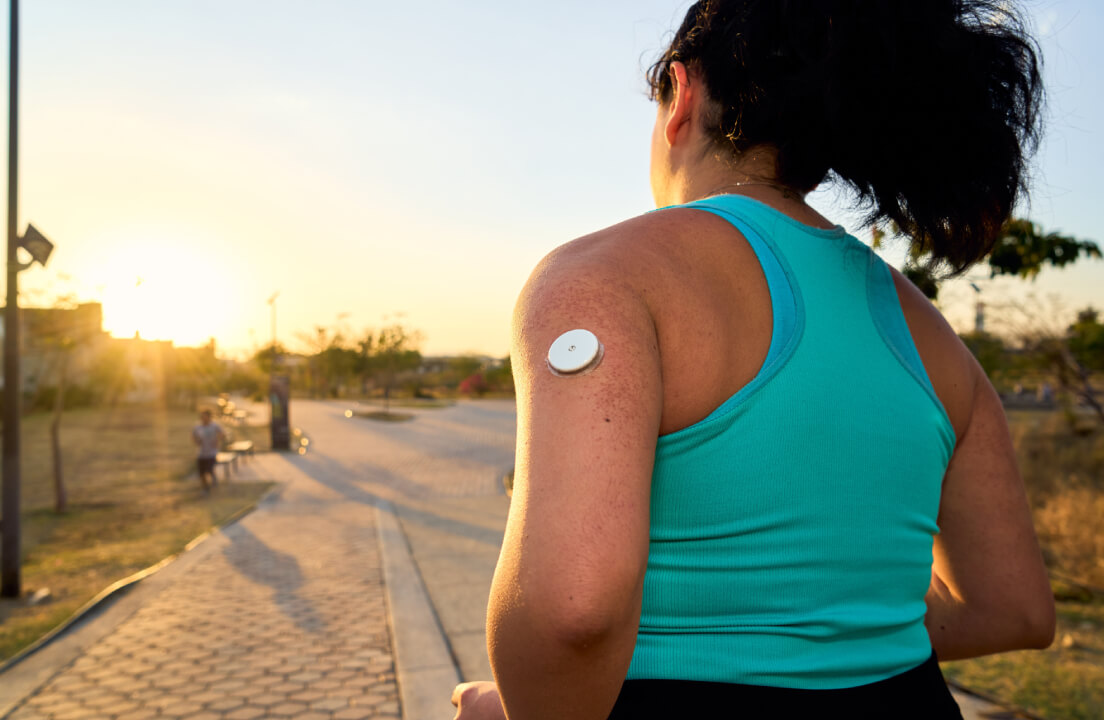
Diabetes is constant. The right support should be too.
Hello Diabetes believes diabetes care should be accessible, covered by insurance, and free from judgment. “We actively push back on the idea that perfect control is the goal,” Halabu explained. “Instead, we help people build sustainable and flexible approaches that support their full lives.”
“This is just the beginning of what we are building. Our vision is a future where people with diabetes have ongoing, relationship-based support, not just brief appointments or one-size-fits-all advice,” she added. “Whether you are looking for support, seeking a trusted referral partner, or exploring better ways to deliver diabetes care, we would love to connect with you.”
Fill out the hellodiabetes.me/contact to request a call, text, or email.


.webp)




.jpeg)














.jpg)






.jpg)












%20(1).jpg)






.jpg)

.jpg)
.jpg)
.jpg)
.jpg)
.jpg)
.jpg)
.jpg)

.jpg)
.jpg)

.jpg)
.jpg)
.jpg)
.jpg)

.jpg)
.jpg)

.jpg)
.jpg)
.jpg)
.jpg)

.jpg)

.jpg)
.jpg)



.webp)
.svg)