


T1D Guide
T1D Strong News
Personal Stories
Resources
T1D Misdiagnosis
T1D Early Detection
Research/Clinical Trials
Low-Carb Living with Diabetes: Nupur Lalvani’s Journey to Clearer Numbers and Peace of Mind
As Nutrition Month in March comes to an end, many of us in the type 1 diabetes community are thinking about what “eating well” actually looks like in real life. It is one thing to hear general advice in a clinic or see colorful posters about balanced plates. It is another thing to live with blood sugar levels that can shoot up or crash several times a day.


For some people with type 1 diabetes (T1D), a low-carb way of eating has become a powerful tool to calm that roller coaster. For Nupur Lalvani, global health advocate and founder-director of Blue Circle Diabetes Foundation, India's largest community-led support group for people living with diabetes—it’s been transformative.

Nupur was diagnosed with type 1 diabetes as a child, and has now lived with it for almost 30 years. Her story shows how changing food choices helped protect her eyes, steady her blood sugars and improve her day-to-day life. And it also reflects a growing movement of committed advocates.
From “Juvenile Diabetes” to Modern Tech
When Nupur was diagnosed in grade three, doctors called her condition “juvenile diabetes.” She was nearly eight years old. Her treatment started with regular and NPH insulin, mixed together in a syringe and injected twice a day.
At home, her family did not have a blood glucose meter. Instead, her parents used thick strips that changed color when blood was applied. After waiting and wiping the strip, they would hold it up to a chart to guess her blood sugar. It was rough, imprecise and often led to arguments about what the color really meant.
Compared with today’s continuous glucose monitors (CGMs) and insulin pumps, that world feels very far away. Yet even now, with advanced technology, daily food choices still have a huge impact on blood sugar and long-term health.
A Heavy Burden for Parents
The diagnosis changed life for Nupur’s whole family. Her sister was still an infant when Nupur was told she would need insulin injections every day for the rest of her life.
As a child, Nupur accepted the news more calmly than many adults might expect. She trusted that her parents would manage things. For her parents, it was a different story. Doctors warned them again and again about the dangers of low blood sugar. Severe hypoglycemia could be life-threatening, they said, so they focused on avoiding lows at all costs.
Nobody talked much about the long-term harm of frequent highs, another serious side effect that can lead to diabetic ketoacidosis (DKA). So for many years, Nupur’s blood sugar was kept on the higher side—often around 200 or 300 mg/dL—to avoid the risk of dangerous lows. At the time, this felt like the safest option for a small child.
Today, as National Nutrition Month highlights the link between food, blood sugars and complications, Nupur wishes her family had been given clearer information from the start.
Another big decision her parents made was to be open about her diagnosis. They told teachers, the school principal, neighbors and friends. Some people warned them that this could lead to diabetes stigma, judgment or gossip, and suggested they keep it secret.
Her parents chose safety over secrecy. They believed that the adults around Nupur needed to know how to help if she had a low blood sugar or any other emergency.
Even now, many people with type 1 diabetes feel pressure to hide their condition, especially at school or work.

Nupur sees how that secrecy can create shame, including around food and body image. She is grateful that her parents chose openness instead, and she believes that being honest about diabetes is one of the foundations of healthy self-care.
A Scare With Her Eyes
About 10 years ago, Nupur got news that changed the way she thought about food. After many years of high HbA1c values, often between 10 and 12 percent, she had worked hard to bring her numbers down. Eventually, her HbA1c was around 6.3 percent.
This looked like success on paper. But during a routine eye exam, her ophthalmologist noticed signs of non-proliferative diabetic retinopathy, an early form of diabetes-related eye disease. When she asked if she would lose her vision, he told her not to worry. He explained that after so many years with diabetes, it was common to see some changes in the eyes.
Even with that reassurance, Nupur could not shake her fear. As soon as her vision cleared after the exam, she went home and started searching for more information.
Discovering Low Carb
That search led her to the work of Dr. Richard Bernstein, a doctor with type 1 diabetes who promoted a very low-carb approach to keep blood sugars close to the normal range. Nupur ordered his book, read it quickly and realized there was an entire way of managing diabetes through food that she had never been told about.

At that time, her HbA1c was 6.3 percent. She decided to try a low-carb diet. She cut out most high-carb foods, focused more on protein and non-starchy vegetables, and kept her meals simple and satisfying.
The next year, her HbA1c dropped to 5.2 percent. At her annual eye exam, the ophthalmologist could no longer see the changes he had seen before. He repeated the test because it was so unusual in his experience to see early retinopathy disappear. Since then, her eye exams have stayed clear.
This experience made low-carb much more than a “diet” for Nupur. It became a way to protect her vision, her independence and her future.
What CGM Showed Her About “Healthy” Food
Around the same time, Nupur started wearing a continuous glucose monitor. Up until then, she believed that home-cooked meals were automatically “healthy” and safe. She only saw her blood sugar when she pricked her finger, giving her isolated snapshots rather than the full story.
With CGM, everything became visible. Some of her usual home meals, especially those based on grains and starches, were causing big blood sugar spikes followed by drops. Her “good” HbA1c turned out to be the average of many highs and lows, not a sign of stable control.
The CGM confirmed what the low-carb approach was already teaching her: food can either keep things calm or throw fuel on the fire.

Why Carbs Are So Hard to Handle
Even with modern rapid-acting insulin and smart pumps, carbs are difficult to manage in type 1 diabetes. Carbohydrate-rich foods raise blood sugar quickly. Injected insulin almost always lags behind, because it takes time to absorb and start working.
People with T1D can pre-bolus, count carbs and use the latest tools, but there are still many variables they cannot fully control, such as stress, hormones and activity levels. The result is often a tired, emotional person chasing after numbers that keep jumping around.
On top of that, high-carb foods are everywhere. Sandwich trays, pastries, cookies and snacks made with white flour are cheap and easy to serve, so they show up at nearly every event. That might work fine for people without diabetes, but it makes life much harder for those who do live with this chronic health condition.
Low Carb as a Calm, Predictable Option
For Nupur, low carb is not about perfection. It is about making her blood sugars easier to live with. A typical meal for her might be eggs, non-starchy vegetables and a source of protein like sausages or meat. These meals keep her full and create a smooth, steady line on her CGM instead of dramatic peaks and crashes.
She does not feel deprived without regular bread or cake. When she wants something special, she can choose low-carb versions made with almond flour, coconut flour and sweeteners such as stevia or monk fruit. She enjoys those foods occasionally, not every day, and feels they allow her to participate in celebrations without sending her blood sugar into chaos.
She sometimes compares carbs to an intolerance. If someone had a serious peanut allergy, nobody would insist they eat peanuts to “enjoy life.” Similarly, large amounts of carbs simply do not agree with her body. They cause damage she can now see clearly on her CGM and in her lab results. Low-carb foods, on the other hand, support her goal of staying healthy for the long term.
On top of the physical benefits, Nupur also notices that stable blood sugars help her think more clearly and feel more emotionally balanced. She describes feeling happier, more energetic and more in control.
A Growing Community of Low-Carb Advocates
Nupur is not alone in this path. Around the world, more people with type 1 diabetes are experimenting with reducing carbs and sharing their stories.
Organizations like Diaverge Diabetes now offer low-carb coaching for people with diabetes who want guidance on making changes safely and sustainably.
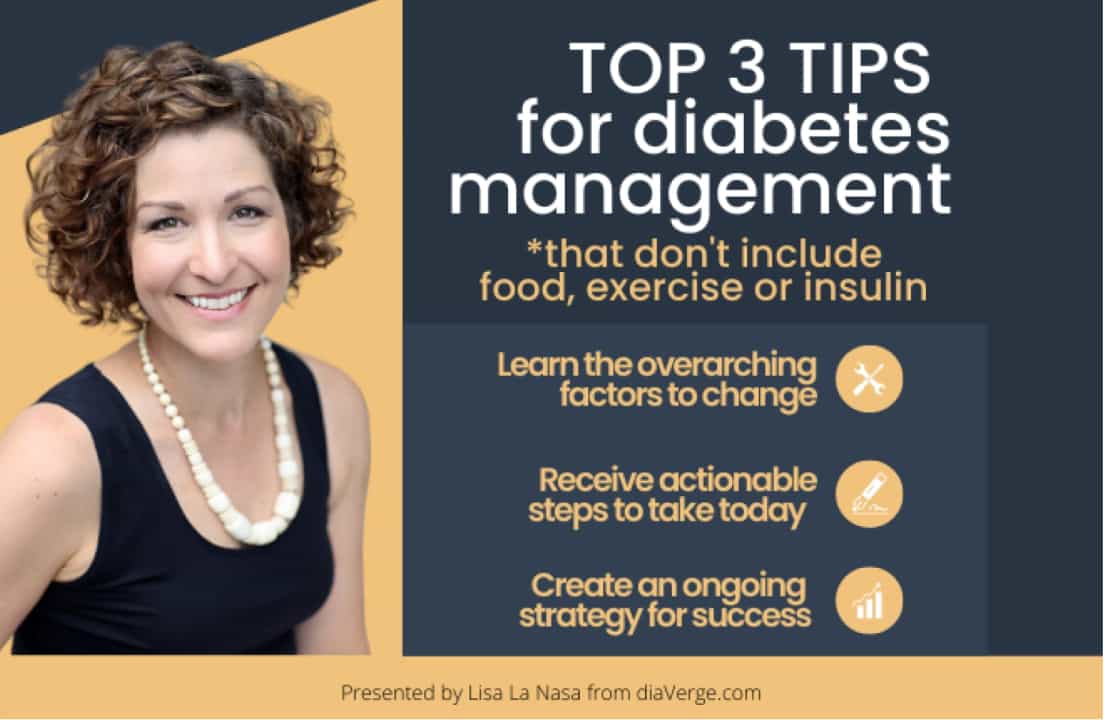
Coaches help people adjust insulin, understand patterns and find meals that fit their cultures, preferences and families.
Advocates such as Lisa La Nasa, Mark Tiller, Allison Herschede, Kory Seder, Nupur and myself openly share our own experiences. We talk about the challenges, the learning curve and the benefits we have seen in their own blood sugars, complications and everyday lives. Our work helps others see that low-carb is not extreme or strange. It is simply one more valid way to manage diabetes, grounded in real-life experience and, increasingly, in research.
Nupur sees herself as part of this wider low-carb community. She believes people with type 1 should know that options like low carb exist, so they can discuss them with their healthcare team and decide what feels right for them.
Support at Home and Hope for the Future
At home, Nupur’s whole family now eats low carb, even though she is the only one with type 1 diabetes. They see it as a tasty and healthy way to support metabolic health and possibly reduce the risk of other conditions, such as type 2 diabetes (T2D).
Diabetes has not only changed what they eat, but also how they think about food. They cook more often, rely less on ultra-processed products and pay attention to how food makes them feel.
As Nutrition Month draws to a close, Nupur hopes the conversation about food and diabetes will not stop with the end of March. For her, low-carb is not a temporary challenge or a trend. It is a long-term choice that has given her clearer eyes, steadier numbers and more peace with T1D.
She knows low-carb will not be the right approach for everyone, and she respects the many different ways people manage their condition. Nupur’s message is simple: people with diabetes deserve full information, real options and genuine support—whether they choose a standard plan, a moderate reduction in carbs or a more committed low-carb lifestyle.


.webp)

.webp)

.jpeg)



















.jpg)






.jpg)






.jpg)







%20(1).jpg)






.jpg)

.jpg)
.jpg)
.jpg)
.jpg)
.jpg)
.jpg)
.jpg)


.jpg)
.jpg)

.jpg)

.jpg)
.jpg)

.jpg)
.jpg)

.jpg)
.jpg)
.jpg)
.jpg)

.jpg)

.jpg)
.jpg)

.jpg)
.jpg)
.jpg)


.webp)
.svg)