


T1D Guide
T1D Strong News
Personal Stories
Resources
T1D Misdiagnosis
T1D Early Detection
Research/Clinical Trials
Showing Up Fully with Type 1 Diabetes: Chelcie Rice on Depression, Advocacy, and Purpose
Living with type 1 diabetes (T1D) is more than managing blood sugars. It is a constant mental load that can shape emotional health over time. In this Mental Health Month feature, comedian and advocate Chelcie Rice shares how he navigates depression while living with T1D and the ongoing work of showing up each day. His story explores burnout, aging, advocacy and the power of community, offering a real look at the emotional side of life with a chronic condition.

.jpeg)
Showing Up, Even When You Don’t Want To
Rice does not describe “showing up” as something polished or inspiring. For him, it is a decision he has to make again and again. “You want to step away, but at some point you have to get back in and figure out where you’re at.”
Rice, a comedian, speaker and longtime diabetes advocate, has lived with type 1 diabetes since 1989. Over the years, he has learned that showing up is less about confidence and more about self-awareness. “It comes down to self-advocacy and being there for yourself,” he said.
There are days when he would rather disconnect. Days when it feels too heavy. Diabetes does not pause. It waits. And eventually, it demands attention.
For Rice, it means returning to that reality, even when it is the last thing he wants to do.
The Emotional Side of T1D
Living with type 1 diabetes is often described in clinical terms. Insulin doses. Blood glucose levels. Technology. But those details only tell part of the story.
The emotional side is harder to explain. “You have good days and bad days,” Rice said. “And you have to learn how to balance the two.” That balance is not easy. It is shaped by constant decision-making, uncertainty and the quiet anticipation of what might come next.
“There’s a lot of sadness and a lot of dread,” he said. “Going to the doctor and anticipating bad news, that’s always there.” The mental load does not turn off. It follows daily routines, work stress and financial concerns. It shows up in small moments, like counting carbohydrates, and in larger ones, like managing insurance or dealing with unexpected complications.
For Rice, the only way forward has been to take it one day at a time.
“Sometimes you have to step away and do something you enjoy,” he said. “Then come back and reassess where you’re at.”
Depression and Mental Health
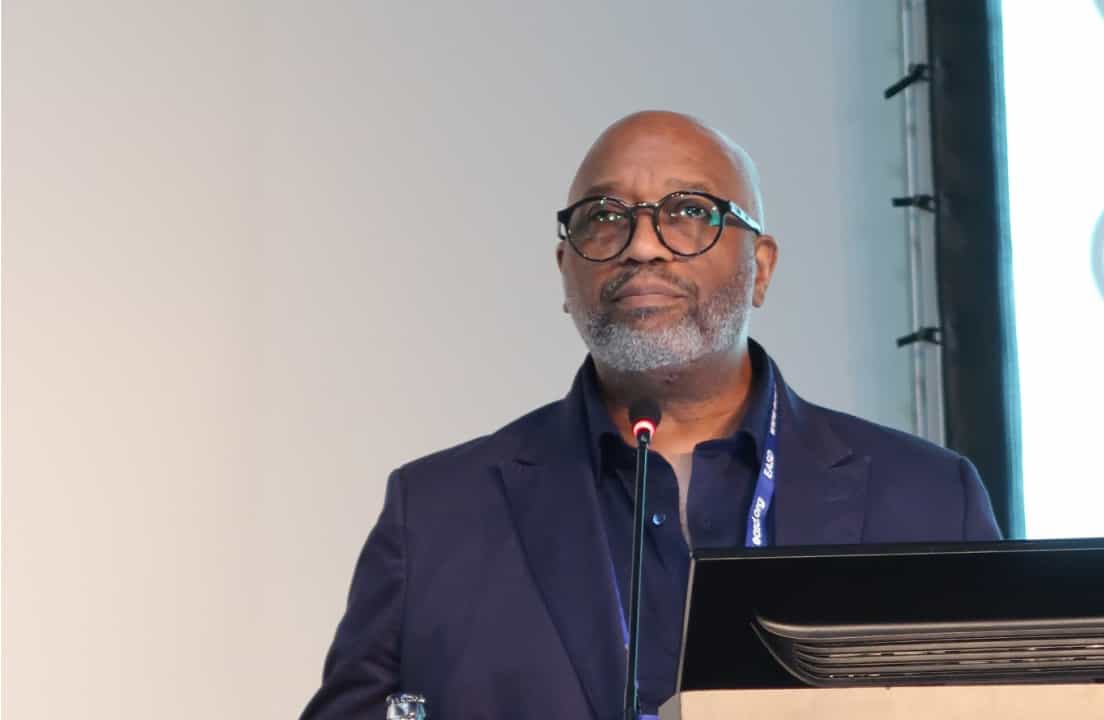
Rice is open about his mental health. He does not separate it from his life with diabetes.
In fact, his struggles began long before his diagnosis, but over time, they became closely tied to managing it.
“I’ve always been depressed,” he said. “I just thought I was a sad kid.”
At the time, there was little language or awareness around mental health. What he felt was not something people talked about openly.
When he was diagnosed in his mid-20s, it added another layer. At first, he focused on learning how to manage the condition. He did not know anyone else with T1D. He had to figure things out on his own.
Over time, it all started to add up. “The more depressed I got, the more difficult it became to treat my diabetes,” Rice said. That connection became impossible to ignore. His mental and physical health were not separate. They affected each other in real and immediate ways.
There came a point when he realized something had to change. “I had to show up and take an assessment of where I’m at and what I need to do,” he said.
When Everything Starts To Pile Up
One of the most honest parts of Rice’s story is how he describes stress. It does not come from one source. It adds up over time. “I tend to let things pile on,” he said. “Until it becomes unbearable.”
That buildup can come from anything:
- a difficult day at work
- an insulin pump malfunction
- unexpected medical costs
- misplacing something small
Each moment alone may seem manageable. Together, they create pressure.
“There’s not one thing,” he said. “It just builds.” Rice is clear that he is still working on managing it all. There is no perfect system. No simple fix. He also pushes back against the idea that there should be one. “I hate toxic positivity,” he said. “I don’t think it helps anyone.”
Instead, he speaks openly about the reality. Some days are harder than others. Some moments feel overwhelming. The only option is to pause, take a step back and move forward when possible.
Burnout, Depression and Mental Health
The term “diabetes burnout” is often used to describe the mental and emotional exhaustion that can come with managing it. Rice sees it differently. “I think burnout is part of depression,” he said. “I don’t see it as something separate.” For him, burnout is not just about diabetes management. It is part of a larger mental health experience that includes anxiety, stress and emotional fatigue.
That perspective challenges a common narrative. It shifts the focus from the condition itself to the person living with it. In this context, it is not a side issue. It shapes how everything is managed.
Aging with Diabetes
As Rice has gotten older, new concerns have emerged. “Aging kind of crept up on me,” he said. “You turn 50 and life becomes real.”
At 61, he finds himself thinking about time in a way he did not before. Hearing about friends and peers passing away has made those thoughts more immediate. “It makes me wonder how much time I have,” he said.
Living with a chronic condition adds another layer to that reflection. It raises questions that are not always easy to answer. The future feels less abstract. It becomes something to consider, plan for and, at times, worry about.
Vision Changes and Missed Chances
Rice has experienced partial vision loss in his right eye. It has affected his ability to drive at night.
It goes beyond the practical. “I didn’t really give myself a chance to mourn it,” he said. Instead, he internalized it as part of a pattern. “It just seemed like that’s the way my luck works,” he said.
That mindset, shaped over time, influenced how he approached risk and opportunity.

“It’s kept me from taking chances,” he said. Simple decisions, like leaving a job or trying something new, carry more weight when health care and insurance are involved.
“I didn’t know if I’d be able to find something with good insurance,” he said.
Even personal goals have been affected. “I wanted to learn to ride a motorcycle,” he said. “Now I don’t know if I can do that.” These are the quieter losses. The ones that are not always visible but shape daily life.
Finding Humor, Eventually
Rice is widely known as the “type 1 comedian.” His work brings humor into a space that often feels serious. But he says it is not immediate. “It wasn’t funny when I lost my vision,” he said. “I had to grow into it.”
Comedy, for him, is a form of processing. A way to revisit difficult experiences once the initial impact has passed. “You find the absurdities,” he said.
That does not mean everyone should do the same. “If that’s not your thing, don’t try to force it,” he said. It is personal. It takes time. And sometimes, it does not come at all.
When it does, it can shift perspective. It can create distance between the person and the problem. It can make something heavy feel, if only briefly, lighter.
Using Comedy for Awareness
Rice created “Sugar Free Comedy” as a way to combine his skills with his advocacy.
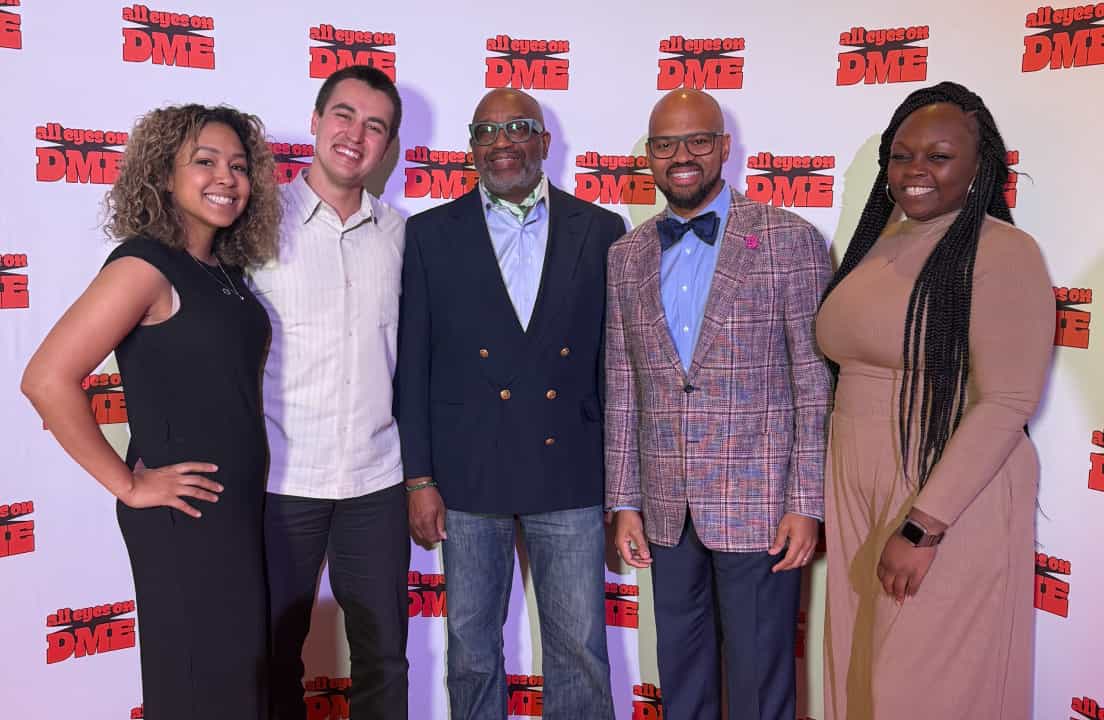
It began while performing with other comedians who hosted shows to support nonprofits. That experience sparked an idea.
“I thought I could do the same thing for diabetes,” he said. He began organizing shows to raise awareness and funds, including events connected to the American Diabetes Association (ADA). The name itself was simple. “It was just something I came up with,” he said.
Over time, it became a way to connect audiences with the realities of living with diabetes, using humor as an entry point.
Advocacy as a Form of Survival
This work plays a central role in Rice’s life. It is not just work. It is a way to stay grounded. “When I’m being productive, I’m pretty much bulletproof,” he said.
Staying engaged, connecting with others and contributing to the community helps shift his focus away from internal struggles. Even during stressful periods, he leans into that work. “I try to invest that time in me,” he said. “Bet on myself.”
That includes rebuilding projects, connecting with organizations and re-engaging with the diabetes community. Being around others who understand has been especially important. “They’ve helped me immensely,” he said.
A Global Perspective on Diabetes Stigma
Rice recently traveled to Jaipur for the Global Summit to End Diabetes Stigma, joining advocates from around the world.
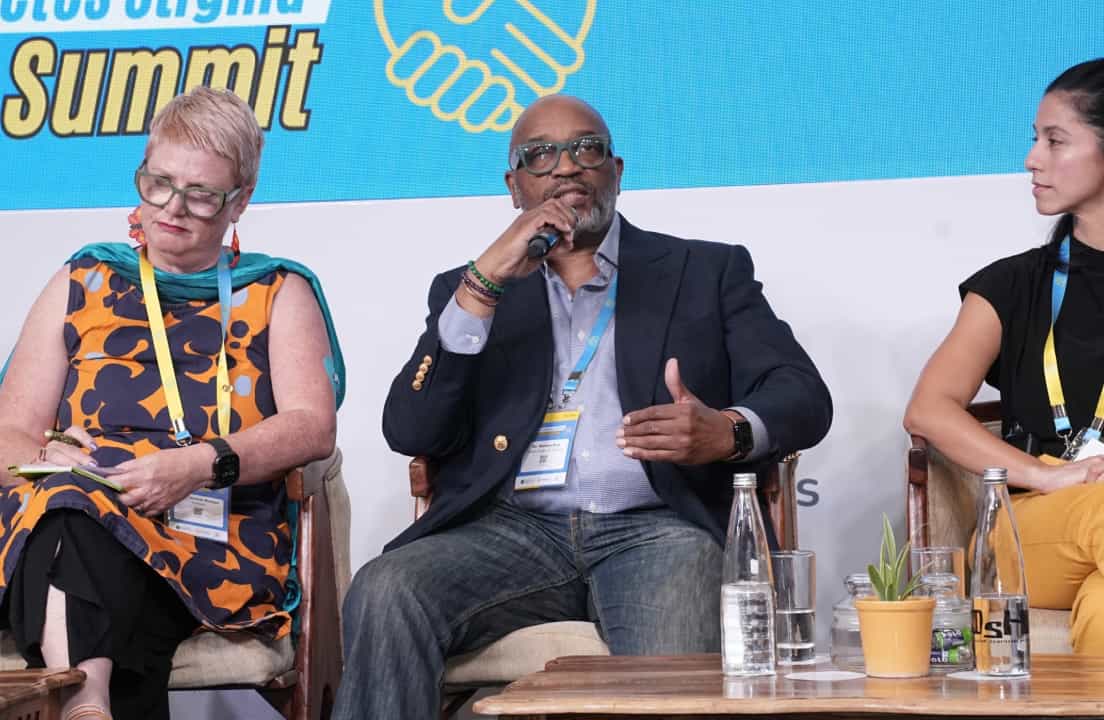
Experiences like this have expanded his perspective. They have reinforced the idea that diabetes is not just a personal condition but a global issue shaped by access, stigma and culture.
Meeting people from different backgrounds has also strengthened his sense of connection.
It is a reminder that, while each experience is unique, shared challenges bring people together.
Creating Space for Underrepresented Voices
Rice is also the host of The Soul of Diabetes, a podcast focused on Black, Indigenous and people of color living with or affected by diabetes.
The idea came during a time when conversations around race and health briefly gained attention. “It felt good to be recognized,” he said. “But I didn’t think it would last.”
When that attention faded, he saw a need. “There needs to be a constant conversation,” he said.
The podcast was created to provide that space. To ensure those voices were not only heard during specific moments but also included in ongoing discussions. “If we’re not invited to the table, we’ll bring our own chairs,” he said.
The Importance of Community
If there is one message Rice returns to, it is this: no one should navigate T1D alone.
“Find a community,” he said. “That’s extremely important.”

Early in his diagnosis, he did not have that support. It was not until years later, with the rise of online communities, that he found people who understood his experience.
Today, access is different. There are more ways to connect. More opportunities to find others living similar lives.
That connection can make a difference. “You can talk to family and friends,” he said. “But they don’t always understand what you’re going through.”
It creates space for those conversations and offers understanding without explanation.
Keeping Going, Even When it is Hard
When asked what it is like to live with type 1 and keep going, Rice pauses. “It’s hard to explain,” he said. “You’re so busy living it, you can’t describe it.”
Then he offered something more direct. “I just do it out of spite,” he said. It is not a polished answer. It is not meant to be. That is real.
For Rice, continuing is not always about motivation or inspiration. Sometimes, it is about refusing to give up. It is about choosing to stay, even when things feel uncertain.
He stays busy. He surrounds himself with people who understand. He keeps showing up.
And in that, there is something powerful. Not perfection. Not ease. Just being present.


.webp)

.webp)




















.jpg)




%20(1).jpg)




.jpg)
.jpg)
.jpg)

.jpg)
.jpg)

.jpg)
.jpg)
.jpg)
.jpg)
.jpg)
.jpg)

.jpg)
.jpg)
.jpg)
.jpg)

.jpg)

.jpg)

.jpg)
.jpg)

.jpg)

.jpg)
.jpg)


.jpg)
.jpg)

.jpg)
.jpg)
.jpg)
.jpg)
.jpg)

.jpg)
.jpg)
.jpg)
.jpg)
.jpg)
.jpg)

.jpg)
.jpg)

.jpg)
.jpg)
.jpg)

.jpg)
.jpg)


.webp)
.svg)