


T1D Guide
T1D Strong News
Personal Stories
Resources
T1D Misdiagnosis
T1D Early Detection
Research/Clinical Trials
Turning a Type 1 Diabetes Diagnosis Into Comfort, Confidence and Community
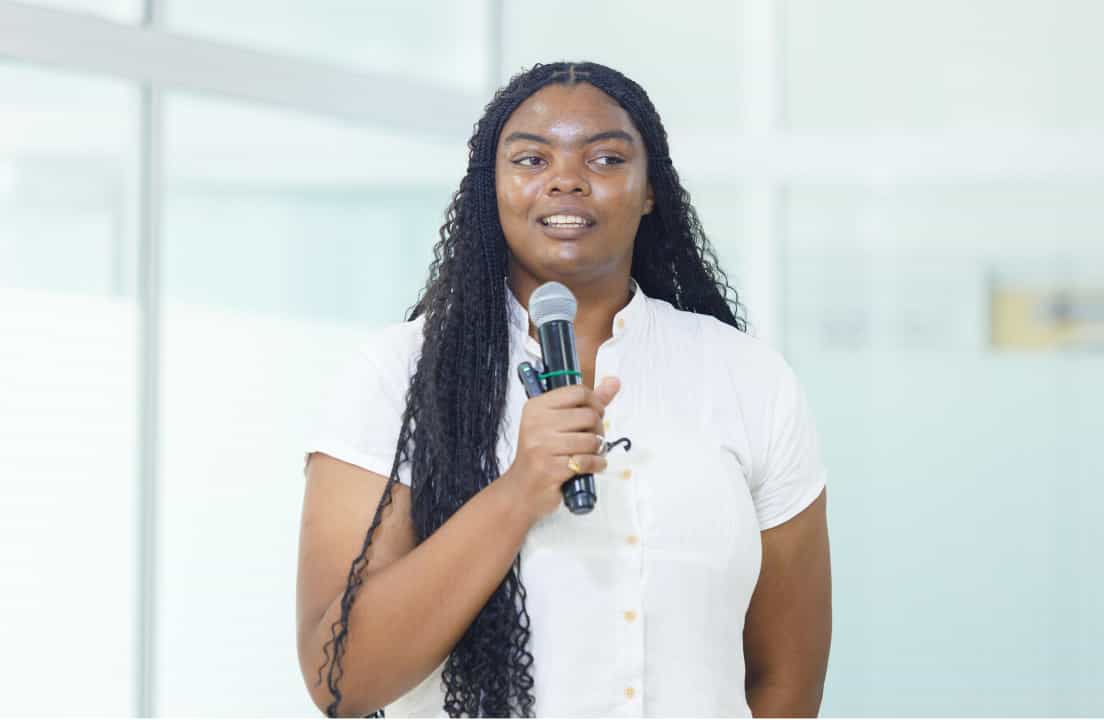
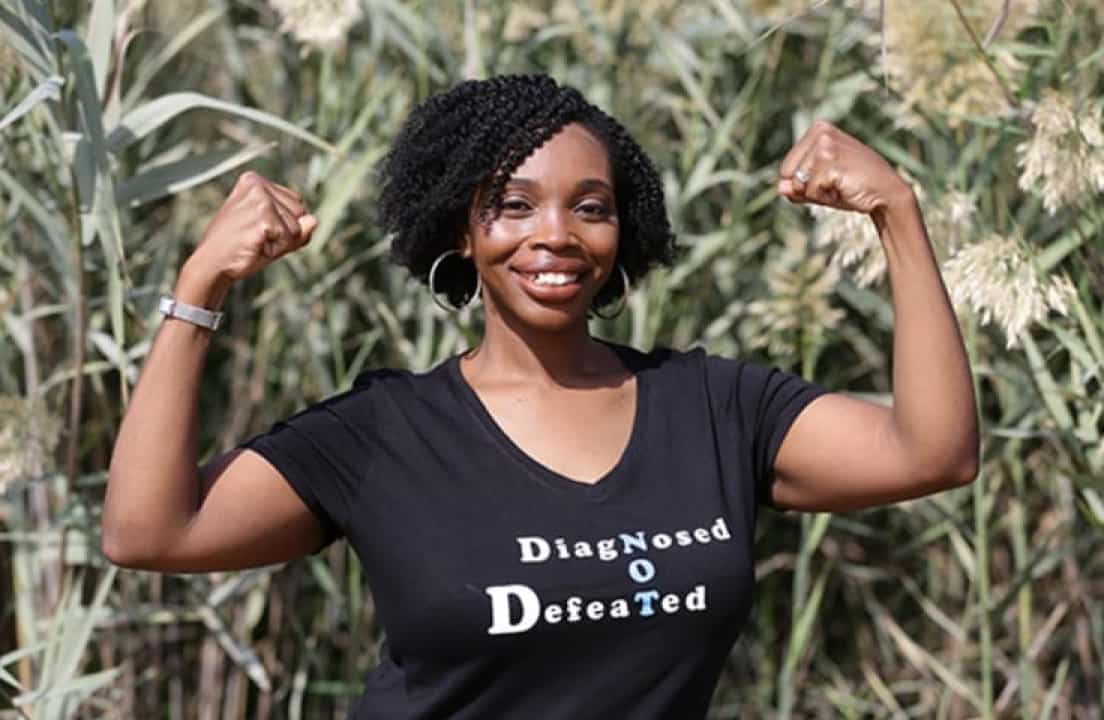
A type 1 diabetes (T1D) diagnosis can feel overwhelming at any age. Danakelly Hampton knows that firsthand. Diagnosed at age 20 after a month in the ICU, she now supports newly diagnosed children and families through her children’s book, handmade T1D welcome kits and community leadership, creating the comfort and connection she once needed.

.jpeg)
A Collapse that Led to a Type 1 Diabetes Diagnosis
Hampton was attending college in Florida, nearly 1,200 miles from her family in South Jersey, when her health began to decline.
For months, she cycled in and out of the hospital. Doctors tested her repeatedly. She was restricted to a liquid diet. Pregnancy was ruled out more than once. But no one tested her blood sugar or screened her for type 1 diabetes.
“I was young, away from home, trying to live my life,” Hampton said. “And my body was quietly shutting down.”
Thanksgiving week became the breaking point.
She stayed in Florida and cooked dinner for her roommate. The next day, her vision blurred. She could barely see, yet she boarded her flight home. During the 90-minute flight, she used the lavatory five times.
When she arrived home, she collapsed at the bottom of the stairs.
She woke up in the ICU with a blood glucose level of 960 and remained hospitalized for a month.
The severity of the delayed diagnosis left a lasting impression. While T1D is often diagnosed in childhood, it can also be diagnosed in adults. Yet screening is not routinely considered in many cases, particularly when symptoms are misinterpreted or attributed to stress, infection or other causes.
Today, awareness around early detection is growing. Advocacy organizations increasingly emphasize testing before a crisis occurs. Hampton often reflects on how differently her experience might have unfolded if the warning signs had been recognized earlier.
“That’s what I remember most,” she said. “How quickly everything changed.”
Precision, Perspective and Living With Type 1 Diabetes
Hampton built a career in forensic medicine as a board-certified medicolegal death investigator. Her professional work requires precision, composure and the ability to communicate clearly with families during traumatic moments.
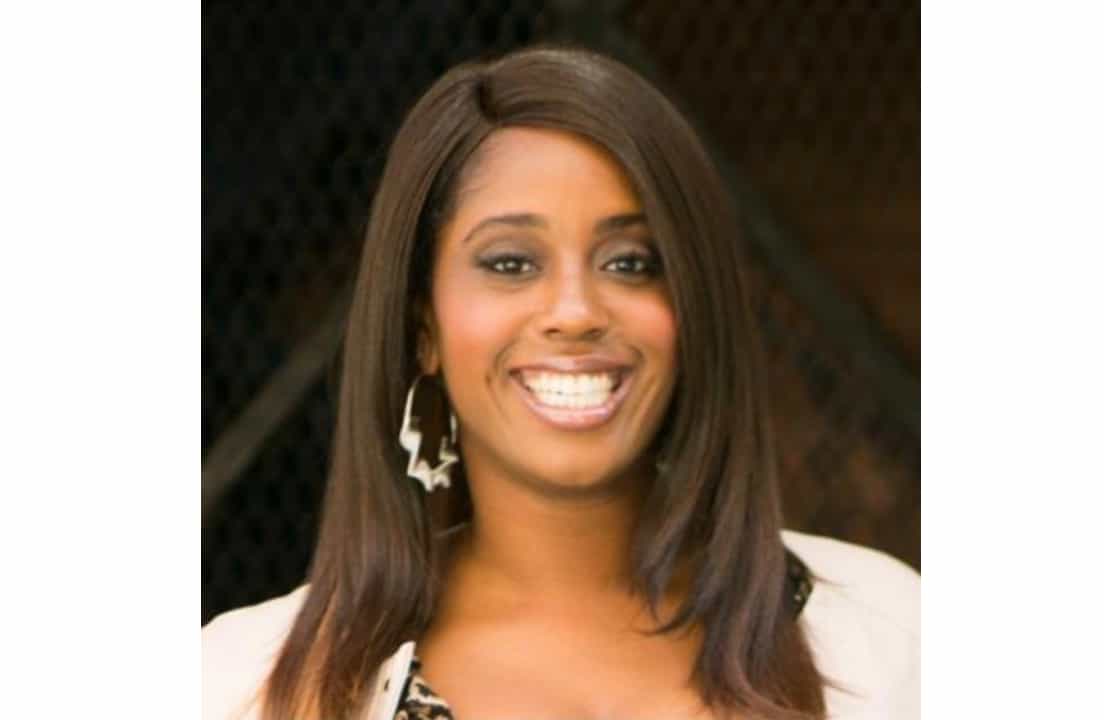
Those same skills influence how she manages T1D.
Carbohydrate counting, insulin dosing and responding to blood glucose trends demand sustained attention and consistency. There is little room for guesswork.
Her forensic background shaped her in ways she describes as deeply human.
“I’ve had to talk to families on the worst day of their lives,” she said. “You have to be matter-of-fact while still showing empathy.”
She sees parallels between those conversations and receiving a T1D diagnosis.
“A type 1 diagnosis may not be death, but it can feel traumatic,” Hampton said. “People are overwhelmed and trying to absorb information while still in shock.”
Working closely with mortality also reinforced the importance of long-term health management.
“When you see how fragile life is, you understand you have to take your health seriously,” she said.
She Beeps, and that’s OK!
Years after diagnosis, Hampton began using an insulin pump and a continuous glucose monitor (CGM). The devices beep when insulin levels are low or blood sugar levels shift.
One day at work, someone unfamiliar with her heard the alarms and reacted with visible irritation. A coworker explained, “That’s Danakelly, and sometimes she beeps.”
The comment stayed with her.
“I felt embarrassed because I couldn’t just make it stop,” Hampton said. “But I realized the beeping was my body communicating with me and keeping me safe.”
If she felt self-conscious as an adult, she knew newly diagnosed children might feel it even more deeply.
That realization became the foundation for her children’s book, She Beeps, and That’s OK!: Living Bravely with Type 1 Diabetes — A Story for Kids Who Beep.
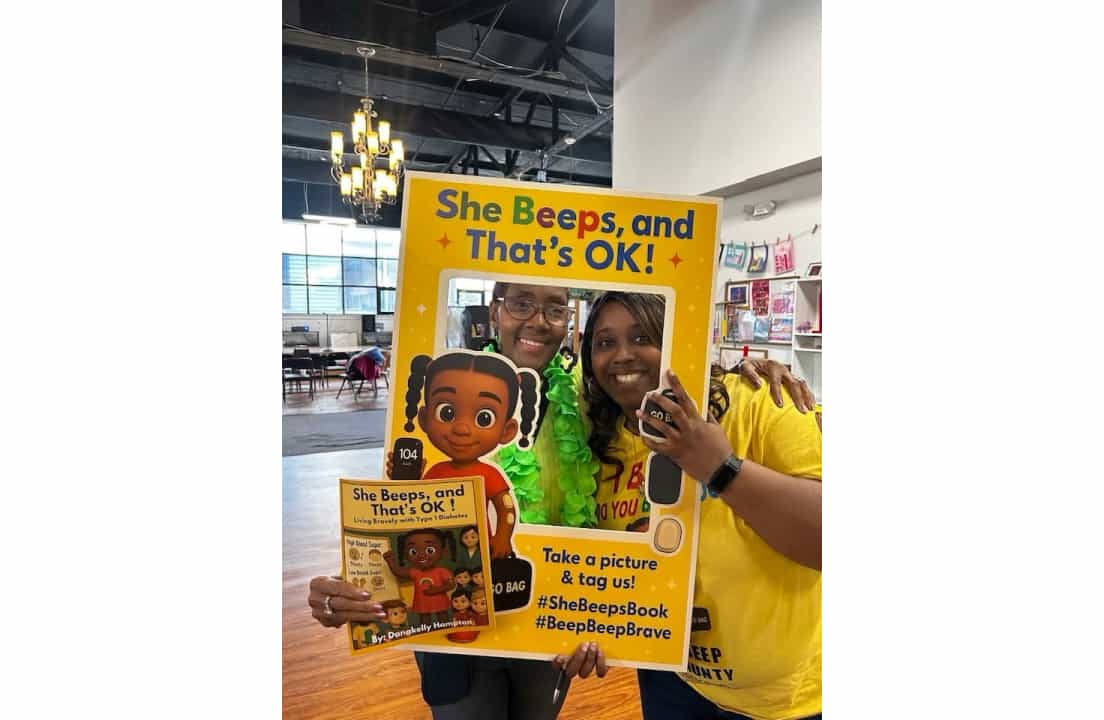
“I pictured a younger version of myself,” Hampton said. “Dana is me, just smaller.”
The book centers on a child living confidently with T1D and diabetes technology. Representation was intentional. Hampton wanted children, especially children of color, to see themselves reflected in a story grounded in strength rather than limitation.
The message is simple: children who beep are not broken.
Creating Support after a Type 1 Diabetes Diagnosis
The book became the foundation for something larger.
When a family friend’s young son was newly diagnosed, Hampton assembled a handmade comfort basket filled with items meant to provide support during an overwhelming moment.
Soon after, another family requested a similar kit. That moment marked the beginning of a structured effort.
“When a child opens one of the kits, I want them to feel joy,” Hampton said. “I want them to feel like they’ve been welcomed into something.”
She and her sister wore custom Beep Beep Brave Squad shirts — featuring the Dana character from the book — when they delivered the baskets. Originally created for a Breakthrough T1D walk, the shirts symbolize unity. When children receive a kit, they are symbolically welcomed into that squad.
Each welcome kit includes:
• Comfort items designed to ease the early days after diagnosis
• A copy of She Beeps, and That’s OK
• Access to practical tools through QR codes inside the book
• Expanded options in higher-tier kits, including customized T-shirts and certificates welcoming children into the Beep Beep Brave Squad
“My goal is to inform and prepare families while still reminding children that they are special,” Hampton said. “I never want it to feel heavy or clinical.”
RIBBNZ and Type 1 Diabetes Welcome Kits for Newly Diagnosed Children
As requests for the welcome kits increased, Hampton formalized the effort under the name RIBBNZ.
The company now provides the structure behind the initiative — organizing orders, coordinating hospital deliveries and managing distribution beyond her immediate community. What began as a personal gesture has evolved into an organized support model serving newly diagnosed children and their families.
As the initiative expanded, Hampton introduced three structured kit tiers — a Starter Kit, a Signature Kit and a premium Warrior & Supporter option — each designed to meet different family needs. Every level builds on the previous one, adding personalized touches that deepen the sense of welcome and belonging. Families can request the kits through Hampton’s Linktree, where ordering details and additional resources are available.
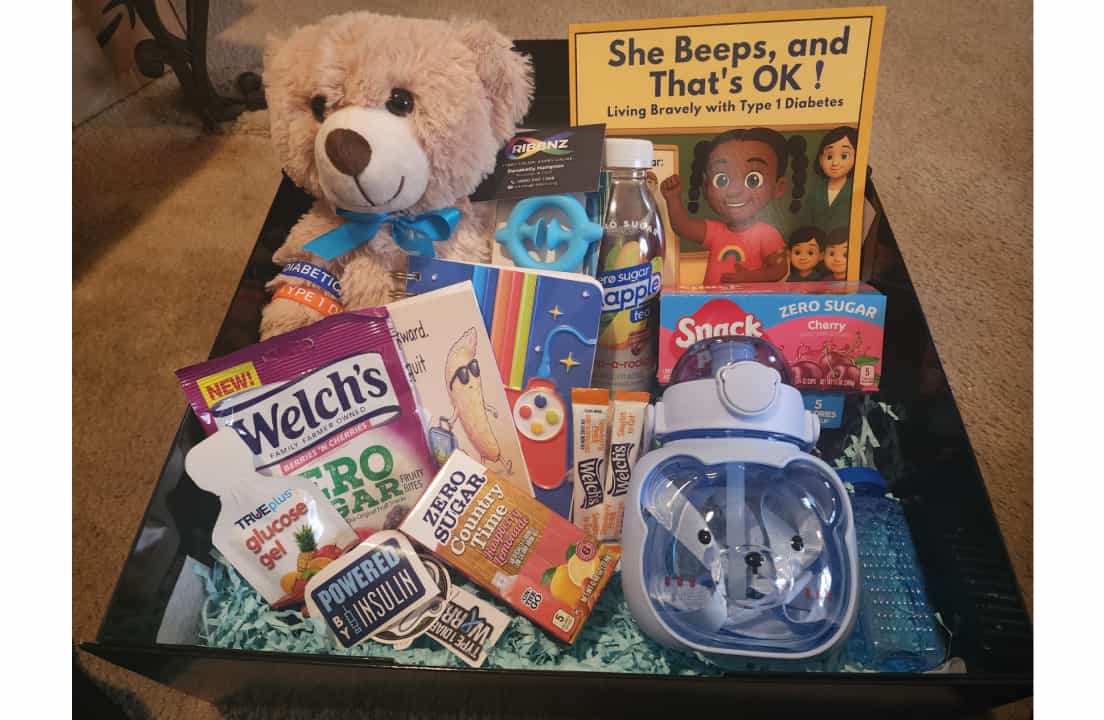
The name RIBBNZ reflects Hampton’s broader vision of visibility across illnesses. Its tagline, “Every Color. Every Cause,” represents awareness for all conditions associated with ribbon colors. While her work began with type 1 diabetes, the initiative is expanding into other areas, including breast cancer and lung cancer, both deeply personal due to her mother’s and grandmother’s experiences.
Hampton said RIBBNZ ensures the work is sustainable rather than a one-time gesture.
“These are not just products,” Hampton said. “They’re connection.”
The Beep Beep Brave Hospital Experience
Locally, Hampton delivers the kits in person through what she calls the Beep Beep Brave Hospital Experience.
She brings the comfort baskets directly to hospitals. Sometimes there are balloons. Sometimes the moment is recorded for the extended family who cannot attend. The goal is not spectacle, but reassurance.
“So many of us were told frightening things at diagnosis,” Hampton said. “I want to interrupt that heaviness.”
She wants the first memory of a diagnosis to include encouragement. Alongside insulin dosing instructions and medical guidance, she hopes families also feel supported and seen.
The kits do not replace clinical care. They do not minimize the seriousness of the condition. But they shift the emotional tone of the moment.
Instead of leaving with only instructions and warnings, families leave with comfort and encouragement.
Representation in the Type 1 Diabetes Community
As a Black woman in forensic leadership and in the T1D community, Hampton has often been the only one in the room.
In forensic work, she rarely saw women who looked like her in leadership roles. That absence shaped her understanding of visibility and why representation matters.
In the diabetes space, she is seeing more representation, particularly on social media. Still, she believes harmful misconceptions persist. One of the most damaging is the belief that Black people do not get type 1 diabetes.
Black children are increasingly being diagnosed with T1D. Research shows they are often diagnosed with more severe complications like diabetic ketoacidosis (DKA), in part due to delayed recognition and disparities in care. Hampton believes that reality must be acknowledged.
For newly diagnosed children, visibility can shift the emotional weight of the diagnosis.
“When a child sees someone who looks like them living with diabetes, it changes something,” Hampton said. “It becomes, ‘Oh, I’m not the only one.’”
That recognition can interrupt isolation before it takes root.
Adult Community and Building What Was Missing
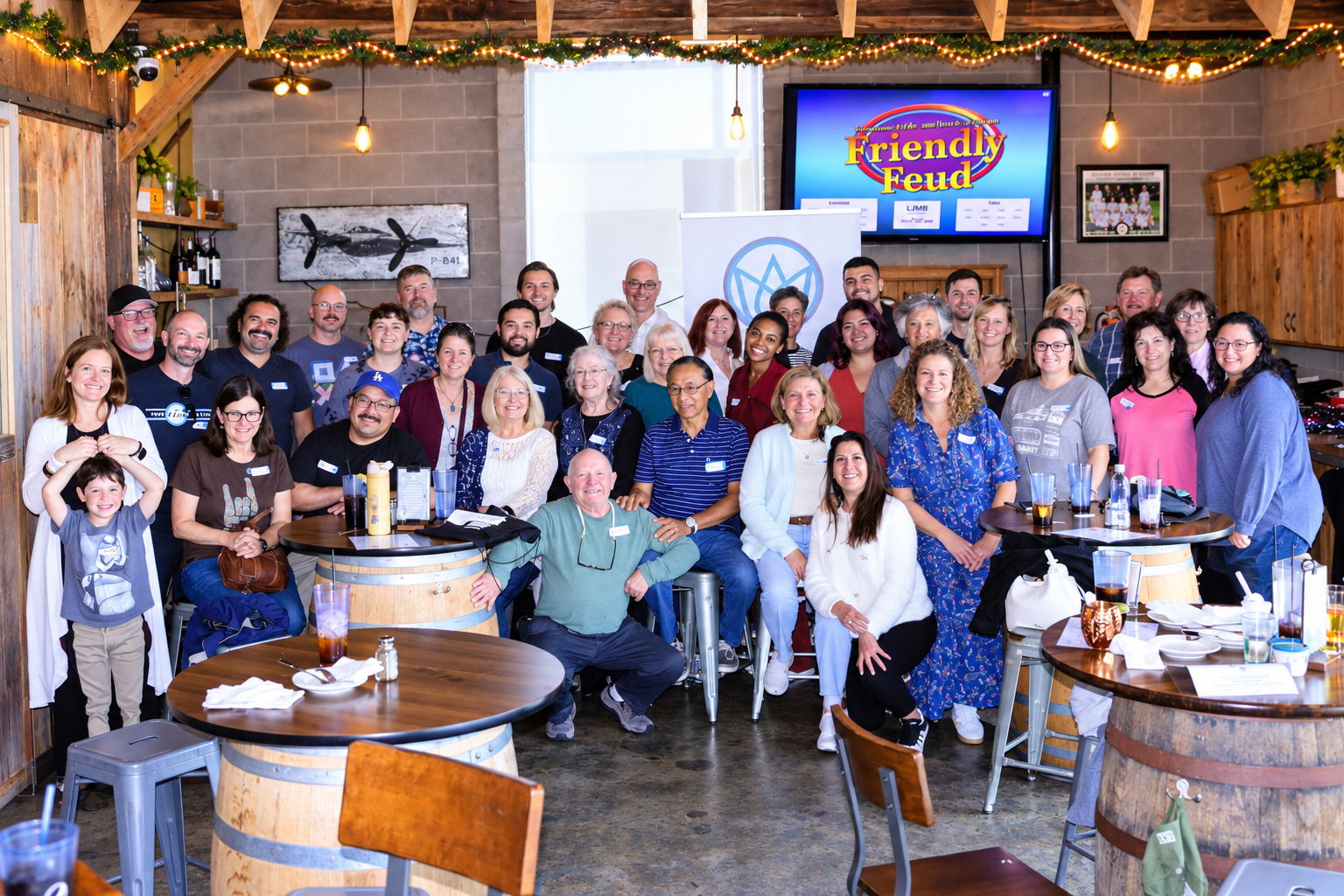
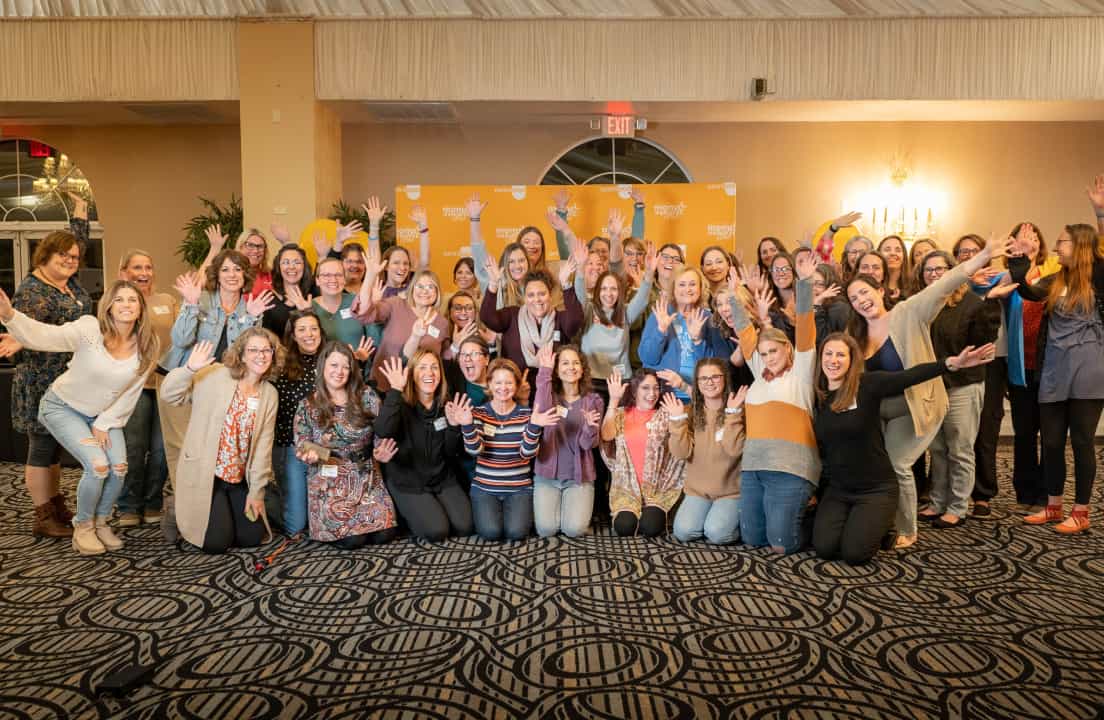
Hampton’s advocacy does not end with newly diagnosed children. She also helps lead the Philly Metro Grownup T1Ds chapter, a peer network for adults living with T1D.
After more than two decades managing type 1, she recently found an in-person connection for herself.
“For me, I just found my people after 24 years,” she said.
Adults living with T1D carry a steady mental load. Blood glucose trends must be monitored. Insulin doses must be adjusted. Decisions are made daily, often quietly and alone.

Hampton believes support should not stop after childhood.
“A lot of adults have been managing quietly for years,” she said. “Community still matters.”
She sees her work as interconnected — the children’s book, the welcome kits, her work with the Grownup T1Ds chapter and RIBBNZ.
“It’s all connected,” Hampton said. “It’s me building what I wish existed.”
Redesigning the Type 1 Diabetes Diagnosis Experience
If Hampton could redesign the experience of being diagnosed, it would include both clinical guidance and emotional support from the start.
She envisions a model that integrates connection and practical guidance, including:
• Immediate peer mentorship
• Access to counseling and mental health resources
• Clear, compassionate education
• Community connection from day one
“It would feel supportive instead of terrifying,” she said.
Medical care is critical. So is reassurance. Hampton believes both can and should coexist.
“A T1D diagnosis doesn’t have to feel like a death sentence,” she said.
Looking Forward With Comfort and Confidence
In five years, Hampton envisions RIBBNZ partnering with hospitals and clinics to provide structured emotional and community support after a T1D diagnosis, eventually expanding to other chronic illnesses.
Chronic illness is serious, but she believes the first moments after diagnosis can influence how confidently a child grows into adulthood with T1D.
To her 20-year-old self, she offers discipline and grace.
“Managing diabetes is hard,” Hampton said. “But you’re going to learn. You’re going to adjust. And you’re going to get stronger.”
For newly diagnosed children and families, her message remains steady:
You are not alone.
And this diagnosis is not the end of your story.


.webp)


.webp)













.jpg)


%20(1).jpg)



.jpg)
.jpg)
.jpg)
.jpg)
.jpg)
.jpg)
.jpg)
.jpg)
.jpg)
.jpg)
.jpg)

.jpg)
.jpg)
.jpg)
.jpg)
.jpg)

.jpg)
.jpg)
.jpg)

.jpg)

.jpg)
.jpg)

.jpg)
.jpg)

.jpg)
.jpg)
.jpg)
.jpg)
.jpg)

.jpg)
.jpg)
.jpg)
.jpg)
.jpg)
.jpg)

.jpg)
.jpg)

.jpg)
.jpg)
.jpg)


.webp)
.svg)