


T1D Guide
T1D Strong News
Personal Stories
Resources
T1D Misdiagnosis
T1D Early Detection
Research/Clinical Trials
Award-Winning Author of Type One Determination, Lauren Plunkett, on Finding Self-Worth and Leading a Healthy, Athletic Life
Lauren Plunkett is a registered dietitian nutritionist, certified diabetes care and education specialist, fitness instructor, public speaker and fierce patient advocate. Her new book, part memoir, part practical guide to nutrition and exercise, shines a light on self-advocacy, overcoming challenges and finding personal fulfillment.

.webp)
Who is Lauren Plunkett?
Lauren Plunkett grew up in Minnesota, where she was diagnosed with type 1 diabetes (T1D) at age 11 with diabetic ketoacidosis (DKA). “My parents were just watching me shrink away,” said Plunkett.
Fortunately, she had supportive parents who encouraged her to continue playing sports and live as normal a life as possible. At the time, she navigated her insulin therapy in a very regimented way, until what she describes as the hormonal apocalypse hit in the early teen years. “My body was changing so much, and it was so hard to make the right decisions every day."
In her book Type One Determination, Transforming Life with Type 1 Diabetes through Personal Experience, Scientific Evidence and a Dash of Disobedience, she explains, in scientific terms, what happens to your body in the absence of insulin and what it feels like to manage a disease that changes from day to day.
“You don’t know what you don’t know with type 1; you have to live into it.”
Though she was encouraged to be physically active, no one ever taught her how to be an athlete with diabetes. “My blood sugar was so inconsistent. I would go low from activity and rebound later. The highs always made my legs hurt, and it took so much effort to find the balance, she said. “I learned how to survive but not thrive.”
“The people who love you want to take it; they don’t want to watch you struggle, but I honestly think type 1 is the most character-building disease of all.”
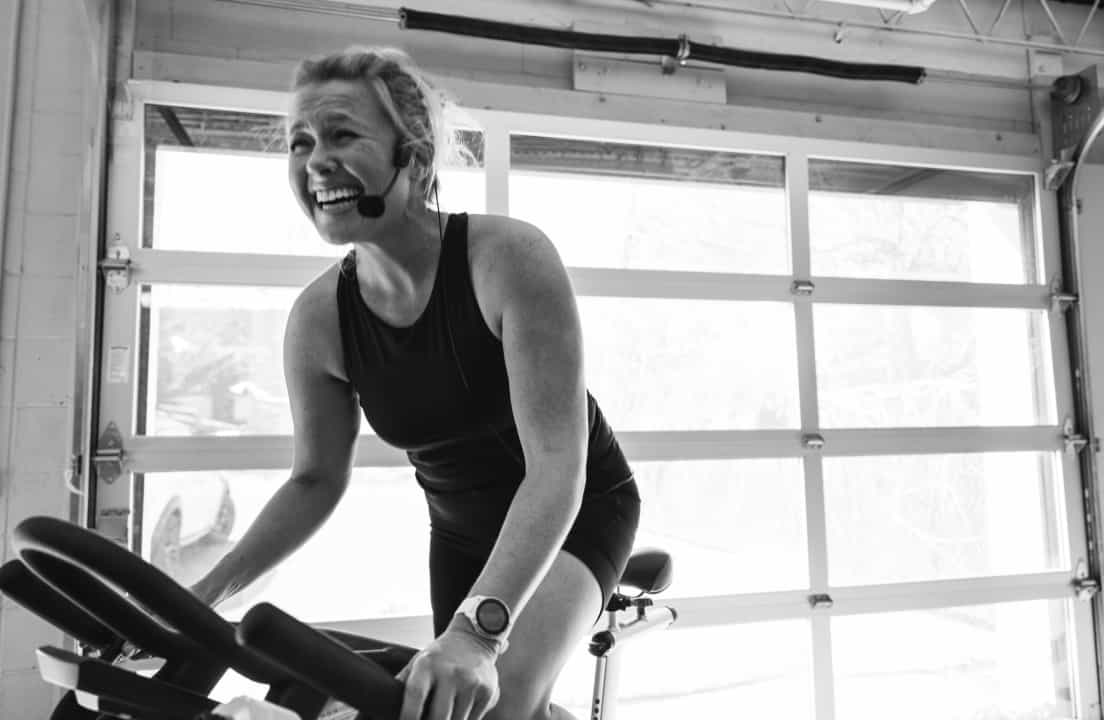
In addition to her award-winning book, Plunkett is an indoor cycling instructor and the founder of LP Nutrition Consulting.
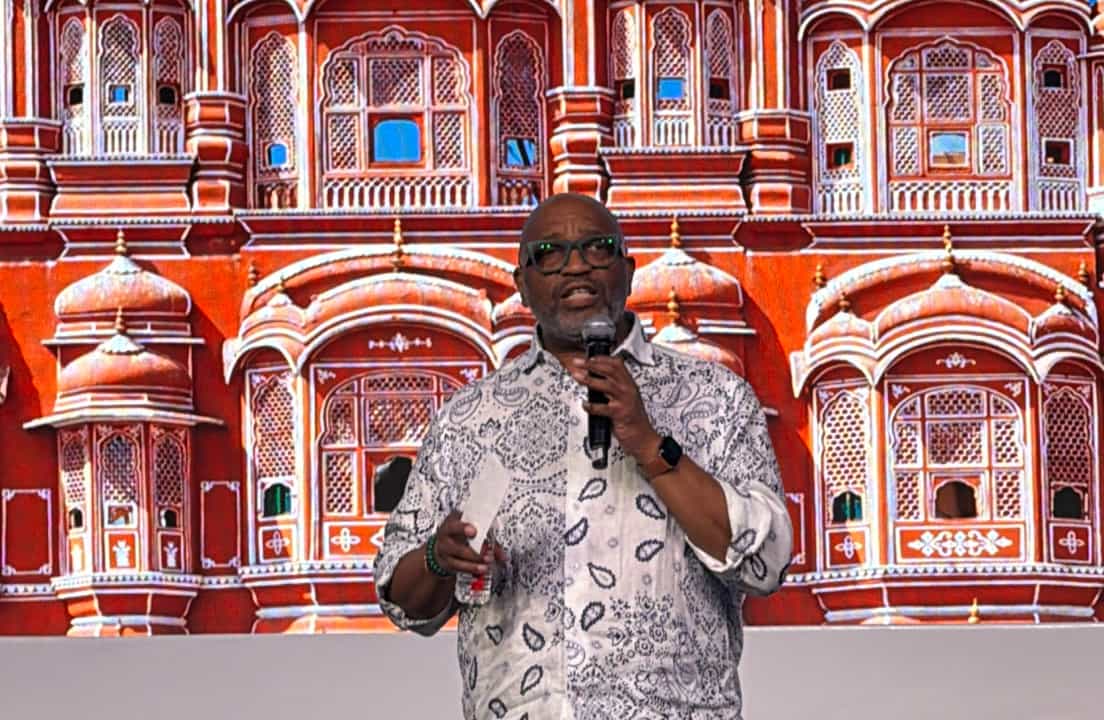
She’s a public speaker who’s appeared at events such as the Breakthrough T1D Summits, the American Diabetes Association Scientific Sessions, and this fall she’ll be at the Children With Diabetes conference in Anaheim.
Language Matters
In her book and practice, Plunkett stresses the importance of language and communication in describing life with T1D. “It’s one of the only diseases where people are described as being the disease rather than having it. "It's important to realize that you're a person first and living with diabetes is a partnership. This change in perspective can provide a boost of confidence and motivation."
Plunkett pointed out that studies have shown that when you identify yourself as the disease, it can negatively impact your mental health and psychology.
In her early years, Plunkett hit a fork in the road: she had to choose between getting healthy or not. “There was no in-between, in my opinion, because I thought that I would never see the age that I am today if I continued on the path I was headed.”
The Road to Self-Discovery
It wasn’t easy, but the realization that something had to change became the catalyst for a healthier lifestyle. “The first step was to make changes to my nutrition, which was a big one,” she said. “I went plant-based, and that saved my life.”
Plunkett started eating more salad, fruits, beans, and vegetables. She doubled her fiber and reduced saturated fat intake by cutting out meat overnight.
“There’s this fear-mongering about carbohydrates. And when I talk about language use, what’s really important to me is talking about carbohydrates in a positive light. Carbohydrates are rich in fiber, and we have decades of science to tell us how great fiber is for everybody: it’s heart-healthy, it’s digestive-healthy, it’s endocrine-healthy. Plants are anti-inflammatory, and that’s what we really need when we have an autoimmune condition.”
At the same time, she discovered cycling and has taught indoor cycling classes for 15 years. When she started, Plunkett felt safest on a bike that didn’t move, and that’s what launched her health to another level.
Filling the Gap
In her younger years, Plunkett realized that the diabetes education she had was not in her best interest, so she became that missing resource for others. Plunkett went back to school to study what she was personally learning about nutrition.
“I realized that if I get on the clinical side of this exam room, I might really be able to help some people and make a change. I knew that lifestyle education was out there, but it wasn’t accessible, and I became the person I needed the most.”
She met a diabetes educator who encouraged her to stay on her path. Plunkett finished school and ended up working in the same clinic where she was diagnosed. “It had been 20 years, and nothing had changed other than technology.”
Stepping into the clinical role allowed her to reframe the standard of care not only for herself but also for her clients.
“I started asking questions about nutrition to the sporty kids and realized that no one was educating patients about exercise, which led to one-on-one time with kids and parents about what they were doing to manage blood sugar while playing sports,” she said. “Living with diabetes without proper individualized education is not only dangerous but emotionally exhausting.”
Working Within A Broken System
Noting how communication styles had failed in the past, Plunkett made healing the community and herself her passion. She wanted a place where patients feel seen and heard.
Studies show this drastically lowers diabetes distress. Plunkett has met with people across the country and even internationally and has learned that people only make changes when they’re ready. “When someone’s ready, all you can hope for is that there’s somebody there to help.”
“I’ve met a lot of people who wanted help and were ready to make changes, but there wasn’t anyone there,” she said. “They’re either living in an area with limited access to care, or they’re getting the same message over and over. “I want people with type 1 to realize that it’s not all about tech and meds. That’s important, and it’s a part of our world, but getting back to the basics of nutrition and exercise stress, and sleep – the right strategy with those four things is life-altering.”
Enter LP Nutrition Consulting – Lifestyle in Practice
This lack drove her to start her own practice. Having T1D for over 32 years has afforded Plunkett the experience to specialize in nutrition, lifestyle therapy and personalized exercise strategies for managing T1D. Also, Plunkett helps parents understand the complexities of type 1.
Her nutrition therapy pushes back against carb restriction in favor of plant-based nutrition that optimizes fiber intake, antioxidants and anti-inflammatory foods to support a healthy metabolic lifestyle long-term.
And rather than pushing a strictly plant-based diet, she focuses on meeting people where they are and building sustainable habits: “I don’t use the word vegan very often because I want folks to realize the method is to eat fiber forward while reducing the quantity of saturated fat from animal products and we’ll continue optimizing nutrition from there.”
LP Nutrition Consulting Resources
- Virtual coaching and consulting, including type 2 diabetes remission coaching.
- Continuous glucose monitoring (CGM).
- Nutrition guidance and plant-based nutrition programs.
- Fitness education, creating a personalized “Exercise Protocol.”

Insulin Resistance & Lifestyle Medicine
Plunkett, who has followed a plant-based vegan diet for over 16 years, believes that talking about insulin resistance in type 1 diabetes deserves prioritization for long-term prevention. “It’s what we often have in common with folks with type 2, and clinicians need to blend those worlds with up-to-date evidence-based education.
Alongside those managing type 1 diabetes, Plunkett’s practice serves individuals with type 2 diabetes and prediabetes, which she prefers to call insulin resistance reversal.
“What I think would change the health of our country dramatically is the way doctors introduce prediabetes. When someone hears their doctor say, ‘Joe, we’re looking at an A1C of 6.1, this means your body is becoming insulin-resistant, and we should do something about this right now. I’d like to introduce you to my lifestyle educator. ’”
“If the doctor or provider is the captain of the ship, we need them to inspire that patient more than anything, and then we need them to make a referral to a lifestyle educator who can continue to follow up with that person. The doctor must introduce the patient to team support.”
The language and approach mattered so much to her that she felt compelled to write a book about it.

Type One Determination
Plunkett won the Benjamin Franklin Award for ‘Best New Voice’ from the Independent Book Publishers Association (IBPA) for Type One Determination.
What started as a collection of scratch paper grew into a mission. Plunkett realized she had much to convey about T1Ds breaking down barriers to achieve better health outcomes.
“I wanted to provide information and tell stories in a way that sat with people,” said Plunkett. “We are all so unique, we have our own personalities, and type 1 shows up and disrupts all that. How do we find ourselves again?”
Plunkett wrote the book in three parts, combining memoir with practical advice on nutrition, exercise and overcoming mental health challenges.
Plunkett’s Advice for the Newly Diagnosed
“Go slowly. There’s too much information about everything right now, and diabetes is intertwined into our lifestyle choices, so the minute you go on social media, you’re going to get hit with this, that and the other. So go slow and bond with your family, friends, and healthcare team. They are important.”
Plunkett added, “The people around you who love you will probably annoy you with questions, so help them learn with you. Be open to technology and take this time to practice self-care. Engage in restoration exercises like breathwork, yoga, or sound bowl healing. Get outside and literally sit in the grass or the woods, or go breathe deeply alone somewhere quiet. Find you. Be you. And the rest of this will happen as it needs to happen.”
To get the full scope of Plunkett’s inspiring story, along with her advice and practical tips, read her book, Type One Determination: Transforming Life with Type 1 Diabetes through Personal Experience, Scientific Evidence and a Dash of Disobedience.


.webp)
.jpeg)












.jpg)





.jpg)




.jpg)






%20(1).jpg)






.jpg)

.jpg)
.jpg)
.jpg)
.jpg)
.jpg)
.jpg)
.jpg)

.jpg)
.jpg)
.jpg)
.jpg)
.jpg)

.jpg)
.jpg)

.jpg)
.jpg)
.jpg)
.jpg)

.jpg)

.jpg)
.jpg)



.webp)
.svg)