


T1D Guide
T1D Strong News
Personal Stories
Resources
T1D Misdiagnosis
T1D Early Detection
Research/Clinical Trials
Three Months Later: Katie Beth Hand's Life After Becoming Insulin-Independent in the Eledon Trial
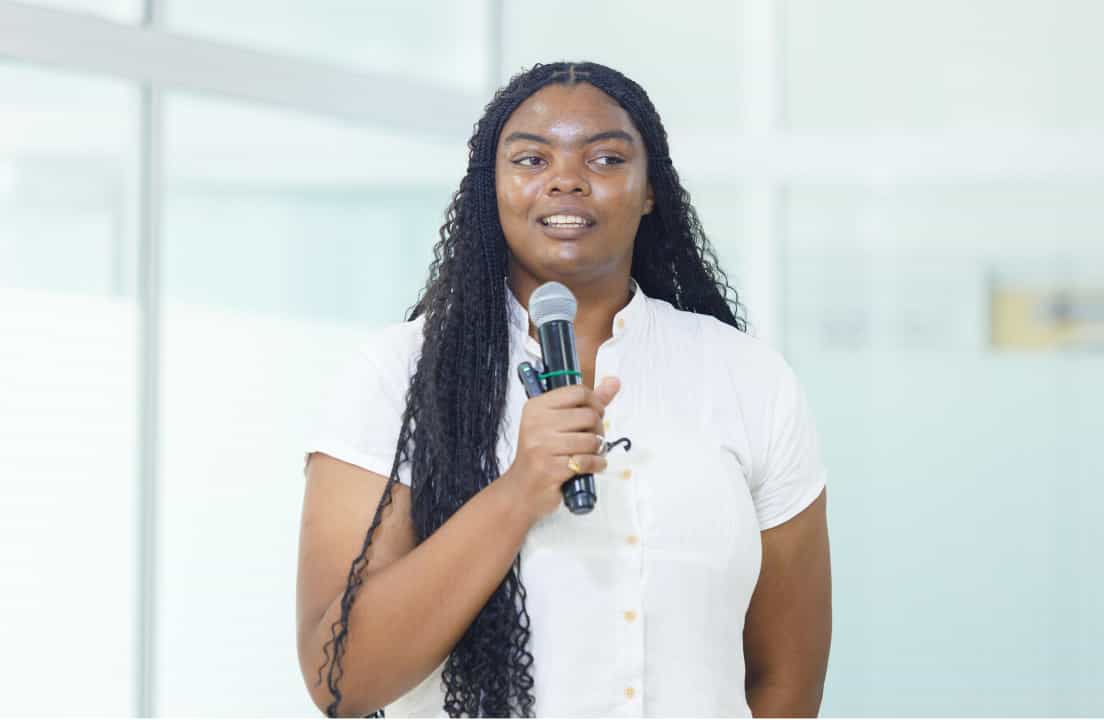
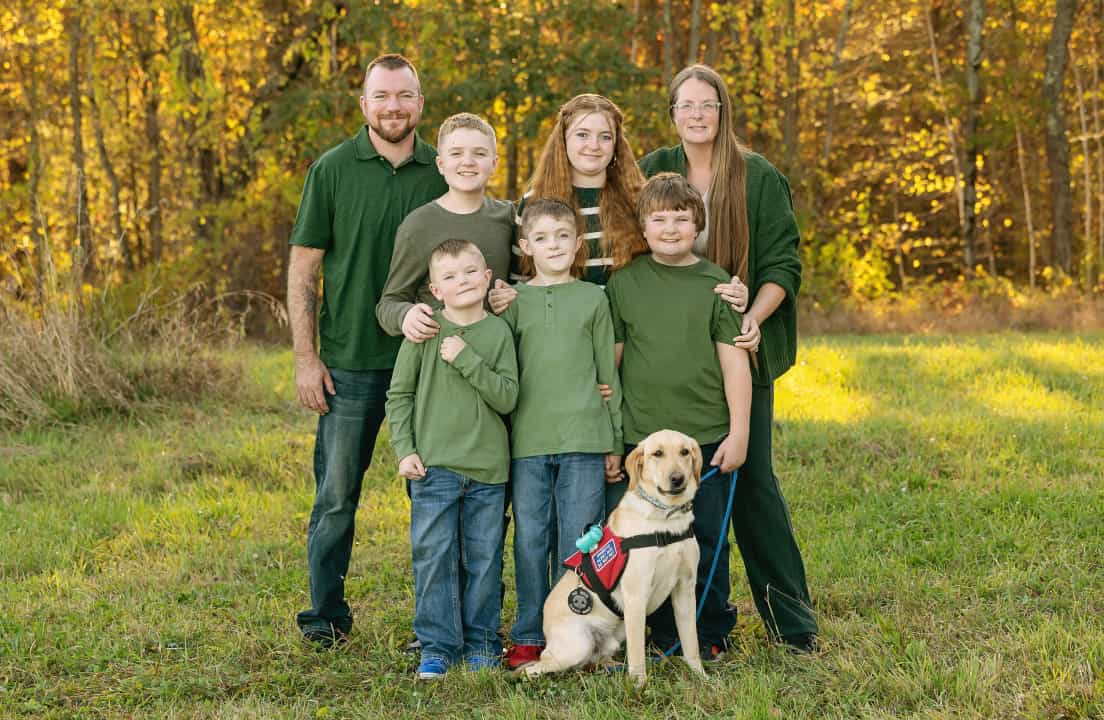
Three months ago, Katie Beth Hand was cautiously optimistic. The Arkansas mother of four had recently become one of the first participants in an investigator-led study at UChicago Medicine combining transplanted donor islet cells with Eledon's investigational anti-CD40L therapy, tegoprubart.


After living with type 1 diabetes (T1D) for 13 years, her insulin needs had dropped dramatically. But she was still taking small doses of insulin to help protect her newly transplanted islet cells while they settled in and began functioning.
Today, Hand is no longer taking insulin.
Becoming Insulin-Independent
"I've been completely off insulin entirely since March 3," Hand said during a recent interview. "So about a month and ten days with no insulin whatsoever."
Three months after her transplant, Hand's A1C measured 5.1 percent. More importantly, the transplanted cells continue producing enough insulin to maintain healthy glucose levels without injections or an insulin pump.
For people living with T1D, those results can sound almost impossible.
For Hand, they have become part of everyday life.
One of the biggest changes has nothing to do with blood sugar numbers.
Instead, it is the absence of the constant mental calculations that accompany type 1 diabetes.
No More Diabetes Noise
"When I sit down at a restaurant, the only thing that crosses my mind is what looks good to me today," Hand said.
Before the transplant, even a simple meal required planning. Every decision carried consequences. A restaurant order involved calculating carbohydrate intake, considering current glucose levels, deciding whether dessert might be served later, and factoring in the activities that would follow the meal.
"What is my blood sugar right now? Am I going to order something? Am I getting water to drink, or am I getting lemonade? Are we going to get an appetizer? What am I going to get to eat? After we're done eating, are we going to walk around and go shopping, or are we going to go sit down in a movie theater?" she said.
Today, those calculations are gone.
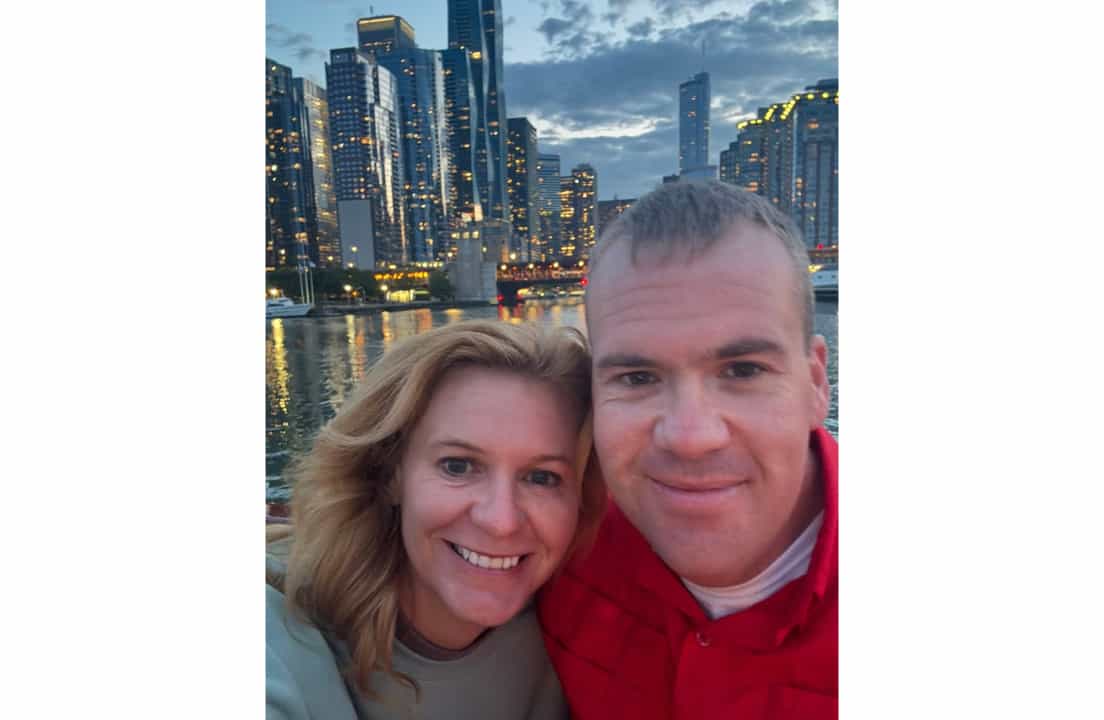
"We can change our minds and get dessert. We can change our minds and decide we don't want dessert. We're going to drive 30 minutes to the ice cream place across town, and there's no panic because I've already taken insulin for that."
The change has highlighted something many people with T1D rarely stop to consider because it has become such a normal part of daily life.
A Life Without Decision Fatigue
"I didn't really realize how many extra decisions I made until I stopped making them," Hand said. "It's just not there. It's very quiet in here."
That sense of freedom is one reason Hand's story has resonated so strongly throughout the diabetes community.
But her experience is also attracting attention for another reason.
Hand is one of 12 participants in the Eledon study who have now achieved insulin independence. The results have become one of the most closely watched developments in T1D cure research, raising important questions about what researchers are learning, what challenges remain, and what comes next.
To understand why the results matter, it helps to understand how Hand arrived here in the first place.
Does This Mean We’re Closer to a Functional Cure for T1D?
Hand was diagnosed with T1D at age 26.
"We have no history in our family of type 1 or autoimmune conditions," she said. "I went from being this young, single, free spirit person to trying to rebuild my life around finding a job with good insurance and the loss of freedom and the grief that really came from a chronic illness diagnosis."
Over the next 13 years, diabetes became part of daily life. Hand married, raised a family, and became increasingly involved in diabetes advocacy and education. Her interest in research eventually led her to participate in several clinical studies before learning about the Eledon trial and a separate study involving stem cell-derived islet cells.
After extensive screening, laboratory testing, and evaluation, she received a call from researchers at UChicago Medicine.
"They called and said, 'You want to do this? Are you in?' And I was like, 'Yeah. I'm in.'"
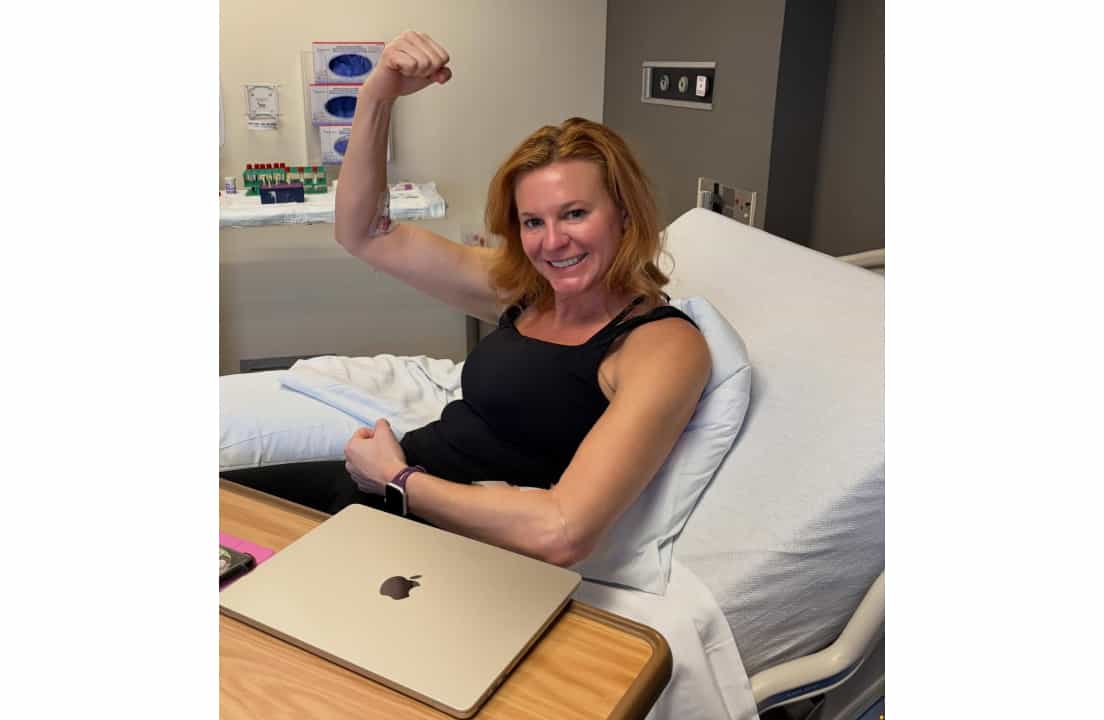
Months later, she received an islet cell transplant.
How is Eledon Different From Other T1D Cure Clinical Trials?
The procedure itself is not entirely new. Researchers have been studying islet transplantation for decades. What makes the Eledon study different is the drug being used to protect those transplanted cells.
Tegoprubart is a targeted immunosuppressive therapy designed to interrupt a specific immune pathway involved in transplant rejection. Unlike traditional transplant medications such as tacrolimus, which broadly suppress the immune system and can cause significant side effects, tegoprubart targets a much narrower pathway.
"It kind of stops that handshake between the things that interact that would make your body attack your islets," Hand explained.
The difference is significant.
Traditional transplant medications can increase infection risk, damage kidney function, and eventually become toxic to the very islet cells they are intended to protect. Hand said her experience with tegoprubart has been dramatically different.
"I don't feel yucky. I'm not tired," she said. "I do Zoom calls and work calls all through getting my infusion. I get out, walk around, and eat in downtown Chicago when I'm done."
That experience reflects what researchers hope may be one of the therapy's most important advantages: protecting transplanted cells without the significant burden associated with older immunosuppressive drugs.
The study's early results suggest the approach is working.
A Cure for T1D Without Immunosuppressants
"The numbers from all of the participants, there are 12 of us now," Hand said. "It's working. It's working now."
Still, she is quick to caution people against assuming a cure is immediately around the corner.
"I think the new phrase that I hate is having to say, 'Not yet,'" she said. "People ask all the time, 'Is this available for kids?' Not yet. 'Where can I go get this?' Not yet. 'When can I have this?' Not yet."
For now, the study remains an important step forward rather than a finished solution.
But for Hand, the results are impossible to ignore.
"The science is happening," she said. "And the results are really, really good."
What Eledon’s Progress Actually Means for a Functional Cure for T1D
While Eledon’s trial marks incredible progress on the path to a functional cure for T1D, the T1D community shouldn’t expect its findings to be available to millions right now. While Eledon has technically cured T1D, the therapy it’s using among these 12 participants isn’t something the T1D community will immediately benefit from.
There is still a lot of work to do and a few problems to address.
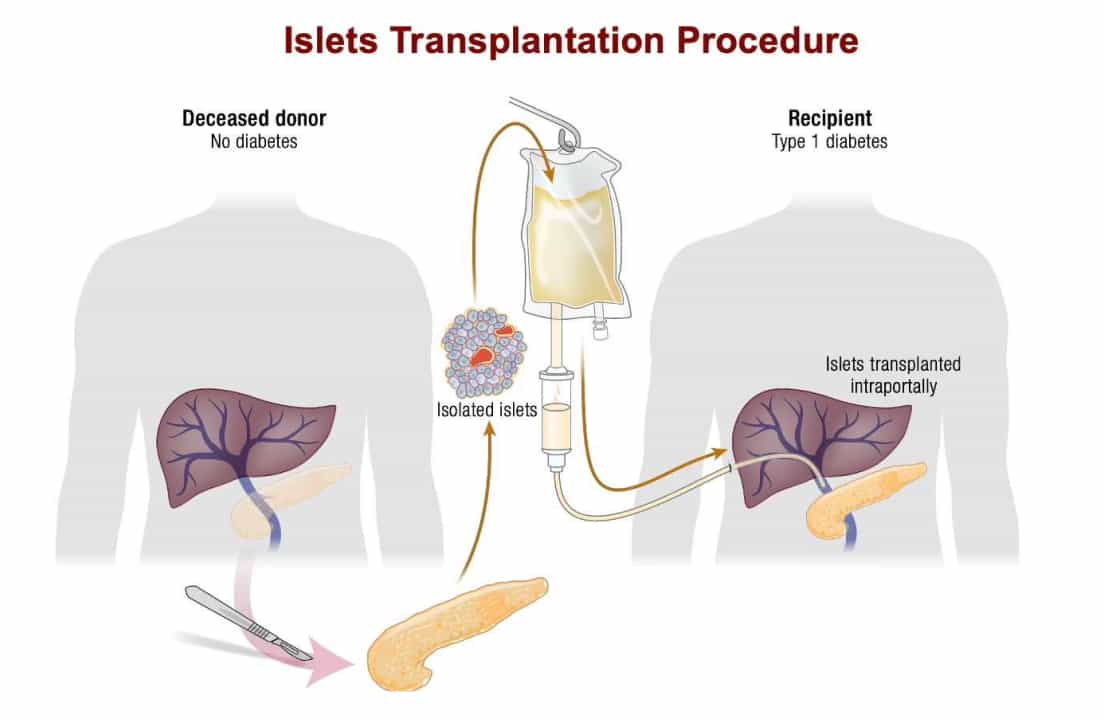
- The cells used in this therapy come from deceased donors: Organ donors, people who have died and had their cells harvested, gave islet cells to this study. This highlights a major limitation. There simply aren't enough people donating islet cells after they pass to provide enough transplants for everyone living with T1D. Eledon’s leading researcher, Dr. Piotr Witkowski, knows this. Instead, using cadaver cells simply helps Eledon answer one important question: Can tegoprubart successfully protect cells that produce insulin in a person with T1D?
If the answer is yes, we could see a future in which researchers use tegoprubart with a manufactured islet cell product to produce lots and lots of cells, removing donor cells from the equation.
Tegoprubart is a targeted immunosuppression therapy. Participants can receive a transfusion and go to the gym just hours later. They don’t have to live in fear of germs. Their immune systems aren’t being completely suppressed as with traditional immunosuppressive therapies. However, they are receiving infusions of tegoprubart every 21 days in this clinical trial—that’s every three weeks.
- Participants are flying to Chicago to receive infusions: If every person with T1D had to schedule infusions every three weeks at a hospital, it could easily overwhelm the system, especially if the hospitals providing the therapy were limited.
A functional, widely available, and accessible cure wouldn’t require this amount of travel.
- Tegoprubart isn’t the only drug participants are taking: Participants have to take a few others, which aren’t easy to take. Tegoprubart is the star of the show because it eliminates the need for long-term use of tacrolimus, which is used to protect against the immune system in most transplant treatments. But tegoprubart is still working with Myfortic (MF), a well-known immunosuppressant.
- This isn’t an FDA trial: Not a lot of outlets are talking about this, but it’s important. This is an investigator-led trial, meaning Dr. Piotr Witkowski and UChicago Medicine are responsible for participants’ safety. This is different from an FDA clinical trial, where Eledon would be the sole lead, sponsor, and manager of the study. This isn’t to say Eledon isn’t involved at all right now—they’re closely monitoring the results. This also means they’re not in phases 1, 2, or 3, where the results will be submitted to the FDA for approval. Running a clinical trial for FDA approval costs millions of dollars. Remember, the investigator-led study seeks to answer the important question: Can tegoprubart successfully protect transplanted islet cells?
The answer this team gets will inform the next steps.
Why the Eledon Trial is So Meaningful for People with T1D
So far, the results look encouraging and are worth pursuing further. While this is promising and exciting, especially in hearing from participants like Hand, the ideal cure would be simple, like an easy-to-swallow at-home pill without the need for immunosuppression.
The brave participants in this trial are paving the way towards a future that makes T1D treatment simpler and more accessible. Participants sacrifice a lot of their time, and sometimes even their own money, to participate, all in the name of scientific advancement and community.


.webp)
.webp)




.jpeg)











.jpg)





%20(1).jpg)



.jpg)
.jpg)
.jpg)
.jpg)
.jpg)
.jpg)
.jpg)
.jpg)
.jpg)
.jpg)
.jpg)
.jpg)
.jpg)

.jpg)
.jpg)
.jpg)
.jpg)

.jpg)

.jpg)

.jpg)
.jpg)

.jpg)

.jpg)
.jpg)


.jpg)
.jpg)
.jpg)
.jpg)


.jpg)
.jpg)
.jpg)
.jpg)
.jpg)
.jpg)


.webp)
.svg)