


T1D Guide
T1D Strong News
Personal Stories
Resources
T1D Misdiagnosis
T1D Early Detection
Research/Clinical Trials
University of Michigan’s First Tzield Pediatric Patient Diagnosed in Stage 2 – A Year and a Half Later, He is Still Insulin-Free
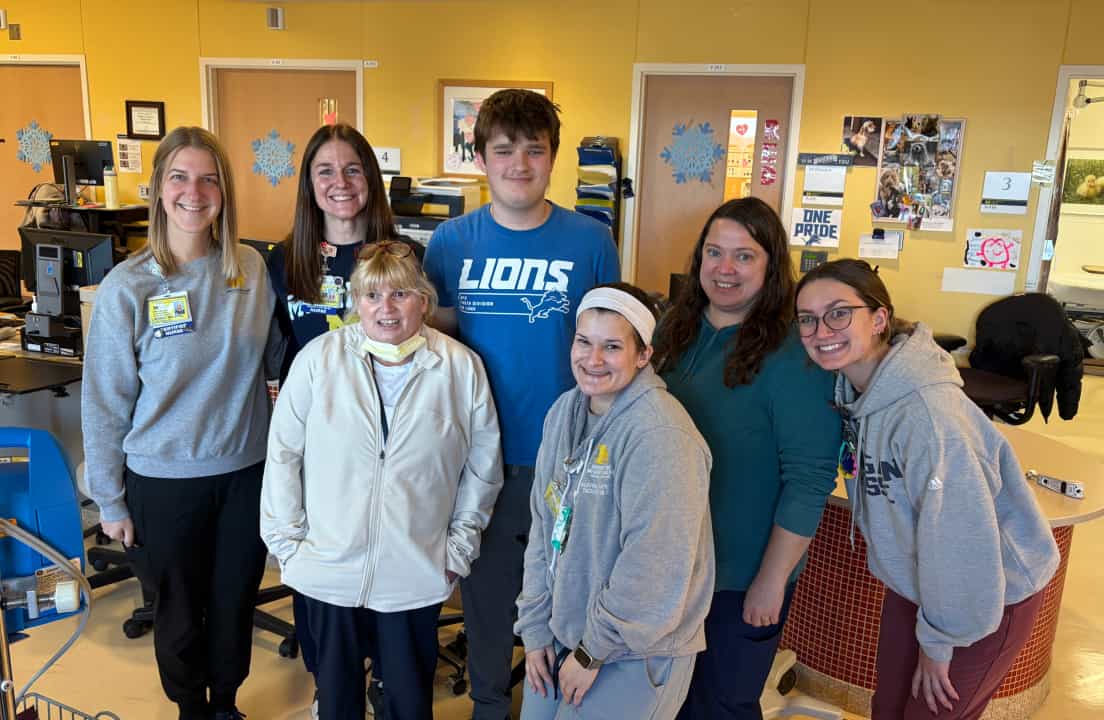
Jeanne Sinclair’s son, Jimmy, was diagnosed with stage 2 type 1 diabetes (T1D) after a random fasting glucose test at his annual physical. Jeanne pushed for TZIELD, the first FDA-approved treatment to delay diabetes, and it’s made a world of difference.
.webp)
A Stage 2 Type 1 Diagnosis
During a routine wellness checkup, Jimmy’s primary care physician (PCP) ordered a general panel of tests and, for the first time, included a fasting glucose test, which was 225. His A1c was 7.8. They retested the following morning and received the same results.
Next, his PCP ordered an autoantibody blood test that detects proteins the immune system makes when attacking insulin-producing pancreatic cells. Finding two or more of these markers indicates early-stage type 1 diabetes, often years before clinical symptoms appear.
Jimmy tested positive for two autoantibodies, and one of them was off the charts.
Mom, Jeanne, said he was not showing any symptoms of type 1 diabetes at the time. Since they live in Canton, Michigan, they scheduled an appointment with an endocrinologist at the University of Michigan, where they performed additional tests.
Jimmy, who had just turned 15, drastically changed his diet while they waited for the results. His body responded positively to his dietary changes, lowering his fasting glucose.
But a week later, they knew for sure—he was in stage 2 T1D. With only one relative, a cousin on Jeanne’s side with type 1, the family was shocked.
Jeanne heard about Tzield from her sister, who sent an article about a kid in Ohio who received Tzield, so they pushed for Jimmy to become a candidate. “It was intense, and it’s such a huge decision to make as a family. We talked, talked to the endocrinologist, we had Jimmy on board and decided to go ahead with it.”
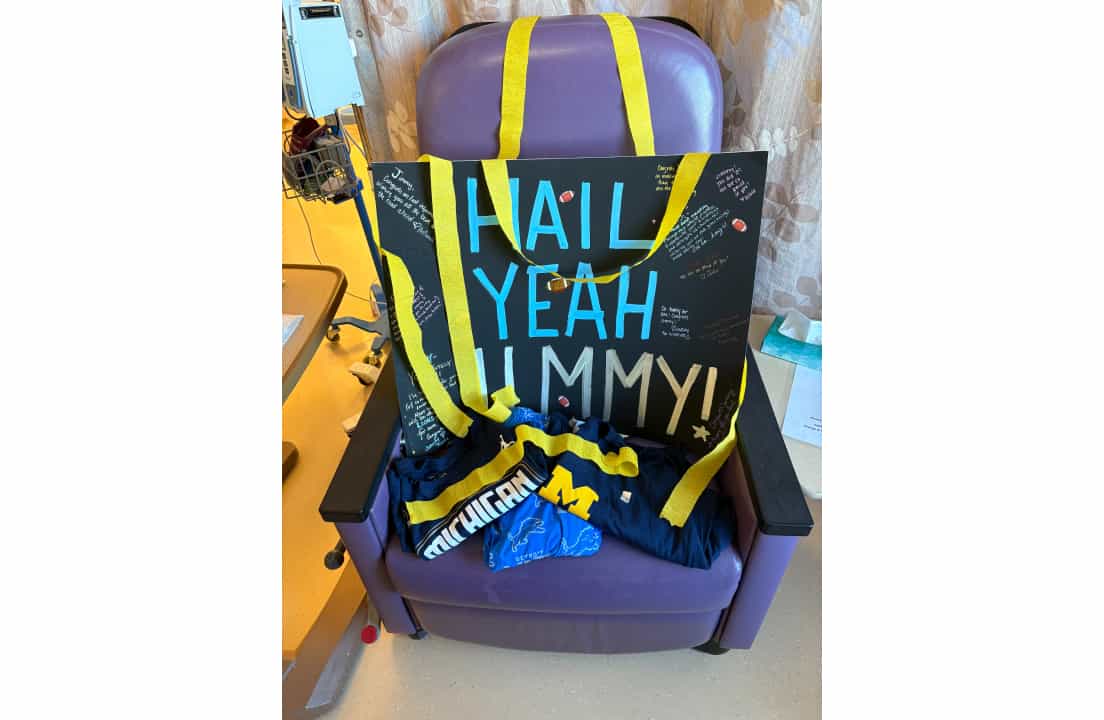
In January 2025, Jimmy became the first pediatric patient at the University of Michigan to have the Tzield infusion. A big part of their decision was that Jeanne heard stories about people who wished they had the opportunity to take Tzield. “We had the amazing discovery of it, and then, I heard people saying what they wouldn’t give for even a week without insulin. And so, I just thought, okay, we should do this.”
“The more I know about type 1, the more shocked I am that this is something that is just randomly discovered in kids all the time,” said Jeanne. “The stories I hear about kids in the ICUs and just collapsing, I mean, it’s terrifying.”
The Tzield Infusion Process
Tzield (teplizumab-mzwv), a prescription immunotherapy (monoclonal antibody), alters the body’s immune system by slowing beta-cell destruction and preserving the body’s natural ability to produce insulin. As a result, it delays the onset of clinical (Stage 3) type 1 diabetes.

The treatment is administered over 14 consecutive days via daily intravenous (IV) infusions. Some patients may request a PICC line, but Jimmy chose to have an IV each day.
“There were certain days when they started with a blood test to check his levels, and if his numbers were normal, then the infusion would proceed,” said Jeanne. “Jimmy had to pause on day five due to low lymphocyte levels, so his infusion lasted 15 days.”
His bloodwork was completed on most days (day 1, 3, 4, 5, 6, 7, 9, 15). “Our routine bloodwork days at the infusion center at Mott started with an IV blood drawn, then we’d head down to the cafeteria and gift shop to look around until the results were ready. This took about 45 minutes to an hour.
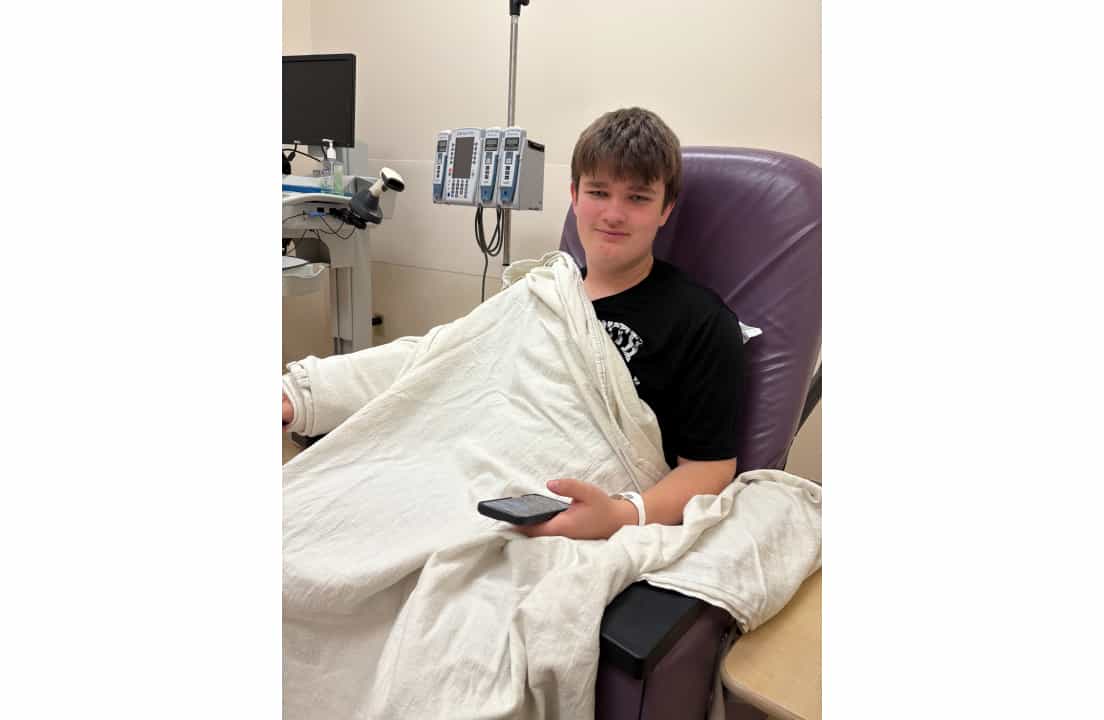
The typical appointment lasted 3 to 6 hours, depending on what needed to be done.
Following the bloodwork, the Sinclairs then headed back up for Jimmy’s pre-meds. “I believe it was Benadryl and Tylenol, then the Tzield would be ordered and would start about a half hour after that,” said Jeanne. “The infusion itself was pretty quick, about 30-45 minutes. Then they kept him for observation for about an hour.”
The dosing for Tzield starts with a small dose, then doubles. “The nurses have an EpiPen on hand in case of an allergic reaction. At night, if Jimmy had a fever, we would give him Benadryl and Tylenol - this happened during five of the treatment days,” Jeanne said. “It was an intense process, but he had the best attitude the entire time.”
Jimmy’s A1c was 5.4 right after the infusion. (At the time of his diagnosis, his A1c was 7.8). They continue to have checkups every three months at the U of M.
Future Tzield Infusions
Currently, Tzield is approved only for delaying the initial onset of T1D as a single, one-time 14-day treatment course. Repeatedly taking the 14-day course every few years to delay stage 3 T1D is not yet approved and remains under ongoing clinical research.
“I have heard of studies looking at the benefits of having it done again later,” Jeanne said.
Interesting Fact: the FDA recently expanded Tzield’s treatment to include patients with recently diagnosed stage 3 type 1 diabetes (aged 8-17) who received a modified Tzield regimen to slow beta-cell destruction.
Tzield Side Effects
Aside from the low fever, body aches and some nausea, which the Sinclairs treated with Benadryl, Tylenol and Zyrtec, none of Jimmy’s side effects were too extreme or uncomfortable.
Jimmy’s Future with Tzield and Stage 2
Despite type 1 being an autoimmune condition, some dietary changes can benefit patients with stage 2 type 1 diabetes, as they help protect the remaining pancreatic tissue rather than stopping the autoimmune attack.
Accordingly, the cells left work in overdrive, producing adequate insulin to keep blood glucose levels stable. Studies show that certain dietary changes alleviate this metabolic stress, helping preserve the surviving beta cells longer.
“We met with the nutritionist, who suggested protein/fat/fiber first before carbs,” said Jeanne. “Jimmy spikes at meal times, then immediately comes back down. A good low-carb meal will barely spike him.”
Also, he wears a Dexcom continuous glucose monitor (CGM) now to monitor his glucose levels.
The University of Michigan stays in touch and monitors Jimmy’s Dexcom numbers in the app. “They’ll look at it when I contact them. I think I have enough knowledge that if something’s crazy, I can contact them and ask them to look into it, although I haven’t really needed to.”
Additionally, the Sinclairs had Jimmy’s younger sister, Katie, screened through TrialNet, and her results were negative for autoantibodies.
The Benefits of Tzield: How Long Can it Hold Off T1D?
“They told us that it varies,” Jeanne said. “Right now, he is 1.5 years out from the infusion, and he is still insulin-free. We just had his endocrinologist appointment this week, and they told us he’s doing great. Research also shows that people who have had the infusion require less insulin than their peers with type 1.”
Advice to Parents On the Fence
The decision to screen can feel overwhelming and fraught with anxiety. Knowing that a loved one is on the path to T1D can be an emotional burden to carry. However, moving from that place of fear to proactive knowledge can be a powerful step for a family.
“I know it’s overwhelming, and can be scary, but it’s so important to have your kid tested, right now more so than ever. There are so many options out there,” said Jeanne. “What we did by finding out early is we bought more time without insulin. We bought more time without that hanging over our heads every single day. It gave him more time to be a child without having to worry about so many things.”
“Also, it’s such an easy process; we just went to the local UofM lab, they drew blood, and we waited for the results.”
Early T1D Detection Advantages
Early T1D detection moves you from a medical emergency to a manageable condition with a physician helping with treatment.
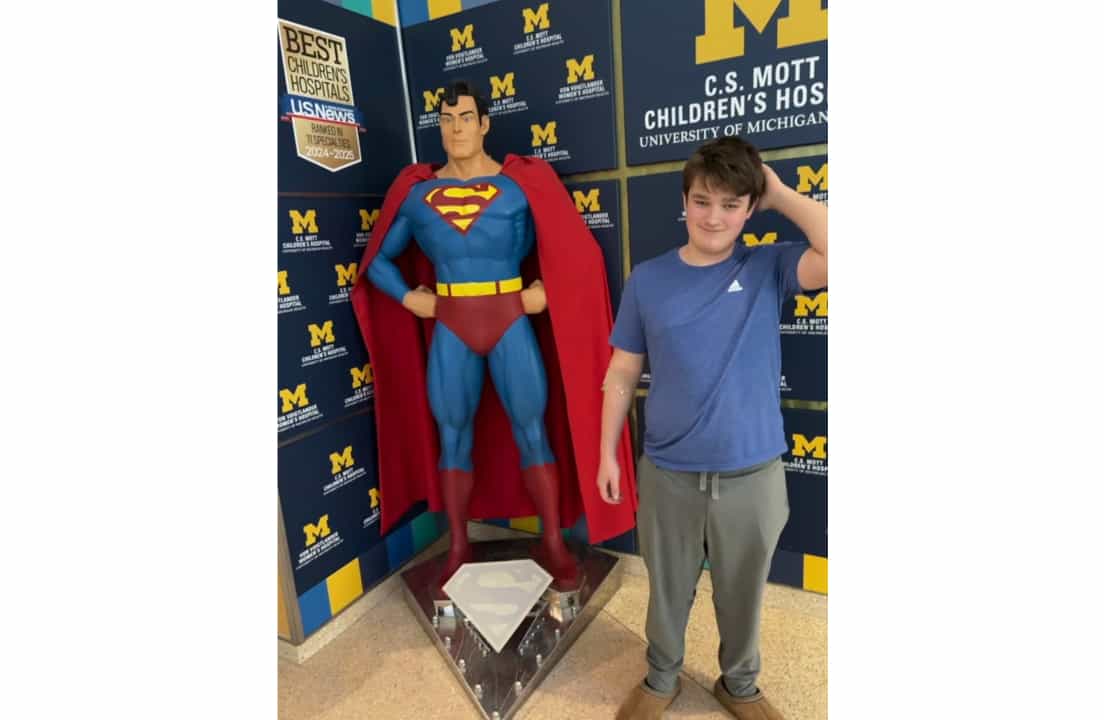
“Now that we have met other type 1 people, we have heard so many heartbreaking stories of people going into DKA when they were diagnosed,” she added. “I have heard of kids having to be life-flighted to the hospital. I know that it can be scary to have a looming diagnosis, but being able to plan and not have a medical emergency has been such a gift to our family. I am forever thankful to his doctor for ordering that fasting glucose.”


.webp)



.jpeg)





















.jpg)







.jpg)





%20(1).jpg)



.jpg)
.jpg)
.jpg)
.jpg)
.jpg)

.jpg)
.jpg)

.jpg)
.jpg)
.jpg)
.jpg)
.jpg)
.jpg)
.jpg)
.jpg)
.jpg)

.jpg)
.jpg)
.jpg)
.jpg)

.jpg)

.jpg)

.jpg)
.jpg)

.jpg)

.jpg)
.jpg)



.webp)
.svg)