


T1D Guide
T1D Strong News
Personal Stories
Resources
T1D Misdiagnosis
T1D Early Detection
Research/Clinical Trials
SCREEN for T1D Act Reintroduced into Congress
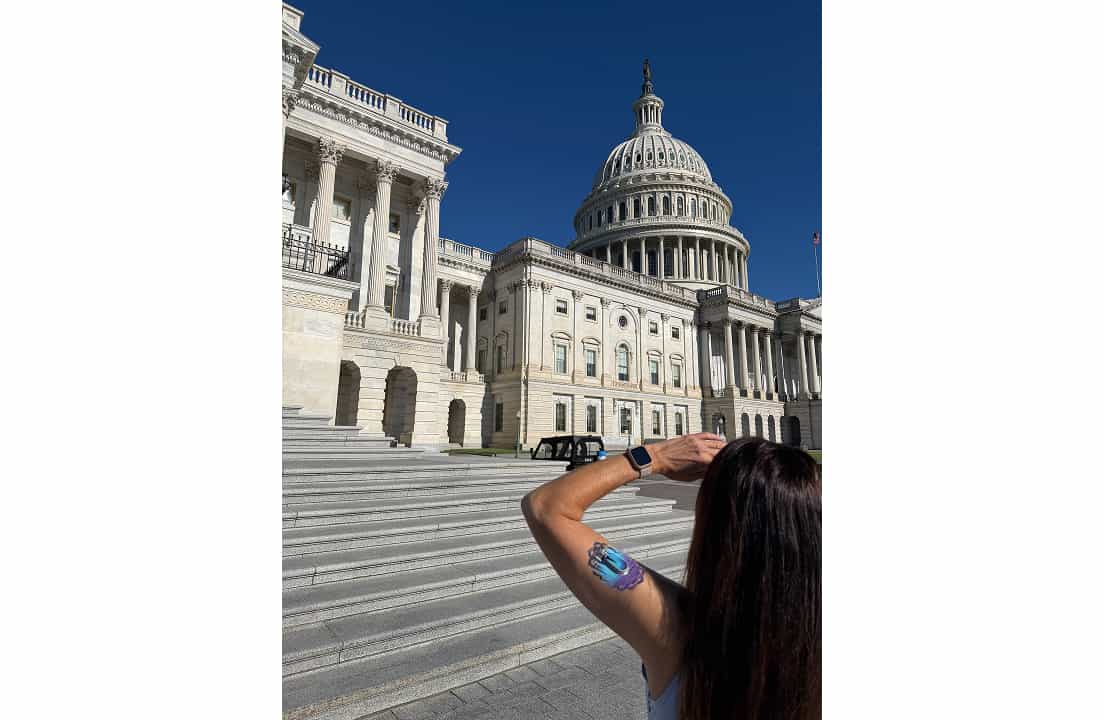
The SCREEN for Type 1 Diabetes (T1D) Act (Strengthening Collective Resources for Encouraging Education Needed) is bipartisan legislation that directs the CDC to create a national education campaign promoting T1D screening and early detection, to raise awareness among healthcare providers and the public about identifying T1D before symptoms appear.

.webp)
In government, things move slowly, but with persistent leadership, there’s still reason to believe not all is lost. In 2024, representatives Kim Schrier (D-WA) and John Joyce (R-PA-13) first introduced the
SCREEN for Type 1 Diabetes Act to Congress.
“As a pediatrician and someone with type 1 diabetes (T1D) for over 40 years, I know the challenges that come with managing the disease and understand how critical early diagnosis is,” said Congresswoman Schrier.
Unfortunately, the bill never moved forward.
The legislation was referred to committee, but didn’t receive a hearing, markup or vote, so like most unpopular bills, ‘died in committee.’ This is common in government: bills are introduced but never advance.
Reintroduction May 2026 with a New Congress
Every two years, Congress wipes the slate clean, and bills that didn’t pass must be reintroduced to be considered again. As a result, two years later, U.S. Senators Jeanne Shaheen (D-NH) and Susan Collins (R-ME), who happen to be the co-chairs of the U.S. Senate Diabetes Caucus, brought the bill to the floor once again.
The two co-chairs have a track record of advancing important issues, including lowering the cost of insulin, investing in treatment and detection, and prioritizing diabetes research. Shaheen and Collins recently introduced the bipartisan INSULIN Act to cap the monthly out-of-pocket cost of insulin at $35 and create a pilot program for uninsured patients.
The SCREEN for Type 1 Diabetes Act would:
- Conduct public awareness campaigns to increase awareness of the signs and symptoms of T1D, as well as the importance of early detection and screening.
- Require the CDC to consult with the National Academy of Medicine, health care provider associations, community health worker associations, nonprofits, state, local and tribal health departments, schools and universities to solicit evidence-based advice for the campaign
- Direct the CDC to award grants to one or more nonprofit entities with a history of conducting similar public awareness campaigns.
“Because the majority of type 1 diabetics have no family history, many Americans don’t know they have type 1 until they need emergency care. That creates serious health risks for children and families that could be prevented by earlier detection and treatment,” said Senator Shaheen.
“By raising awareness about the signs and symptoms at a young age, we can better detect, diagnose and treat this life-threatening disease. I’m proud to introduce this commonsense bill to double down on our efforts to ensure patients like my granddaughter can live healthy, happy lives.”
Senator Shaheen’s granddaughter, Elle, was diagnosed with type 1 at eight years old. Elle’s diagnosis also encouraged her daughter, Stefany Shaheen, to become a type 1 diabetes advocate and author of Elle & Coach.

Why the Urgency Around Early Detection?
T1D screening is gaining momentum like never before. Factors include important disease-modifying therapies (like Tzield), which can delay onset by up to two years, but only if the disease is caught in the early stages of type 1 diabetes.
Other factors include:
T1D cases are on the rise
T1D screening prevents dangerous diabetic ketoacidosis (DKA) at diagnosis
Early screening is more readily available
When Policy and Science Meet
The senators are hopeful that the 2026 reintroduction will advance the bill this time, as T1D screening is gaining national attention. Another bonus of access to intervention is cost savings for the health care system—preventing emergency hospitalizations at the time of diagnosis.
Collins went on to say, “By encouraging early detection and screenings, this bipartisan bill would empower both health care providers and the public with the knowledge to identify and manage T1D effectively.”

How to Get Screened Now
You don’t have to wait for the bill to pass to get tested. Several free and low-cost screening options are already available in the U.S.:
- TrialNet offers free risk screening for anyone with a relative with type 1 diabetes. You can learn more or request a kit via TrialNet Risk Screening.
- ASK (Autoimmunity Screening for Kids): Provides free, research-based screening for children and adults ages 1-99, regardless of family history.
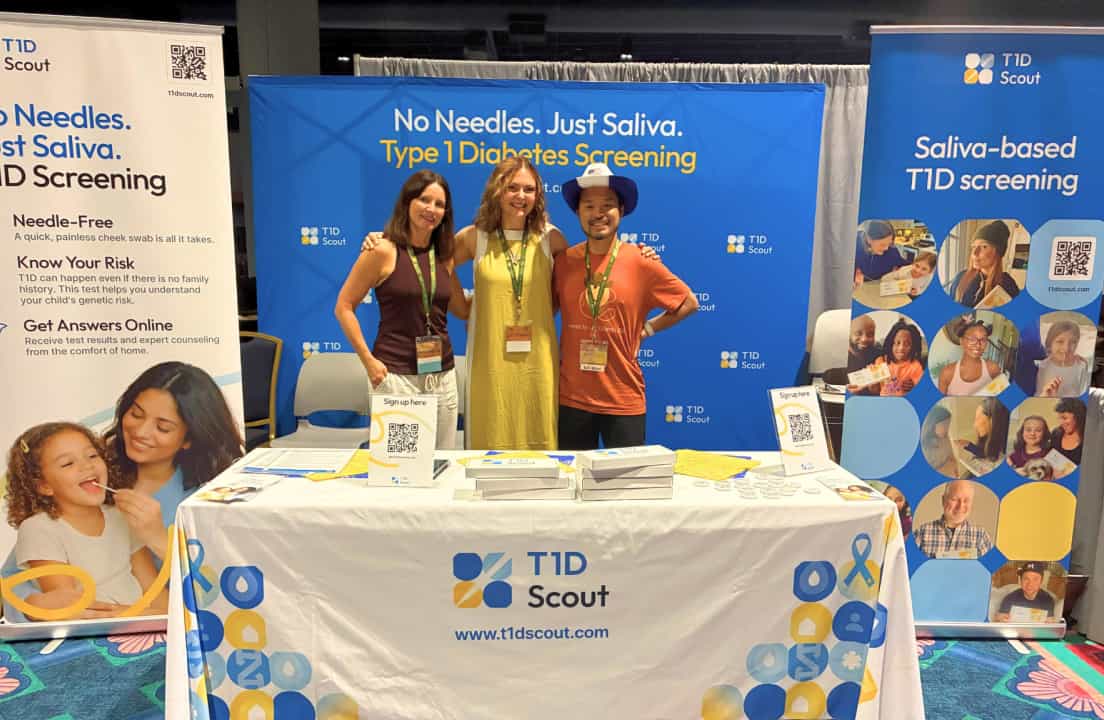
- T1D Scout: Offers a remote, saliva-based screening program designed to make testing accessible without the need to visit a doctor’s office or lab.
- Enable Biosciences: A mail-in testing kit created in collaboration with Breakthrough T1D. It requires a small finger-stick blood sample to check for three primary autoantibodies.

The Case for Screening is Strong
Advocacy groups worldwide have made screening a top priority, giving individuals time to prepare, access to clinical trials, and a safe diagnosis with early intervention.
Most importantly, the SCREEN for Type 1 Diabetes Act is endorsed by the American Diabetes Association (ADA) and Breakthrough T1D, who need your help on this important issue. It only takes a minute to use this link to contact your representative.


.webp)
.jpeg)

















.jpg)




.jpg)



.jpg)



%20(1).jpg)



.jpg)

.jpg)
.jpg)
.jpg)
.jpg)
.jpg)
.jpg)
.jpg)


.jpg)
.jpg)

.jpg)
.jpg)

.jpg)
.jpg)
.jpg)
.jpg)

.jpg)
.jpg)

.jpg)
.jpg)
.jpg)
.jpg)
.jpg)


.jpg)


.jpg)

.jpg)


.webp)
.svg)