


T1D Guide
T1D Strong News
Personal Stories
Resources
T1D Misdiagnosis
T1D Early Detection
Research/Clinical Trials
EDENT1FI’s T1D Screening Research Lands Top ADA 2026 Honor
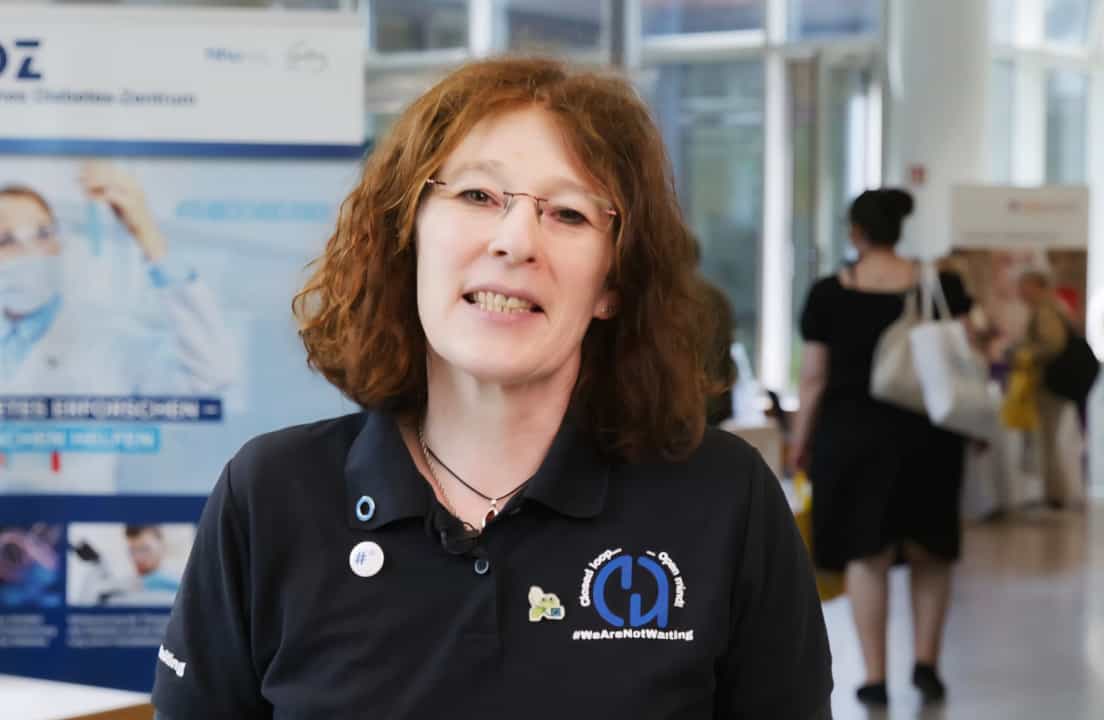
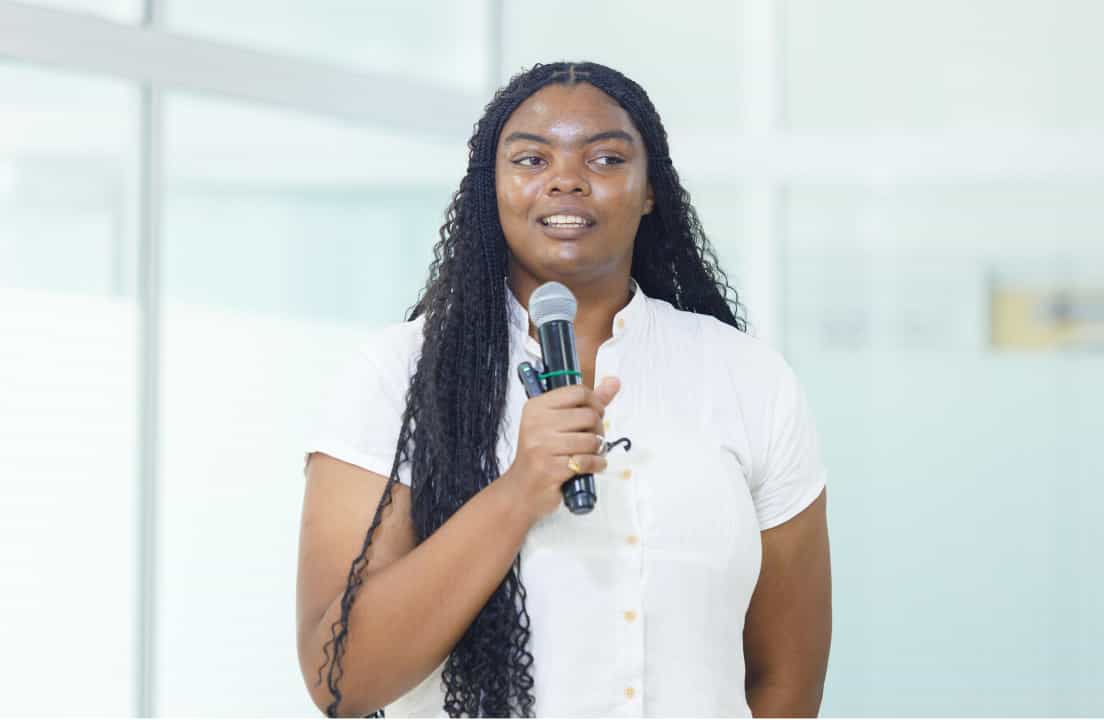
EDENT1FI, a major pan-European initiative, aims to transform the future of type 1 diabetes (T1D) screening. At the ADA 86th Scientific Sessions, Katharine Barnard-Kelly presented research from the project, where her abstract, DED1S, was recognized as a Top 10 Abstract.

.webp)
In a conversation with T1D Strong, she shares insights into EDENT1FI and explains how it represents a significant breakthrough in screening children from the general population for early-stage type 1 diabetes.
What is EDENT1FI?
EDENT1FI (European Action for the Diagnosis of Early Non-clinical Type 1 Diabetes For Disease Interception) is revolutionizing T1D diagnosis, care, and prevention through comprehensive early screening and psychosocial treatment for parents and caregivers.
Launched in 2023, the five-year project targets more than 220,000 children and adolescents across Europe for early-stage, pre-symptomatic type 1 diabetes. The goal is to detect the disease early, intercept its progression, and educate families before serious symptoms appear.
The Pre-symptomatic Challenge
Since we can now identify individuals in the early pre-symptomatic stages of T1D, we can prevent life-threatening diabetes ketoacidosis (DKA), preserve beta-cell function, and delay insulin dependence, opening the door to disease-modifying therapies (DMTs) like teplizumab (TZIELD).
Interesting Fact: On June 23, 2026, NICE (National Institute for Health and Care Excellence) approved TZIELD for use on the NHS in England and Wales, making it accessible to patients at scale.
Holistic Assessment & Continued Support
While early detection of T1D no doubt benefits individuals’ medical and socioeconomic health, the psychological and emotional burden is often overlooked. Parents and caregivers are left to manage the reality of waiting for this devastating condition to manifest.
About Katharine Barnard-Kelly
Katharine Barnard-Kelly, PhD, is a chartered health psychologist and leading global expert in the psychosocial impacts of diabetes.

She is the co-founder and chief science officer of Spotlight-AQ, an AI-driven digital health platform.
Barnard-Kelly represented EDENT1FI at the 2026 ADA Scientific Sessions, with her abstract, “DED1S: Development & Validation of a Novel Screening Measure for Parents/Caregivers of Children Diagnosed with Pre-symptomatic Type 1 Diabetes,” which was recognized as a top abstract by the ADA Youth Strategies Committee.
A Tool Helping Families Navigate Early T1D
DED1S highlights an important screening measure that assesses the psychological and psychosocial impact on parents and caregivers whose children have been diagnosed with early-stage T1D.
“The decision to screen, and the decision to move forward with a disease-modifying therapy, and then to insulin dependency, involves many different considerations,” said Barnard-Kelly.
“We wanted to provide a tool that could help people communicate effectively with their clinical team and to receive appropriate resources to address any concerns immediately, and to navigate those stages in the journey so that they were better prepared.”
“It’s not always obvious to people as they set out on that journey. Their partner, for example, might not be on the same page as they are, which comes up more often than you think,” she added.
EDENT1FI Timeline and Progress
Since its launch, the project has reached its midway point, having successfully screened over 100,000 participants across Europe, and is on track to screen an additional 120,000 youths by its conclusion on October 31, 2028.
Families can participate by using home-screening blood test kits to identify the pre-symptomatic biomarker. The screening program is open to children and adolescents aged 1-17 years.

Scope and Reach
With its formal kickoff in Munich, Germany, the project is a global partnership across 12 countries, with active screening programs spanning Czechia, Poland, Portugal, Germany, Italy, Sweden, the UK, and Denmark.
“We have screened an enormous amount of children across all of the European countries that are taking part. It’s a brilliant, huge collaboration across the whole of Europe,” Barnard-Kelly said. “And what we wanted to do was better understand whether general population screening is a good idea and how to navigate that research evidence to support screening committees in different countries.”
They’re hitting their markers, and it’s exciting. Portugal, the Czech Republic, and Poland are really driving momentum in general population screening, with ambitious programs and substantial activity focused on the early detection of type 1 diabetes in children,” she added. “So I think there are lots of lessons learned from Professor Bossie and his team around Italy to inform how others could roll it out.”
Supporting Families Before Diagnosis
The study hopes to achieve two things. One is to develop a risk decision tree to help people receive the support they need at every stage of the diagnostic process.

“We wanted to identify if people were struggling psychosocially,” Barnard-Kelly said. “This was the award we won at the ADA: we developed a novel, 12-item, 6-positive, 6-negative, validated screening tool available in multiple languages, freely available on the EDENT1FI website for anyone to use to identify the extent of psychosocial issues and what those issues might be.”
“Parents are asked to complete their Hospital Anxiety and Depression Scale. If they score moderately or high, they will repeat that assessment two weeks later,” she said. “If they remain high, we can make referrals for appropriate support, and the second is to identify how many people are actually distressed through the screening process.”
Barnard-Kelly said the reported numbers are very low so far, but they need evidence to show the screening committee.
Funding
The European Commission’s Horizon Europe program primarily supports EDENT1FI through the Innovative Health Initiative, alongside substantial support from charities like Breakthrough T1D. Among the 27 partners, EDENT1FI is working with Breakthrough T1D, the Leona M. and Harry B. Helmsley Charitable Trust, Diabetomics, Inc., and the Critical Path Institute in the U.S.
Leadership
The project is co-coordinated by KU Leuven in Belgium and Helmholtz Munich in Germany. Co-Founders of the Project include Annette-Gabriele Ziegler, Professor at Helmholtz Munich, Mark Peakman, Senior Director at Sanofi, and Professor Chantal Mathieu of KU Leuven, recipient of the ADA’s 2026 Distinguished International Service in the Cause of Diabetes Award.
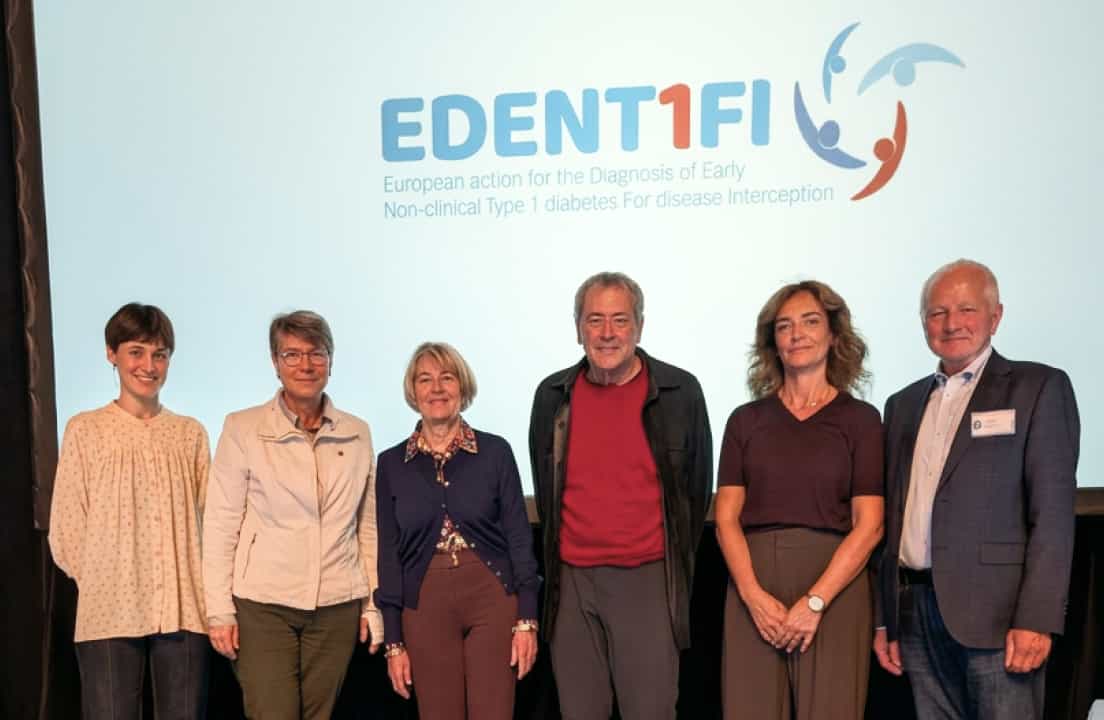
“Professor Chantal Mathieu is absolutely brilliant. She’s brought together a phenomenal team to answer this really important research question. And she’s doing it incredibly well; there have been a lot of publications and a lot of conference engagements, and a lot of raising awareness.”
EDENT1FI’s Five Objectives
- To identify T1D before hyperglycemia onset through population screening.
- Develop strategies for preventive and disease-modifying therapies (DMTs).
- Enhance biomarkers for early T1D progression.
- Inform the public, healthcare professionals, and authorities about new paradigms in T1D.
- Manage pre-symptomatic T1D to lessen disease impact at clinical diagnosis.
From Research to Real Life
At the recent ADA Scientific Sessions, Barnard-Kelly was impressed with the amount of coverage the psychosocial space received.
“Of course, the technologies are mind-blowing, and they continue to get more and more exciting, especially with continuous ketone monitoring, but there were so many psychosocial posters this year. It’s really, really great to see such good research being conducted to support people’s mental health alongside glycemia.”
The Broken System is Shifting
Barnard-Kelly’s work at Spotlight AQ is helping people have better conversations about the psychosocial aspects of health alongside the physical, so that patients are better understood and can access resources much more quickly and effectively.
“It takes a shift, doesn’t it? It takes a cognitive and a structural shift to move to the point where you can support people more effectively before terrible things happen,” she said. “There seems to be a growing appreciation that you can’t just keep treating the disease. The complications can’t continue to cost the most of your budget in diabetes care. It’s just such a completely messed-up way of supporting people with diabetes; wait until they get really poorly, and then throw all your resources at that.”
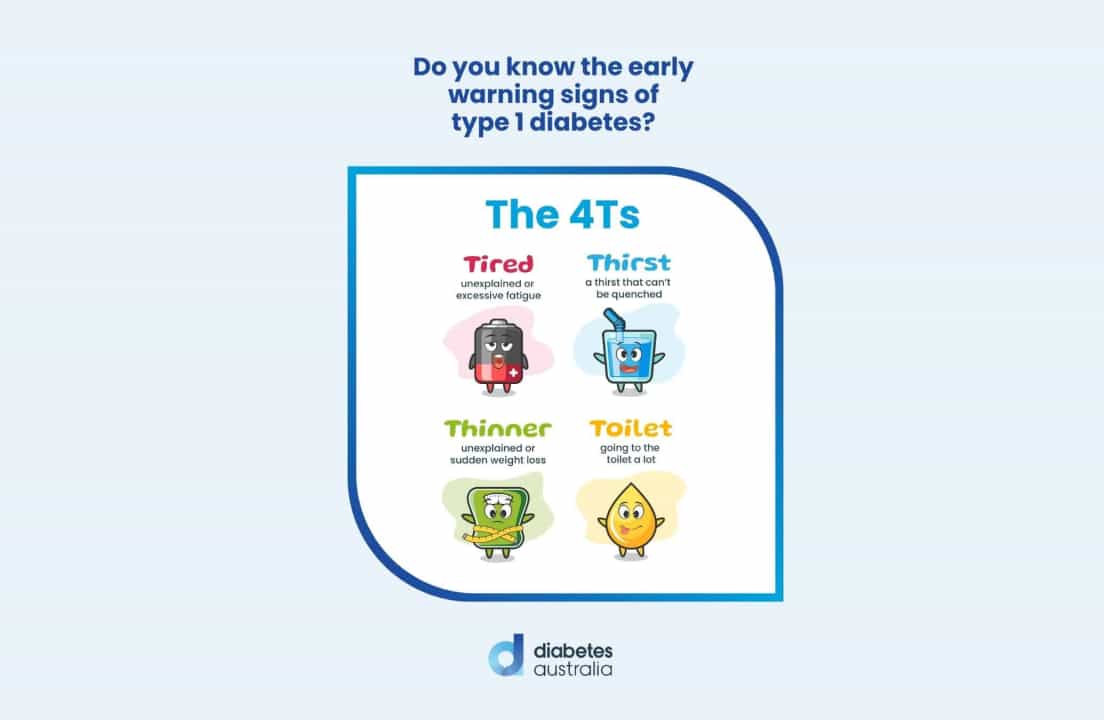
“I think what would be helpful is to reinforce to healthcare providers, clinicians in primary and secondary care who do not specialize in diabetes, exactly what those signs and symptoms are, because I think it would be super helpful if there were this more consistent awareness of the Four Ts.”
“I’m honestly really optimistic about the future of diabetes care. I think the fully closed loops are very exciting”, Barnard-Kelly added. “I was at a meeting in Manchester this week, where Emma Wilmot said that the national audit data for type 1 diabetes shows that 64% of adults are on continuous glucose monitoring, which is a huge shift.”
It’s in Your Hands
“It’s in Your Hands” is the official Europe-wide public awareness campaign launched by EDENT1FI. The call to action underscores the power of early screening to prevent medical emergencies, protect our children and change the future of type 1.
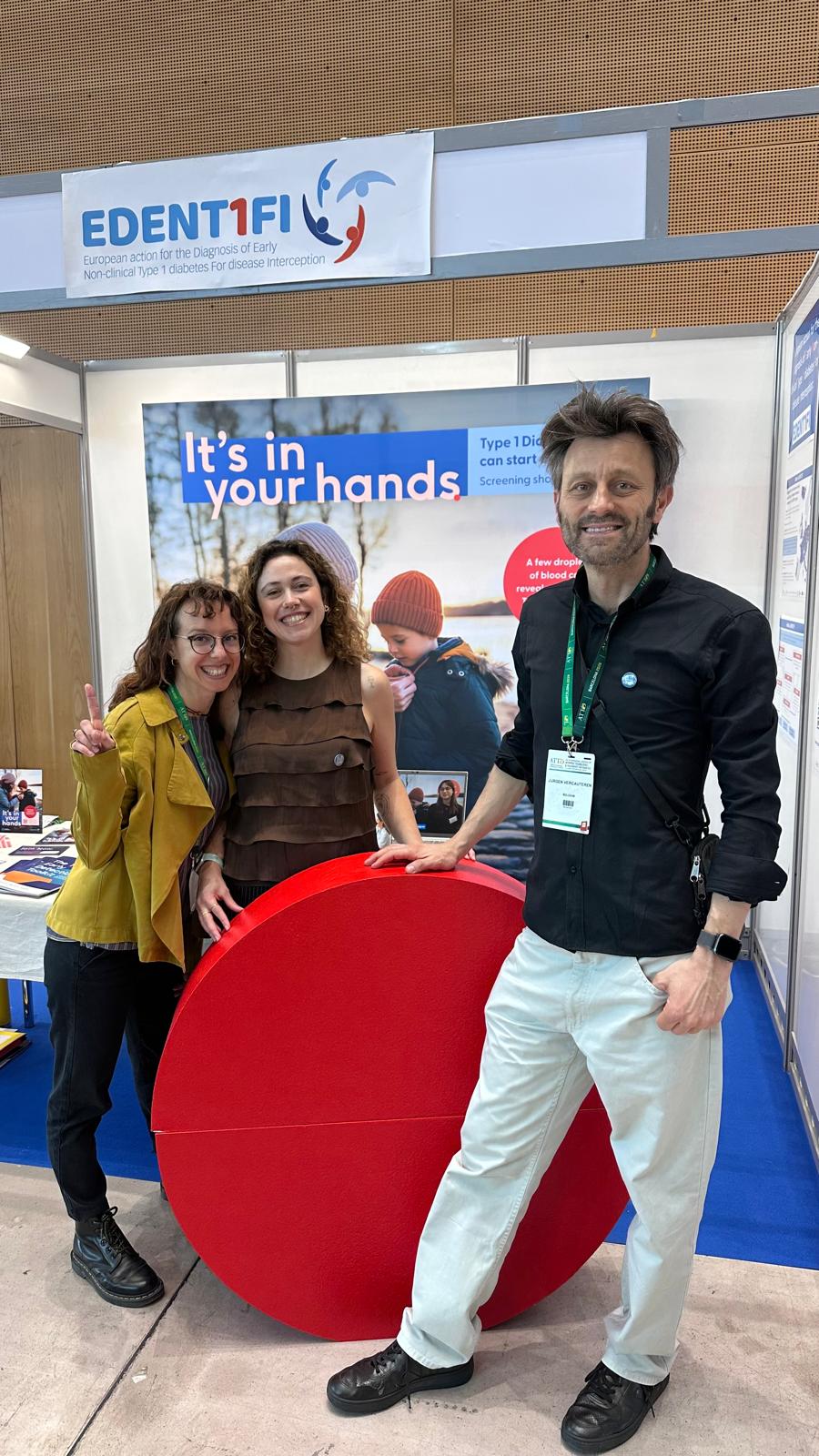
You can learn more about its important mission and research on the official EDENT1FI website or the IHI Innovative Health Initiative project page.


.webp)
.jpeg)
















.jpg)






.jpg)




.jpg)




%20(1).jpg)



.jpg)

.jpg)
.jpg)
.jpg)
.jpg)
.jpg)
.jpg)
.jpg)


.jpg)
.jpg)

.jpg)
.jpg)

.jpg)
.jpg)
.jpg)
.jpg)

.jpg)
.jpg)

.jpg)
.jpg)
.jpg)
.jpg)
.jpg)



.jpg)


.jpg)

.jpg)




.webp)
.svg)