


T1D Guide
T1D Strong News
Personal Stories
Resources
T1D Misdiagnosis
T1D Early Detection
Research/Clinical Trials
India’s Rising Type 1 Diabetes Crisis: Why Cases Are Surging and What It Means
India is home to the world’s largest population of children living with type 1 diabetes (T1D). In response to the rapid rise in cases, the Ministry of Health has released the country’s first national guidelines for childhood diabetes, making lifelong insulin therapy, diagnostic testing, and monitoring devices available free of charge in public hospitals.

.webp)
With approximately 475 million children under 18 (nearly 19% of the world’s child population), this marks an incredible step forward for the type 1 diabetes community.
Why are the T1D Rates Increasing?
With an estimated 100,000 T1D cases reported annually, the rate is rising by 3-5%. Since type 1 is an autoimmune condition rather than a lifestyle disease, the answers lie in a combination of genetic susceptibility and environmental factors.
A deeper dive into certain case-control studies examined infant/childhood diet, viruses (exposure as early as in utero), hygiene, hormones, stress and vitamin D deficiency as possible causes of the rise.
Genetic Predisposition
South Asians are genetically more prone to diabetes and display higher degrees of insulin resistance. Southern and coastal Indian states like Goa, Puducherry, and Kerala have the highest rates of high blood sugar and diabetes.
And though type 1 diabetes and type 2 diabetes are different in origin, factors like urban lifestyles, changing food habits, and stress contribute to this trend.

Environmental Factors
Early exposure to pollutants (such as ozone), viral infections, and chemical food contaminants can trigger the autoimmune response that destroys insulin-producing beta cells.
Diet and Microbiome Changes
According to the National Institutes of Health (NIH) changes in diet, rising antibiotic use, and evolving infant feeding practices have reshaped the gut microbiome, affecting immune system development and potentially increasing the risk of autoimmune diseases. Some non-human milk proteins have been shown to alter the gut microbiome and trigger an unwarranted autoimmune response.
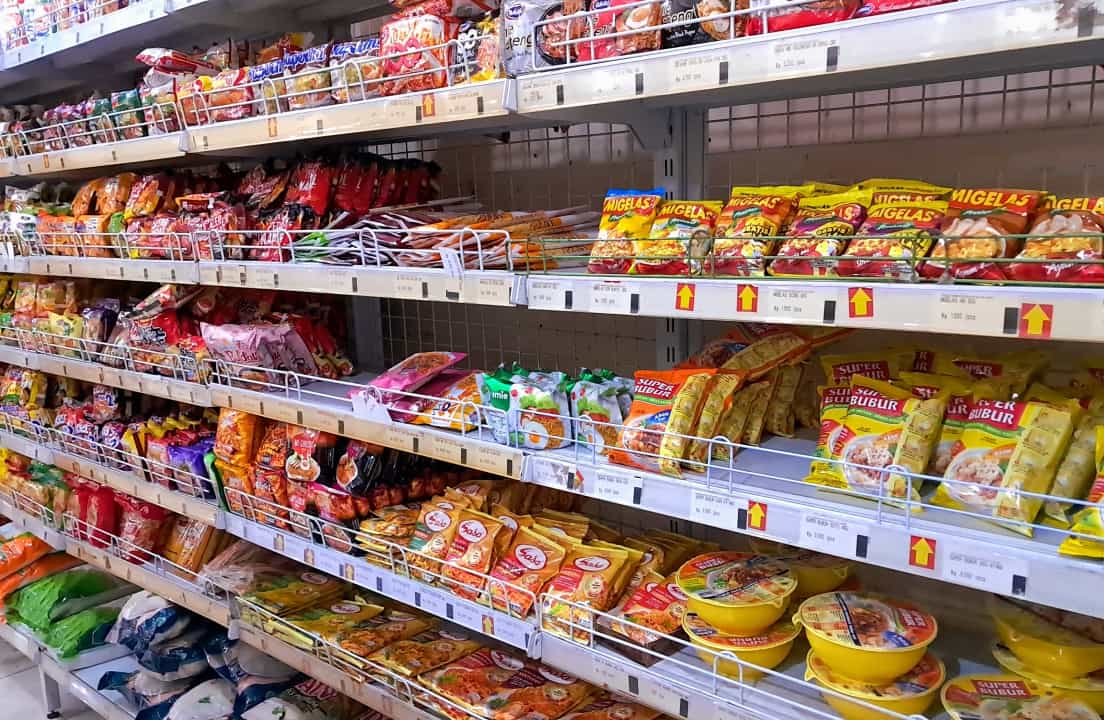
The Lancet reported global sales of ultra-processed foods have surged to nearly $2 trillion, and consumption is rising.
Vitamin D Deficiency
Limited sun exposure, especially in urban environments, along with low vitamin D levels has been associated with a higher risk of developing type 1 diabetes.
ICMR Medical Nutrition Therapy
The Indian Council of Medical Research (ICMR) updated its clinical guidelines to provide culturally relevant nutrition plans, replacing restrictive diets with holistic carbohydrate counting and medical nutrition therapy.
Improved Diagnosis
Better access to healthcare and testing means that cases that previously went undetected or misdiagnosed are now being accurately recorded.
National Childhood Diabetes Policy
Launched in May 2026, this framework expands the Rashtriya Bal Swasthya Karyakram (RBSK) to screen all children from birth to age 18 in schools and local communities.
How Does India’s Increase Affect Other Countries?
India’s soaring T1D diagnosis rates impact other countries through medical research, epidemiological tracking, and migration. Insights into the disease there help shape global treatment standards and risk assessments.
Interesting fact: India is not the first country to implement nationwide childhood screening for type 1; Italy is.
In 2023, Italy passed a law mandating a nationwide pediatric screening program for type 1 diabetes and celiac disease. Italy tests children ages 1 to 17 using blood-based autoantibody screening.
Countries with Active National Pilots to Screen T1D
- Australia: Testing newborns through the Type 1 Diabetes National Screening Pilot.
- Germany: Screening toddlers via the Fr1da study.
- Israel: Tracking infants using the ADIR study.
- United Kingdom: Coordinating regional pediatric tests via the EDENT1F1 program.
- Poland: Expanding multi-city models to shape future policies
Organizations like the Diabetes Voice, a global medical network, are analyzing these pilot policies. With more standardized international guidelines, governments will have an easier transition implementing screening programs.
The “4Ts” Awareness Framework
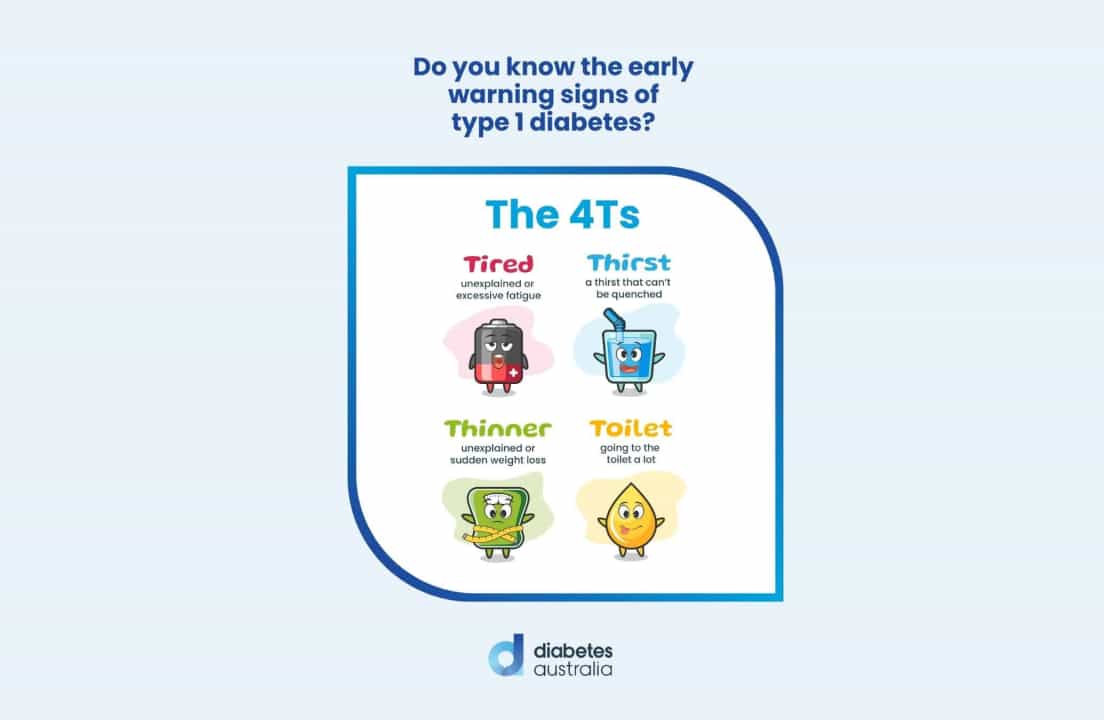
The familiar “4 T’s” for diabetes (which stand for Tired, Thirst, Toilet, and Thinner), a campaign that originated as a national educational awareness campaign by Diabetes UK, is extending its health programs to train parents, teachers and caregivers to identify the early symptoms of T1D before the dangerous side effects of diabetic ketoacidosis (DKA) can happen.
Free Care Initiative
Most importantly, essential healthcare, including confirmatory diagnostics, lifelong insulin, glucometers, and test strips, is now free of cost through public facilities to prevent life-threatening complications like diabetic ketoacidosis.
Driving Global Research and Etiology
Because T1D rates are increasing globally by 3–5% annually, comparing incidence rates across countries helps researchers isolate environmental triggers. India’s diverse climate, unique childhood diets, and varying hygiene standards provide researchers with vital comparative data to test hypotheses on what causes the disease.
Understanding Epigenetics and Migration Risks
Migrant studies consistently show that populations moving from developing to high-income countries acquire the T1D risk profile of their new communities.
Analyzing these demographic shifts helps health organizations in countries like the U.S. and the UK anticipate T1D and metabolic risks in South Asian immigrant populations.
STIGMA: Addressing Delayed Diagnoses
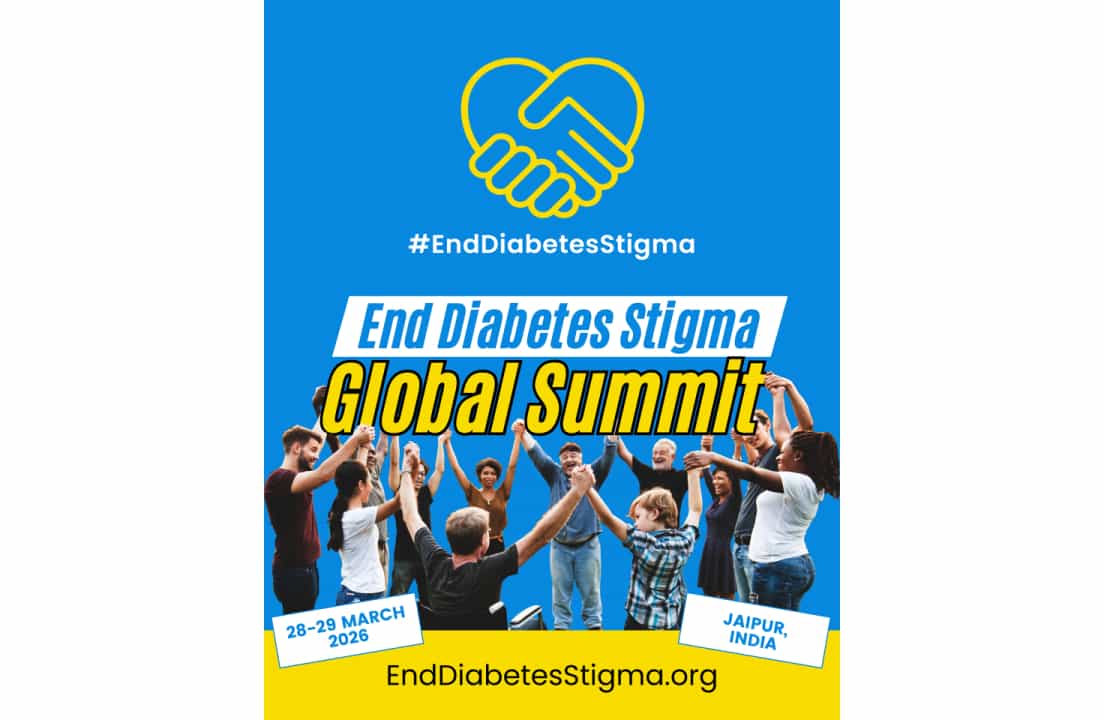
India struggles with rampant diabetes misinformation, delayed diagnoses, and social stigma. The recent Global Summit to End Diabetes Stigma conference, held in Jaipur, India, this year, was the first international gathering designed to acknowledge stigma and undo the harm it’s caused in healthcare, workplaces and communities.
Industry researchers and advocates from more than 40 countries banded together to address this important issue.
Global Resource Allocation – It’s Vital We Take Care of Each Other
With millions of people—and over a quarter of the world’s diabetic population—living in India, the country faces immense economic and healthcare challenges. The massive burden drives international advocacy efforts. Organizations monitor these systemic barriers to ensure equitable global resource allocation and supply chains.


.webp)














.jpeg)











.jpg)







.jpg)



.jpg)





%20(1).jpg)




.jpg)

.jpg)
.jpg)
.jpg)
.jpg)
.jpg)
.jpg)
.jpg)



.jpg)
.jpg)

.jpg)
.jpg)

.jpg)
.jpg)
.jpg)
.jpg)

.jpg)
.jpg)

.jpg)
.jpg)
.jpg)
.jpg)
.jpg)



.jpg)


.jpg)

.jpg)




.webp)
.svg)