


T1D Guide
T1D Strong News
Personal Stories
Resources
T1D Misdiagnosis
T1D Early Detection
Research/Clinical Trials
It’s Not the End of the World: Zinnia Wijsman’s Journey With Type 1 Diabetes in Ghana
At 17, Zinnia Wijsman was always thirsty, always drinking water, and a relative noticed it was not normal. There was diabetes in the family, so they did not ignore it. What followed was not just a diagnosis, but a chain of events that would shake her confidence, test her body, and eventually reshape her life in ways she could not have imagined.
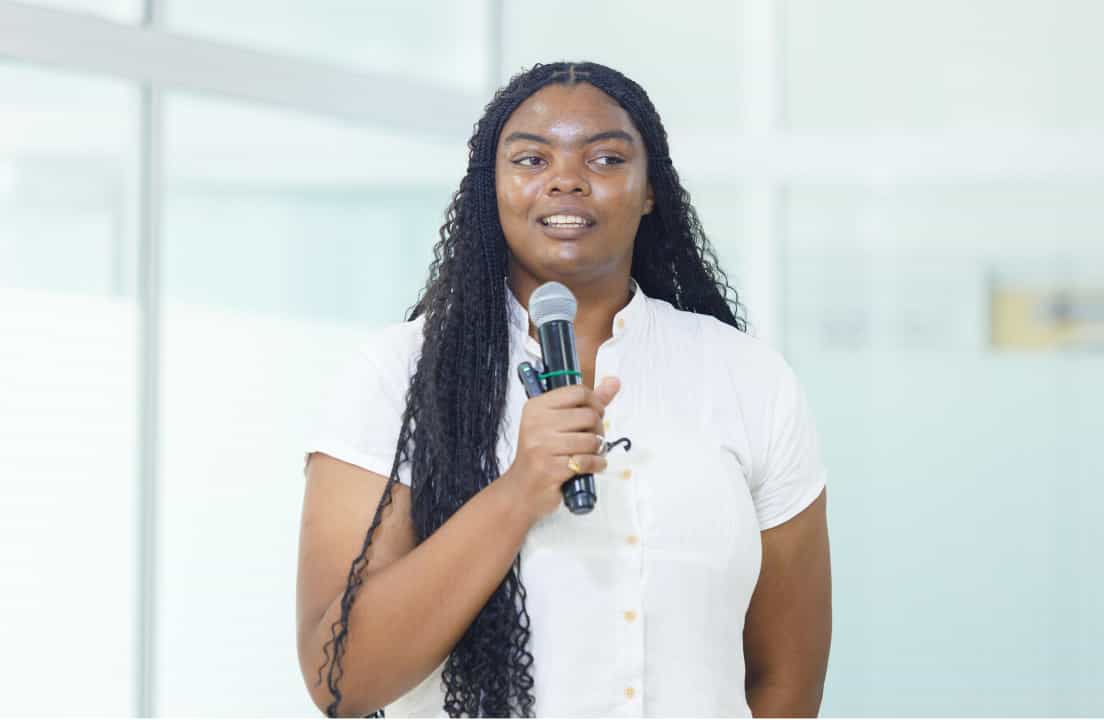

The morning when everything changed
The morning Zinnia went to the hospital in Ghana, everything felt routine at first. Blood was drawn. She waited. Then the result came back, and the room shifted in tone before anyone even said a word. Her blood sugar was 14.8 mmol/L.
The lab technician looked at her in a way she still remembers clearly. It was not just concern. It felt like alarm.
“He looked like I was almost near my deathbed, and said, ‘Sorry,’ and I was like, ‘Sorry about what?’”
At 17, Zinnia did not understand what was happening. She only knew that suddenly, people around her were reacting as if something serious had already begun. She started crying. Her sister stayed beside her, trying to steady a moment that was already slipping out of control.

A Type 2 Misdiagnosis
Before she even reached a doctor, the story of her illness was already being written by others. Nurses looked at her results and spoke as if the outcome was already decided. One told her she was too young for something like this, and that life would now be “miserable.” Another suggested it was her fault, tied to food, body size, and choices she insisted were never part of her life.
Then came the doctor’s conclusion. Without deeper testing, without hesitation, she was labeled as type 2 diabetes. They prescribed pills, and she was sent home. Just like that, she left the hospital with treatment—but without clarity, just a treatment that did not work.
The next two weeks were confusing in a way she still finds hard to describe. Zinnia followed every instruction. She took the medication. She tried to adjust her eating. She tried to believe things would stabilize, but they did not. Instead, her body worsened.
“I was starving myself. I was breaking down a lot, and my blood sugar was still high.”
Fear started replacing everything else. Nothing made sense anymore. She was doing what she was told, but her body was not responding. Even those around her began to question the diagnosis.
A Correct Diagnosis Brings Clarity
Eventually, the uncertainty became too heavy to carry. The family went to a private hospital, hoping for something more precise, something more careful. This time, the approach changed. Instead of assumptions, there were tests. The answer was different: It was type 1 diabetes (T1D). The shift was immediate, not just medically, but emotionally. For the first time, what she was experiencing had a name that fit.
She was started on insulin. She was also connected to Ghana Diabetes Youth Care, a support group for young people living with diabetes.
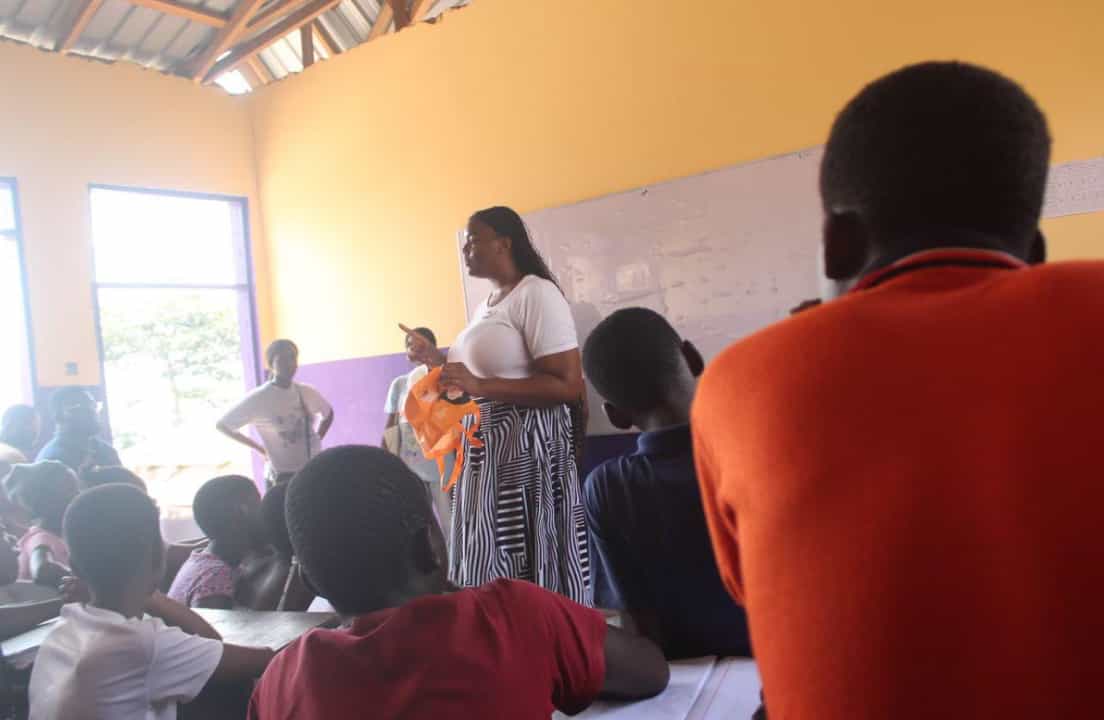
Looking back, she does not dramatize that moment. She simplifies it.
What mattered was not losing more time and finding community after isolation.
It's Not Easy
The first year after diagnosis did not feel like relief. It felt like a weight. Zinnia pulled inward. She did not want to talk about it. She did not want to attend meetings or meet others going through the same thing. Acceptance did not come quickly, and she had not fully accepted her condition.
Then she was invited to a camp organized by Ghana Diabetes Youth Care. She almost did not go… but she went, and something changed: She met other young people living the same reality—injecting insulin, managing highs and lows, learning as they went. For the first time, her experience was not isolated.
One of them, Emmanuella, spoke about advocacy, about access, about the fact that not everyone gets what they need to survive. That conversation stayed with her longer than she expected. Something quiet shifted in her after that—not immediately visible, but steady and lasting.
Stepping into global diabetes advocacy
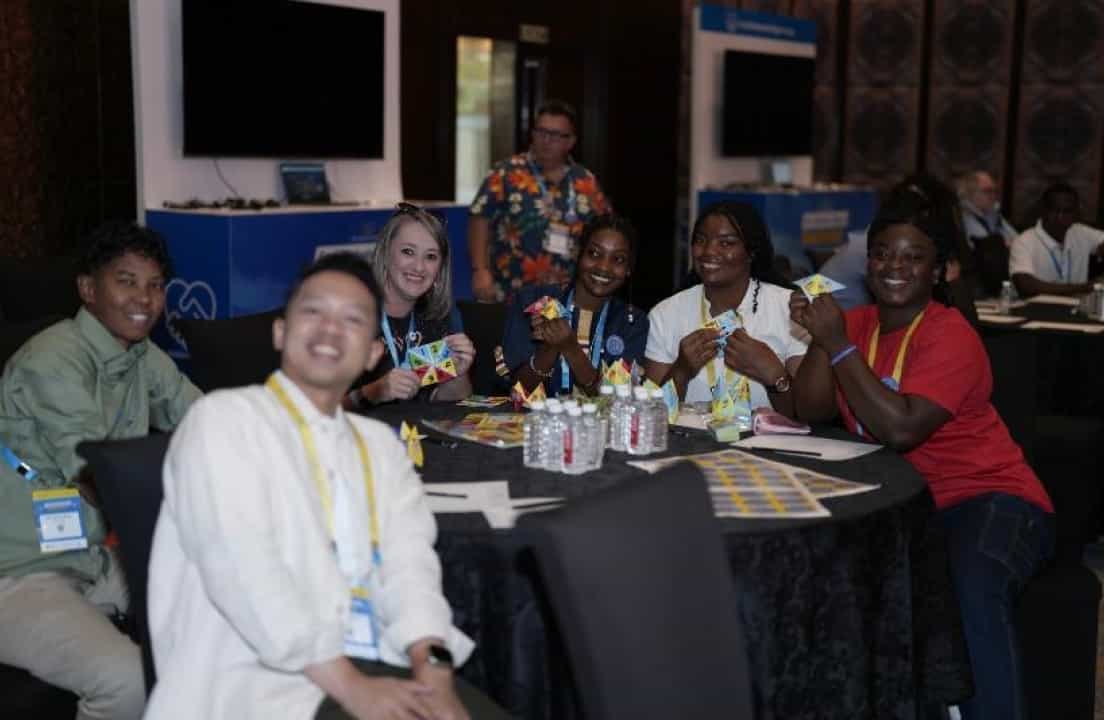
Voices in Action (VIA) Diabetes
Through that community, Zinnia was invited to an international meeting through Voices in Action. She did not arrive there as an advocate. She arrived as someone still learning how to live with her diagnosis.
But she listened. She watched. Zinnia saw people speaking across countries and systems, all trying to solve pieces of the same problem.
From there, she slowly became involved. She helped with communication work. Zinnia offered design skills. She contributed where she could, not always knowing the scale of what she was becoming part of.
Now, she describes it simply.
“I’m part of Voices in Action. That’s where I started understanding advocacy.”
How T1D Changed Zinnia’s Personality
Before all of this, she was quiet. Not withdrawn in a painful way, just comfortable staying in the background, watching life rather than stepping into it. Type 1 diabetes changed that rhythm, not all at once, but through necessity: Appointments, questions, decisions, conversations she could not avoid—slowly, she had to speak. To ask. To be present in ways she had never practiced before.
Zinnia started applying for opportunities. Messaging organizations. Volunteering. Putting herself forward even when it felt unfamiliar. She understood that becoming an advocate was not something for someone who is quiet, so she started putting herself out there.
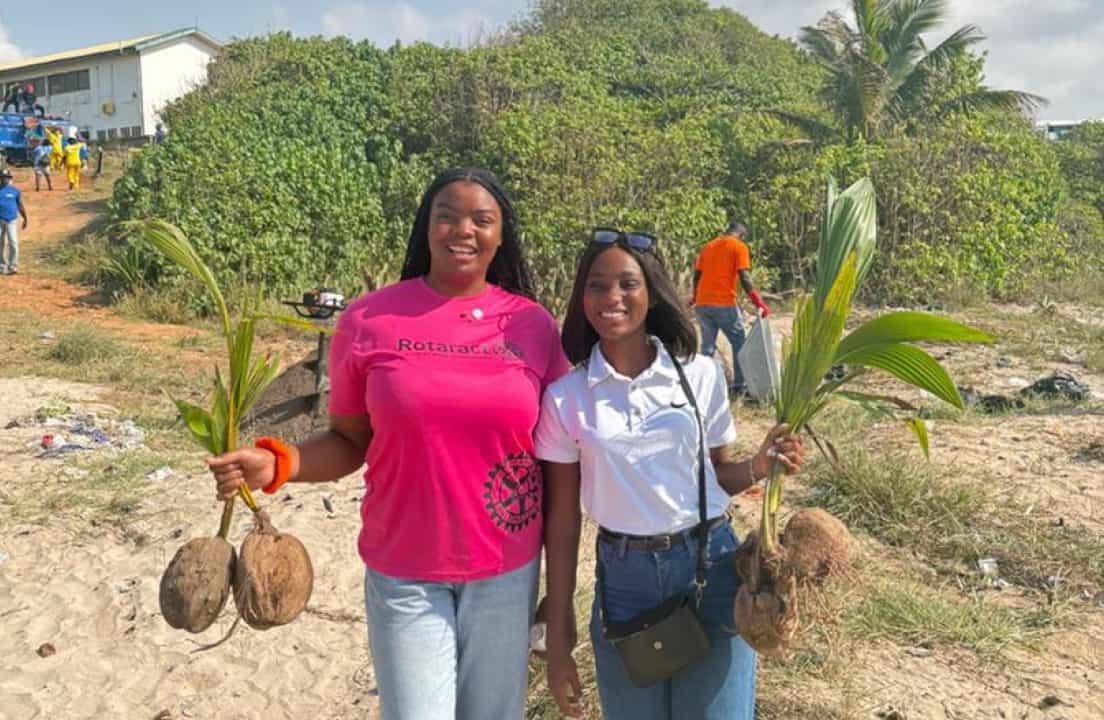
Stigma and misinformation in Ghana
Living with type 1 diabetes was not only about insulin and numbers. It was also about how people reacted to it. She describes a system where many people delay care, avoid hospitals, or wait until symptoms become severe. Long wait times and crowded facilities make it harder still.
But the harder part is social. At a family gathering, Zinnia was injecting insulin when someone told her she was scaring the children. She should stop. She did not argue. She could not. She could not even speak, so she just got up and left.
There is also misinformation—claims of cures, herbal treatments, and public messages that blur the line between hope and harm.
“If the health system is spreading false information about diabetes,” “who is going to listen to us?”
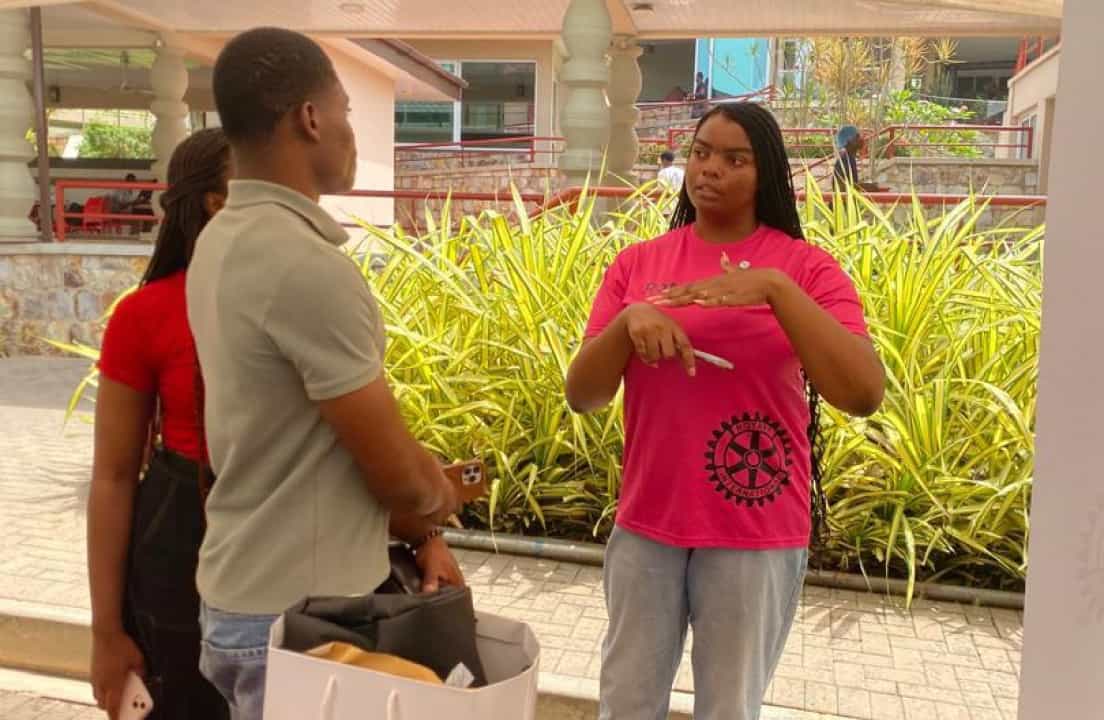
Still, Zinnia continues. On her campus, she now helps organize screenings and conversations, aiming to catch diagnoses earlier and reduce fear around them.
A Message from Zinnia
Zinnia speaks to newly diagnosed people with something she once needed herself: reassurance without denial. Life changes, but it does not stop. There are adjustments, yes, but also continuity: People still study. Still travel. Still build careers and relationships. Still move forward. She believes it is living a normal life where there are changes, but it is not the end of the world.
To those without diabetes, her message is quieter but firm: stop assuming. Don’t criticize someone without knowing the truth, and take time to learn from reliable sources, not rumors or fear—organizations like the National Institutes of Health (NIH), American Diabetes Association (ADA), Breakthrough T1D, Mayo Clinic, and the Centers for Disease Control and Prevention (CDC).
Building a Better Future
Zinnia does not frame her journey as complete. She does not present herself as someone who has figured everything out. But she does know this: lived experience matters, and silence does not help change anything.
Her story moves through misdiagnosis, fear, and isolation, but it does not end there. It continues into community, into advocacy, and into a voice she did not always know she had. And now, what began as a moment of confusion in a hospital has become something else entirely—a life that speaks, reaches outward, and insists that no one else should be left to navigate it alone.


.webp)

.jpeg)

.webp)















.jpg)





.jpg)




%20(1).jpg)



.jpg)
.jpg)
.jpg)
.jpg)
.jpg)
.jpg)
.jpg)
.jpg)
.jpg)
.jpg)
.jpg)
.jpg)
.jpg)
.jpg)
.jpg)

.jpg)
.jpg)
.jpg)
.jpg)
.jpg)
.jpg)
.jpg)
.jpg)


.jpg)

.jpg)
.jpg)

.jpg)
.jpg)


.webp)
.svg)