


T1D Guide
T1D Strong News
Personal Stories
Resources
T1D Misdiagnosis
T1D Early Detection
Research/Clinical Trials
Beyond the Arrows: How Families Can Reduce Overreaction and Anxiety Around Diabetes Data
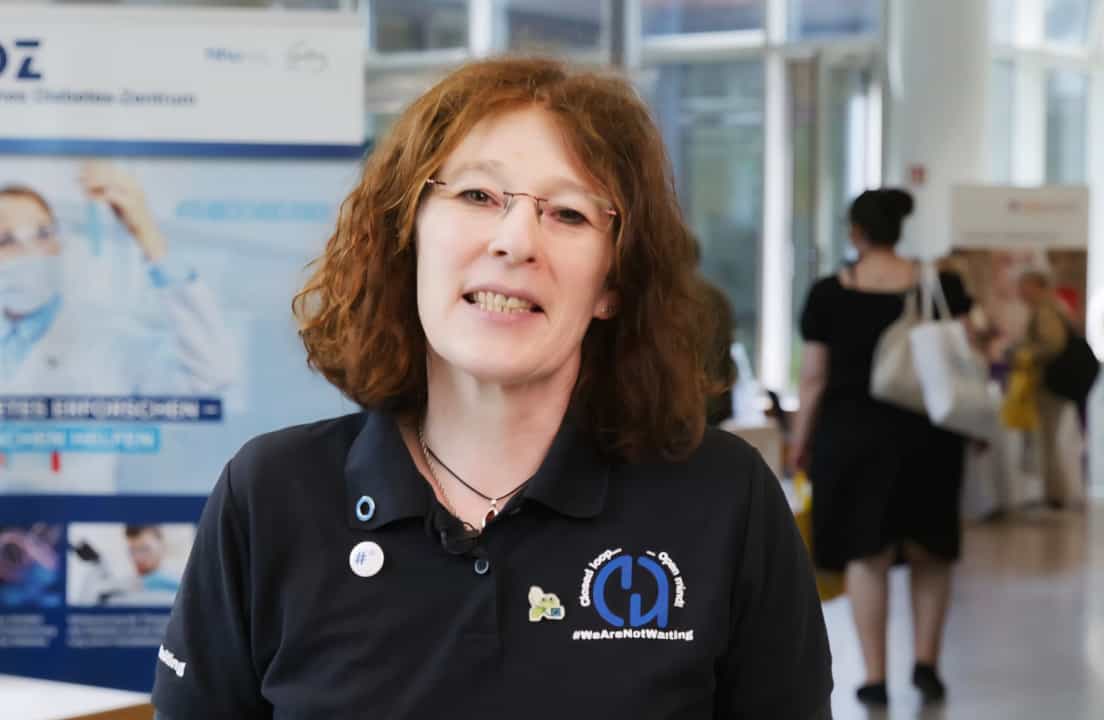
Continuous glucose monitor (CGM) data is a constant part of life with type 1 diabetes (T1D), but reacting too quickly to trends and numbers can increase anxiety, strain family dynamics and lead to burnout. As we recognize Mental Health Month, certified diabetes care and education specialist (CDCES) Anna Sabino shares what she sees in families every day, why glucose data can drive stress at home and how understanding insulin action and communication can help reduce fear and build confidence over time.

.jpeg)
A Childhood Shaped by Type 1 Diabetes
Anna Sabino has lived with type 1 diabetes for more than 35 years, but her understanding of the condition did not begin with data or technology. It began with moments that shaped how she saw herself and how she moved through the world.
Diagnosed at age six, she remembers the emotional experience more than the clinical details.
“I remember feeling left out,” Sabino said. “At birthday parties, I would step away to get a shot while other kids had cake.”
At school, the differences were subtle but noticeable. While other children had candy, she sometimes received a toy instead. Most days felt normal, but those moments stayed with her.
As she grew older, especially in middle school, fitting in became more important. Managing her condition in front of peers felt uncomfortable.
“I wanted to feel anything but different,” she said. “Getting out a meter in front of friends did not feel normal.” Like many teens, she began avoiding visible parts of care. It was not about ignoring responsibility, but about trying to feel like everyone else.
Finding Belonging Through Diabetes Camp
Everything began to shift when Sabino attended a diabetes camp at age 10. “Camp changed everything for me,” she said. “It was the first time I did not feel alone.”
At camp, diabetes was part of the environment, not something to hide. There was no need to explain devices or routines. Everyone understood.
That environment created a sense of ease she had not experienced before, and over time, the experience became more than a connection. She later returned as a counselor and eventually took on leadership roles, working closely with children and their parents.
Those experiences gave her a broader understanding of what families were navigating. “That was when I started having conversations with parents,” she said. “And realized how much support they needed.” That realization helped guide her career path.
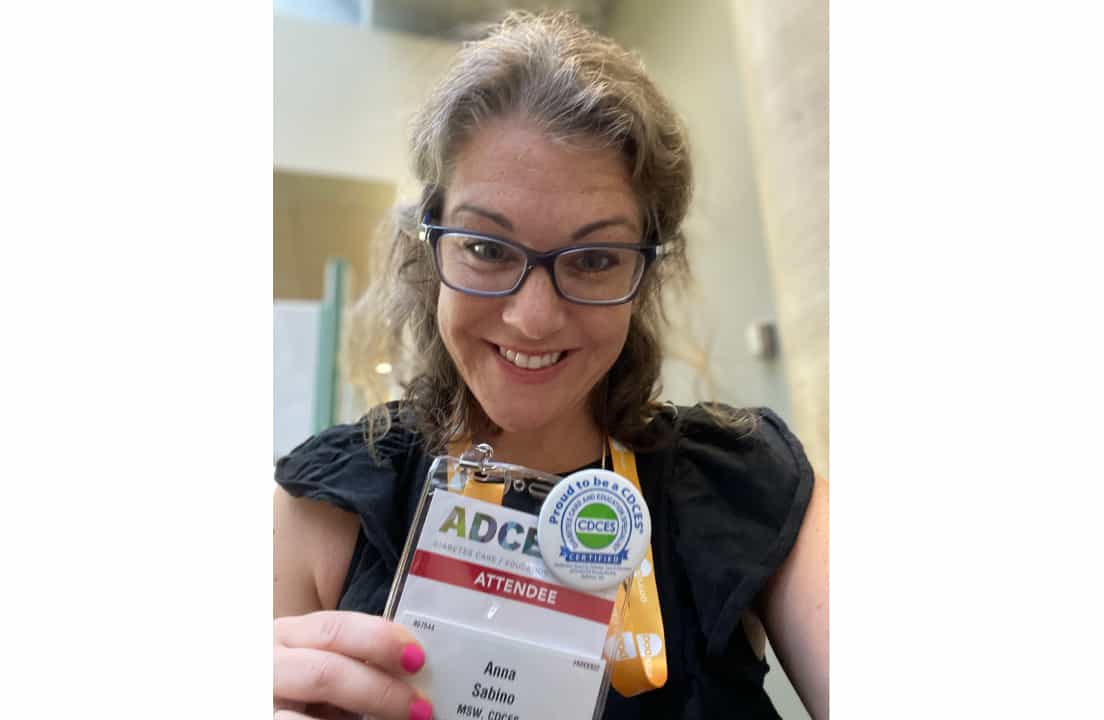
A Career Focused on Supporting Families
Sabino did not originally plan to work in this field. Her path developed through experience and exposure.
She earned a dual bachelor’s degree in psychology and child and family studies from Syracuse University and later completed a master’s degree in social work at Washington University in St. Louis. She went on to become a CDCES, combining clinical training with lived experience.
Over the past 20 years, she has worked across the diabetes community, including roles with the American Diabetes Association (ADA), T1D Exchange, the International Diabetes Federation and the College Diabetes Network, now known as The Diabetes Link. Her work has focused on developing programs for youth and families, with an emphasis on both the practical and emotional realities of managing the condition. She has contributed to professional journals and serves on advisory boards at the local, national and international levels.
Today, she works as a clinical social worker and diabetes educator, supporting children, adults and families navigating life with type 1 diabetes. “I want families to feel like they can handle this,” Sabino said. “Not just medically, but emotionally.”
The Emotional Impact of Glucose Data
Technology has transformed how type 1 is managed. CGMs now provide constant access to blood sugar levels, along with trend indicators that show direction and speed of change. That level of visibility can be helpful, but it can also feel overwhelming. Families are no longer checking a number a few times a day. They are watching changes unfold in real time.
That constant awareness can create pressure to respond quickly. Over time, that pressure can increase anxiety.
“When we react to the arrows, we are responding to the fear itself, not the actual blood sugar,” Sabino said.
When Trend Arrows Trigger Overreaction
One of the most common patterns Sabino sees involves responding immediately to directional changes. A parent may be watching their child’s blood sugar while they are at school.

A rapid drop appears, and the parent steps in right away. “The goal is safety,” she said. “But reacting too quickly can increase stress.”
These arrows are meant to provide guidance, not demand instant action. When every change leads to a response, it can create a cycle of constant monitoring and correction, which can further increase anxiety. That cycle can affect both glucose stability and emotional well-being.
Interpreting Data and Understanding Insulin Action
Part of the challenge comes from how information is interpreted. Many people assume that every change requires immediate action. “People think the arrow is not going to stop,” Sabino said. “So they correct too early.” This often leads to repeated highs and lows.
Another factor is insulin timing; it works over time. It requires patience and trust in the process.
“We are not a patient society,” she said. “Insulin does not act as fast as we want it to.”
Learning to pause and recognize patterns instead of acting immediately is a key part of long-term success.
Confidence, Control and Burnout Over Time
Constantly addressing every reading can have long-term effects. It can shape how children develop confidence and how families approach decision-making. “If we react to every number, we are not teaching kids the skills they need long term,” Sabino said.
Over time, this can contribute to anxiety, depression and burnout. It can also affect independence. Children may rely on constant input instead of building their own understanding.
Recognizing the Signs of Burnout
Burnout does not always look the same. For some, it appears as avoidance. Tasks are skipped, data is ignored, and support is pushed away. For others, it shows up as overfocus. Levels are checked constantly, and small changes feel urgent. “It is very easy to hide distress,” Sabino said. “A lot of it is invisible.” Because it is not always obvious, it can go unaddressed for long periods.
Family Dynamics Under Pressure
Type 1 diabetes affects the entire household. When expectations are not aligned, tension can build over time.

“Unless everyone has shared understanding and shared goals, anxiety can start to impact relationships,” Sabino said.
This becomes more noticeable as children grow older and begin developing independence. Parents may still feel responsible for safety, while teens begin to take more ownership. That difference can create conflict if communication is not clear.
The Emotions That Often Go Unsaid
Children and teens often carry emotional weight that is not always expressed. “Shame, blame and overwhelm are common,” Sabino said. They may feel responsible for their numbers or worry about disappointing others. Without open communication, those feelings can build. “A lot of it comes from what is not being said,” Sabino said.
Supporting Families Beyond the Numbers
Sabino’s work focuses on the full family dynamic, not just the data. She looks at patterns in behavior, communication and emotional response. From there, she helps build skills that support both management and long-term well-being.
“I am not just looking at the numbers,” she said. “I am looking at what is happening in the home and in relationships.” Her work helps parents and caregivers step back from reactive patterns and build confidence in how they interpret trends over time.
Coaching as a Missing Layer of Support
One of the gaps Sabino saw early on was the space between clinical care and real life. Families often leave appointments with information, but not always with the confidence to apply it day-to-day.
Most people managing T1D spend only a small amount of time with their care team each year. The rest happens at home, in school settings and in everyday decisions that carry both practical and emotional weight.
Sabino runs her coaching practice, Finding Smiles Coaching, to support that space and help families navigate the emotional side of type 1 diabetes. She works with parents, children and young adults, often at different stages of the same experience. Some are adjusting to a new diagnosis. Others have been managing the condition for years but feel stuck in patterns of stress or conflict.
Sessions are tailored to each household. In some cases, parents and children meet together. In others, time is spent separately to allow for more open conversations.
The focus is not just on what decisions are being made, but how and why they are being made.
“A lot of families already know what they should be doing,” Sabino said. “The challenge is being able to do it consistently when emotions are involved.”
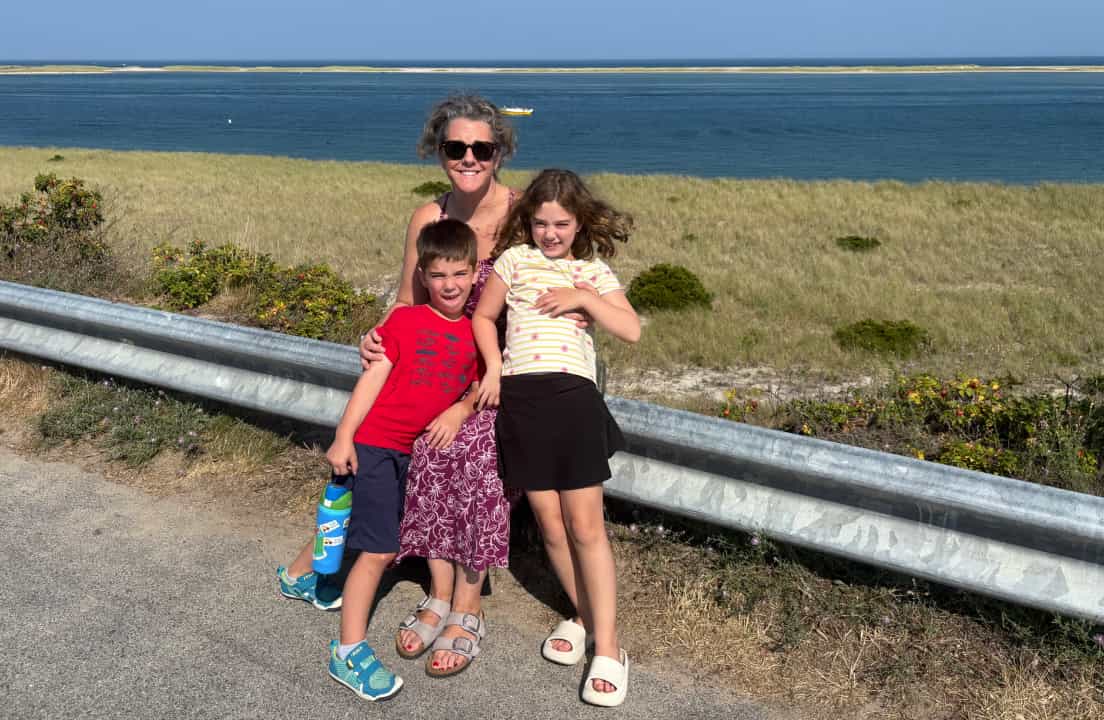
Her work often includes helping parents recognize how fear shows up in decision-making, supporting teens as they build independence and breaking patterns of constant monitoring that lead to frustration.
She also helps people better understand how to interpret data without reacting to every change.
That shift allows for more thoughtful decisions and reduces the sense of urgency that often drives stress.
Sabino is clear that her role is not to replace medical care, but to support the emotional and behavioral side of living with diabetes. The goal is to help people feel more steady, more confident and less reactive in their day-to-day routines.
Setting Boundaries Around Management
Clear expectations play an important role in reducing stress. Parents and kids often have different concerns and different thresholds for worry.
This may include:
• when to check in
• when to step in
• how to respond to certain situations
“Shared understanding is critical,” Sabino said.
Strengthening Communication Over Time
Strong communication helps prevent conflict. Defining roles around daily management helps create clarity. Regular check-ins create space for honest conversations and build trust. When communication improves, people are better able to work together instead of responding separately.
A More Balanced Approach to Daily Management
As families begin to shift their approach, the overall dynamic changes. There is less urgency around each reading and more focus on patterns over time. Confidence grows. Communication improves. Relationships become stronger. It becomes something the family manages together, rather than something that creates constant tension.

Rethinking Glucose Data and Patterns
Sabino encourages families to change how they think about numbers. “Data is just information,” she said. Instead of reacting to individual readings, the goal is to look at patterns over time. “Clinicians look for patterns,” she said. “We should do the same.” Learning to sit with uncertainty is part of long-term success.
Where Families Can Begin
For families feeling stuck, the first step is reaching out for support. “Sharing what is happening internally is important,” Sabino said. From there, families can begin to understand their patterns and build new skills. “No child or teen should go through this alone,” she said. “The entire family needs to be part of it.”


.webp)



.webp)



























.jpg)






.jpg)





.jpg)







%20(1).jpg)







.jpg)

.jpg)
.jpg)
.jpg)
.jpg)
.jpg)
.jpg)
.jpg)


.jpg)
.jpg)

.jpg)

.jpg)
.jpg)
.jpg)

.jpg)
.jpg)

.jpg)
.jpg)
.jpg)


.webp)
.svg)