


T1D Guide
T1D Strong News
Personal Stories
Resources
T1D Misdiagnosis
T1D Early Detection
Research/Clinical Trials
Highlights, Controversy, and Celebration at the ADA’s 86th Scientific Sessions
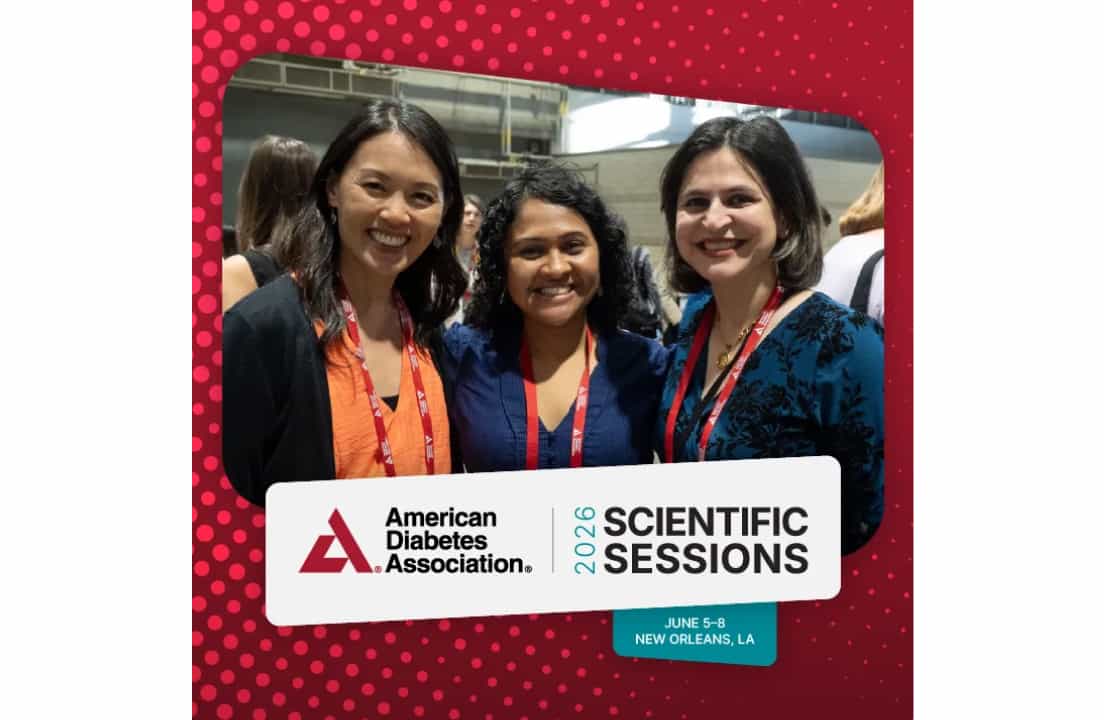
This year’s American Diabetes Association (ADA) 86th Scientific Sessions, held in New Orleans, Louisiana, did not disappoint, bringing together more than 12,000 researchers, industry leaders, scientists, and healthcare professionals from around the world to share the latest breakthroughs in diabetes care.

.webp)
Since the organization's inception in 1940, its annual conference, hailed as the largest and most prestigious worldwide, places a strong emphasis on type 1 diabetes (T1D) and plays a key role in shaping the future of its treatment.
The 2026 programming focused on key advancements in T1D disease modification, beta-cell replacement, and emerging diabetes technologies. Among the most talked-about developments was an update from Eledon Pharmaceuticals on its islet cell transplantation trial of its novel immunosuppression therapy, tegoprubart.
Since T1D Strong spoke with Eledon CEO Dr. David-Alexandre C. Gros, and Dr. Piotr Witkowski, a lead trial investigator from UChicago Medicine, in January, Eledon has announced that all 12 patient participants have achieved 100% insulin independence.
Censorship of Approved Content
There was also an unprecedented moment of controversy, as police removed several diabetes experts who were distributing materials criticizing the Trump administration's severe cutbacks and policies that "are actively dismantling the country's biomedical research enterprise."
The irony of why many in the medical community are outraged, lies in the critical editorial published in the ADA's own flagship journal, Diabetes Care. Several presenters, including ADA Diabetes Care Editor-in-Chief, Dr. Steven Kahn, were escorted out of the building.
The ADA defended its actions to outlets like The Scientist by drawing a line between academic publishing and on-site behavior. They noted that the journal editorial carried a disclaimer stating the text represented the personal views of the authors rather than the organization. The ADA claimed the physical distribution violated the event's code of conduct.
Here, T1D Strong highlights other key moments from the conference and shares reasons to celebrate the progress in type 1 diabetes research, resources, and prevention.
T1D Research Leading the Path to a Cure
Eledon Pharmaceuticals
Eledon Pharmaceuticals announced compelling data from its clinical islet cell transplant trial using their investigational therapy, tegoprubart, in patients with type 1 diabetes. The study uses human beta cells isolated from deceased (cadaveric) organ donors. At the time of their initial treatment, these individuals had been living with T1D for an average of 33 years, and now no longer require insulin to manage their disease following treatment. Unlike tacrolimus (the current standard anti-rejection medication), tegoprubart is proving to be less toxic to the transplanted islet cells and the patient's kidneys.

Results included:
- All 12 patients achieved HbA1c below 6.5% (mean ~5.4%).
- All patients had experienced recurrent severe hypoglycemia before the procedure, with zero severe hypoglycemic events reported after.
- Islet cell engraftment was higher with tegoprubart treatment than in historical patients treated with the current standard of care (SoC) drug, tacrolimus.
- No rejection episodes, and no signs of nephrotoxicity, hypertension, or other side effects commonly seen with tacrolimus-based regimens.
Beta-Cell Replacement
Beta cell replacement therapy seeks to cure type 1 diabetes rather than merely modify the disease. The conference featured panel discussions on translating manufactured stem cell islets into widespread, viable alternatives to insulin.
One panel discussion explored the application of stem cell-derived beta cells for T1D and how it’s gaining greater traction with multiple therapeutic options.
“A lot has happened in the last 12 to 18 months for us to be so confident,” said Sanjoy Dutta, PhD, Chief Scientific Officer, Breakthrough T1D. “Stem cell islets are proving to be promising for people with type 1 diabetes who have struggled with the disease for decades. Manufactured islets have now been dosed in people—not animals—and those people are coming off of insulin after 20, 30, 40, 50 years of the horrifying experiences of dealing with type 1 diabetes 24/7.”
Century Therapeutics (CNTY-813)
Century Therapeutics presented preclinical data for CNTY-813, their allogeneic, induced pluripotent stem cell (iPSC)-derived islet cell replacement therapy for T1D. The presentation, titled “CNTY-813: Scalable Production of Allo-Evasion 5.0-Engineered iPSC Beta Islets for Off-the-Shelf Cell Therapies,” reported key advances in the program.
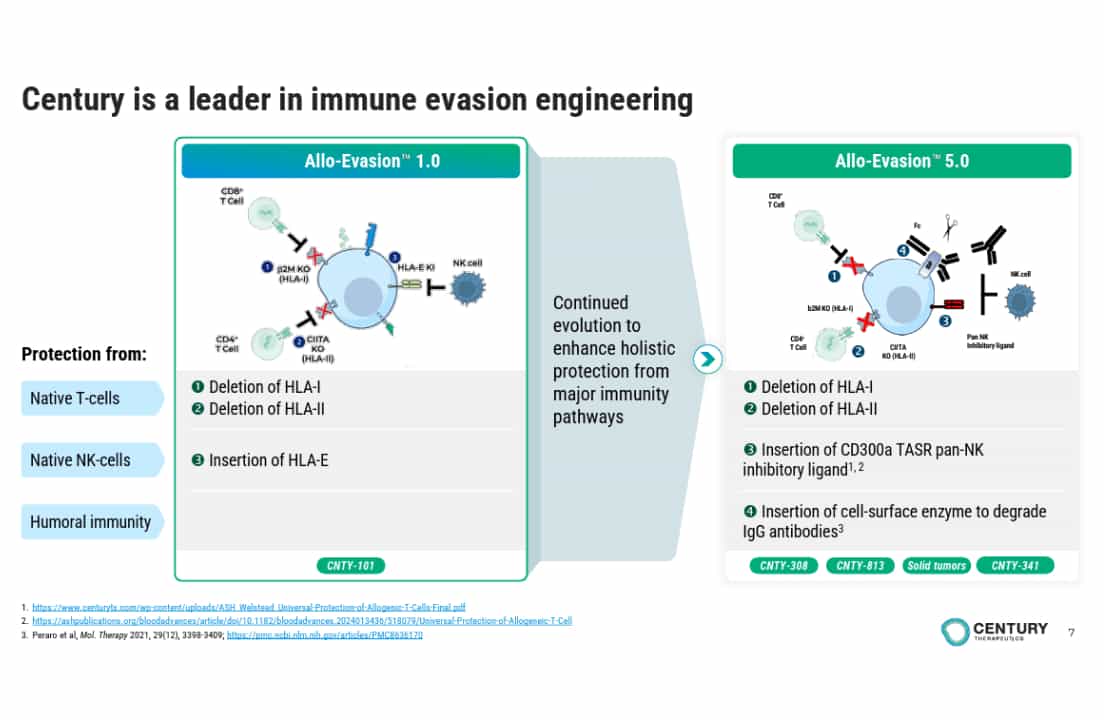
By creating an intrinsic genetic shield built directly into the DNA of the cells, the Allo-Evasion™ 5.0 therapy is engineered with features to protect transplanted islets from T-cells, NK-cells, and humoral rejection without requiring systemic immunosuppression.
In diabetic mouse models, the transplanted islets produced human C-peptide and provided durable, rapid glucose control. Initial human clinical data is expected in 2027.
T1D Resources
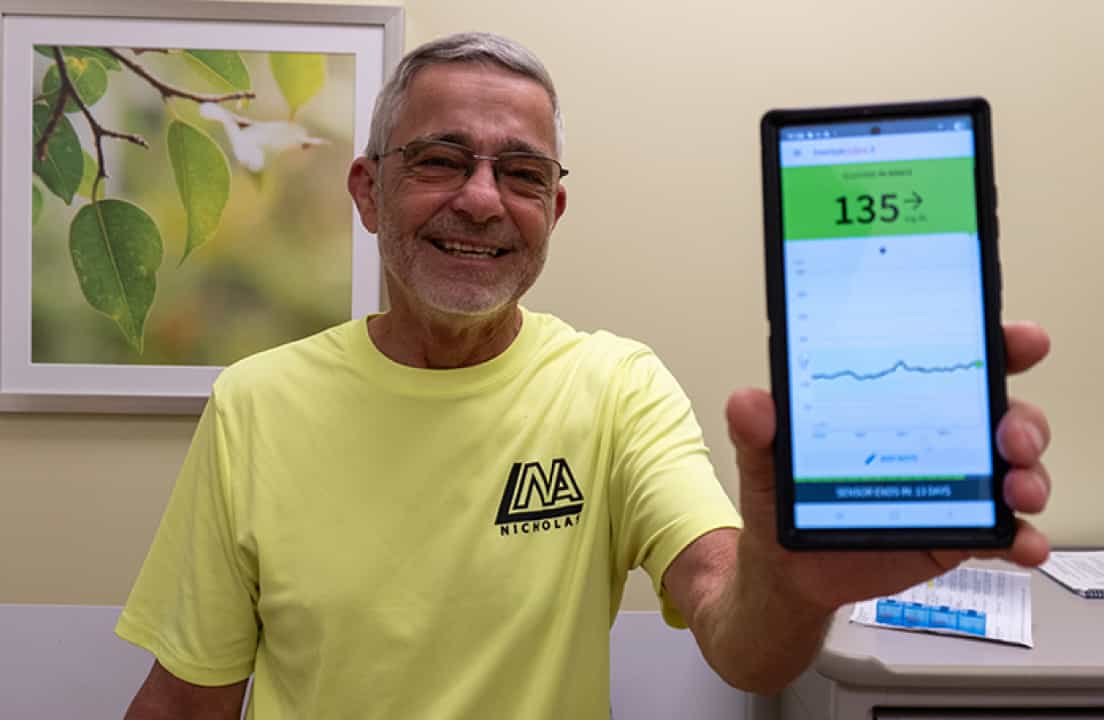
Diabetes technology keeps improving, with new, refined continuous glucose monitors (CGMs) that last longer (the Dexcom G7 lasts 15 days, and the implantable Eversense 365 lasts for a full year), and have greater precision and interoperability with insulin pumps. Also, hybrid closed—loop systems are upgrading dramatically, providing incredibly tight time-in-range with improved AI algorithms.
Continuous Ketone Monitors
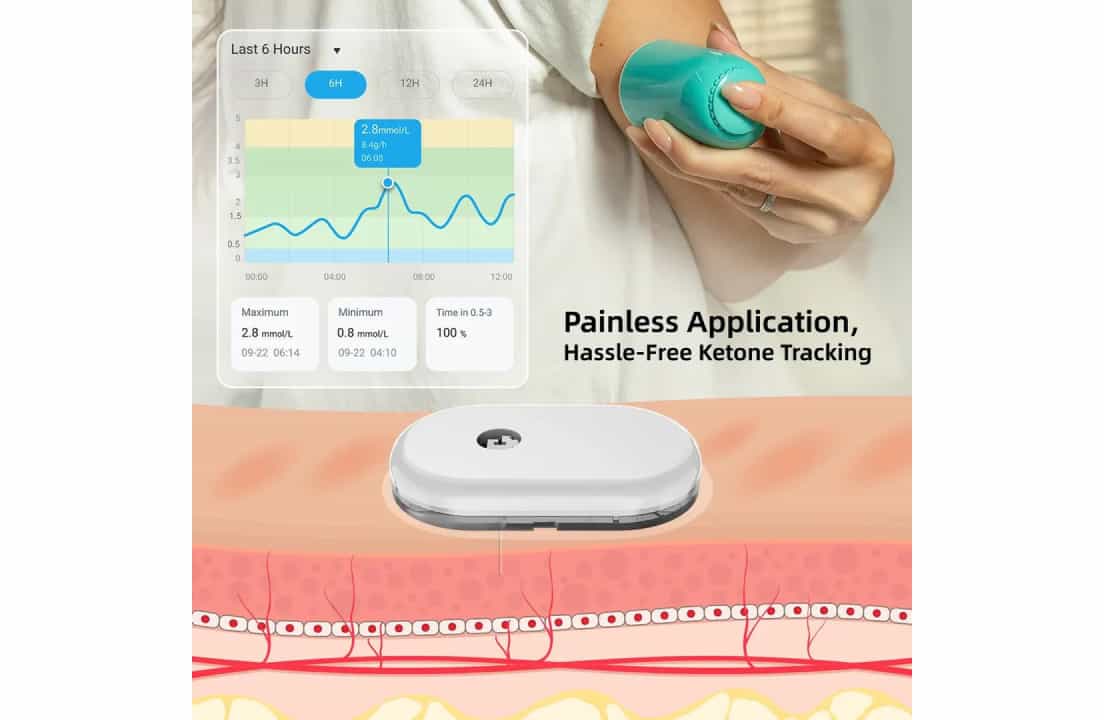
Continuous Ketone Monitors (CKMs) were a major highlight at the ADA 86th Scientific Sessions, showcasing technology that tracks potassium and blood ketone levels in real time. Since we know that prolonged high blood sugar increases the risk of long-term complications and diabetic ketoacidosis (DKA), which can be life-threatening, this type of technology is vital to diabetes management.
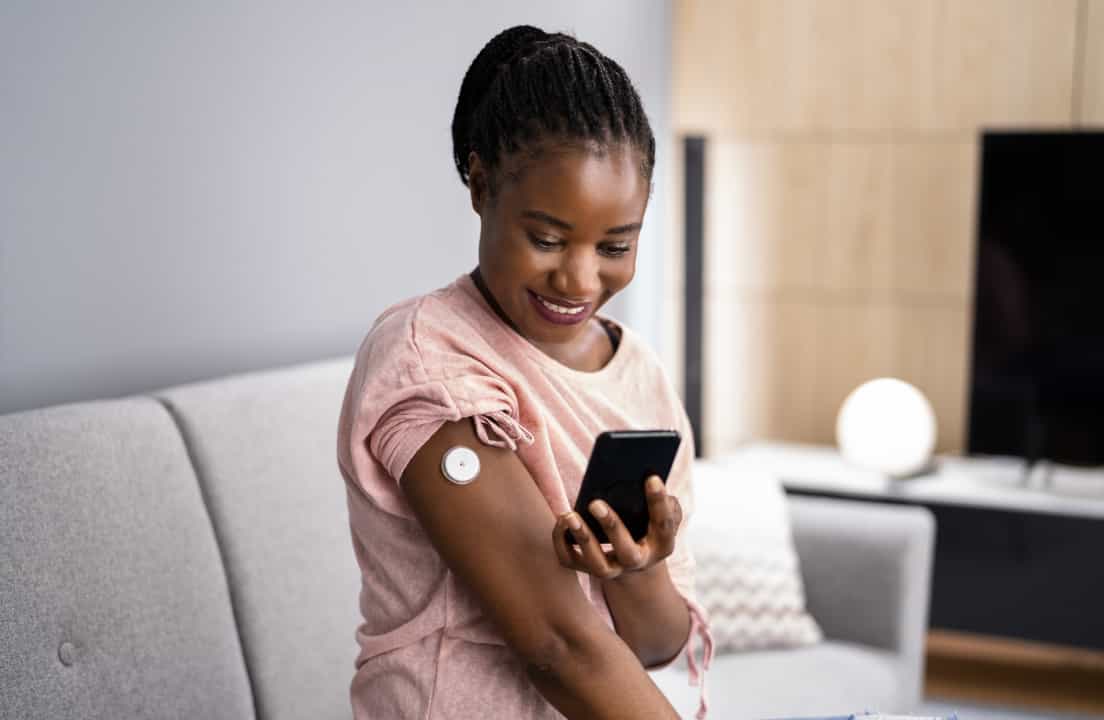
Abbott presented data on its newly introduced Libre Duo and Libre Duo 10 Day sensors. These devices are the world’s first dual-sensor platform, continuously measuring both glucose and ketone levels every minute. They received a CE Mark in May 2026 and are currently under FDA review with U.S. availability later this year.
Optimized Inhaled Insulin
Data from the Pharmacy Times ADA 2026 Coverage showed that individualized inhaled insulin significantly reduces post-meal glucose levels and improves time in range.
GLP-1 Breakthroughs
Studies on adjunctive therapies, such as dual GLP-1/GIP receptor agonists used with type 1 diabetes patients, show they’ve proven to reduce A1c levels, assist with weight loss, improve insulin sensitivity and reduce complications. Breakthrough T1D’s ongoing studies include the T1-DISCO trial, which aims to evaluate cardiovascular outcomes and the impact of GLP-1 analogs on young adults and adolescents with T1D.
The biggest news regarding GLP-1 therapy in type 1 diabetes was the presentation of Phase 2 trial results for acmopatide (CT-868), a first-in-class dual GLP-1/GIP receptor agonist developed specifically for T1D.
Notably, GLP-1 drugs have been prescribed off-label for T1D to help with weight loss and insulin resistance. While traditional GLP-1 medications (like semaglutide and tirzepatide) are not FDA-approved for T1D, endocrinologists discussed their off-label use for T1D patients who live with obesity, and insulin sensitivity. Since the lack of insurance coverage for GLP-1s creates a barrier for T1D patients, researchers are hopeful that studies like the Phase 2 trial of CT-868 will pave the way for more on-label approvals in the type 1 diabetes community.
.jpg)
T1D Prevention and Early Detection
T1D prevention and early intervention took center stage at the ADA 86th Scientific Sessions, with key breakthroughs in disease-modifying therapies (DMTs). Also, the expansion of general population screening for type 1 diabetes was prominently discussed.
TZIELD
There were several discussions on TZIELD, which is now available for individuals in stage 2 type 1 diabetes as young as one year old. TZIELD (Teplizumab), the first FDA-approved therapy to delay T1D, is now on the market, with the focus shifting to early detection. Presentations emphasized real-world screening successes, DKA prevention, and the importance of routine monitoring in pediatric populations.
Breakthrough T1D
A major study presented by Breakthrough T1D and Children’s National Hospital highlighted the feasibility of T1D screening in routine pediatric care.
T1D Scout
T1D Scout showcased key findings from their fully remote, saliva-based type 1 diabetes screening platform. The pilot study, targeting children under 19 with a family history of T1D, displayed a demand for screening, with 3,000 registered families, and a noticeably strong sample return rate (>85%) with >80% of families having never screened before.
Yuta Matsuda, founder of T1D Scout, discussed the psychological impact of a type 1 diagnosis and the parental anxiety level that often accompanies testing. T1D Scout services connect individuals with pediatric endocrinologists, certified genetic counselors, and T1D mental health professionals to help interpret results.
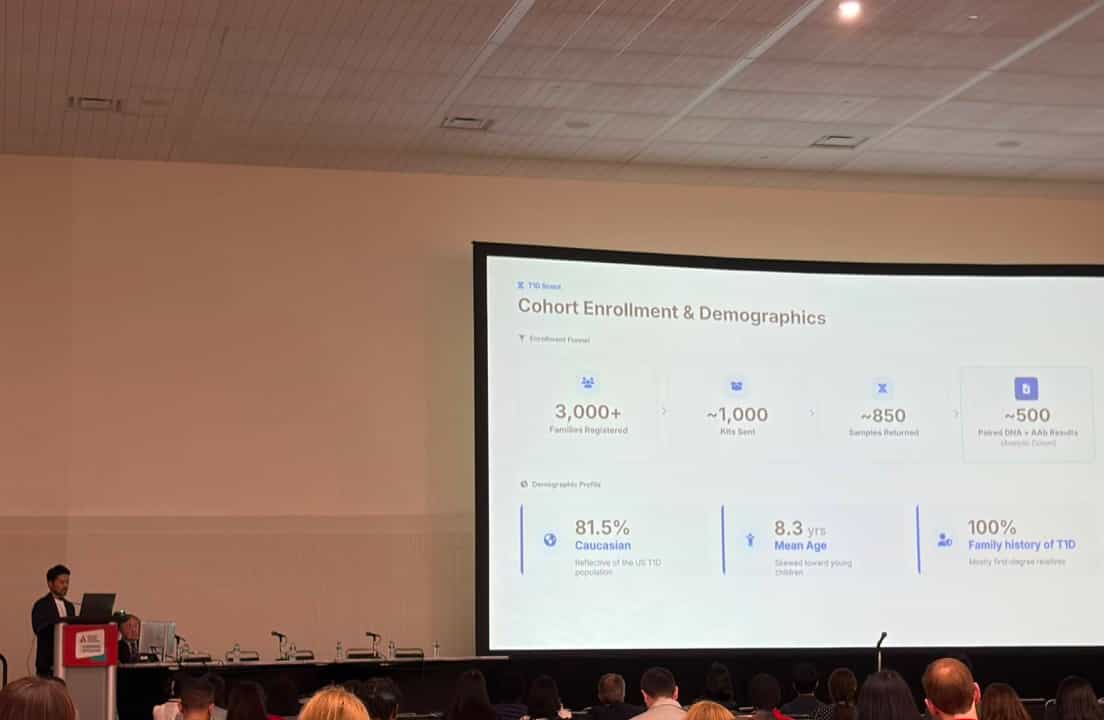
Data showed that children identified as “high-risk” by their Genetic Risk Score were ten times more likely to test positive for multiple autoantibodies, a key marker of ongoing autoimmune activity, than those in the lower-risk group. These findings highlight how at-home, saliva-based DNA screening, followed by autoantibody testing, can significantly reduce traditional clinical barriers.
T1D Modification
Additionally, the recent Scientific Sessions focused on disease-modifying therapies that can halt autoimmune attacks, preserve beta-cell function, and reduce insulin reliance in type 1 diabetes.
Key DMT updates presented include:
SAB Biotherapeutics (SAB-142)
SAB Bio presented new clinical data on SAB-142, a fully human multi-specific anti-thymocyte globulin (hATG) designed as a potentially disease-modifying therapy for type 1 diabetes.
Recent trial highlights from the Phase 1 data demonstrated that C-peptide levels were preserved, time in range improved, and insulin use reduced, with safe re-dosing.
Antigen-Specific T-Cell Engineering
Researchers from the University of Pittsburgh presented a novel approach to engineer T cells that selectively suppress only the self-reactive T cells that destroy beta cells, leaving the rest of the immune system intact.
Breakthroughs for T1D
If you’d like more information, on the numerous breakthroughs in type 1 diabetes featured at the ADA 2026 Scientific Sessions you can review the entire educational program using the ADA Scientific Sessions portal.


.webp)






.jpeg)





.jpg)




.jpg)



.jpg)



%20(1).jpg)




.jpg)

.jpg)
.jpg)
.jpg)
.jpg)
.jpg)
.jpg)
.jpg)
.jpg)
.jpg)

.jpg)

.jpg)
.jpg)

.jpg)
.jpg)

.jpg)
.jpg)


.jpg)

.jpg)

.jpg)
.jpg)



.jpg)


.jpg)

.jpg)


.jpg)
.jpg)
.jpg)


.jpg)

.jpg)
.jpg)


.webp)
.svg)