


T1D Guide
T1D Strong News
Personal Stories
Resources
T1D Misdiagnosis
T1D Early Detection
Research/Clinical Trials
Why Type 1 Diabetes Screening Still Overlooks Adults
T1D diagnosed in adulthood often presents differently than childhood-onset, creating major gaps in awareness, treatment and care. As screening programs expand and therapies like Tzield reshape the future of prevention, experts are increasingly examining whether this population has been overlooked in early detection conversations for too long.

.jpeg)
T1D diagnosed in adulthood often presents differently than childhood-onset, creating major gaps in awareness, treatment and care. As screening programs expand and therapies like Tzield (teplizumab-mzwv) reshape the future of prevention, experts are increasingly examining whether this population has been overlooked in early detection conversations for too long.
Why T1D Has Long Been Viewed as a Childhood Disease
The condition was historically referred to as “juvenile diabetes,” shaping public perception and influencing how clinicians approached diagnosis. Awareness campaigns, school-based education efforts and many early detection initiatives have overwhelmingly focused on pediatric populations.
But that long-standing belief no longer reflects current research.
More than half of new type 1 diabetes cases now occur in people diagnosed beyond childhood. Despite that, adult-onset autoimmune diabetes continues to receive far less attention in conversations surrounding early detection and monitoring.
Many individuals still face delayed diagnosis, are misclassified as having type 2 diabetes (T2D) and may not receive autoantibody testing until their condition significantly worsens.
At the same time, growing discussions around early identification and prevention continue to center heavily on children. That imbalance continues to overlook many people diagnosed later in life.
New Research is Reshaping Understanding of Adult-Onset T1D
A major 2025 TrialNet Pathway to Prevention study, published in Diabetes Care, is reshaping how T1D diagnosed in adulthood is understood.
The study analyzed more than 235,000 relatives of people living with type 1, including nearly 100,000 individuals diagnosed as adults.
Investigators compared autoantibody results, progression rates and early detection outcomes between younger and older populations.
The findings revealed important differences. People diagnosed during adulthood were more likely to test positive for a single diabetes-related autoantibody, while younger individuals were more likely to have multiple autoantibodies linked to faster disease progression.
T1D is now understood to develop in stages before traditional diagnosis, often beginning with the presence of diabetes-related autoantibodies years before symptoms appear.

The study also found that stage 1 generally progressed more slowly in adults than in younger age groups.
However, individuals already in stage 2 at the time of testing showed progression risks similar to pediatric populations. That finding challenged the assumption that type 1 diabetes diagnosed in adulthood is always mild or slow-moving.
The study determined that some individuals may require close monitoring and may benefit from disease-modifying therapies (DMTs) despite being diagnosed later than traditionally expected. Another important finding involved people who eventually developed T1D after initially testing positive for only one autoantibody, particularly GAD antibodies.
The findings suggest disease progression in adults may differ from progression seen in childhood-onset cases and may require more individualized monitoring and prevention strategies.
Adults Are Still Frequently Misdiagnosed
Misdiagnosis remains one of the biggest challenges in adult-onset T1D.
Unlike children, this population may not appear critically ill at onset. Some continue producing insulin for months or even years after symptoms begin. Others have higher body weight or features more commonly associated with type 2 diabetes.
Because of that overlap, many are initially diagnosed with type 2 instead.
Latent autoimmune diabetes in adults (LADA) is a slower-progressing form of T1D that is frequently mistaken for T2D. Sometimes referred to as type 1.5 diabetes, LADA develops gradually and may not require insulin immediately, complicating diagnosis and delaying appropriate treatment.
According to Screen for Type 1, nearly 40% of people eventually diagnosed with type 1 are initially misdiagnosed with type 2 diabetes.
Outdated assumptions and diabetes stigma continue contributing to missed identification and improper treatment.

Some individuals report asking about antibody testing only to be told they are “too old” to develop type 1 diabetes. Others spend months or even years on oral medications before the true nature of the disease is finally recognized.
The long-standing belief that type 1 diabetes occurs only in childhood continues to shape public perception and, in some cases, clinical decision-making.
Delayed recognition can postpone insulin treatment, increase the risk of diabetic ketoacidosis (DKA) and worsen long-term outcomes.
Incorrect treatment caused by misdiagnosis can also lead to emergency hospitalization and severe illness, particularly when the disease progresses unnoticed.
Why Screening Has Focused Primarily on Children
Most conversations and initiatives surrounding early detection have focused on children.
Programs such as TrialNet and Autoimmune Screening for Kids (ASK) have helped identify young people in the earliest stages of type 1 diabetes before severe illness develops.
Identifying the disease early can dramatically reduce life-threatening complications at diagnosis while giving families time to prepare emotionally and medically.
The emergence of Tzield, an FDA-approved therapy shown to delay progression from stage 2 to stage 3 type 1 diabetes, has further accelerated interest in identifying the disease before symptoms become severe.
Much of that momentum, however, has remained heavily focused on children. Diagnosis later in life presents unique challenges.
The overall prevalence of multiple autoantibody positivity is lower in adulthood than in children, making widespread testing potentially less efficient. Progression also tends to occur more slowly overall, complicating decisions surrounding monitoring frequency and intervention timing.
Still, many experts believe those diagnosed later in life should not be excluded from the conversation. The TrialNet study found that although progression was often slower, this group still represented a significant portion of future cases.
The study also found that individuals already in stage 2 at the time of testing faced progression risks comparable to pediatric populations. Those findings may carry important implications as early detection programs continue to expand.

The Emotional and Financial Cost of “Not Knowing”
As conversations around early detection grow, more attention is being placed on the emotional, social and financial impact of learning about the disease unexpectedly.
A national survey, “The Cost of Not Knowing,” conducted by Beyond Type 1 and commissioned by Sanofi, explored how people living with type 1 and their caregivers felt about discovering their risk only after symptoms appeared.
The findings revealed substantial regret among many individuals who had not undergone prior autoantibody testing. According to the survey, 68% of respondents living with T1D said they regretted not learning about their risk sooner.
The survey also found:
- 64% said their emotional health declined after being diagnosed
- 71% said they gave up interests or future plans
- Half reported spending at least $5,000 on emergency care before or during diagnosis
- Nearly one in four spent at least $10,000
Many participants said earlier awareness could have helped them feel more prepared and less overwhelmed.
The findings also highlighted that the burden of delayed recognition extends far beyond blood sugar management alone. The survey found awareness remains extremely low.
Only 14% of respondents reported receiving autoantibody testing before diagnosis, while 72% said they were unaware such testing even existed. That awareness gap remains one of the biggest barriers to earlier detection.
At-Home Testing is Expanding Access
As awareness of early detection continues to grow, more testing options are becoming available outside traditional research programs.
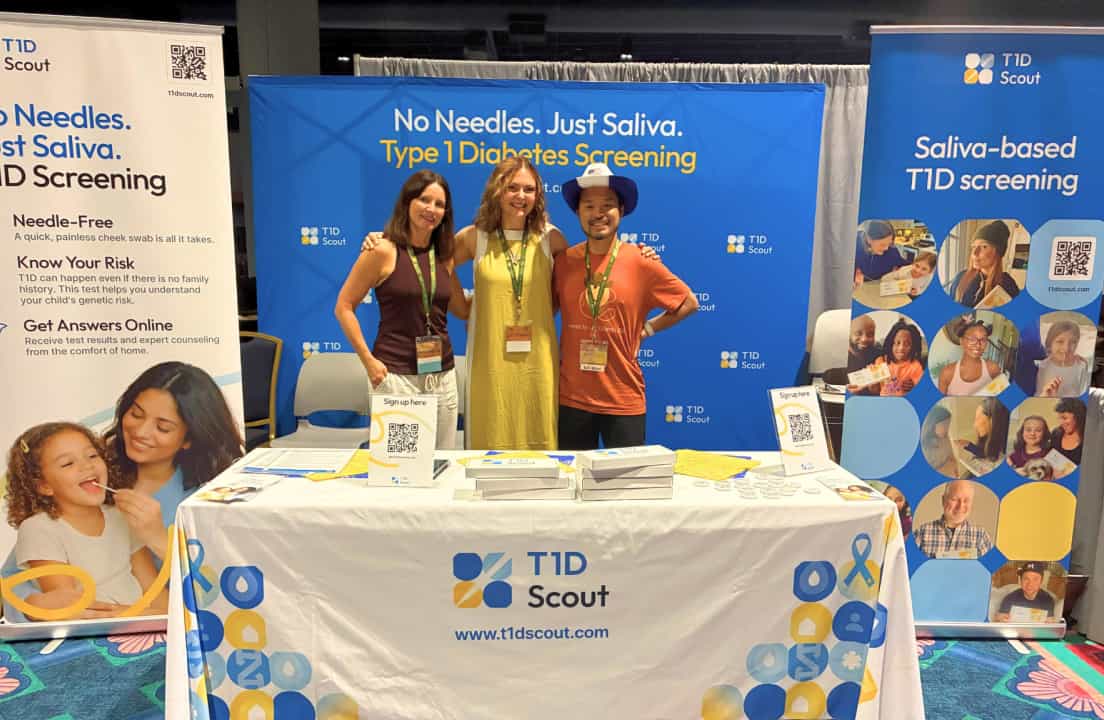
One example is T1D Scout, an at-home program that uses saliva-based genetic testing to help identify people who may have an increased risk of developing type 1 diabetes.
The test evaluates genetic markers associated with the disease and is designed to help individuals better understand whether additional monitoring or autoantibody testing may be appropriate.
Programs like T1D Scout reflect a broader shift toward making early detection more accessible and easier to discuss outside of specialized endocrinology settings. Increasing public awareness will likely play an important role as conversations about pre-symptomatic T1D continue to evolve.

In addition to at-home options, autoantibody testing can now be performed through in-office blood tests, research programs and certain commercial laboratories.
Researchers are Exploring More Individualized Detection Approaches
Because T1D diagnosed in adulthood often presents differently, experts are now exploring whether more tailored testing approaches may be beneficial.
A 2026 review published in Diabetes Research and Clinical Practice explored ways to better identify people at higher risk before extensive autoantibody testing is performed.
Potential risk factors could include:
- Personal or family history of autoimmune disease
- Lean body type or unexplained weight loss
- Unexpected DKA
- Rapid failure of oral diabetes medications
- Elevated HbA1c levels inconsistent with typical T2D
- Early insulin dependence
- Presence of other autoimmune conditions, such as Hashimoto’s thyroiditis or celiac disease
.jpg)
The review suggested individuals meeting those criteria could then undergo autoantibody testing and metabolic monitoring.
It also discussed the role of islet autoantibodies, including GAD, IA-2, insulin and ZnT8, which may help identify risk before severe insulin deficiency develops.
However, major questions remain unanswered. At present, widespread testing in older populations raises concerns surrounding false positives, healthcare costs, emotional burden and the lack of standardized guidelines.
The review emphasized that more studies are still needed before routine testing later in life can become part of standard clinical care.
Early Detection Could Still Offer Important Benefits
Early detection offers important advantages for people diagnosed later in life.
Identifying the disease sooner can reduce emergency hospitalization, severe illness and dangerous medical crises at onset.
According to Screen for Type 1, monitoring individuals identified through early testing can reduce the risk of serious medical emergencies at diagnosis by as much as 93.5%.
Earlier identification also allows:
- Faster endocrinology referral
- Earlier insulin therapy
- Access to diabetes education
- Use of continuous glucose monitors (CGM)
- Participation in clinical trials
- Monitoring during pre-symptomatic stages
Preserving even small amounts of remaining insulin production can improve blood sugar management and reduce long-term health risks.
The growing development of immune-modifying therapies has added further urgency to early detection efforts. Additional therapies aimed at slowing beta-cell destruction and preserving insulin production are also being explored. The field is continuing to shift away from simply reacting to disease after diagnosis and toward identifying risk earlier and intervening sooner.
.jpg)
Awareness May Be the Biggest Missing Piece
One of the biggest challenges moving forward may simply be awareness.
Many people still do not realize the disease can develop later in life.
Some clinicians may also underestimate the possibility of adult-onset T1D, particularly in those who do not match traditional expectations.
That gap in awareness can affect everything from conversations around early detection to diagnostic testing and treatment decisions.
Growing research surrounding later-onset cases is beginning to shift that conversation, and people diagnosed later in life can no longer be viewed as rare exceptions.
Current evidence increasingly shows that T1D exists across the lifespan and that those diagnosed in adulthood deserve greater inclusion in research, early detection discussions and prevention efforts. As testing programs continue to evolve and disease-modifying therapies expand, recognizing the disease earlier in adulthood may become a major priority in diabetes care.


.webp)

.webp)





















.jpg)







.jpg)




.jpg)





%20(1).jpg)




.jpg)

.jpg)
.jpg)
.jpg)
.jpg)
.jpg)
.jpg)



.jpg)
.jpg)

.jpg)
.jpg)

.jpg)
.jpg)
.jpg)
.jpg)

.jpg)
.jpg)

.jpg)
.jpg)
.jpg)
.jpg)
.jpg)



.jpg)


.jpg)

.jpg)





.webp)
.svg)