


T1D Guide
T1D Strong News
Personal Stories
Resources
T1D Misdiagnosis
T1D Early Detection
Research/Clinical Trials
Type 1 Diabetes in 2025: Advances in Early Detection, Screening, and What’s Next
From expanded type 1 diabetes (T1D) screening programs to therapies designed to work earlier in the disease process, 2025 marked a clear inflection point in how T1D is identified and discussed. Growing attention to early detection has moved the conversation beyond diagnosis alone toward earlier risk identification, reduced medical emergencies, and improved long-term outcomes.
.jpg)
.jpeg)
Researchers and clinicians increasingly recognize that T1D develops silently over time and that earlier identification can meaningfully change what happens next.
Why Early Detection Is Changing Type 1 Diabetes Care
Type 1 diabetes does not begin at diagnosis. It develops gradually, often over months or years, as the immune system starts attacking beta cells, the pancreatic cells responsible for producing insulin. During this early stage, blood sugar levels may remain within range, and symptoms may be subtle or entirely absent.
For decades, this phase went largely undetected. Most people were diagnosed only after blood glucose rose sharply and insulin was immediately required, often during a medical emergency such as diabetic ketoacidosis (DKA), a life-threatening complication caused by dangerously high blood glucose and ketone buildup.
Diagnosis was frequently sudden, frightening and disruptive, with little opportunity to prepare.
Historically, care focused on survival and long-term management rather than identifying risk or improving how diagnoses occurred. Screening was limited, and T1D was often viewed as a condition that appeared abruptly rather than one that progressed over time.
By 2025, that understanding had begun to shift.
Type 1 diabetes is increasingly viewed as a disease that can be identified earlier, monitored over time and, in some cases, delayed.
Screening and early detection now influence how risk is assessed, how studies are designed, and how potential interventions are evaluated.
This shift does not replace insulin as the foundation of treatment. Instead, it expands the timeline of care and creates opportunities to reduce complications, improve diagnosis experiences and intervene earlier in the disease process.
Why Type 1 Diabetes Screening Has Become Essential
Screening for T1D typically involves blood tests that detect diabetes-related autoantibodies. These antibodies signal that the immune system has begun targeting beta cells, even if glucose levels remain normal.
The presence of multiple autoantibodies indicates a high likelihood of developing T1D.

Knowing this risk changes what is possible for individuals and families, enabling earlier monitoring, education and access to specialty care.
Identification before diagnosis also reduces the risk of dangerous complications and creates access to clinical trials and disease-modifying therapies that must be used before full disease onset.
Programs such as TrialNet offer screening to relatives of people with type 1 diabetes, helping identify risk earlier in both children and adults. Screening for T1D creates opportunities that did not exist a decade ago:
• Earlier identification of autoimmune risk before symptoms appear
• Reduced risk of DKA at diagnosis
• Access to clinical trials and disease-modifying therapies
• Time for education, preparation and informed decision-making

Early Detection Supports Safer Diagnosis
One of the most immediate benefits of type 1 diabetes screening is a safer diagnosis experience. When T1D is identified earlier in the disease process, individuals are more likely to enter care before severe symptoms develop. This reduces emergency hospitalizations and lowers the risk of DKA.
Research shows that a substantial proportion of children with new-onset T1D present with DKA at or near the time of diagnosis. Multiple studies, including data from the SEARCH for Diabetes in Youth study, estimate that approximately 30 to 40 percent of children are diagnosed after developing DKA, underscoring how often severe metabolic complications occur before T1D is recognized.
Identifying risk sooner changes this trajectory. When risk is recognized before symptoms escalate, families and individuals have time to learn about T1D, recognize warning signs, and establish care with specialists. This preparation can reduce fear, confusion and trauma at diagnosis while supporting better early clinical outcomes.
Preserving even small amounts of insulin production at the time of diagnosis may also support smoother glucose management. Residual insulin can help stabilize blood sugar levels in the initial stages of the disease and may reduce short-term complications.
Early diagnosis does not eliminate the need for insulin therapy. However, how and when a diagnosis occurs can significantly shape both the medical and emotional experience of living with type 1 diabetes.
Screening shifts diagnosis from a medical emergency to a more informed and supported transition into care.
Teplizumab Shows What Early Intervention Can Do
The approval of teplizumab, marketed as Tzield, marked a major milestone in the care of type 1 diabetes. It became the first therapy approved in the United States to delay the onset of T1D in people identified as high-risk.
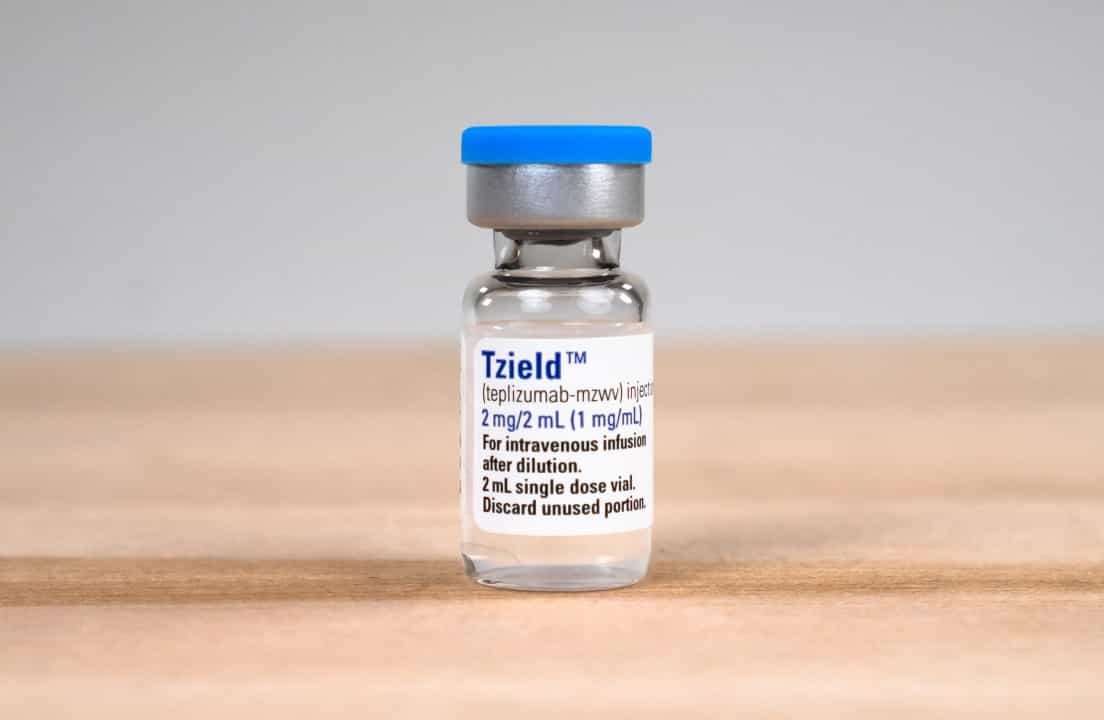
Teplizumab works by targeting immune cells involved in the autoimmune attack on insulin-producing beta cells. In clinical trials, some participants delayed the need for insulin by nearly three years, underscoring the impact of intervening earlier in the disease process.
In 2025, teplizumab drew renewed attention when the U.S. Food and Drug Administration fast-tracked the therapy for people with stage 3 type 1 diabetes. The designation signaled growing interest in how immune-based treatments might be studied and applied beyond the pre-diagnosis stage, particularly as disease staging and early detection improve.
While teplizumab is not a cure, its expanded attention in 2025 reinforced a broader shift in type 1 diabetes care.
Rather than focusing solely on glucose management after diagnosis, treatment strategies are increasingly discussed in the context of disease stage, immune activity and timing.
According to the National Institute of Diabetes and Digestive and Kidney Diseases (NIDDK), immune-based approaches remain one of the most active areas of type 1 diabetes research.
Expanding Access to Type 1 Diabetes Screening
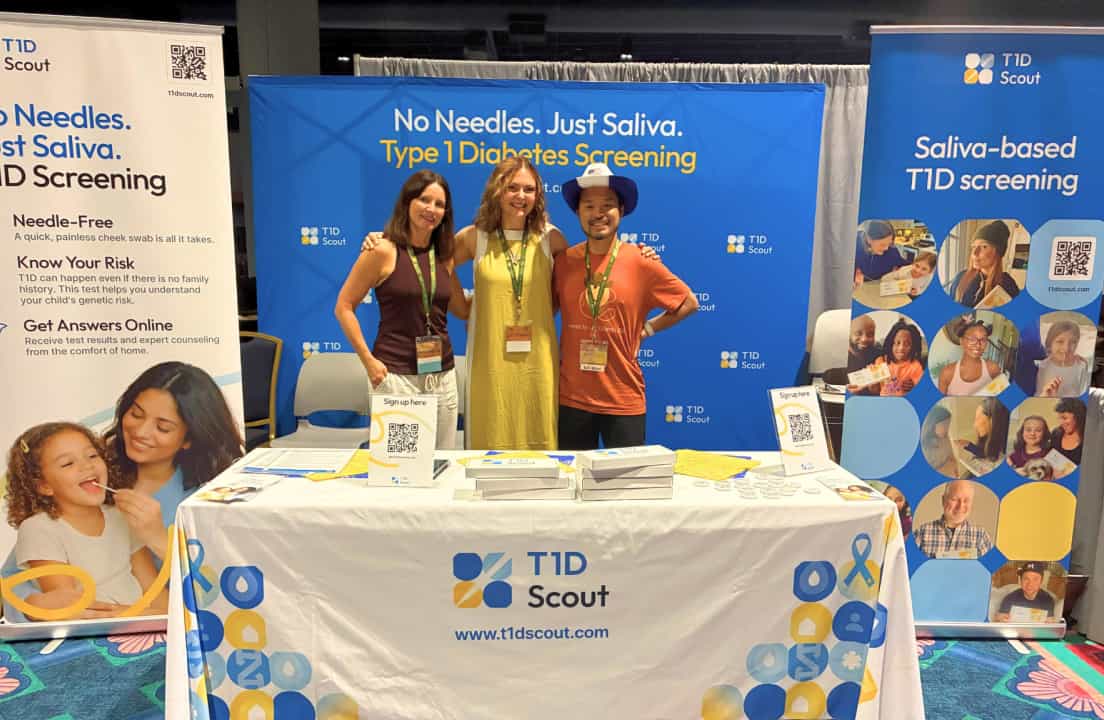
New approaches are also emerging to make T1D screening more accessible outside traditional clinic settings. T1D Scout has developed a fully online type 1 diabetes screening program designed to reduce barriers to early detection.
The program includes saliva-based DNA testing to assess genetic risk, along with follow-up autoantibody testing that can be completed remotely, reducing barriers related to needles, travel and access to specialty care.
In addition to testing, the platform offers access to online counseling with genetic counselors, physicians and mental health professionals experienced in type 1 diabetes. This model helps individuals and families understand results, navigate next steps and make informed decisions.
These efforts have the potential to reach people who live far from specialty care, lack access to academic medical centers or face logistical barriers such as transportation, time off work or insurance limitations.
Expanding screening beyond traditional settings may play a critical role in addressing long-standing access gaps.
Screening Momentum Extends Beyond Individual Care
Momentum around early detection has also begun to extend beyond individual clinical encounters into broader health system discussions.
In 2025, advocacy and regulatory discussions increasingly reflected recognition that earlier risk identification can reduce medical emergencies, improve outcomes, and potentially lower long-term health care costs. These conversations signal a shift in how screening is viewed, not as an optional add-on, but as a public health consideration.
.jpg)
Together, these developments suggest that early detection is no longer a niche concept but an increasingly visible priority across multiple parts of the type 1 diabetes ecosystem.
Adults Remain Under-Screened
Despite progress, screening remains underused among adults.
Gaps in awareness around adult-onset T1D and available testing options continue to delay recognition and appropriate care. Many adults do not fit outdated assumptions about who develops type 1 diabetes, which can slow testing and referral.
Earlier identification could help reduce complications and improve the diagnostic experience for adults whose symptoms might otherwise be dismissed or misinterpreted.
Type 1 diabetes is not limited to childhood, and adults experiencing symptoms or those with a family history of autoimmune disease may also benefit from early detection.
What Comes Next for Type 1 Diabetes Screening
As screening becomes more widely discussed and adopted, researchers, clinicians and advocacy organizations are increasingly focused on how early detection could evolve in the years ahead. Rather than relying on a single test or pathway, future screening models are likely to involve layered approaches that balance accessibility, accuracy and follow-up care.
Key areas of focus include:
Population-wide screening models
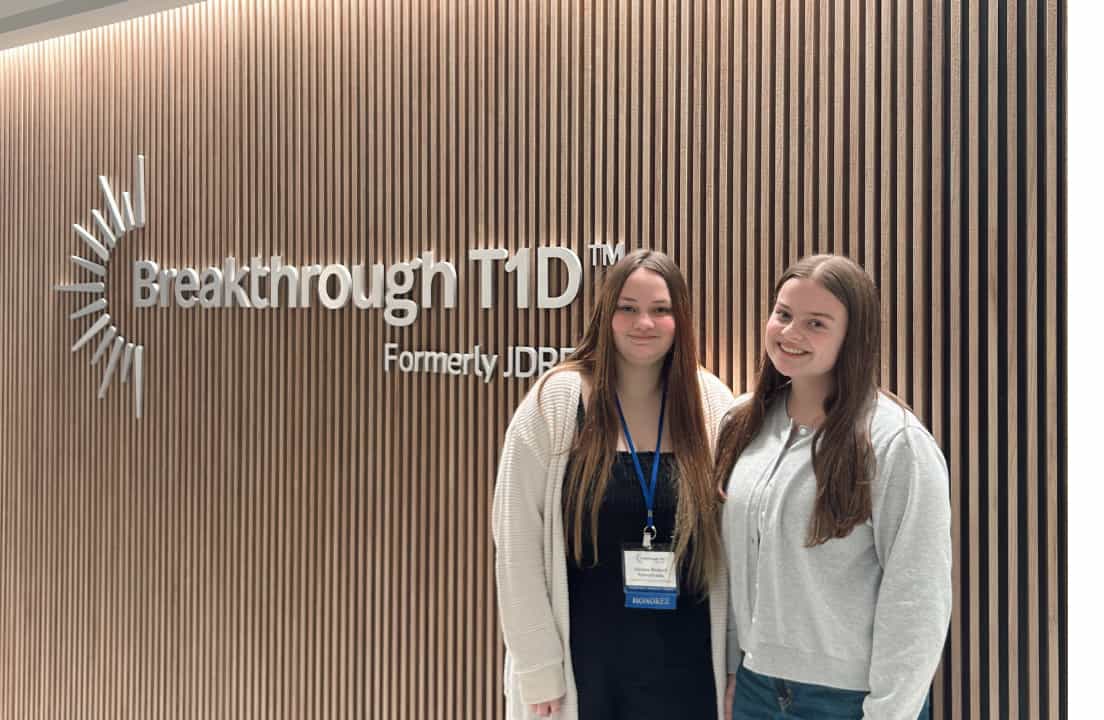
Researchers and advocacy groups, including Breakthrough T1D (formerly JDRF), have emphasized the limitations of testing only those with a family history of T1D. Because most new diagnoses occur in people without known risk factors, there is growing interest in making early identification a routine part of pediatric and adult care.
Layered and accessible testing approaches
One approach involves low-cost genetic screening as an initial step, followed by autoantibody testing for individuals with elevated genetic risk. Simplified identification options, including mailed sample-collection methods, are being explored to reduce barriers and expand participation.

Improved risk assessment over time
Researchers are working to refine the interpretation of results from early detection efforts over time. Combining genetic information, autoantibody profiles, and metabolic markers may help clinicians more accurately estimate risk and disease progression, supporting more personalized monitoring.
Movement toward clinical consensus
As evidence grows, experts anticipate clearer guidance on population-level screening. Consensus recommendations could help integrate type 1 diabetes screening into routine care and provide clinicians with clearer follow-up pathways.
Together, these efforts aim to transform T1D from a sudden, unpredictable diagnosis into a condition where risk is more visible, disease progression is better understood, and outcomes are more manageable, while reducing the incidence of DKA at diagnosis.
Participation in Screening and Research Matters
Advances in early detection and intervention depend on participation.
Research studies and clinical trials rely on individuals and families willing to engage before symptoms appear. Participation helps ensure that identification tools, counseling models and future interventions reflect real-world needs and diverse experiences.
.jpg)
Organizations such as Breakthrough T1D provide resources to help individuals learn about early-detection opportunities and research participation.
What This Means for People Living With Type 1 Diabetes
The message from 2025 is not that a cure is imminent. Experts continue to emphasize realistic expectations. But the direction of care is changing.
T1D is increasingly being identified, studied, and addressed earlier. Screening is the entry point that makes this progress possible.
For families with a history of T1D, early identification offers information that may save lives. For adults experiencing symptoms, greater awareness can reduce delays in care. For those already living with the disease, earlier-stage identification points to a future where outcomes continue to improve.
Type 1 diabetes remains a lifelong condition. But the timeline of care is shifting. As screening expands and early detection becomes more common, the future of T1D management may begin long before diagnosis.


.webp)

.webp)




















.jpg)







.jpg)





.jpg)




%20(1).jpg)




.jpg)

.jpg)
.jpg)
.jpg)
.jpg)
.jpg)
.jpg)
.jpg)


.jpg)

.jpg)
.jpg)
.jpg)

.jpg)
.jpg)

.jpg)
.jpg)
.jpg)

.jpg)
.jpg)

.jpg)
.jpg)
.jpg)

.jpg)
.jpg)



.jpg)


.webp)
.svg)