


T1D Guide
T1D Strong News
Personal Stories
Resources
T1D Misdiagnosis
T1D Early Detection
Research/Clinical Trials
Think Like a Pancreas: Gary Scheiner on Type 1 Diabetes Education and Living Well
Living well with type one diabetes (T1D) is not about perfect numbers. For decades, Gary Scheiner has helped shape how people understand insulin, manage glucose and set realistic expectations. Drawing on lived experience, clinical training, and a deep commitment to people living with diabetes, Scheiner has built a career rooted in practical guidance, compassionate care, and the belief that no one should have to figure out this condition alone.
.jpg)
.jpeg)
A Career Shaped by Life with Type 1 Diabetes
Scheiner did not set out to build a career in diabetes care. Diagnosed with T1D at age 18, he originally planned to work in marketing and advertising. That direction shifted as he began navigating daily life with insulin, blood sugar monitoring and the constant decision-making that defines living with diabetes.
Personally managing the condition pushed him toward healthcare and eventually diabetes education. Scheiner earned a bachelor’s degree in psychology from Washington University in St. Louis and later a master’s degree in exercise physiology from Benedictine University. He received his diabetes training at the Joslin Diabetes Center, where he trained alongside specialists in nutrition, nursing, physiology and mental health.
At the same time, he was managing diabetes himself. As new technologies emerged, Scheiner often became an early user, gaining firsthand experience with new meters, insulins and insulin pumps.
“I was the one-man guinea pig,” Scheiner said. “Any technology that came out, they experimented on me.”
That experience gave Scheiner a dual perspective, blending clinical knowledge with the lived reality of managing insulin day after day. It also sharpened his awareness of a persistent gap in diabetes care.
Patients were often seen for brief appointments spaced months apart, with limited time to address the complexities of daily management. Many left without the tools or confidence needed to manage diabetes between visits.
“There was a huge gap between what people need and what they’re able to get,” Scheiner said.
Founding Integrated Diabetes Services
In 1995, Scheiner founded Integrated Diabetes Services while still working part-time at a Joslin-affiliated clinic. What began as exercise-focused counseling evolved into a multidisciplinary diabetes care practice designed to support people living with T1D and others using intensive insulin therapy.
The practice provides individualized diabetes care outside of traditional medical visits. Patients work directly with experienced clinicians to manage insulin, glucose and the daily realities of living with diabetes. Care is provided both in person and virtually, allowing support regardless of location.
“We’re meeting the needs that fall between doctor visits,” Scheiner said.
The team includes certified diabetes care and education specialists, registered dietitians, exercise physiologists, nurses, clinical social workers and a physician. All diabetes clinicians live with diabetes themselves, a deliberate decision that reflects Scheiner’s belief that lived experience strengthens understanding and trust.
People seek care for many reasons, including:
- Reducing frequent hypoglycemia
- Fine-tuning insulin doses
- Navigating exercise and nutrition
- Managing pregnancy with diabetes
- Addressing diabetes-related distress
- Adopting and optimizing technology
- Working towards a healthy weight
“There’s no one-size-fits-all approach,” Scheiner said. “We get to know people first.”
The practice does not replace endocrinology care. Instead, it complements existing medical care by offering time, practical guidance and ongoing support between appointments.
“Most people see their doctor for thirty minutes every three months,” Scheiner said. “That’s not enough for a condition that never takes a day off.”
The practice also produces a free monthly newsletter, blog, and podcast - all grounded in clinical evidence and real-world application, extending support beyond appointments.
An Award-Winning Educator with a Human Approach
Scheiner is a certified diabetes care and education specialist who has lived with type 1 diabetes since 1985 and dedicated his professional life to improving the lives of people using insulin.
In 2014, Scheiner was named Diabetes Educator of the Year by the American Association of Diabetes Educators, in recognition of his national impact on diabetes care. His work has also been recognized by the American Diabetes Association (ADA) and others for contributions to patient support, diabetes research, exercise research, and insulin pump research.
Despite professional recognition, Scheiner is known first for how he connects with people. Colleagues and patients alike describe him as approachable, warm and genuinely invested in the people he serves.
“When someone tells me they learned more in one session than in years of medical appointments, that means everything,” Scheiner said.
He often points to his team’s work with pregnant women as one of the most meaningful parts of his practice.
“Almost every woman we’ve worked with has gone on to have a healthy baby,” he said.
Think Like a Pancreas and Practical Diabetes Education
Think Like a Pancreas is one of the most widely used and recommended books on insulin management for people living with T1D. First published in 2004 and now in its fourth edition, the book is frequently recommended by endocrinologists and diabetes educators as a practical guide to insulin dosing, glucose pattern recognition, and day-to-day decision-making. Rather than promoting perfection, it emphasizes realistic expectations and real-life management skills.
“That book put my name on the map,” Scheiner said. “People I don’t know often refer to me as the 'think like a pancreas guy.’”
Scheiner has since authored multiple books covering carbohydrate counting, continuous glucose monitoring (CGM) and supporting loved ones with diabetes. Across his writing, the message remains consistent: understand insulin, recognize patterns and build confidence over time.
“We can’t walk around with our clinician in our pocket,” Scheiner said. “You have to know and apply this stuff yourself.”
He often compares diabetes management to baseball.
“If you’re a 300 hitter, you’re an all-star,” he said. “That still means you miss seven out of ten times. If your blood sugar runs high for a few hours, it’s like making a single out. It doesn’t matter in the grand scheme.”
Type 1 University and Reaching People Where They Are
As his clinical work expanded, Scheiner looked for ways to reach more people beyond one-on-one care. About 10 years ago, he launched Type 1 University, an on-demand education platform designed to help people strengthen specific diabetes management skills.
The program was originally offered as live webinars but later transitioned to recorded courses to make learning more accessible.
“Most people already know a lot,” Scheiner said. “They usually want help in specific areas. Type 1 University lets them access that.”
Participants can choose focused topics such as insulin dosing for exercise, weight management, technology or emotional health. There is even a course on the impact of sleep on diabetes. The courses are intentionally affordable and designed to supplement clinical care, not replace it.
Thousands of people have completed courses through Type 1 University, extending Scheiner’s reach far beyond his practice.
Speaking, Teaching and Sharing Experience
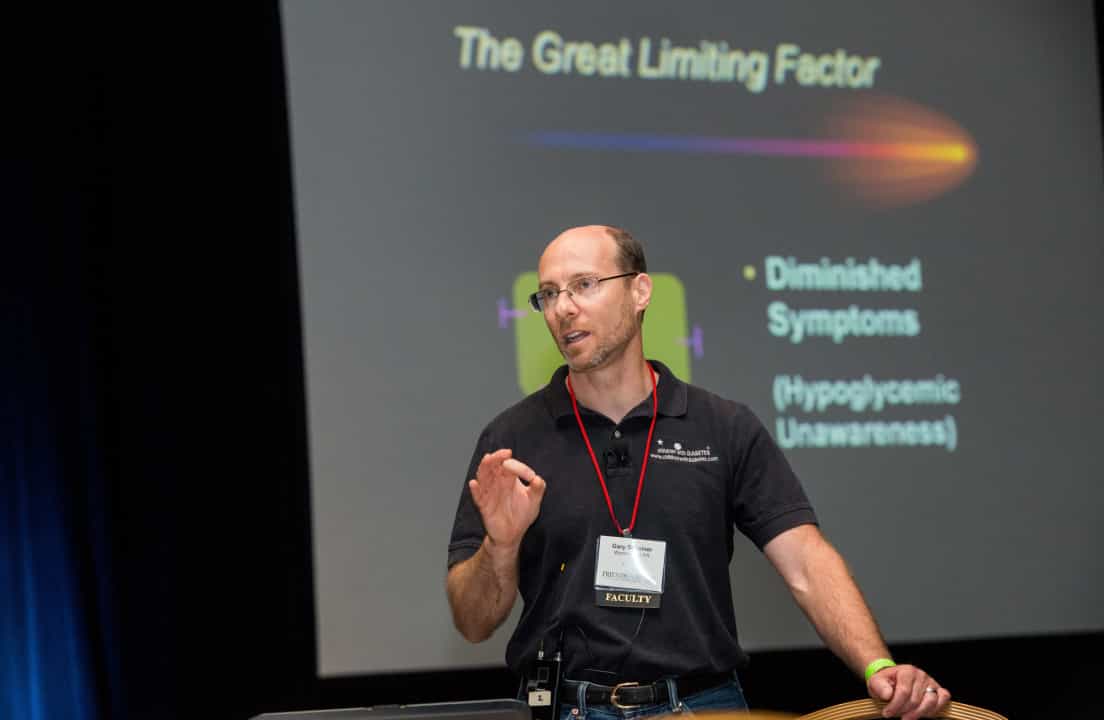
In addition to clinical care and writing, Scheiner is a sought-after speaker and presenter. He speaks at local, national and international conferences on a wide range of topics in diabetes care.
His presentations blend clinical expertise with lived experience, making complex topics accessible and relatable. Audiences often note his sense of humor and ability to explain insulin and technology without judgment, acknowledging the emotional weight of living with diabetes.
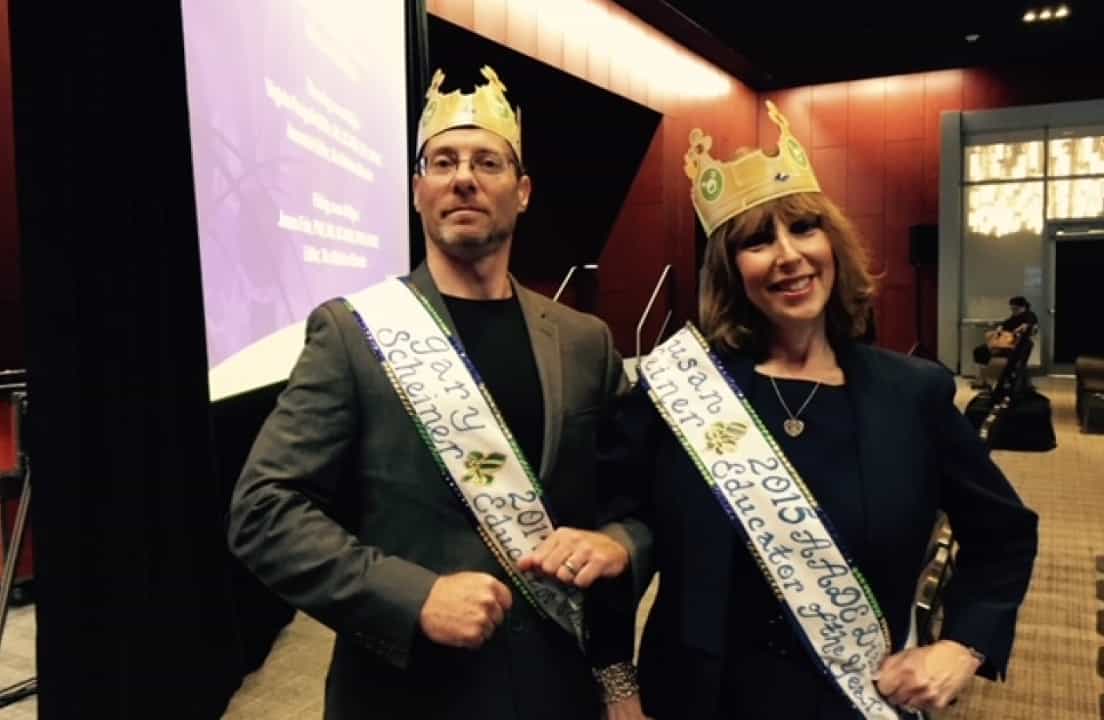
Scheiner volunteers with organizations including the ADA, Breakthrough T1D (Formerly JDRF), Diabetes Sisters, Moms’ Night Out, the American College of Diabetology and diabetes camps for children and teens. He has also served on clinical advisory boards for diabetes device manufacturers and pharmaceutical companies, bringing patient-centered insight to product development and education.
Exercise, Technology and Real Life
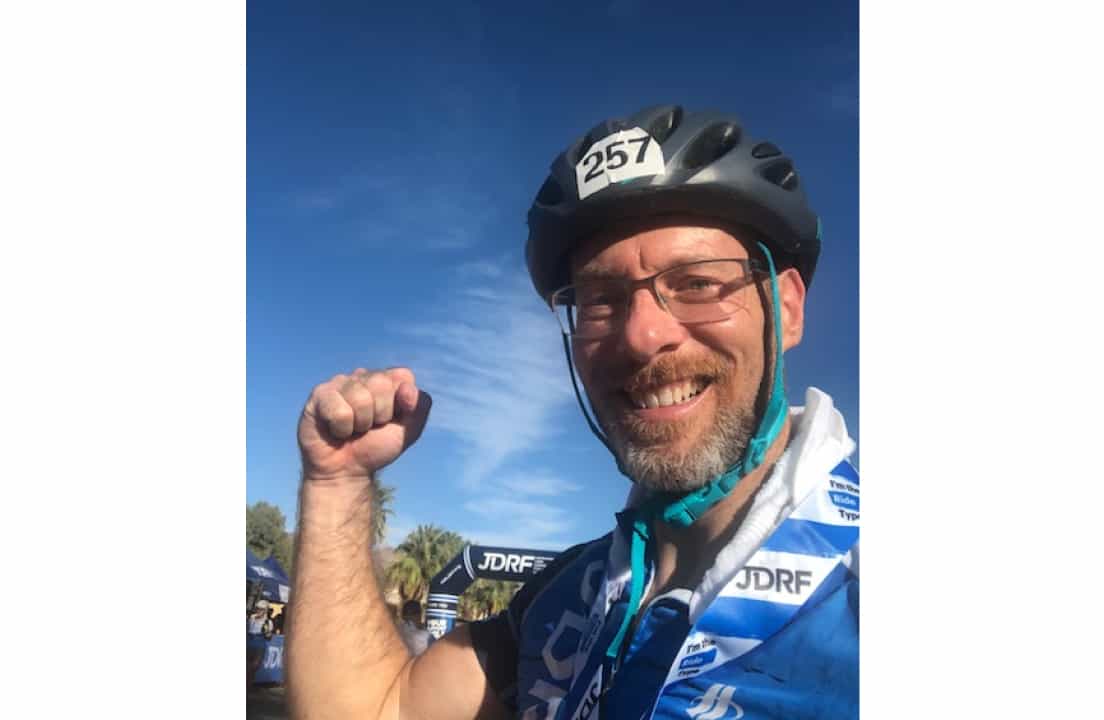
Scheiner’s background as an exercise physiologist continues to shape his personal management and professional philosophy. Exercise remains a cornerstone of his life and his approach to diabetes care.
“When I was diagnosed, I didn’t like the idea of something beyond my control hurting my health,” he said. “Exercise was something I could do for myself that nobody can take away.”
He works out regularly and plays basketball several times a week. His long-term goal reflects his mindset around aging with diabetes.
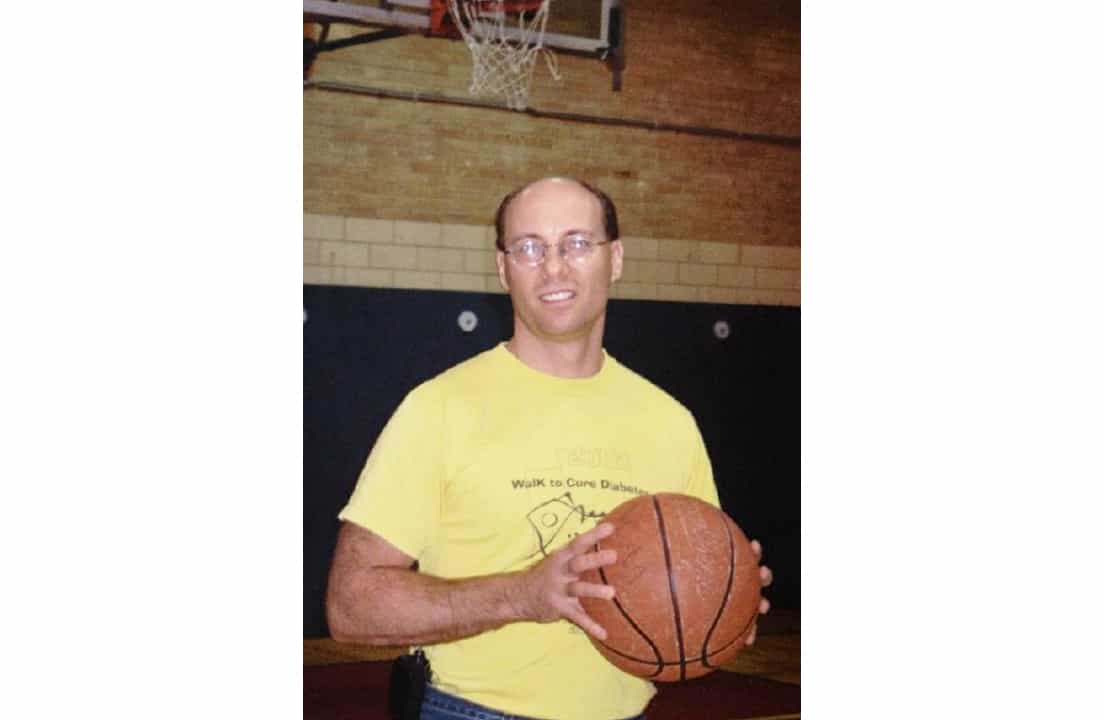
“I want to be able to walk onto a court and make a foul shot when I’m 100 years old,” he said.
Scheiner is certified to train on all insulin pumps, continuous glucose monitors and hybrid closed-loop systems. He has personally used every system currently on the market and believes hands-on experience is essential for effective guidance.
Peer Connection as a Meaningful Next Chapter
While education has defined much of Scheiner’s career, he has become increasingly engaged in the role that peer connection can play for adults living long-term with T1D. After decades in clinical and educational settings, he recognizes that while children, young adults and parents often have built-in support systems, adults with type 1 diabetes have had fewer opportunities to connect in person.
“There’s been a real gap when it comes to adults,” Scheiner said. “Not because people didn’t care, but because no one was really focused on creating space for them.”
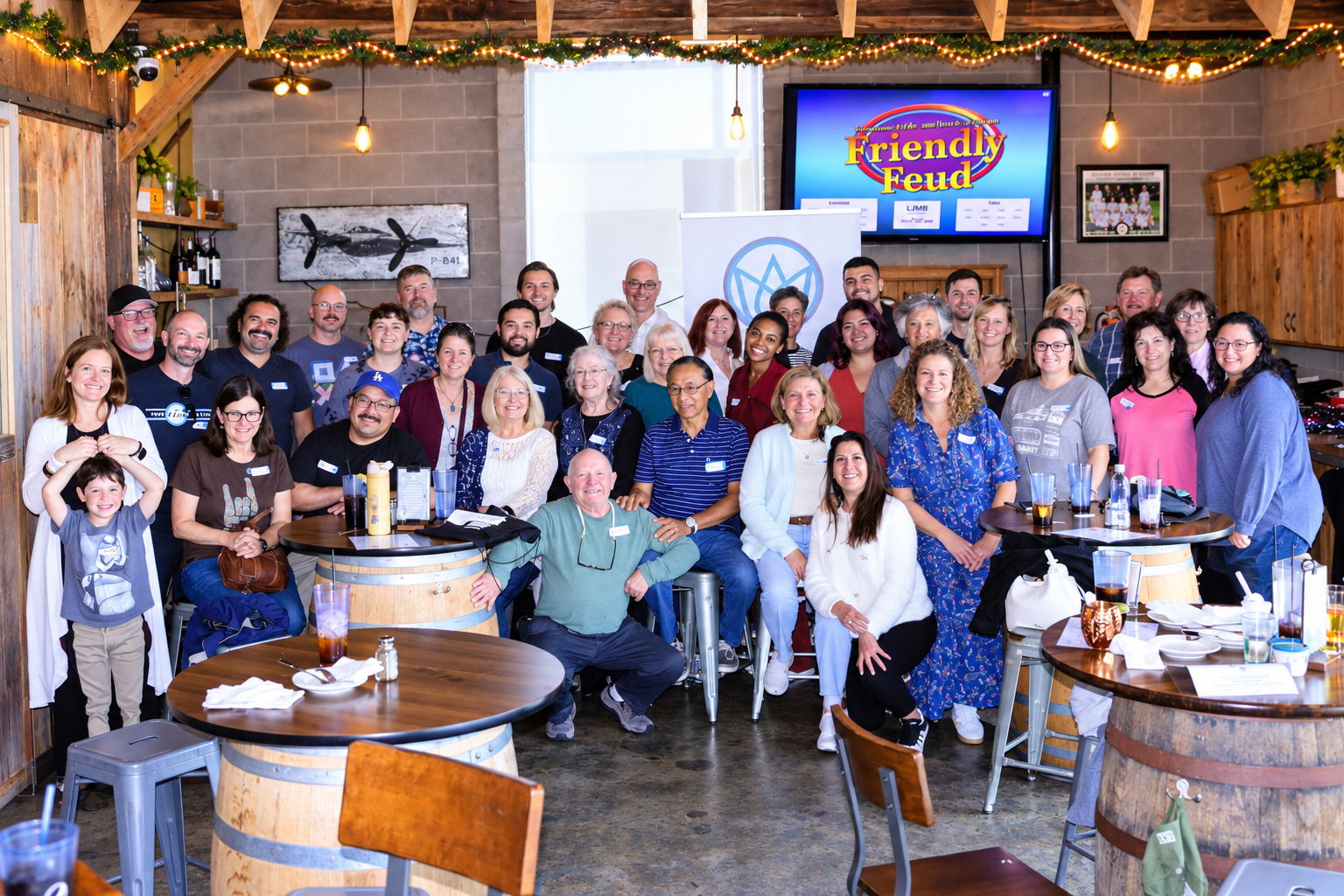
Scheiner is drawn to peer-to-peer gatherings that are social, relaxed and centered on shared experience rather than treatment. He sees these settings as offering meaningful psychosocial benefits, including reduced isolation, renewed motivation and the relief of being around others who understand daily life with diabetes.
That perspective led him to step into a leadership role with Grownup T1Ds in the Philadelphia area, where the first in-person peer support meetup takes place on February 28.
.jpg)
“It’s about connection,” Scheiner said. “Being with people who get it, having fun and not being in a clinic.”
Scheiner views peer connection as a complement to education and medical care, not a replacement. For him, it represents another way to support adults living with T1D by addressing a need that has existed quietly for years.
What Living Well with T1D Really Means
After more than 40 years living with type 1 diabetes and decades devoted to the care and education of others, Scheiner believes success is not defined by the numbers.
“Diabetes does not have to be well-managed all the time,” Scheiner said.
Living well means setting realistic expectations and acknowledging the human side of diabetes.
“It’s about how you feel physically and emotionally,” he said. “Not just time in range.”
That philosophy runs through his clinical work, his writing, his teaching and the platforms he has built to support people living with diabetes. As he often reminds listeners at the end of his podcast, learning to think like a pancreas is not about control or perfection. It is about understanding diabetes in real life and giving yourself permission to live fully alongside it.


.webp)
.webp)




















.jpg)






%20(1).jpg)



.jpg)
.jpg)
.jpg)

.jpg)

.jpg)
.jpg)
.jpg)
.jpg)
.jpg)
.jpg)
.jpg)
.jpg)

.jpg)
.jpg)
.jpg)
.jpg)

.jpg)

.jpg)
.jpg)
.jpg)

.jpg)

.jpg)
.jpg)

.jpg)
.jpg)
.jpg)
.jpg)


.jpg)
.jpg)
.jpg)


.webp)
.svg)