


T1D Guide
T1D Strong News
Personal Stories
Resources
T1D Misdiagnosis
T1D Early Detection
Research/Clinical Trials
Empowered to Thrive: How Mark Barone Is Advancing Meaningful Type 1 Diabetes Screening
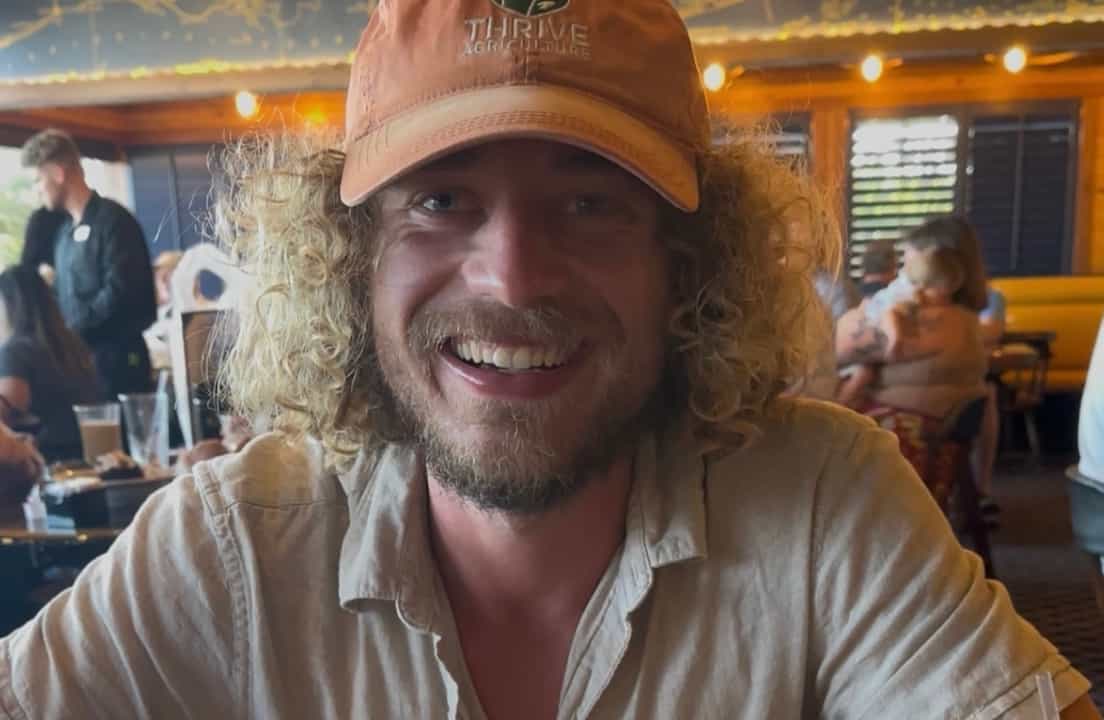
Mark Barone is an international health policy expert and a leading advocate for the meaningful engagement of people living with noncommunicable diseases (NCDs), including diabetes, mental health disorders, and neurological conditions. Here, he shares a more personal perspective—as someone living with type 1 diabetes (T1D) and as a father—offering his insights on the question of “to screen or not to screen,” its benefits, and his vision for the future.
.jpg)

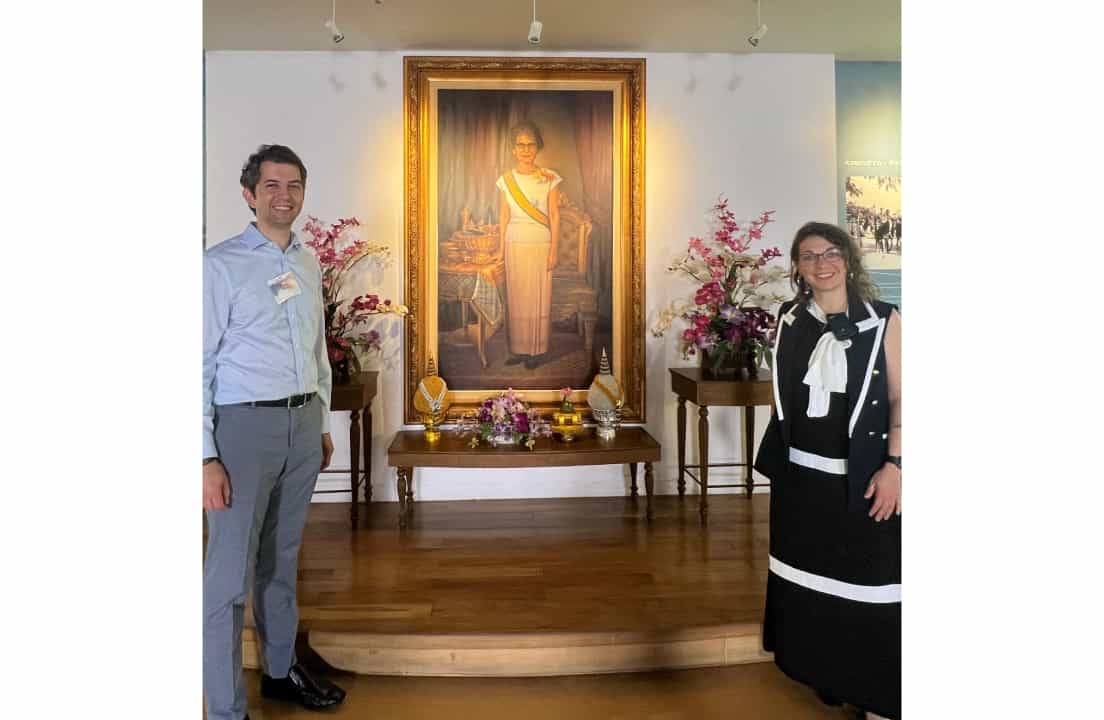
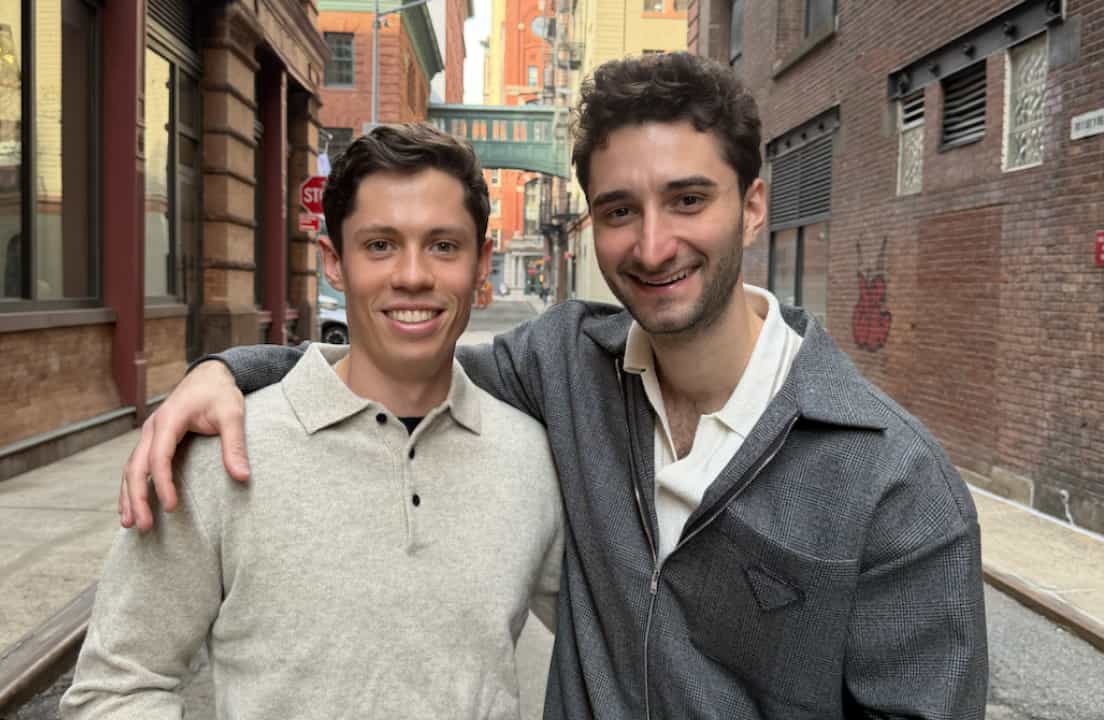
Mark Barone is a close friend from Brazil who lives with type 1 diabetes. Like James Elliott, he is not just a friend but also a professional collaborator: we both serve as commissioners for the Lancet Global Health Commission on People-Centered Care for Universal Health Coverage. We have also worked closely on the WHO Symposium for Meaningful Engagement of people living with NCDs, mental health, and neurological conditions.
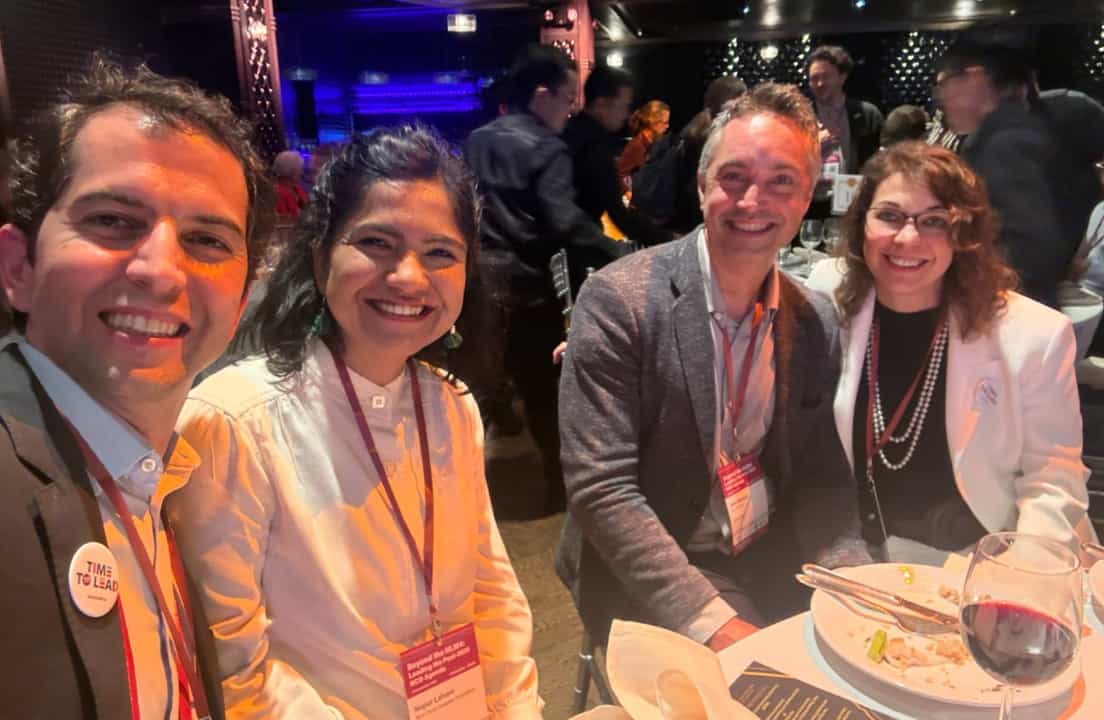
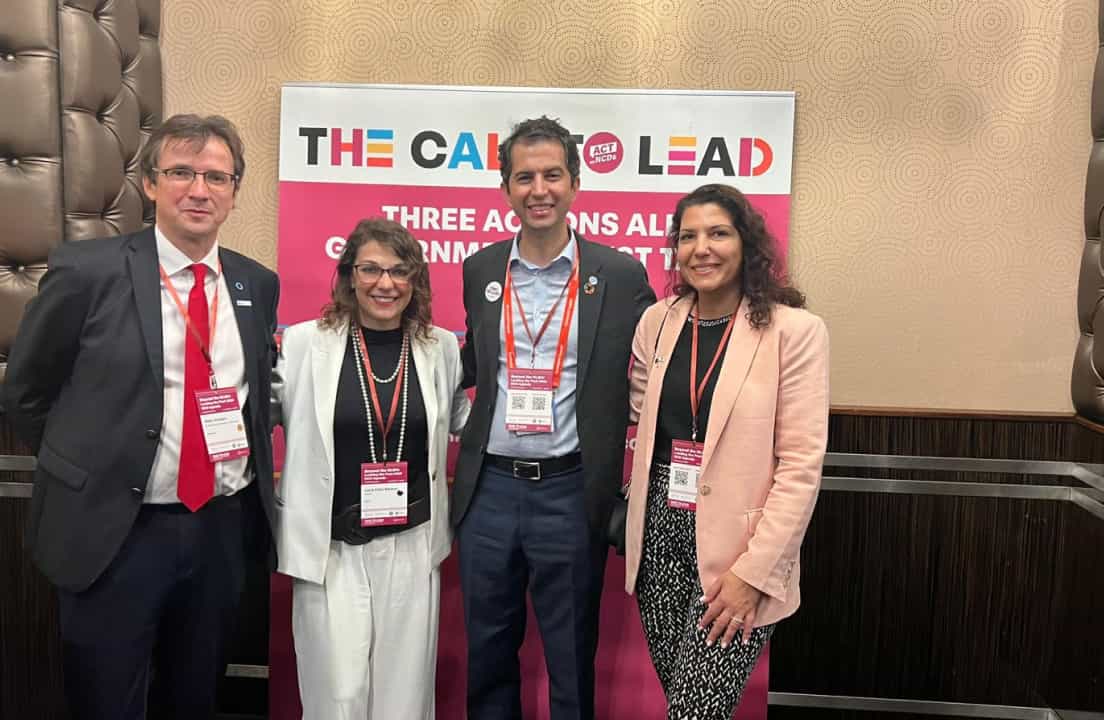
Over the years, we've have shared conferences and meetings in Lisbon, Boston, Thailand, and New York, including the High-Level Meeting on NCDs and Mental Health Conditions. Beyond professional collaboration, Mark has provided guidance and support for Voices in Action (VIA) Diabetes, contributing to campaigns and initiatives in global health.
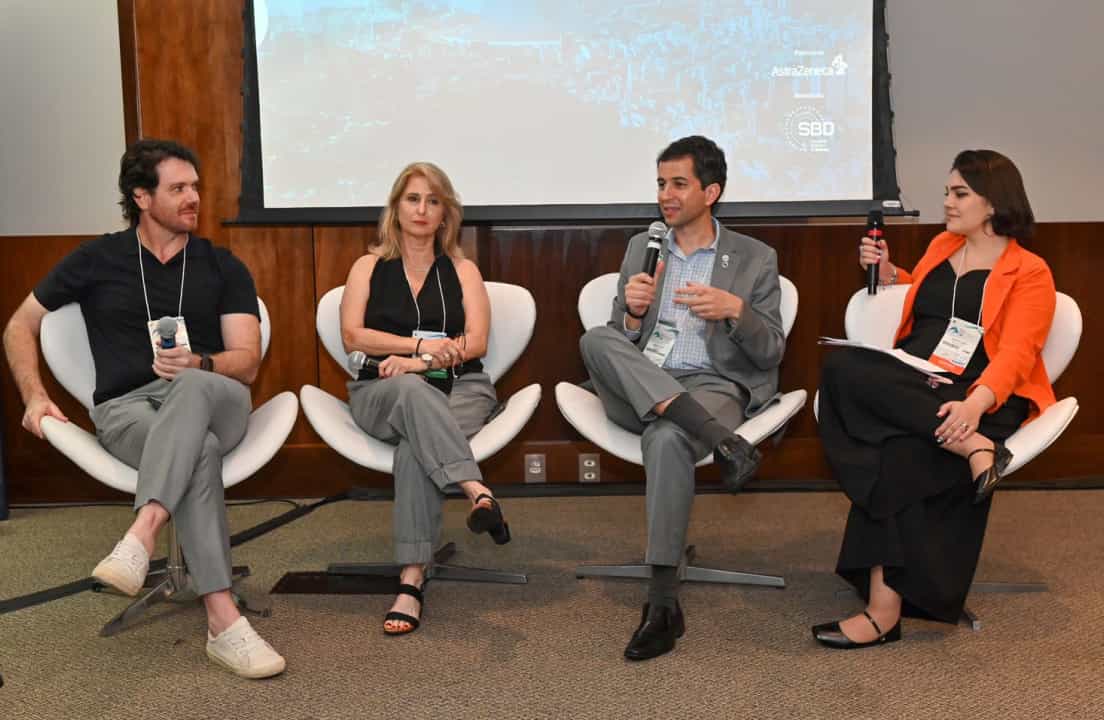
Mark generously shared his personal story, highlighting the value of early screening and community engagement for the T1DStrong community.
A Childhood Diagnosis and the Struggle for Acceptance
Mark was diagnosed with diabetes at age ten. His pediatric endocrinologist prescribed insulin, but Mark initially refused. While he had heard of diabetes through older family members, the reality of living with it was overwhelming.
His health deteriorated quickly—he spent most days sleeping and felt increasingly weak—until hospitalization forced him to confront the seriousness of his condition.
Only then did he understand the life-saving necessity of insulin. Acceptance was gradual, but once he began therapy and regained strength, he came to terms with diabetes as a permanent part of his life.
.jpg)
“Acceptance did not come instantly. But once I started insulin and regained strength, I understood that managing diabetes was essential to living fully,” Mark recalled
Finding Community in a World Without Networks
"After his hospitalization, Mark was referred to the diabetes association ADJ Diabetes Brasil. While his mother promptly engaged—joining the mothers’ support group and participating in structured education courses—Mark himself took longer to become involved. Over the following years, through his mother’s active participation, he gradually recognized the value of the community. Eventually, he joined the youth group, where he formed meaningful friendships with other young people living with type 1 diabetes and began to understand the strength of peer connection and shared experience."
Everything changed when he attended his first diabetes camp. Meeting peers his own age, engaging in activities, and forming friendships transformed his experience. Over time, Mark evolved from a patient seeking answers into an active advocate, demonstrating the power of community support to build resilience and foster empowerment.
The Value of Early Screening
Reflecting on early detection, Mark believes screening could have provided crucial time to adjust emotionally to his diagnosis.
In Brazil, early antibody screening is rare and mostly limited to families with financial means or those participating in research studies. Routine screening often relies on blood glucose alone, and misdiagnosis between type 1 and type 2 diabetes is common.
Mark has screened his own child and strongly recommends early testing.

Early detection allows families to prepare emotionally for a potential diagnosis, monitor blood glucose closely and intervene quickly to prevent complications.
His advice blends personal experience with professional insight, emphasizing that early knowledge empowers families to act proactively rather than reactively.
Global Health Engagement and Advocacy
Mark’s professional roles extend beyond personal experience. Through them, he stresses that meaningful screening programs must actively involve people living with diabetes in the design, implementation, and evaluation. Integrating patient perspectives ensures programs are relevant, practical, accessible to diverse populations and effective in improving outcomes and quality of life.
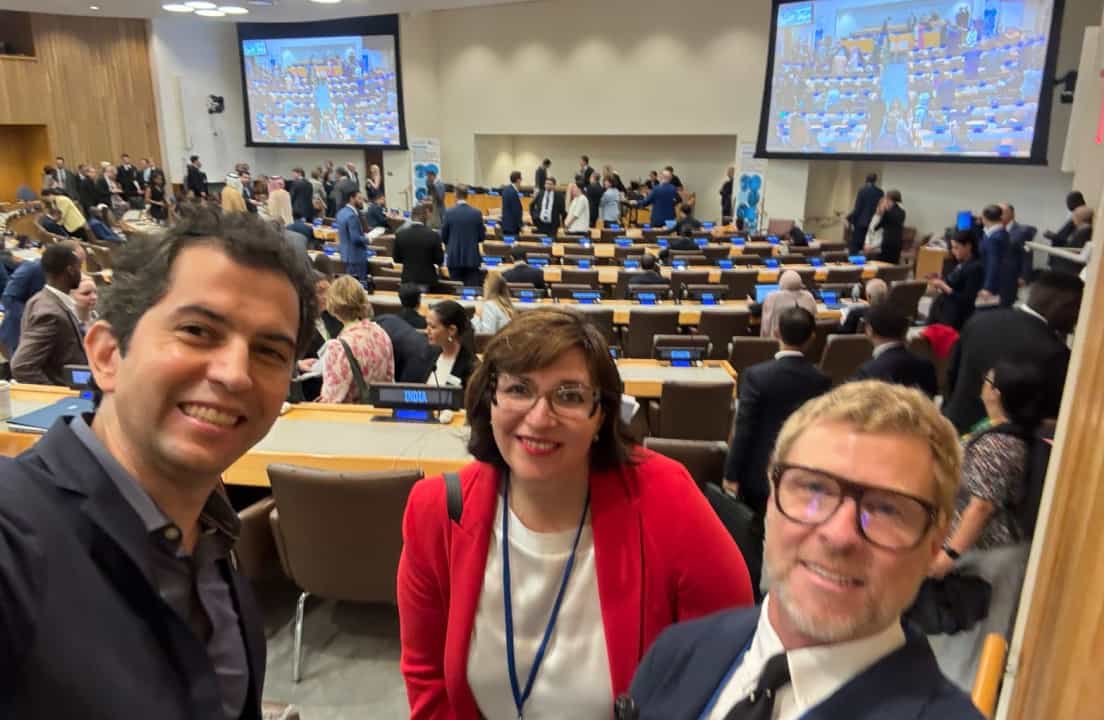
Lessons from Mark’s Journey
Without patient engagement, screening risks simply “anticipate the pain” of a future diagnosis without providing support or actionable guidance.
Lessons for Families
Mark’s story highlights several important lessons for families navigating type 1 diabetes. One of the most critical steps is advocating for early screening whenever it is available. Early detection not only allows children to receive timely medical care but also gives families time to prepare emotionally for a diagnosis.
Understanding the risks and knowing what to expect can transform a moment of fear into an opportunity for proactive planning. Families who take this step often feel more in control and better equipped to navigate the challenges that accompany a diabetes diagnosis.
Lessons through Peer Support
Building connections with peers and support groups are equally important.
Sharing experiences with others who understand the daily realities of type 1 diabetes provides both practical guidance and emotional reassurance. Peer support helps families learn strategies for managing blood glucose, navigating school or social situations, and coping with the psychological stress of a chronic condition.
These relationships foster a sense of belonging, showing children that they are not alone and that thriving with diabetes is possible.
Accurate information is another key component. Families benefit from consulting trusted sources, such as the American Diabetes Association (ADA) or the National Institutes of Health (NIH), to make informed decisions about treatment options, lifestyle adjustments, and long-term care.
Reliable guidance helps parents separate evidence-based recommendations from myths or misinformation commonly found online.
Lessons for Healthcare Providers
For healthcare providers, Mark emphasizes the value of including patient and family perspectives in program design. Patients and families can offer insights that medical professionals may not consider, including daily management challenges, emotional needs, and accessibility barriers.
Educating families early about the signs and symptoms of T1D is critical to prevent delayed diagnoses and avoid serious complications, such as diabetic ketoacidosis (DKA). Linking families to local or online resources reinforces education, provides practical guidance, and strengthens engagement.
Providers should also actively facilitate connections to community and peer support networks.
By integrating patient voices and support networks into care, healthcare professionals can ensure programs are more effective, relevant, and empowering.
The Role of Information and Connection
Children today have unprecedented access to diabetes-related information, yet navigating the abundance of online content can be overwhelming. Mark emphasizes that human connection remains essential.
Peer support programs, diabetes camps like Connected in Motion (CIM), and mentorship opportunities provide guidance, reassurance, and practical strategies that cannot be replicated through websites or social media alone.
When families combine accurate information with meaningful community engagement, they create an environment of resilience, confidence, and empowerment. Children and caregivers gain the tools to manage diabetes successfully, while also developing emotional strength and a sense of belonging.
In this way, families are not only prepared for the challenges of type 1 diabetes but can also thrive despite them, transforming fear and isolation into hope, knowledge, and connection.
A Story of Resilience and Leadership
This story of resilience and leadership—from denial and fear to acceptance and advocacy—illustrates the transformative power of community, early detection, and patient-centered approaches.
His story demonstrates that early screening can improve long-term outcomes, that peer support and community engagement are essential for emotional well-being and that empowered patients and families can shape healthcare practices and policies.
Mark’s experiences highlight the potential for informed, engaged communities to influence global health, showing that knowledge, connection, and proactive care create resilience for children living with type 1 diabetes.


.webp)

.webp)

.jpeg)













.jpg)






.jpg)




%20(1).jpg)



.jpg)
.jpg)
.jpg)
.jpg)
.jpg)
.jpg)
.jpg)

.jpg)
.jpg)
.jpg)
.jpg)
.jpg)
.jpg)
.jpg)

.jpg)
.jpg)
.jpg)
.jpg)
.jpg)

.jpg)

.jpg)
.jpg)

.jpg)

.jpg)
.jpg)


.jpg)
.jpg)


.jpg)
.jpg)
.jpg)


.webp)
.svg)