


T1D Guide
T1D Strong News
Personal Stories
Resources
T1D Misdiagnosis
T1D Early Detection
Research/Clinical Trials
Laughing to Keep from Dying: Phyllisa Deroze’s Advocacy for the Black Diabetes Community
February is Black History Month, a time to honor the achievements and contributions of the Black communities around the world. It is a moment to recognize stories that are too often overlooked, especially in healthcare. One such story belongs to Phyllisa Deroze, whose journey with type 1 diabetes highlights how culture, advocacy, and community can transform care.
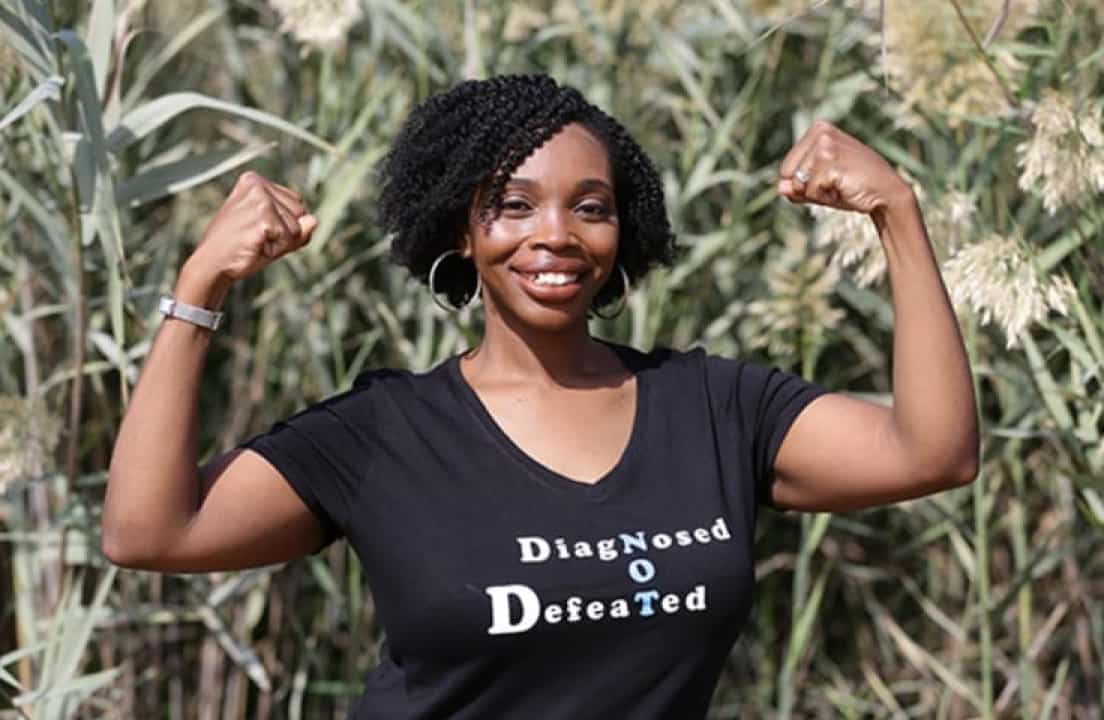

A Sudden Diagnosis and Near-Death Experiences
Phyllisa never saw it coming. On Valentine’s Day, she passed out in her bathtub, unaware that her life with type 1 diabetes (T1D) had already begun years earlier. She had been experiencing blurry vision, constant thirst, and frequent urination. She didn’t know these were classic T1D symptoms, or that she was in diabetic ketoacidosis (DKA), a life-threatening condition. For eight years, she had been misdiagnosed, placing her life at risk.
Like most adults diagnosed with T1D, she had no family history of the disease. Her symptoms were dismissed, and her doctor initially suggested sports drinks for electrolytes. Just a week later, she nearly lost consciousness in a waiting room. When she finally got her blood glucose checked, it read 497 mg/dL. She was told she was going into a coma.
At 31, Phyllisa had just started her dream job as an English literature professor and completed her Ph.D. Weeks later, she was confined to a hospital bed. Two months later, fate tested her again. While driving home, she obeyed a sudden feeling to pull into a store parking lot. Moments later, a tornado tore through her apartment complex. Twice in just over two months, she narrowly survived life-threatening events.
From Hospital Bed to Advocacy
During her hospital stay, Phyllisa began writing. She wanted to make sense of what had happened and share her experience with others. Her blog became the first step toward advocacy.
Phyllisa realized that her story could save lives. Being misdiagnosed is common among adults, particularly in the Black community, and her near-death experiences motivated her to speak out and protect others.
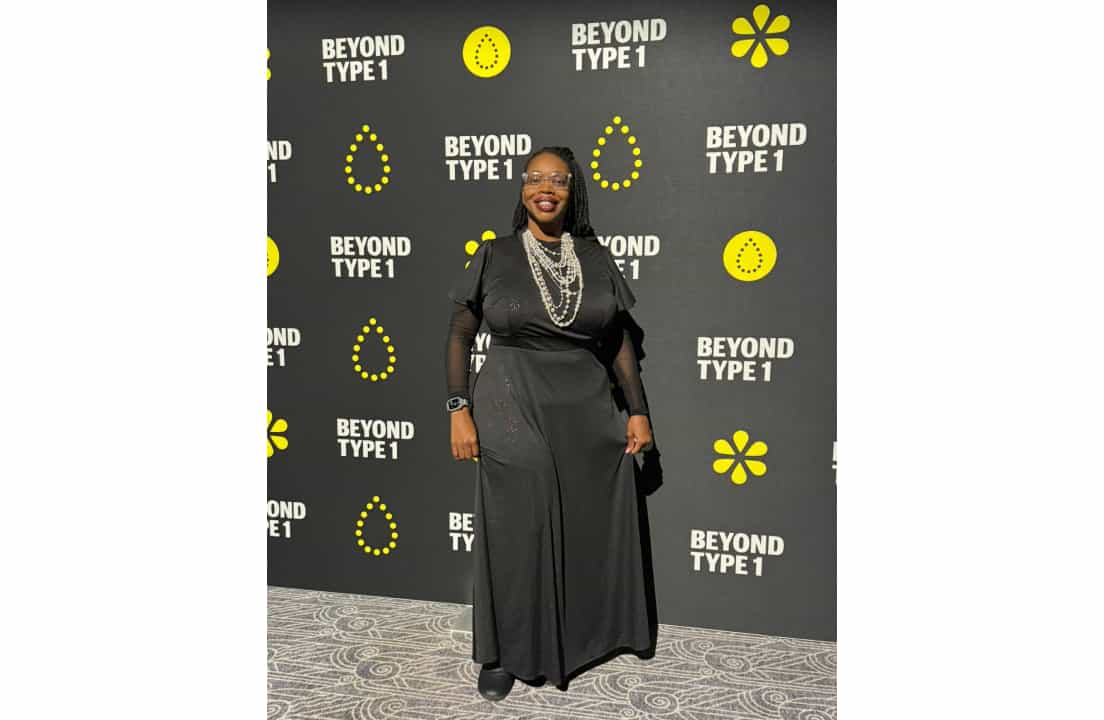
Humor, Resilience, and Cultural Strength
Even in difficult moments, Phyllisa laughs.
“In Black American culture, we have a saying: we’re laughing to keep from dying,” she explained. “Humor is more than personality—it is a survival tool.”
Type 1 diabetes is serious, but Phyllisa refuses to present her story solely as tragedy. Every time she speaks, she aims to make her audience laugh at least once. Humor bridges gaps in understanding, making medical information more relatable and approachable.
Centering Black Culture in Diabetes Care
Phyllisa’s advocacy is deeply tied to her cultural identity. She often references Carter G. Woodson, the historian who founded Negro History Week, which later became Black History Month, to ensure Black contributions were recognized globally. For her, this recognition is not only about historical events but also about everyday cultural practices and knowledge, particularly in the realm of health. She observed that standard approaches to diabetes education often ignore cultural specificity.
Nutrition educators frequently relied on generic food examples such as chicken, rice, and bread, assuming these foods represented the typical diet of all patients. However, these examples failed to resonate with individuals from the Gullah Geechee community, whose culinary traditions are deeply rooted in African heritage and include distinctive dishes for occasions such as New Year’s celebrations.
Phyllisa noticed that these traditional foods, rich in history and symbolism, were rarely incorporated into dietary guidance, creating a disconnect between medical advice and lived experience.
By including Black cultural traditions in diabetes care, Phyllisa helps people feel seen, respected, and understood. When healthcare workers pay attention to the foods, customs, and traditions that matter to a community, people living with diabetes feel more connected to their care.
This approach encourages people to think about what it really means to live with diabetes—not just following general diet rules, but managing the disease in a way that fits their daily life and cultural identity.
For example, traditional foods and celebrations, like those in the Gullah Geechee community, have deep meaning and can affect how people eat and take care of their health.
Letting people with diabetes adapt care to their own culture makes it easier to follow more realistic and empowering health outcomes.
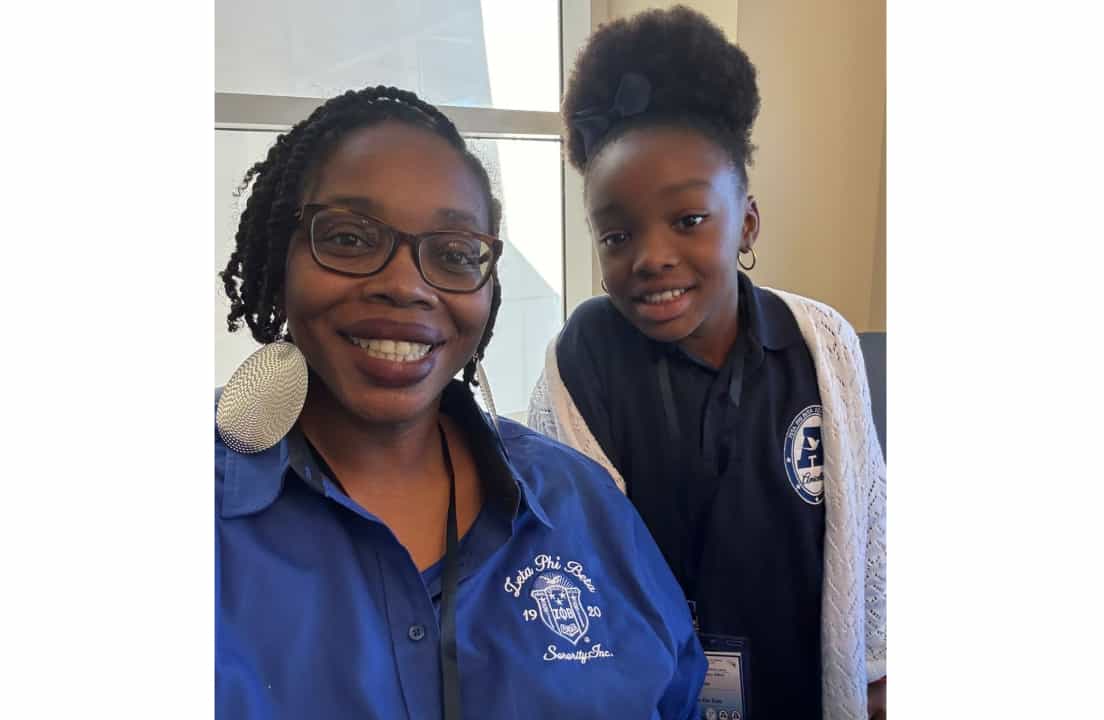
These ideas are important for people-centered care, which focuses on listening to individuals with diabetes, respecting what matters to them, and creating treatment plans that fit their lives.
Paying attention to cultural preferences is not just a small detail—it makes healthcare fairer, more effective, and more human.
“Do I have to give up who I am as a Black American to manage diabetes?”
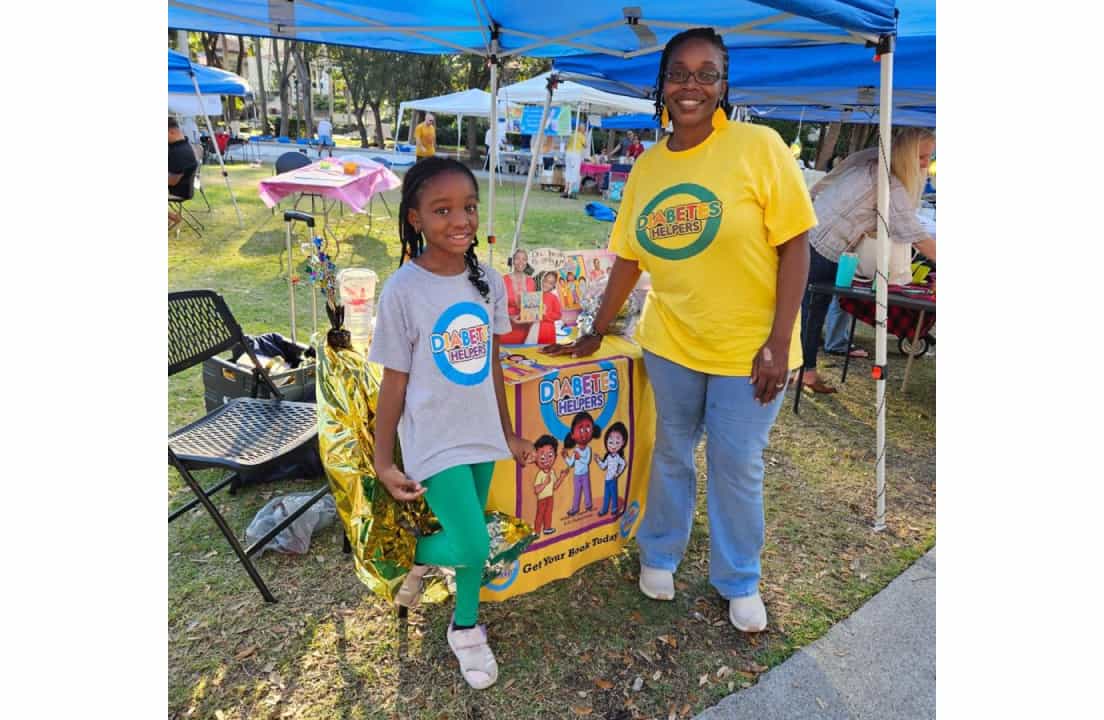
A year after her diagnosis, Phyllisa founded Black Diabetic Info, a platform sharing T1D information through a culturally aware lens. Food, she explains, is identity, memory, and community. By reflecting Black cultural traditions in diabetes care, she ensures people feel seen and respected.
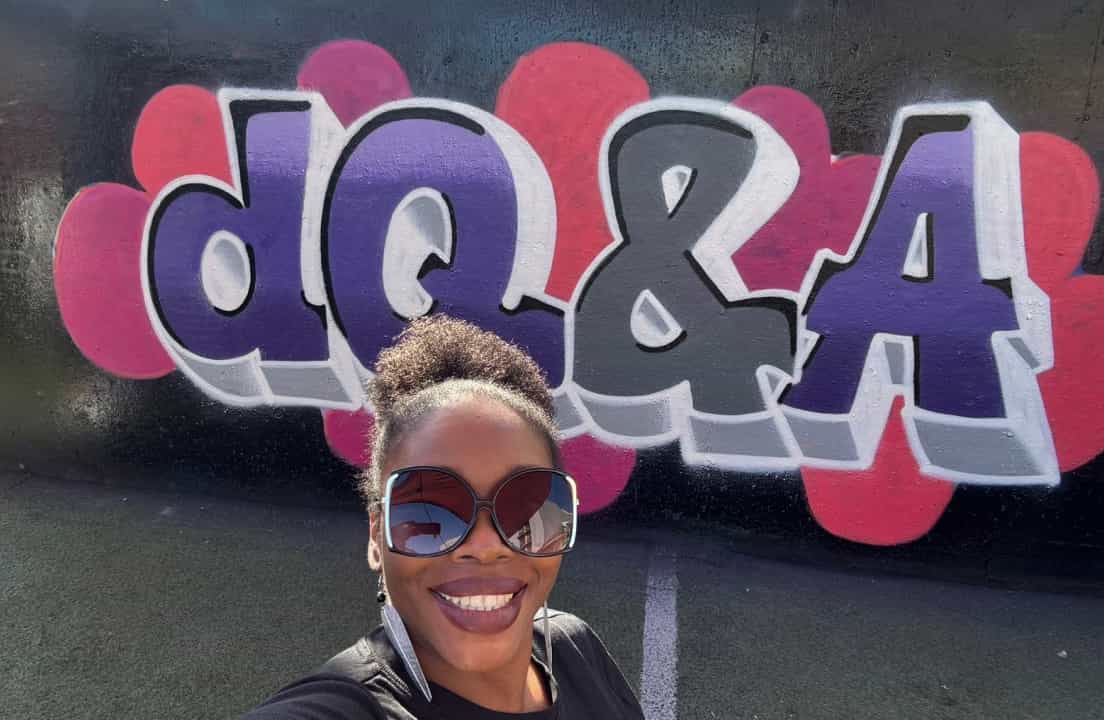
Challenges of Care and Staying Close to Family
Phyllisa has lived in France, Martinique, and Dubai, and has experienced healthcare systems around the world. In France, her diabetes care was fully covered. In the UAE, residents receive strong government support. Back in the U.S., even with insurance, her insulin pump and continuous glucose monitor (CGM) cost nearly $300 a month.
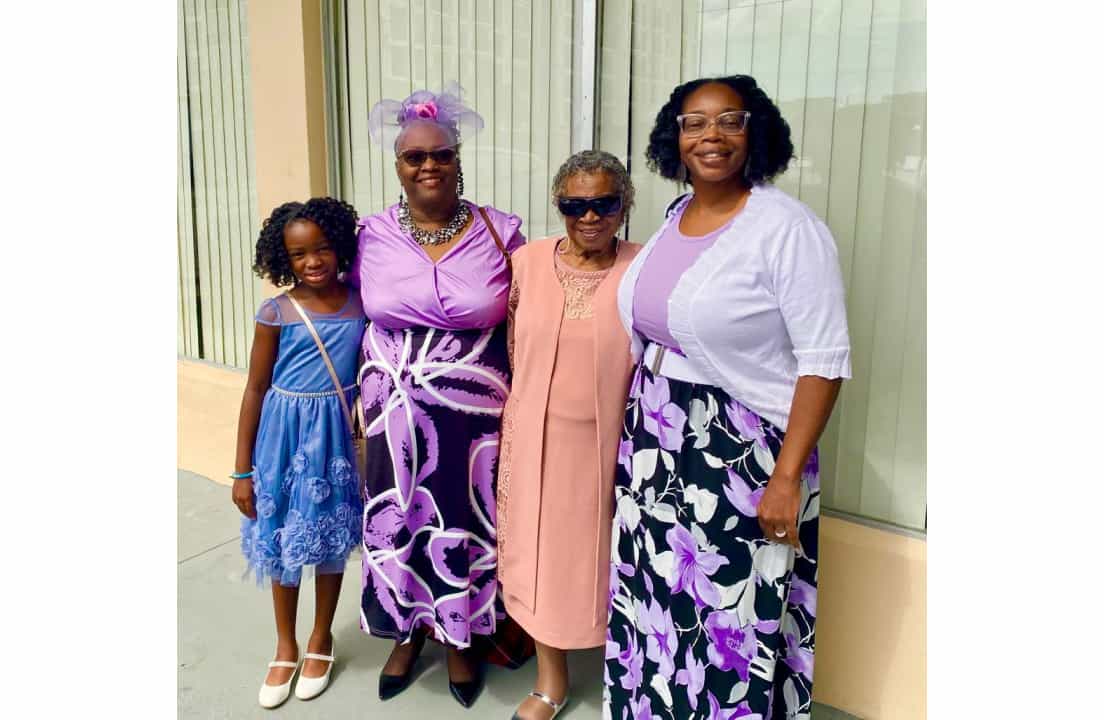
She chooses to stay in Florida with her husband and 10-year-old daughter to be near her mother and grandmother. Balancing advocacy, parenting, and her own health is a daily effort.
Screening is another focus. Her daughter has undergone tests for autoantibodies that signal T1D risk. Knowledge is power, Phyllisa says, and she wants her daughter—and other children at risk—to have early detection and proper care.
Why Her Work Matters Globally
Phyllisa’s story sheds light on gaps in T1D care: adults of color are often misdiagnosed, cultural representation in education is missing, financial barriers make access difficult, and humor and storytelling help people engage with their care. Through her blog, speaking engagements, and Black Diabetic Info, Phylllisa amplifies Black voices in diabetes care.
She shows that cultural identity and proper medical care are not mutually exclusive. Her work honors Black communities not only in the U.S. but also globally, demonstrating the power of representation, advocacy, and resilience.
Living, Laughing, and Protecting Others
Even with ongoing challenges -like a recent car accident- Phyllisa continues to write, speak, and share her life with the world.
“I want to make sure no one else has to go through being misdiagnosed for eight years and nearly die, like I did,” she said
Protected by faith, culture, and community, this fierce advocate is not just surviving type one diabetes—she is ensuring that future generations of black people living with diabetes are visible, heard, and cared for.


.webp)
.jpeg)
.webp)















.jpg)




.jpg)



%20(1).jpg)



.jpg)
.jpg)
.jpg)
.jpg)
.jpg)
.jpg)
.jpg)
.jpg)
.jpg)
.jpg)
.jpg)
.jpg)
.jpg)
.jpg)
.jpg)

.jpg)
.jpg)
.jpg)
.jpg)
.jpg)
.jpg)
.jpg)
.jpg)



.jpg)

.jpg)
.jpg)

.jpg)
.jpg)


.webp)
.svg)