


T1D Guide
T1D Strong News
Personal Stories
Resources
T1D Misdiagnosis
T1D Early Detection
Research/Clinical Trials
Scared to Screen for Type 1 Diabetes? 5 Reasons Parents and Those with Higher Risk Shouldn’t Wait
The thought that another child, or even you, might test positive for type 1 diabetes (T1D) adds immense pressure that can feel heavy at times. Maybe you’re living with T1D yourself and don’t want to face the possibility that you could have passed along the risk to your kids. But today, screening and the reasons for it have changed dramatically in recent years, and testing is now easier and more accessible than ever.
.jpg)
.webp)
As a mom of an adult T1D, I still worry. No matter what age, no matter what great tech they are wearing, it never leaves you. To think that this weight could be passed on to another family member or his children is troubling. But the good news is, there are many more positive reasons to screen today than there were a decade ago.
What’s more, testing through autoantibody screening does not change whether you have the autoantibodies or not.
The reasons to test outweigh the anxiety of not knowing.
But timing does matter. We now know type 1 diabetes is in four stages.
It’s critical to identify the disease in stages 1 or 2 to allow for proactive monitoring and access to therapies that can delay progression to clinical long-term stage 3 T1D.
Plus, there are disease-modifying drugs that might ensure better health outcomes by preserving those insulin-producing beta cells—even if you or your child is in stage 3.
Also, scientific research to prevent and delay the onset of T1D is improving!
So if you’re still not convinced! Read on.
.jpg)
Family Members of People With T1D Have Higher Risk
Having a relative with type 1 diabetes does increase the chances of developing the condition compared to the general population (which has about a 1 in 300 risk). While 85% to 90% of people with T1D have no family history, having a first-degree relative (parent, sibling, or child) can increase the risk up to 15-fold.
Still, according to Breakthrough T1D (Formerly JDRF), while family history is a major factor, the risk for most individuals with a family history remains relatively low, with the majority not developing the condition.
Top 5 Reasons Those at Higher Risk Should Screen for Type 1
1. Early Detection Prevents Life-Threatening DKA and Hospitalization
The number one reason to screen for T1D is that it may prevent diabetic ketoacidosis (DKA), one of the biggest dangers of undiagnosed T1D that could lead to serious and potentially fatal complications.
Identifying type 1 through autoantibody screening ensures treatment begins before the condition becomes dangerous, often avoiding traumatic ICU-level diagnoses.
If you have type 1 diabetes in the family, you might say, “We know the signs,” but sometimes DKA can come on fast and become dangerous quickly, leaving little time to get to the ER. Especially if you’re on vacation or somewhere where hospital staff isn’t easily accessible. Knowing prevents these medical emergencies, costly ICU stays and a more controlled diagnosis.
2. You Can Delay the Onset of Type 1
In 2022, the U.S. Food and Drug Administration approved teplizumab (Tzield), the first therapy shown to delay the onset of stage 3 type 1 diabetes in people with stage 2 disease. So there are definite financial and emotional perks to delaying T1D.
“Any day off insulin therapy is a win.” Chris Dunn, mom to two T1D kids, is now undergoing Tzield.
Therapies like tzield can delay the progression from stage 2 to stage 3 (insulin-dependent) T1D by up to three years.
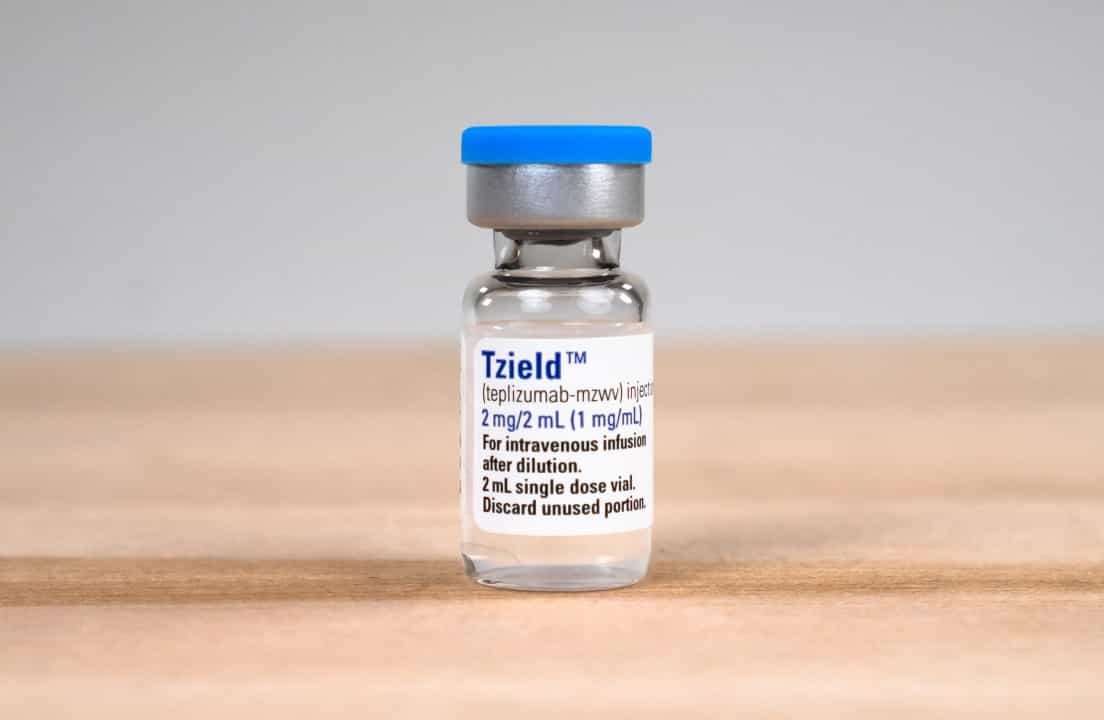
Delaying onset means more time without insulin dependence, more time for medical advancements, more time for emotional readiness.
3. Knowledge Reduces Fear
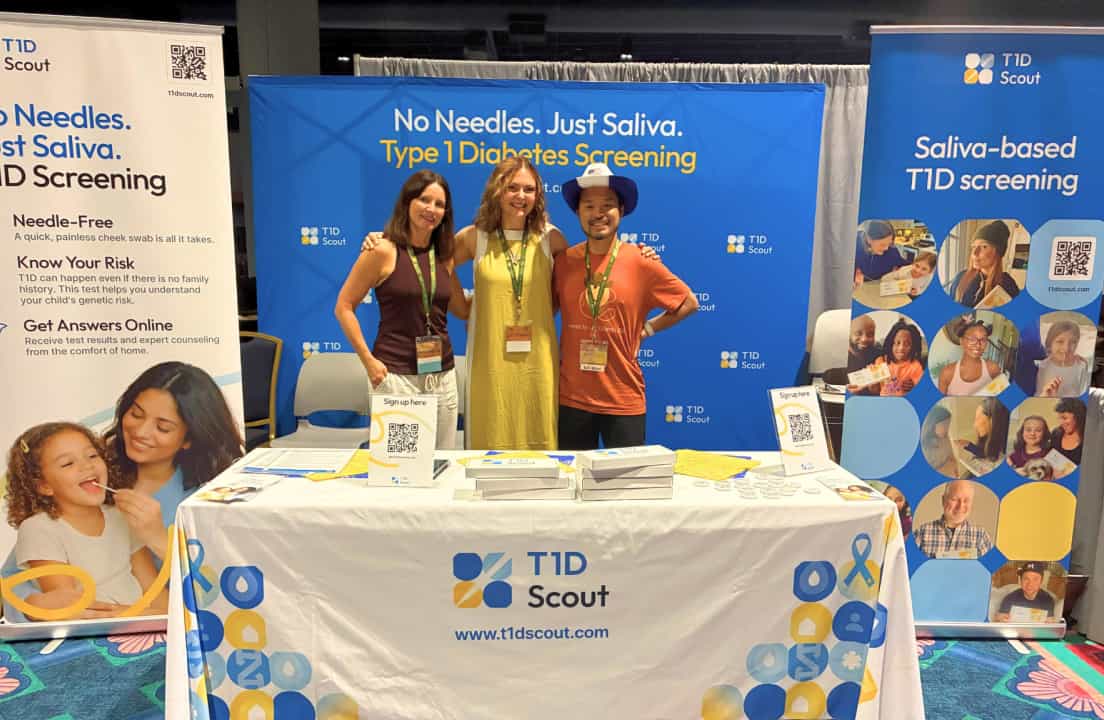
When parents know their child’s risk level, they can watch for early symptoms, monitor appropriately, and make informed medical decisions. Organizations like Autoimmunity Screening for Kids (ASK), TrialNet and T1D Scout have counselors and professionals on hand to help.
Organizations like Breakthrough T1D emphasize that staging type 1 diabetes allows families to move from crisis mode to proactive care.
Early detection allows families to start glucose monitoring, have supplies on hand, and make lifestyle adjustments before the onset of symptoms.
4. Screening is Simple and Often Free
Many screening programs are covered through insurance or offered at no cost through programs like TrialNet. Additionally, simple blood tests through ASK are at no cost and test for T1D and celiac disease at the same time. T1D Scout now offers a saliva-based at-home test kit to determine risk.
Also, some pediatricians also offer screening panels or can refer families for testing.
5. Testing Improves Long-Term Health Outcomes
Research from TrialNet shows that screening for T1D autoantibodies can identify risk years before symptoms appear, lowering the likelihood that a child presents in DKA at diagnosis. Reports from the National Institutes of Heath (NIH) show that children in DKA have a hard time managing diabetes, higher time in range and higher A1cs than those diagnosed with DKA.
Early diagnosis allows for smoother blood glucose management from the start, reducing the risk of long-term complications.
Face Your Fears Head-On
For families already living with T1D, screening isn’t fear-based — it’s informed prevention.
.jpg)
Early detection absolutely changes the outcome by reducing emergency hospitalizations from ~60% to under 5%. It allows for proactive management, education, and access to new, FDA-approved, disease-modifying therapies that can delay the need for insulin.
Most importantly, psychologists recommend facing fear head-on. Studies show that when you confront your anxiety, it boosts self-esteem, builds resilience, and rewires the brain to see challenges as manageable rather than dangerous.


.webp)









.jpeg)








.jpg)







.jpg)




.jpg)



%20(1).jpg)




.jpg)

.jpg)
.jpg)
.jpg)
.jpg)
.jpg)
.jpg)


.jpg)
.jpg)

.jpg)
.jpg)

.jpg)
.jpg)
.jpg)
.jpg)

.jpg)
.jpg)

.jpg)
.jpg)
.jpg)
.jpg)
.jpg)



.jpg)


.jpg)

.jpg)




.jpg)


.webp)
.svg)