


T1D Guide
T1D Strong News
Personal Stories
Resources
T1D Misdiagnosis
T1D Early Detection
Research/Clinical Trials
ATTD: Advancing Diabetes Innovation in Barcelona
The Advanced Technologies & Treatments for Diabetes (ATTD) conference is one of the leading international meetings focused on innovation in diabetes care. It brings together clinicians, researchers, industry representatives, and people living with diabetes to share emerging science, technology, and models of care.


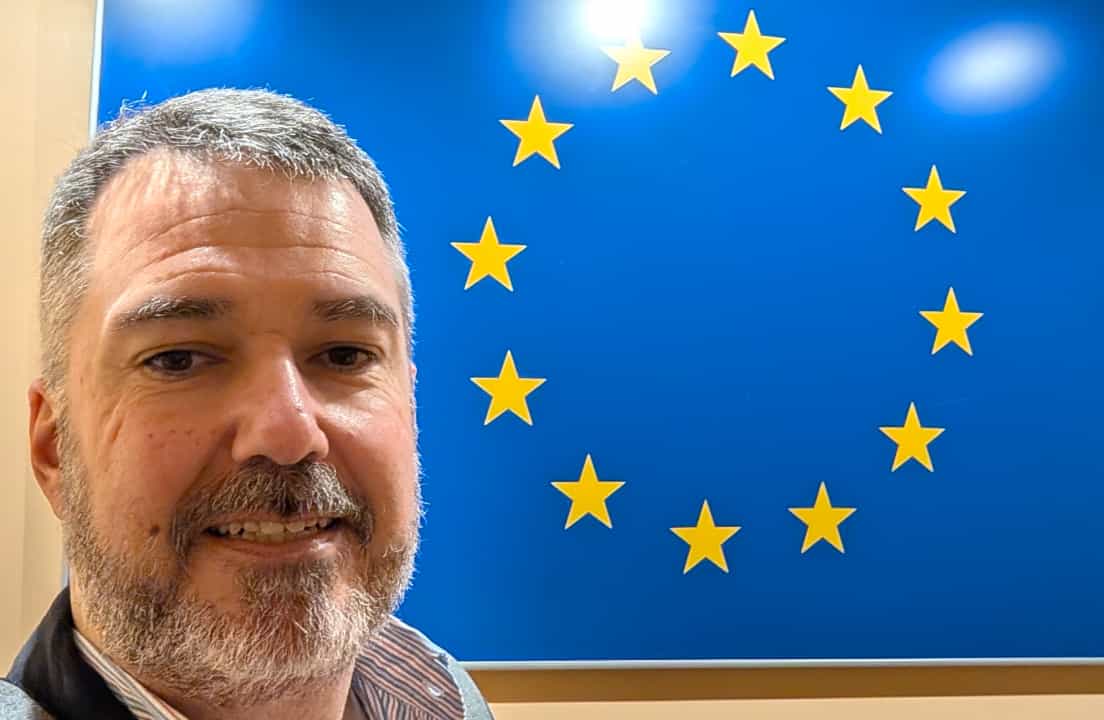
The 2026 conference in Barcelona, Spain, really brought home how quickly the diabetes field is moving, with new ideas and technologies emerging faster than many of us can fully keep up with in real time. Attending both as a professional and as someone living with type 1 diabetes (T1D) provided a dual perspective on how innovation is experienced across different roles in the ecosystem.
Experiencing ATTD in Barcelona, Spain
There were parallel sessions running constantly, and the pace of movement between rooms often shaped the experience as much as the content itself. The audience was a mix of researchers, industry investors, entrepreneurs, and patient advocates.
Most attendees came from high-income countries—particularly the US, Canada, Australia, and Western Europe—although there were also participants from other regions. Some expected attendees were absent due to travel disruption linked to geopolitical instability, which came up more than once in informal conversations.
The conference also had a digital platform running alongside the in-person events. I did not follow it closely, but several colleagues mentioned it was actively used by people unable to travel. Barcelona itself felt unusually “taken over” by the gathering. Badges were visible everywhere.
Even ordering transport or walking between venues made it hard to ignore ATTD's presence in the city. At one point, ride-hailing apps were showing conference-related ads from industry sponsors, which was a small but striking reminder of how commercially embedded the field has become. The Medtronic (MiniMed) drone show over the city was another example of that visibility—part science, part branding, part spectacle.
Bringing Lived Experience into the Conversation
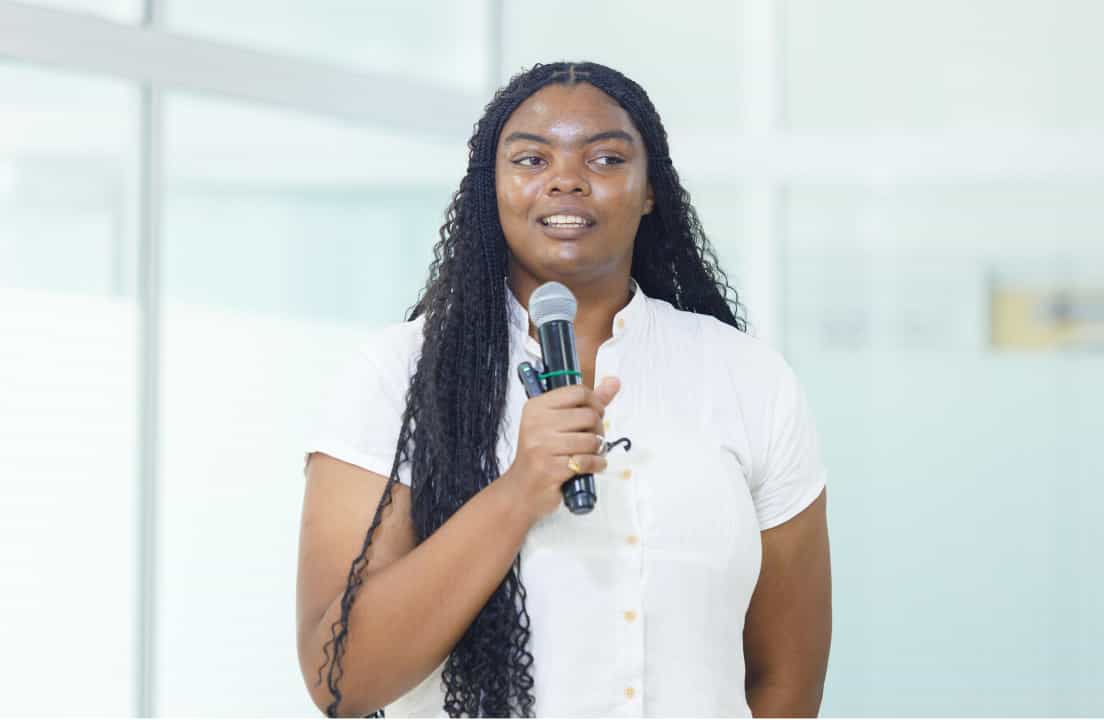
I participated in a panel titled “Integrating Clinical Expertise, Patient Voices & Next-Generation Leadership” (UNLOK x IDF: Transforming Learning, Empowering Care), alongside Dr. Banshi Saboo, Dr. Viral Shah, and Prof. Peter Schwarz. One moment that stood out was an audience intervention questioning how “patient voice integration” actually changes day-to-day clinical practice. It slightly interrupted the flow of the session, but in a useful way, forcing the discussion away from general principles and toward implementation, which is where these conversations often become less clear.
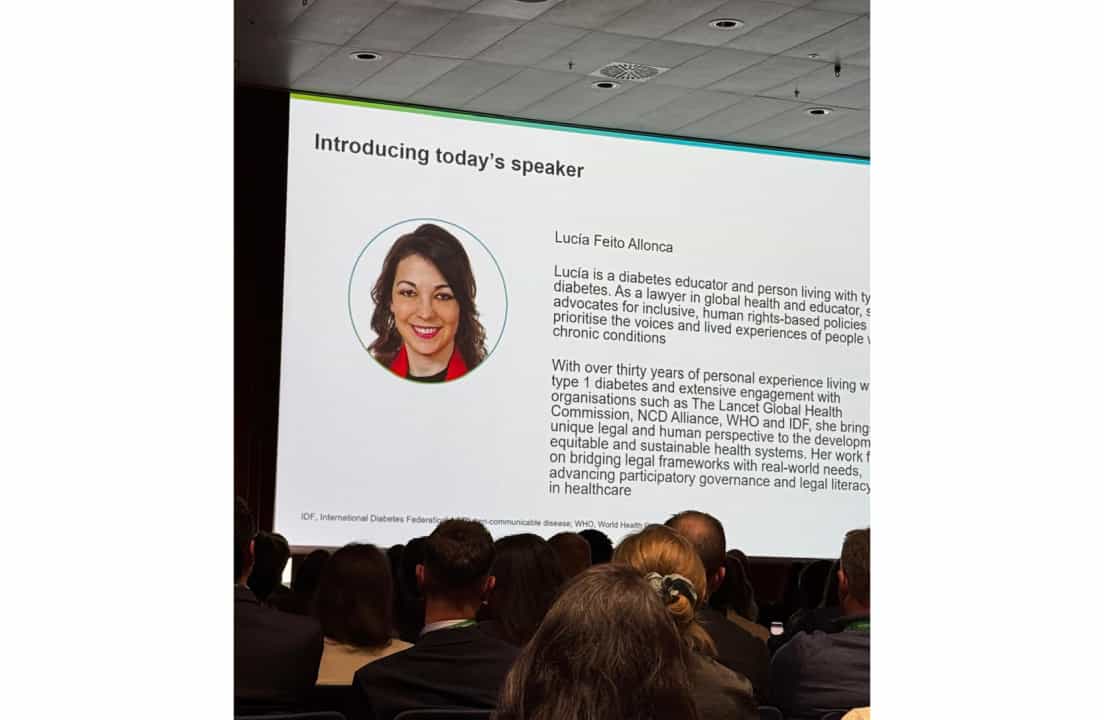
In that panel, the most consistent point was that lived experience only becomes meaningful when it is structurally embedded in education and system design. Otherwise, it risks remaining symbolic rather than operational.
Artificial Intelligence: From Concept to Deployment
I also led a session at the ATTD AI School focused on ethics, EU AI Act readiness, and General Data Protection Regulation (GDPR) in clinical AI systems. Artificial intelligence in diabetes care was present throughout the conference in a way that felt less speculative than in previous years. Most discussions were no longer about whether AI will be used, but how it is already being used in monitoring, prediction, and decision support.
A recurring tension was responsibility. Even when AI outputs are used in clinical contexts, final accountability remains with healthcare professionals. This point came up repeatedly, especially when discussing risk prediction tools. Ethical concerns were less abstract than expected.
The discussion focused on practical issues: bias in training data, lack of transparency in model outputs, and the risk of over-reliance in high-pressure clinical environments where decisions are time-sensitive. Regulatory frameworks were discussed in concrete terms.
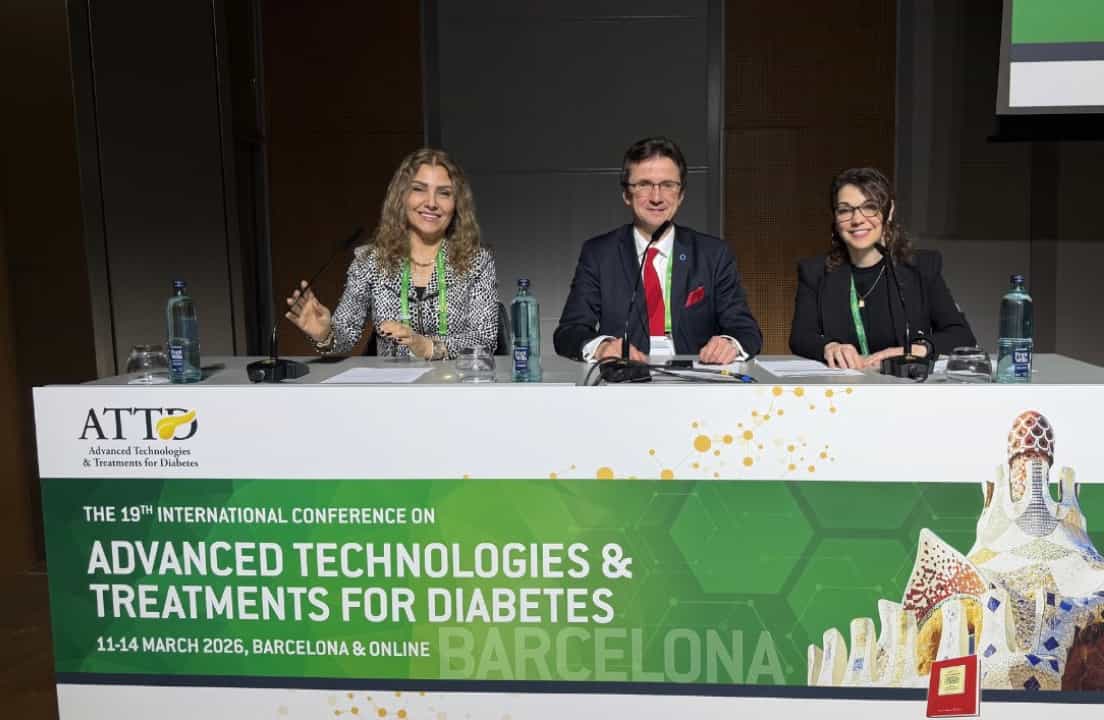
The EU AI Act was framed as particularly relevant for high-risk medical systems, requiring validation, traceability, and post-deployment monitoring. The GDPR remains central in governing how health data is used, especially for secondary applications beyond direct care.
A practical checklist was shared with clinicians assessing AI tools, covering regulatory approval, clinical evidence, limitations, data handling, and escalation pathways in the event of system failure. The emphasis was not on theory, but on what clinicians should actually ask vendors before adoption.
Community, Collaboration, and Shared Work
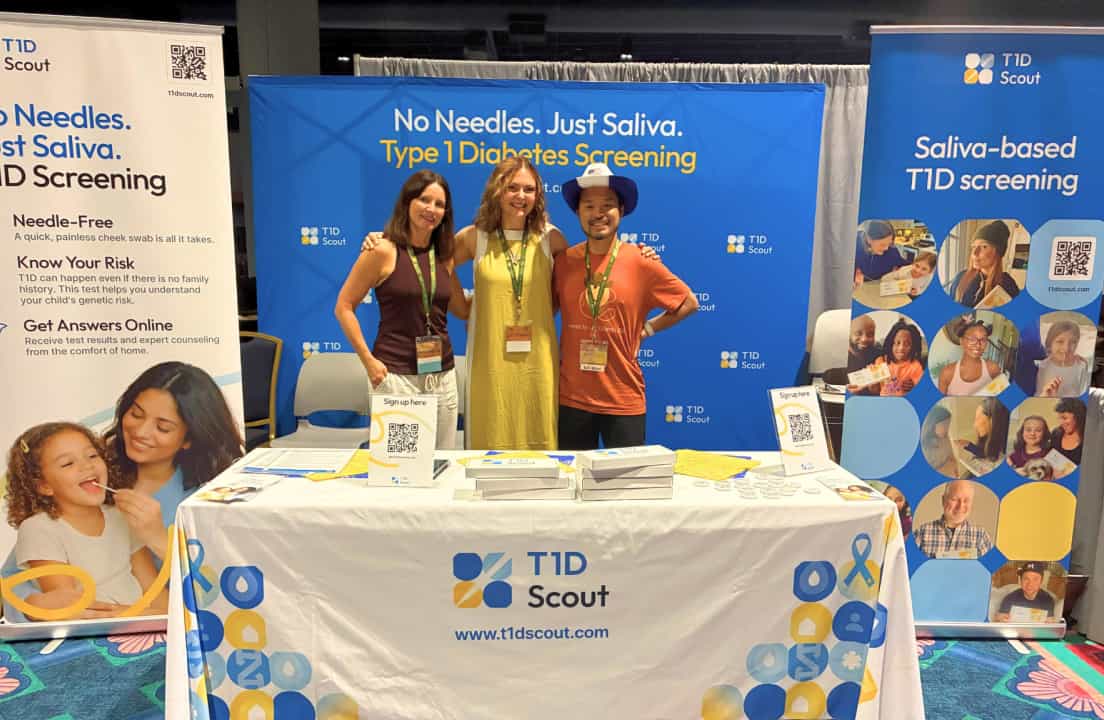
Beyond formal sessions, some of the most valuable aspects of ATTD were the informal interactions that took place throughout the week. A notable example was the presence of Yuta Matsuda and T1DScout, which created a space for open engagement and conversation. It was a reminder that innovation is not only about tools or systems, but also about the communities that form around them.
Similarly, the faculty dinner provided an opportunity to connect with international leaders like James Elliott and Kyle J. Rose in a more informal setting.
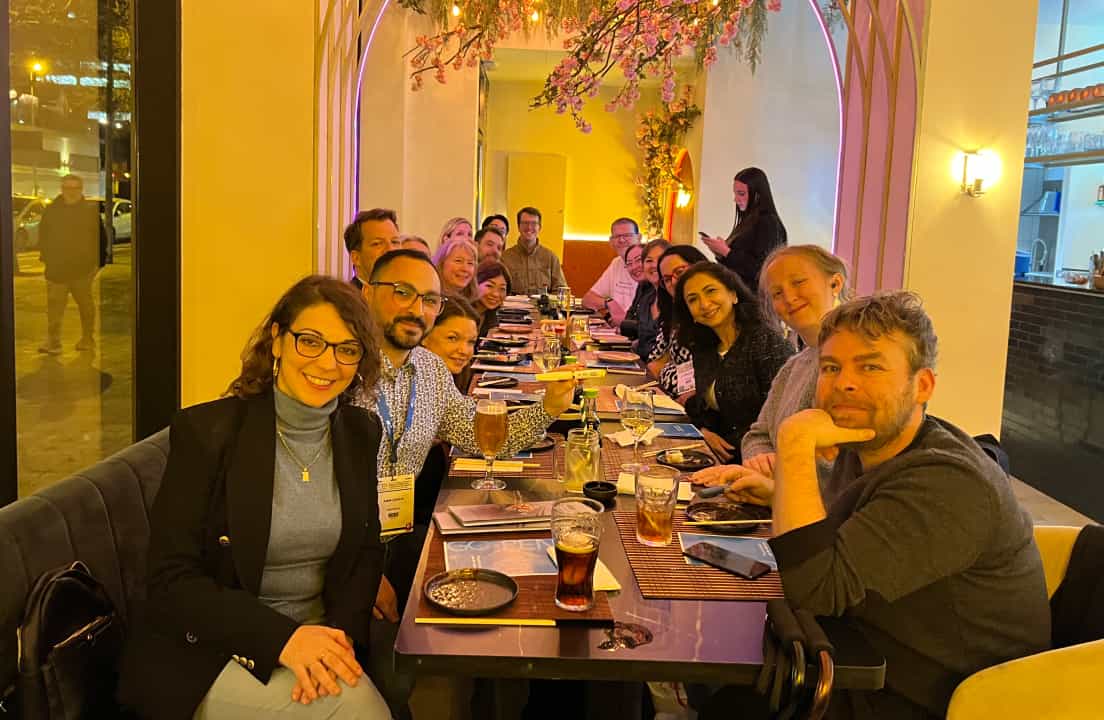
These conversations often extend beyond the scope of presentations and allow ideas to evolve in a more natural and collaborative way.
Across these interactions, a consistent theme emerged: progress in diabetes care is deeply relational. It is shaped not only by research and development but also by ongoing dialogue among diverse stakeholders.
Education and Translation of Knowledge
A recurring focus at ATTD was the importance of education and knowledge translation. Innovation alone is not sufficient unless it can be understood, implemented, and applied effectively.
This includes supporting healthcare professionals in adopting new technologies and ensuring that people living with diabetes can engage meaningfully with emerging tools. Improving accessibility and comprehension remains central to ensuring that advances in care translate into real-world impact.
Where Diabetes Technology is Heading
The overall direction of technology felt consistent, even if the individual products differed. Continuous glucose monitoring (CGM) systems are gradually moving toward multi-signal approaches, including the combination of glucose and ketone sensing. The stated goal is earlier detection of metabolic deterioration rather than reactive correction.
Automated insulin delivery (AID) systems from companies such as Medtronic Diabetes and Ypsomed continue to evolve toward greater autonomy. The trend is toward reducing the number of daily decisions required from users, although “fully hands-off” systems still seem some way off in practice.
Patch-based systems were also more visible this year. Both insulin pumps and sensors are becoming smaller and less intrusive, which is often framed as improving quality of life, but also clearly reflects market competition around usability and design.
A Final Reflection
Attending ATTD in Barcelona brought together multiple dimensions of my work and identity: clinical practice, lived experience, and engagement with innovation in diabetes care.
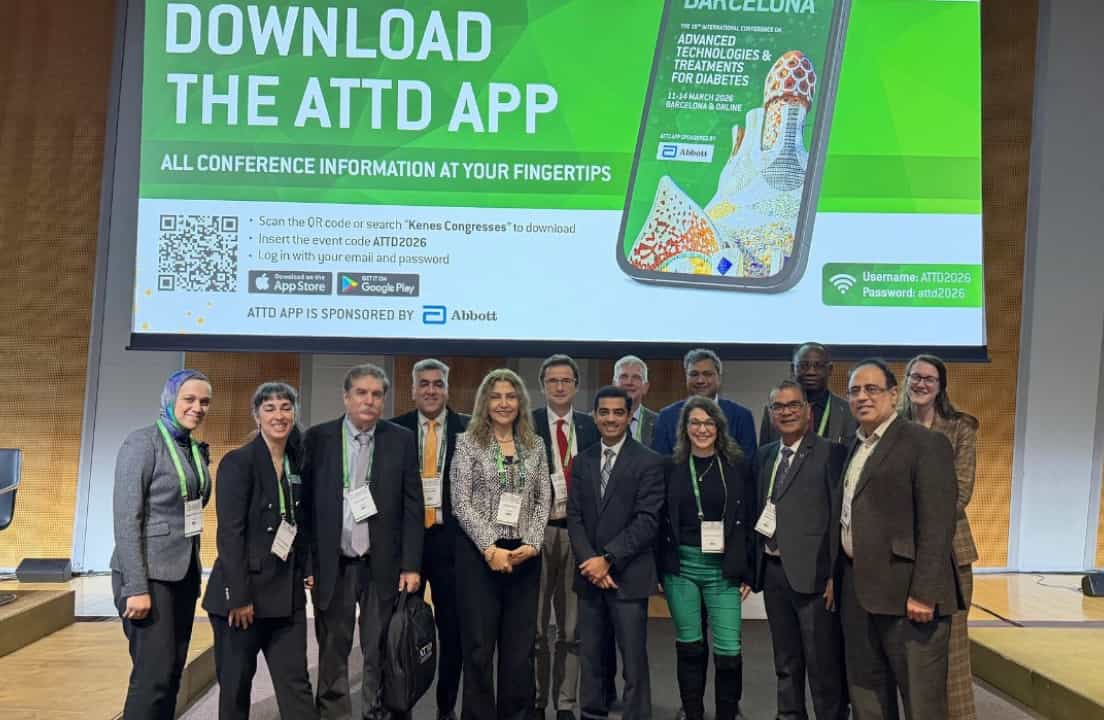
What stood out most was not any single technology or session, but the broader sense of direction across the field. There is clear momentum toward more integrated, intelligent, and personalized approaches to care.
Sharing this experience with Yuta Matsuda added another layer of perspective, particularly through his work with T1D Scout and the conversations that emerged throughout the conference. Ultimately, ATTD reinforced a simple but important idea: progress in diabetes care is not only about what is being developed, but about how people come together to shape what comes next.


.webp)
.jpeg)


.webp)



















.jpg)






.jpg)




.jpg)





%20(1).jpg)






.jpg)

.jpg)
.jpg)
.jpg)
.jpg)
.jpg)
.jpg)
.jpg)

.jpg)
.jpg)

.jpg)

.jpg)
.jpg)
.jpg)

.jpg)
.jpg)

.jpg)
.jpg)
.jpg)


.webp)
.svg)