


T1D Guide
T1D Strong News
Personal Stories
Resources
T1D Misdiagnosis
T1D Early Detection
Research/Clinical Trials
More Than a Better Glucose Tablet: How Friendship and Lived Experience Shaped ZAP Glucose
Over the decades, life with type 1 diabetes (T1D) has changed dramatically. Continuous glucose monitors (CGMs) provide real-time data. Insulin pumps communicate with algorithms that automatically adjust insulin delivery. Smartphone apps can predict glucose trends before they happen. And the diabetes community has digitized.
Yet one of the most common tools people reach for during a low-blood-sugar episode has remained largely unchanged. For years, glucose tablets have been known for their chalky texture, medical packaging, and artificial taste. Some of the dyes used in traditional glucose tablets are even restricted in other countries.
For many people living with type 1 diabetes, glucose tablets have simply been accepted as another unavoidable part of managing the condition. It was a problem hiding in plain sight, and Alex Irikura never questioned that assumption.
Fed Up with Traditional Glucose Tablets
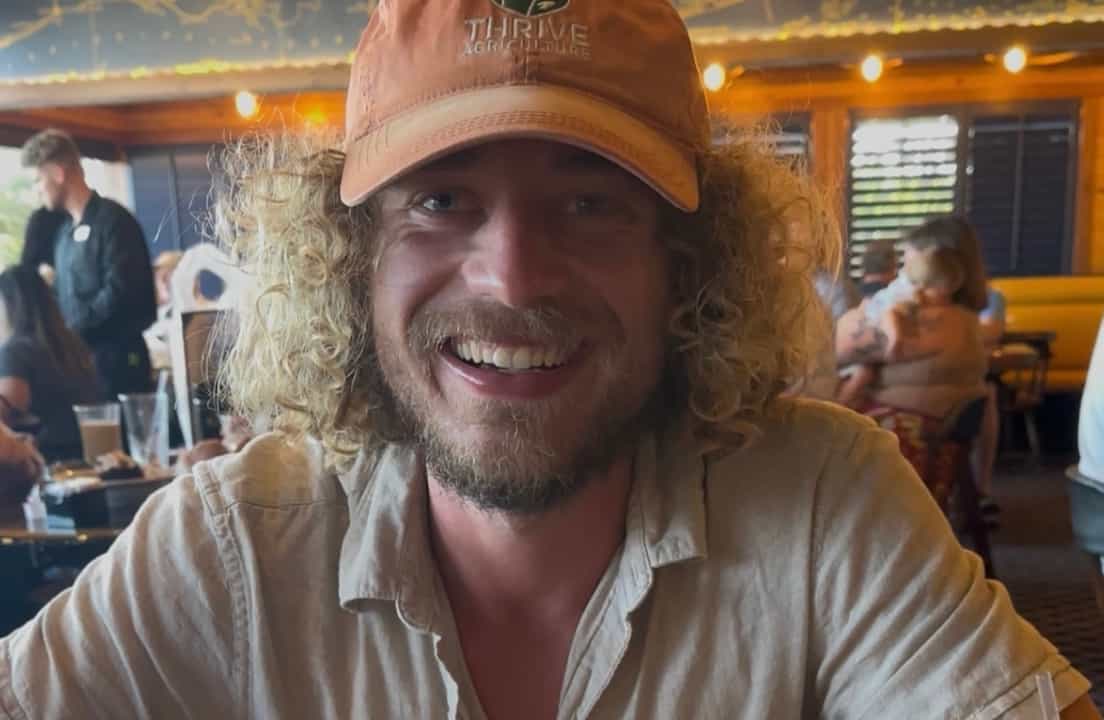
Irikura spent nearly two decades relying on glucose tablets to treat hypoglycemia (low blood sugar). They worked, but they left plenty to be desired.
"I've been frustrated with glucose tablets," he said. "They've been a pretty bad product for the entire time I've been a type one diabetic, almost 20 years."
Like many people living with T1D, Irikura had grown accustomed to carrying glucose tablets everywhere. Their shortcomings had become so familiar that they barely registered anymore.
The familiar taste became a part of regular diabetes burnout cycles.
It took someone without diabetes to recognize that they did not have to stay that way. That person was Ronnie Goodrich.
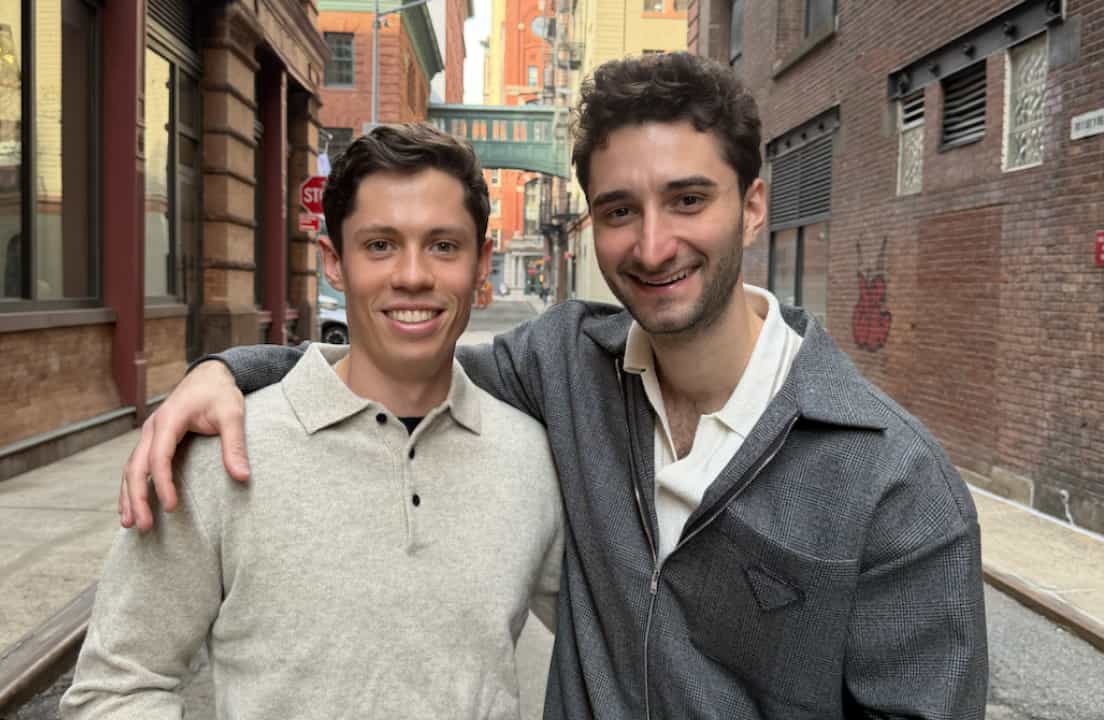
The two have been best friends since childhood, meeting in kindergarten and remaining close through years of life's milestones, including growing up in New York City, experiencing the September 11, 2001 attacks from just blocks away, and eventually pursuing careers that looked very different on paper but shared a common thread of creativity and problem-solving.
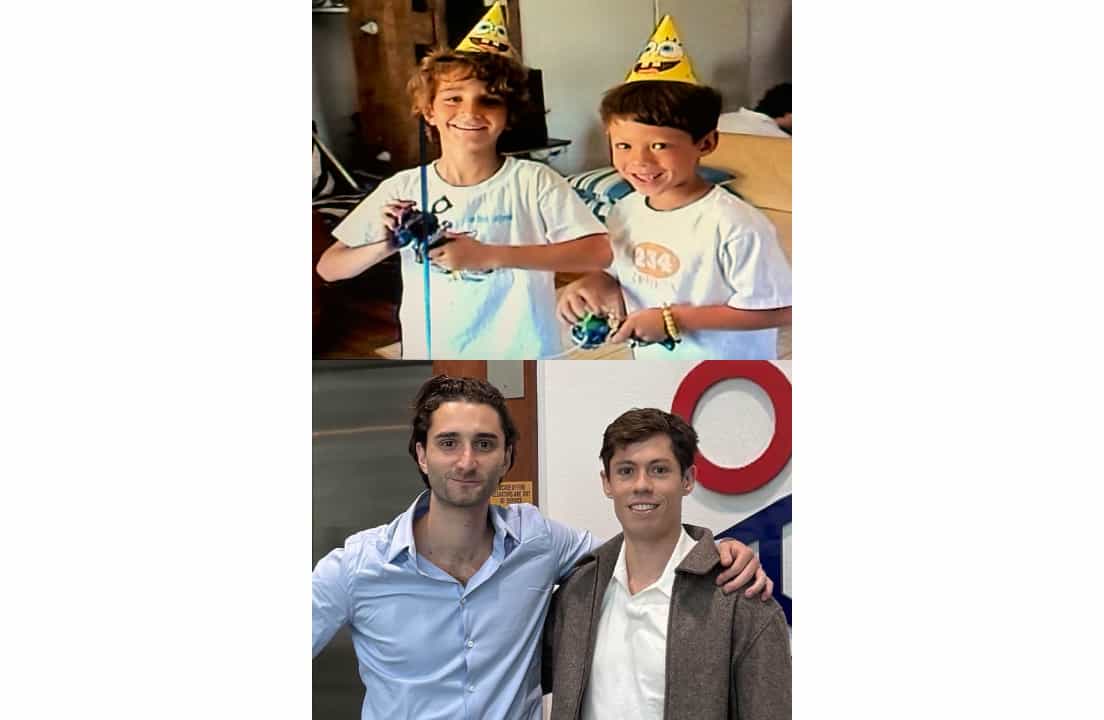
When they reached adulthood, they found themselves returning to a familiar conversation.
Irikura kept complaining about glucose tablets. Goodrich kept wondering why no one had done anything about them.
"We had a moment to create something together," Goodrich said. "That's kind of how ZAP Glucose was born."
The Value of an Outside Perspective
People living with T1D spend years adapting to the realities of the condition.
Carrying emergency supplies becomes second nature. Counting carbohydrates becomes routine. Treating low blood sugar becomes instinctive. It’s all a part of how you survive when living with T1D, and it doesn’t end.
Sometimes those routines become so deeply ingrained that it is difficult to imagine or explore another way of being. It’s human nature to feel comfortable with a familiar problem and uncomfortable with an unfamiliar answer to it.
Irikura believes Goodrich's perspective became one of the company's greatest strengths because Goodrich was willing to question assumptions Irikura had unknowingly accepted. "I serve as the T1D voice and the T1D representative for how that should look," Irikura explained. "Goodrich plays a really valuable role as an outside perspective. As type ones, we can often get used to the way things are and assume this is the way things have to be."
That perspective came into focus during a workout together several years ago. Irikura experienced low blood sugar, reached into his pocket, and pulled out a generic tube of pharmacy-brand glucose tablets. "You open it up, and a puff of chalk comes out, and there's this weird artificial odor," Irikura recalled. "Then you take it out, and it spills all over you."
The moment has become something of a founding story for the company. While Irikura saw another frustrating but familiar diabetes inconvenience, Goodrich saw something entirely different. "He literally couldn't believe that this was the best glucose tablet that could be out there," Irikura said. "I had come to accept that this was just what glucose tablets were. Goodrich really put a finger on the idea that it didn't have to be this way."
For Irikura, that realization shifted something fundamental.
"If I didn't do this," he said, "I can't just count on other people to create this product that I want to see. The only way to guarantee that it got made would be to do it ourselves."
Designing a Glucose Product for Someone who Actually Uses It
People with technical expertise often design healthcare products. Fewer are designed by someone who personally depends on them every day. Irikura believes that distinction shaped nearly every decision they made. Unlike many low blood sugar treatments, glucose tablets offered something he wasn't willing to give up—precision.
While juice boxes, gels, and candy all have a place in diabetes management, they can be difficult to portion during a stressful low. A juice box may contain more carbohydrates than someone needs. Candy requires estimating serving sizes. Gels are often designed to be consumed all at once.
For Irikura, glucose tablets solved a different problem. "They're super portable and very precise," he said. "If my blood sugar was 70 (mg/dL), I might only want two glucose tablets, whereas with a juice box or a gel, it's very hard to dose that out."
That level of control becomes especially important for people who carefully adjust insulin doses throughout the day.
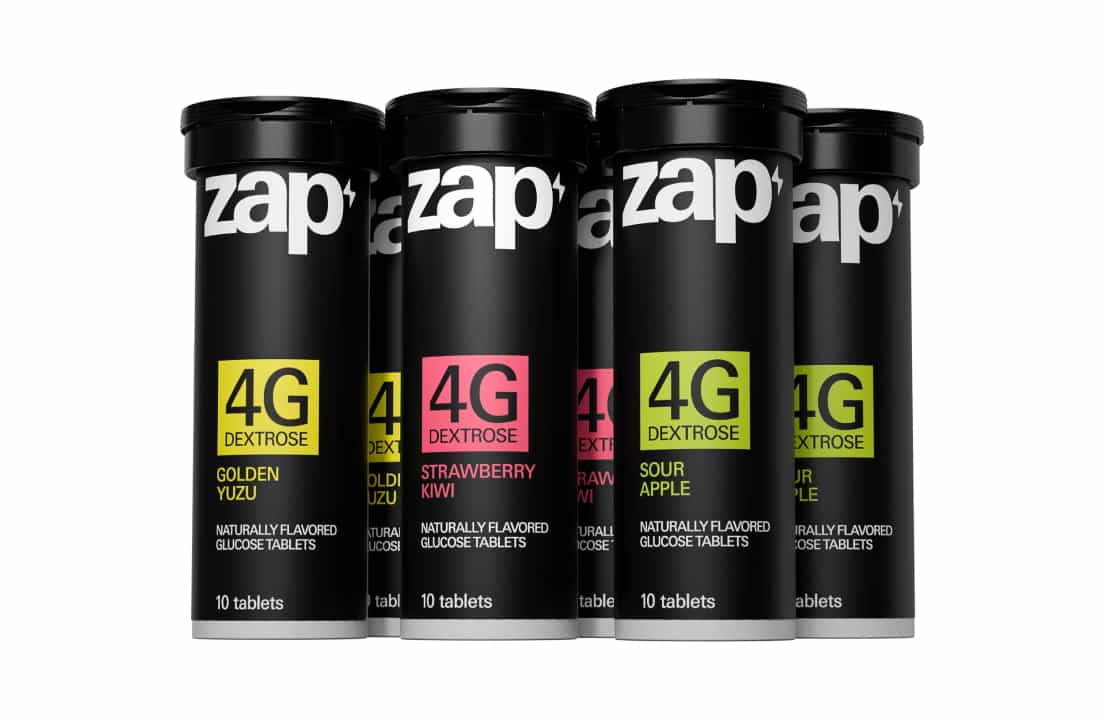
"We have a little split line on ours where you can easily just break it in half," Irikura explained. "Even just being able to take four or six grams versus taking a full eight grams for me can spike my blood sugar if I'm doing exercise or something like that."
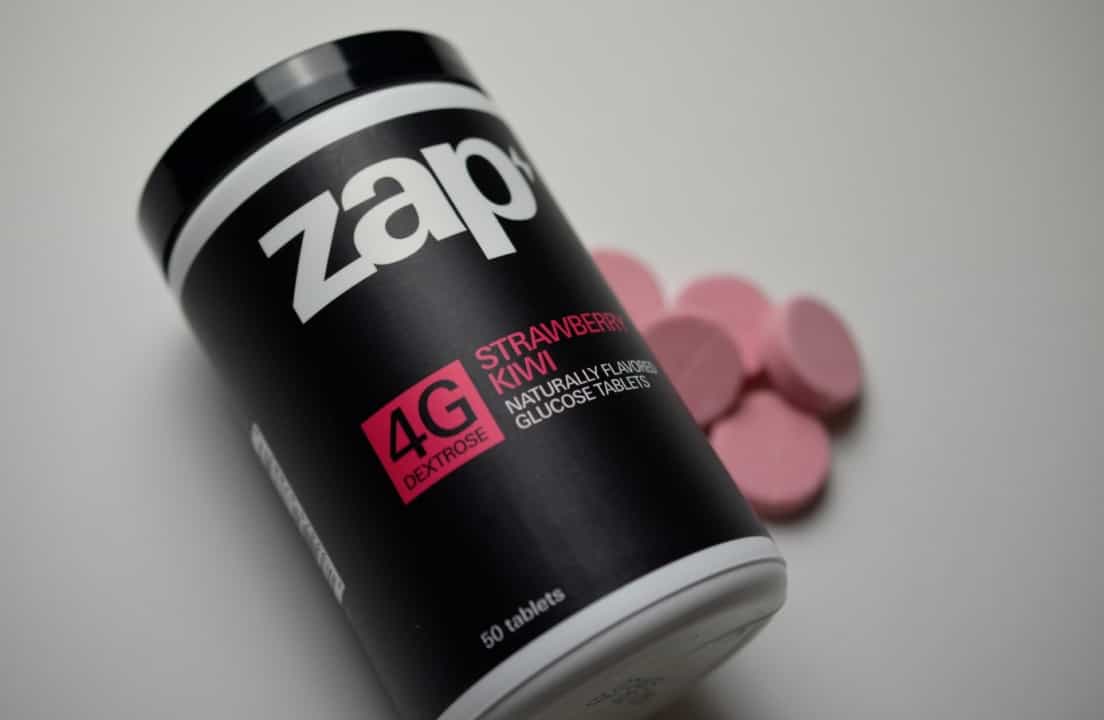
His comments highlight a reality that people without diabetes may never consider—treating low blood sugar is not simply about consuming sugar. It’s about consuming enough glucose to safely raise blood sugar without creating another problem an hour later. No one wants a rebound high blood sugar.
That balancing act is one many people living with T1D know well. The goal is rarely to eat as much sugar as possible. The goal is precision. That’s why so many people with T1D avoid candy to treat lows, and many healthcare professionals recommend against it because it often contains fewer quality ingredients and can encourage a lack of self-control. That philosophy became a core principle of ZAP Glucose, not because precision was a marketing edge, but because it reflected how Irikura already handled his diabetes daily.
More than Flavor
Of course, precision alone was not enough. If glucose tablets were going to become something people actually wanted to carry, they needed to solve another problem that nearly every person with T1D recognizes immediately—taste.
Existing glucose tablets, Irikura said, often feel like products designed for people who have never had to eat several of them in one sitting.
"It doesn't feel like they were designed by people with type one diabetes," he said. "It feels like someone took a bite of one and said, 'Okay, good enough.' They don't realize we're taking four, five, six of these at a time. That's when the flavor fatigue and the chalkiness really start to set in."
Creating something different proved far more difficult than either founder anticipated. Irikura, who worked professionally as a software engineer before launching the company, suddenly found himself learning about food manufacturing, ingredient sourcing, packaging, and supply chains from the ground up. "I had no experience in manufacturing or food and beverage before we started ZAP," he said. "It's more feasible than I expected, but it also just takes so much longer than you think."
The work became an exercise in patience. The pair went through repeated manufacturing delays, reformulations, ingredient decisions, and flavor testing before settling on the final product.
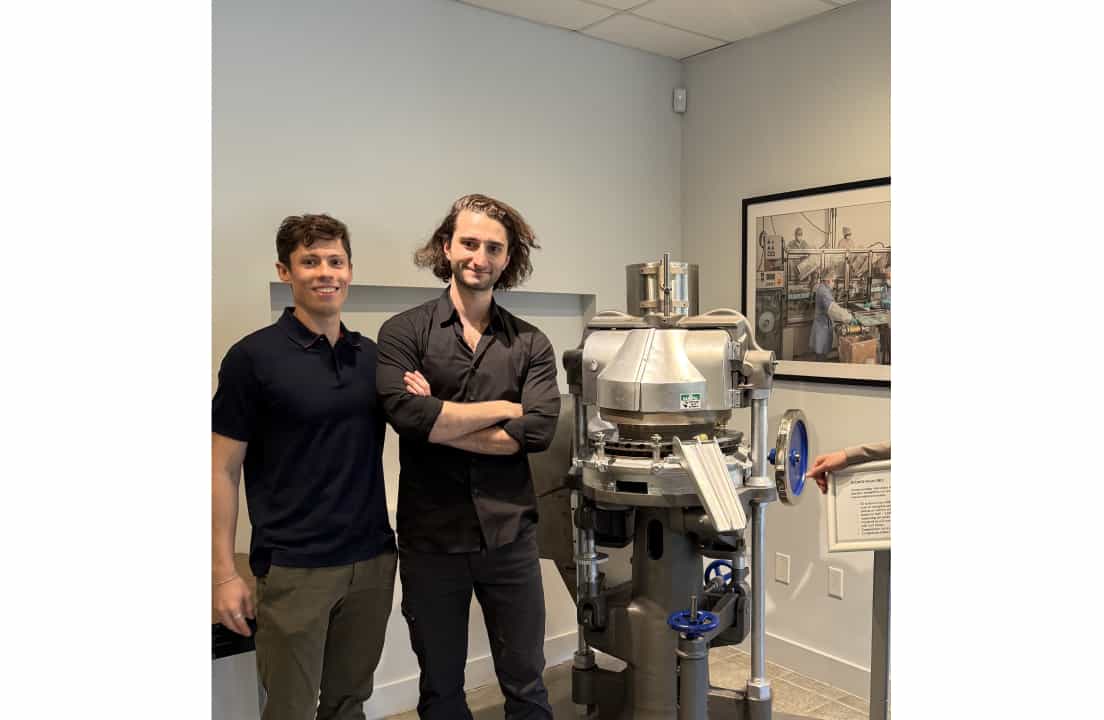
"It takes a ton of time," Irikura said. "We went back and forth with the tasting departments to get to a texture and flavor that actually tasted really good while still having the four grams of dextrose and reliability that you would expect."
Goodrich remembers those months with a smile. "We had a full glucose library by the end of it," he said. "We tried every single glucose tablet that exists, every candy that's in the family of it."
The research extended well beyond pharmacy shelves. They sampled glucose tablets from Europe and Japan, revisited familiar childhood candies like Sweet Tarts for inspiration, and evaluated nearly every product they could find in the United States.
"We tried everything from Walmart to Walgreens to CVS," Goodrich said. "They were all subtly different and equally terrible."
The comment drew laughter from the pair, but it also underscored the seriousness of their approach. Neither founder wanted to create something simply because the category lacked competition—they wanted to create the product Irikura wished he had been carrying since childhood.
The Advocate Behind the Founder
Although Irikura's experience with T1D influenced the product, Goodrich's role was equally crucial in launching the company. Their partnership goes beyond job titles.
Goodrich describes himself as the storyteller behind the brand, helping translate Irikura's experiences into language that resonates with the broader diabetes community. "I'm trying to create a voice for the brand and help Irikura find his voice," Goodrich said.
Over time, that work became deeply personal. Although Goodrich does not live with T1D, he immersed himself in the online diabetes community, learning its humor, culture, language, and shared experiences. Irikura laughed that Goodrich knows many of the community's memes better than he does.
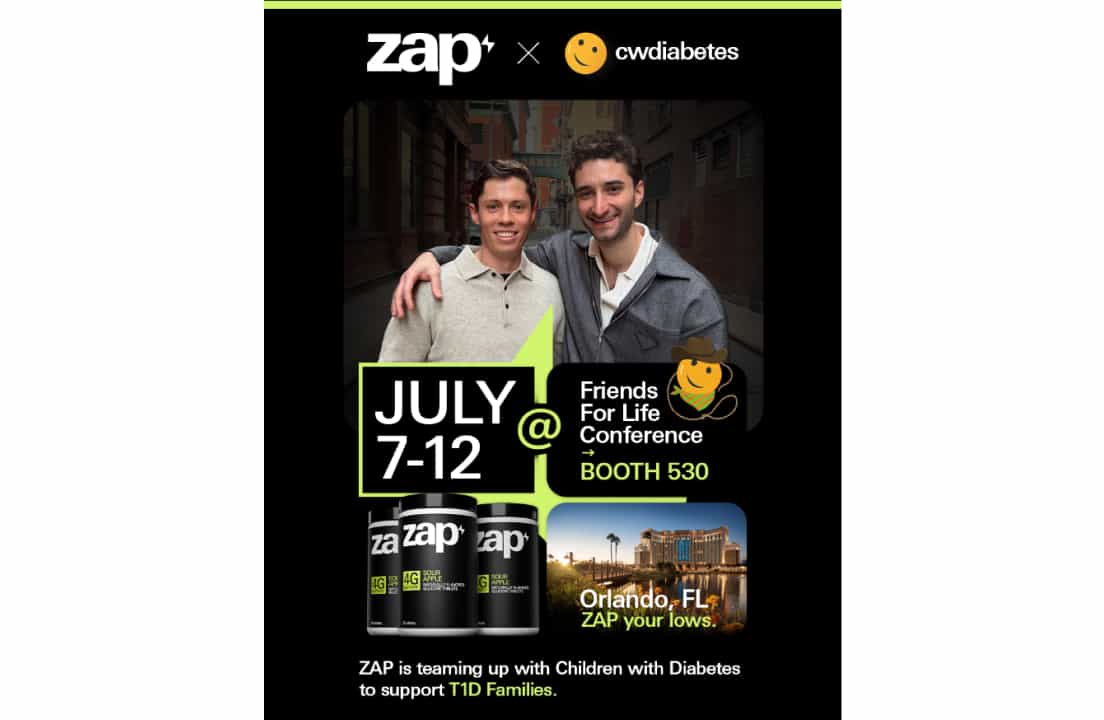
"I like to say Goodrich's an honorary type one diabetic," Irikura joked. "He's so involved in the social media aspect and the T1D TikTok that he knows the memes better than me."
The comment reflects something larger than social media, and it’s only one that a person with T1D can make to honor someone without diabetes. Every person living with T1D benefits from having someone willing to learn alongside them.
Sometimes the key person is a spouse, sibling, or parent. For Irikura, it was a close friend who, during a workout, noticed a dusty tube of glucose tablets and asked a question Irikura had long since stopped asking: Why does it have to be this way?
Building With the Community, Not Just for It
As Irikura and Goodrich prepared to introduce ZAP Glucose —officially launching in late July 2026—to the broader diabetes community, one thing surprised them more than anything else: people quickly understood why they had built it.
"We were reaching out to people because we were sending out free samples," Goodrich said. "The surprise was how many people thought this was a great idea and had actually had the idea themselves, but could never have materialized it."
For Goodrich, those conversations reinforced that they were solving a problem people had quietly accepted for years. For Irikura, the response carried another meaning.
As someone who grew up without knowing anyone with T1D in person, he found a sense of belonging in the online diabetes community while training for his first marathon. He credits other athletes living with T1D for helping him realize that completing 26.2 miles was possible and for sharing practical advice that shaped his own approach to diabetes management.
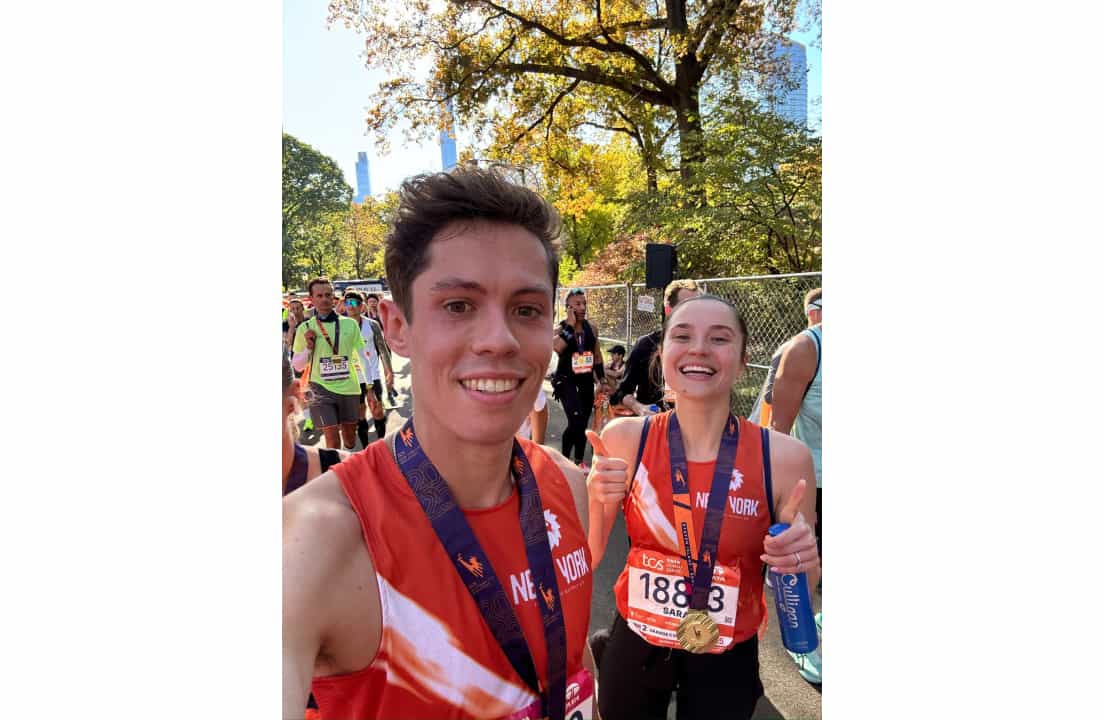
That experience changed how he viewed the diabetes community. Instead of simply creating a product for people with T1D, he found himself building alongside them.
"I think people have been really supportive of us," Irikura said. "It really feels like people want to see us succeed."
That support has reinforced something both founders emphasized throughout the interview: authenticity matters.
Unlike many consumer products, diabetes tools become part of someone's daily life. They travel in backpacks, purses, gym bags, desk drawers, and nightstands. They appear during moments of celebration, frustration, uncertainty, and sometimes fear. They also appear in emergencies that feel like life-or-death.
People notice when those products are designed by someone who truly understands those moments.
"I think one of our differentiators is our authenticity," Irikura said. "I'm a type one diabetic. Goodrich's an honorary type one diabetic. We're really creating this not as a get-rich-quick scheme, but something to improve my own life, and hopefully not just my life, but also anyone who relies on glucose for hypoglycemia."
That authenticity extends beyond the product itself. It is a reminder that advocacy takes many forms.
When Innovation Meets Real Life
As diabetes technology continues to evolve, there is every reason to expect that insulin delivery systems, CGM devices, and automated algorithms will become increasingly sophisticated. Yet people living with T1D will still experience hypoglycemia. They will still need fast-acting carbohydrates. They will still make dozens of small decisions every day that most people never see.
And yet, it’s never invisible to those living with it. In fact, it is very present and loud. It should be addressed just as urgently.
For Irikura, improving one of those moments became worth years of trial, error, and persistence. For Goodrich, it became an opportunity to stand beside his best friend and help translate one person's lived experience into something that could benefit an entire community.
Their story is ultimately about much more than a glucose tablet.
It is about what can happen when lived experience meets fresh perspective, and refusing to accept that "good enough" has to stay good enough.


.webp)


.jpeg)


.webp)













.jpg)






.jpg)



.jpg)





%20(1).jpg)






.jpg)

.jpg)
.jpg)
.jpg)
.jpg)
.jpg)
.jpg)
.jpg)
.jpg)
.jpg)

.jpg)
.jpg)
.jpg)

.jpg)
.jpg)

.jpg)
.jpg)
.jpg)
.jpg)

.jpg)


.webp)
.svg)