


T1D Guide
T1D Strong News
Personal Stories
Resources
T1D Misdiagnosis
T1D Early Detection
Research/Clinical Trials
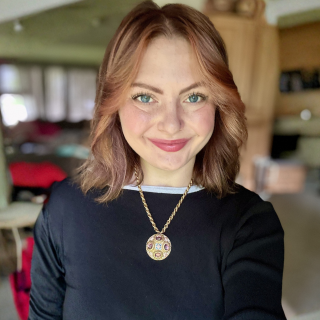
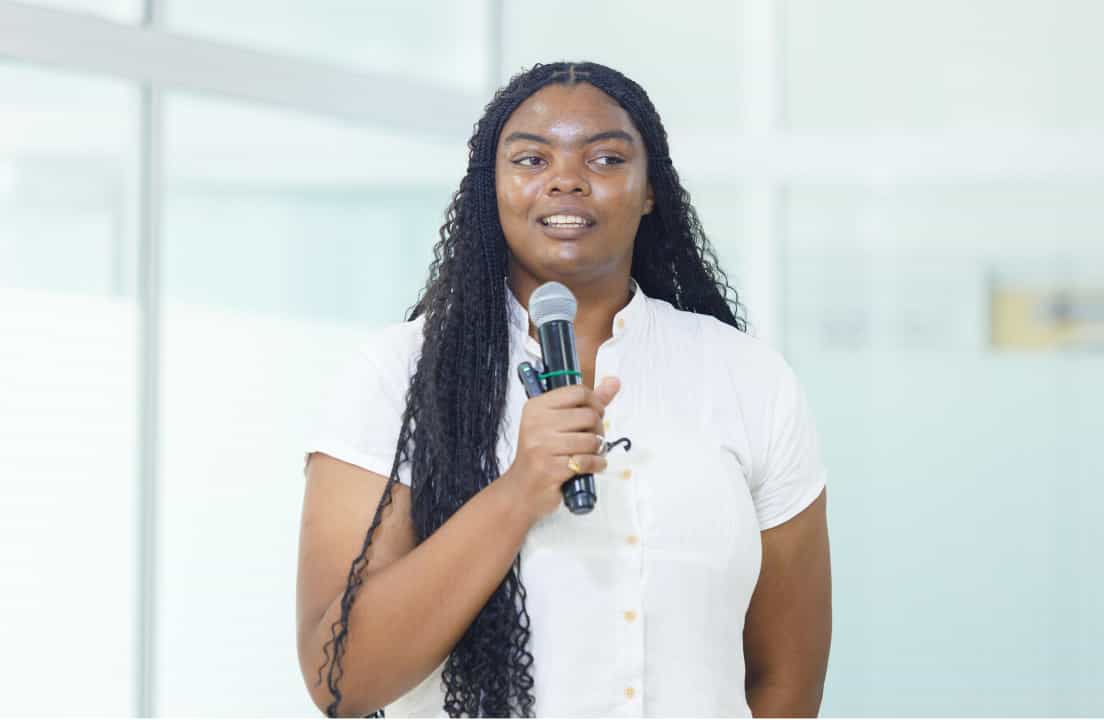
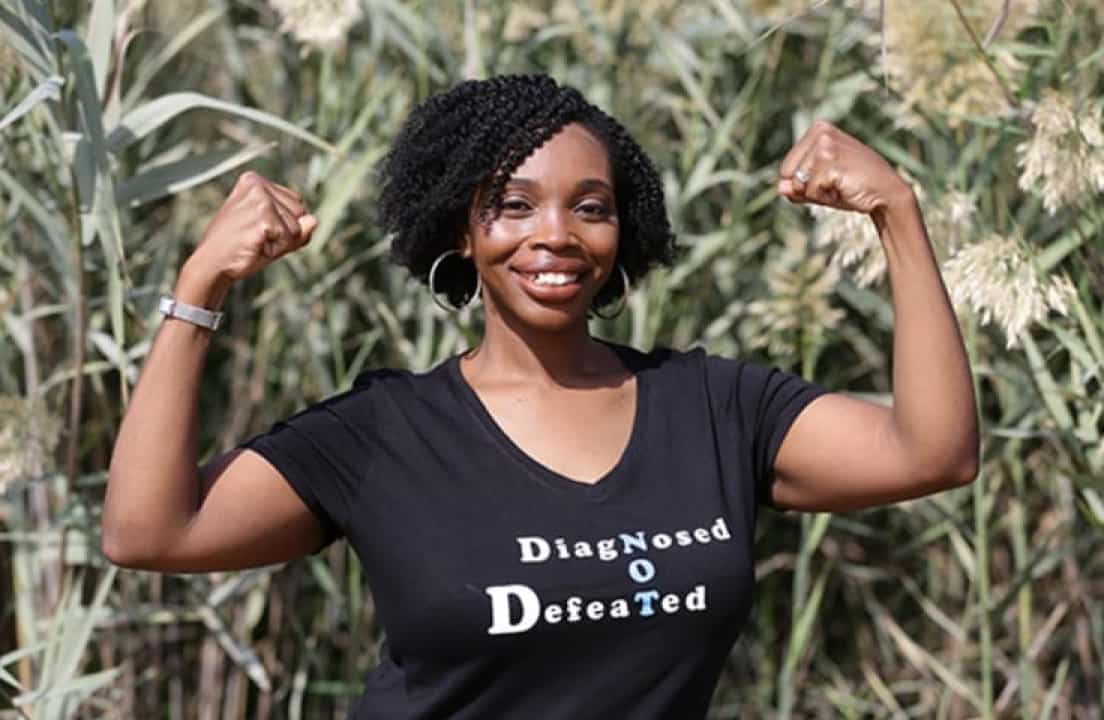
Portia Benbow: How Type 1 Diabetes Inspired a Mission for Health Equity
Living with type 1 diabetes (T1D) for more than two decades has taught Portia Benbow that managing the condition takes more than insulin. Access to diabetes care, education, technology and community can shape a person’s health and quality of life.

.jpeg)
After facing many of those challenges herself, Benbow founded DiaBeating The Odds to address diabetes health equity and help others find the support and resources she once needed.
A Diagnosis at 11
Benbow was 11 years old when she was diagnosed with T1D in 1999. She had been a healthy, active child who played sports and spent much of her time outdoors. Then she began losing weight, drinking water constantly and frequently using the bathroom.
Her father had recently returned from a military tour overseas and noticed her weight loss. Her mother searched her symptoms online and found that they could be signs of diabetes. Benbow’s grandmother, who lived nearby, had type 2 diabetes, so the family went to her house to check Benbow’s blood sugar.
The meter simply read “HIGH.”
She was rushed to the hospital. Her family knew about diabetes, sometimes called “the sugar” by older relatives, but they did not know much about the different types or that children could develop it.
Suddenly, she had to learn how to check her blood sugar, give herself insulin injections and count carbohydrates. “I remember being so scared because everything literally changed overnight.”
As a child, she did not fully understand what it meant to live with a lifelong condition. She did understand that her life was now different from that of other children.
“What I remember most is thinking how unfair this was,” she said. “What did I do to get this?”
For years, she managed it out of necessity rather than acceptance. “I was in survival mode,” she said.
Growing Up Without a T1D Community
Benbow’s family supported her, but growing up often felt isolating. Her friends could attend birthday parties, sleepovers and sporting activities without much planning. She had to think about insulin, blood sugar, food and what would happen if she needed help.
She wanted to play travel sports in middle school and high school, but her family decided against it because they worried about her traveling without them.
As she got older, she began to understand the difference between being loved and being understood. Her parents supported her, but they could not fully understand the mental and emotional demands she faced every day because they were not living with it themselves. She also did not know other young people with type 1 diabetes.
“What I was missing wasn’t love or support. It was community.” That realization would eventually influence the work she chose to do as an adult.
Learning to Live With Diabetes Technology
Like many teenagers, Benbow wanted to fit in. She wanted to play sports, spend time with friends and wear the clothes she liked without her diagnosis being visible.
Accessing new technology presented another challenge. A health care provider told her she needed to get her blood sugars under better control before she could get an insulin pump. She questioned the reasoning because she believed a pump could help her do exactly that.
She eventually changed providers and gained access to one. But wearing the device brought an unexpected emotional challenge. “When I finally got an insulin pump, I was ashamed of it.” She did not want the pump showing through her clothing. She also avoided checking her glucose or taking insulin in front of others.
Years later, she faced similar feelings about wearing a continuous glucose monitor (CGM). Having multiple devices attached to her body made her feel “like a robot.”
Eventually, she tried a CGM. “Once I finally started wearing it, my life changed tremendously, and my numbers were better than ever.”
Looking back, she recognizes how much energy she spent trying to keep that part of her life hidden.
The Financial Cost of Care
Money created another challenge. Benbow’s parents were working-class, and even with health insurance, the family sometimes had to make difficult decisions about medications and supplies.
Those concerns did not disappear in adulthood. Expenses can still affect whether she purchases 30 days or 90 days of supplies at once, particularly before meeting an insurance deductible.
Those experiences shaped how she thinks about access to care.
A treatment or technology may exist, but that does not mean everyone who needs it can obtain or afford it. For her, those differences are part of the larger conversation about diabetes health equity.
Finding the Type 1 Diabetes Community She Needed
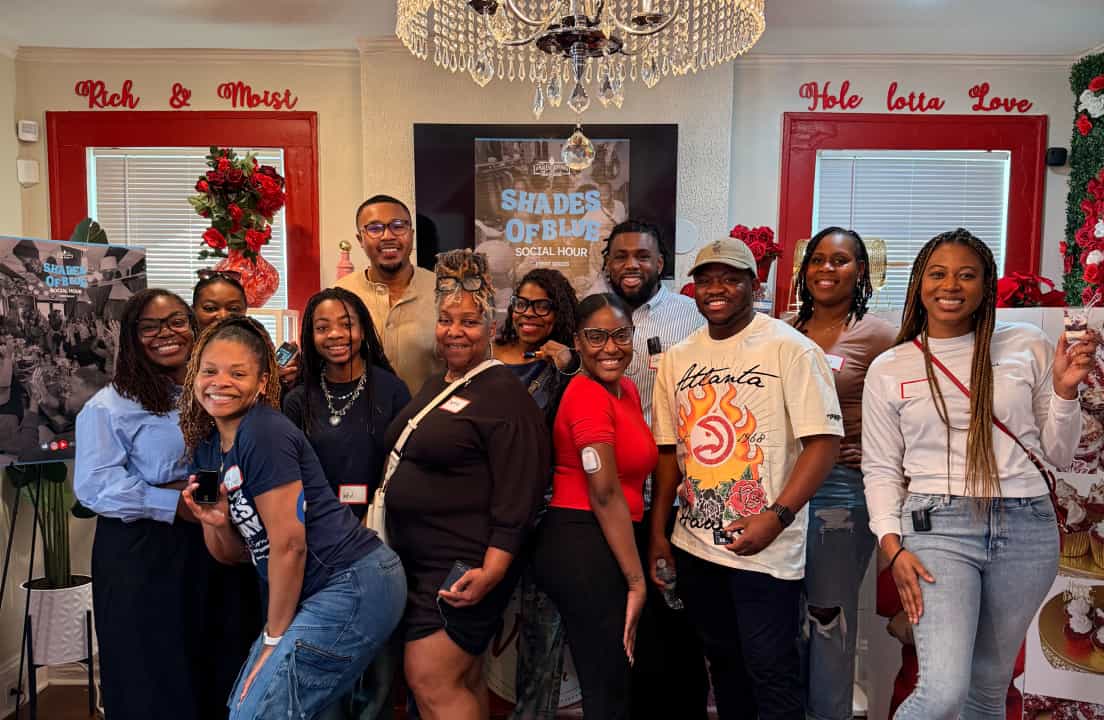
One of the biggest changes in her life came in her early 30s when she finally met others who shared her experience. After years of feeling as though she had to explain herself, she was around people who already understood.
They knew why a device might suddenly beep. They understood the constant planning around insulin, food, exercise, stress and travel. They also knew how unpredictable glucose readings could be.
For years, she had allowed those numbers to affect how she viewed herself. Over time, she learned a different lesson. “You are not your numbers.”
She began focusing on progress instead of perfection and gave herself more grace when things didn't go as expected.
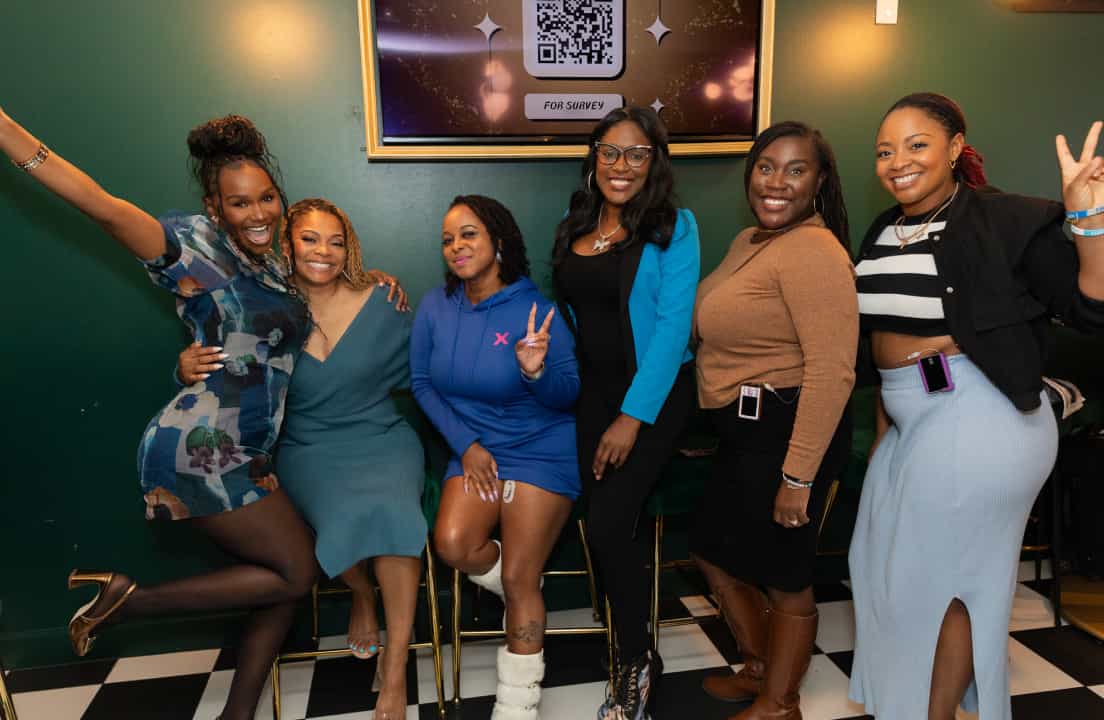
“My life truly changed when I found my T1D community in my early 30s. For the first time, I didn’t feel like I had to explain myself.” The experience gave her something she had been missing since childhood: a sense of belonging among people who understood the daily realities firsthand.
When Personal Experience Became Advocacy
Benbow’s professional career has focused on community impact and engagement. Through that work, she saw how health can be influenced by factors outside a doctor’s office. Transportation, income, education and food security can affect a person’s ability to care for their health.
Over time, she began connecting those issues with her own experience. Blood sugars were only one part of the picture. Affordability, education, mental health and social support could also influence her health and quality of life.
Her personal journey and professional work were beginning to intersect. That eventually led to DiaBeating The Odds.
Creating DiaBeating The Odds
She never imagined that starting a nonprofit organization would become part of her story. No single moment led to its creation. Instead, a series of conversations, experiences and connections began coming together at the same time.
She often found herself in spaces where people needed education, resources and opportunities to connect. They also needed places to spend time together without their diagnosis being the sole focus.
Those experiences made her think about what had been missing from her own life while growing up. “I realized that the things I had spent so many years wishing I had were things I could help create for someone else.”
In 2023, she launched DiaBeating The Odds. The organization focuses on diabetes education, awareness, access and connection while addressing real-life barriers that can make day-to-day care more difficult.
Diabetes Health Equity and Barriers to Care
Access to accurate information and education is one of the challenges DiaBeating The Odds works to address. Benbow believes that information should also be culturally relevant and reflect the communities receiving it.
Other barriers can include limited access to specialists and preventive care, transportation problems, food insecurity, insurance issues and the cost of medications, technology and supplies.
Trust can create another obstacle. Some people may hesitate to seek care or discuss their needs, making welcoming spaces for honest conversations especially important.
“People aren’t struggling because they don’t care about their health. They’re often navigating a complex, lifelong condition without the information, resources, access and support they need to be successful. ”
Those barriers are central to her view of diabetes health equity.
“Everyone doesn’t start from the same place.”
One person may struggle to afford insulin and supplies while another may have difficulty finding an endocrinologist or transportation to an appointment. Even advice about food can be difficult to follow when nutritious options are unaffordable or unavailable nearby. These differences can directly affect a person’s ability to care for themselves.
Supporting Mental and Emotional Well-Being
The challenges are not only physical. The constant decision-making, blood sugar fluctuations and demands of daily care can contribute to stress, fear and burnout. Having people who understand can help ease some of that burden.
DiaBeating The Odds created Finding Peace in Chronic Illness to address the emotional side of living with a chronic illness. The program includes activities such as yoga, journaling and open discussion.
Building a Stronger Diabetes Community
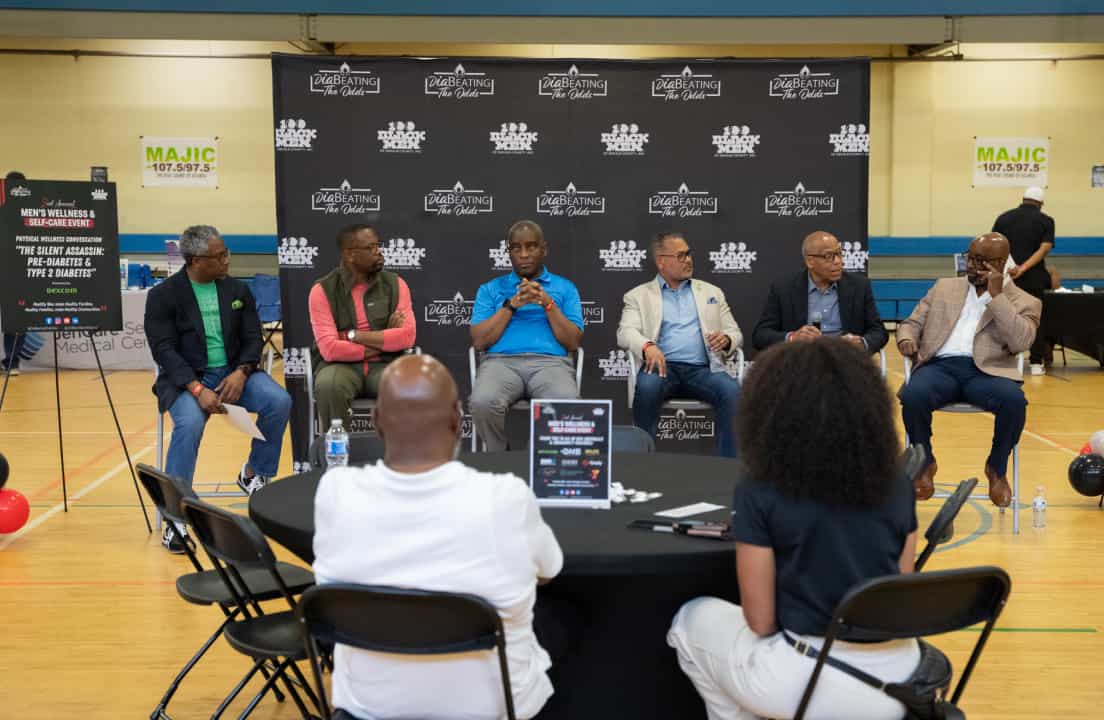
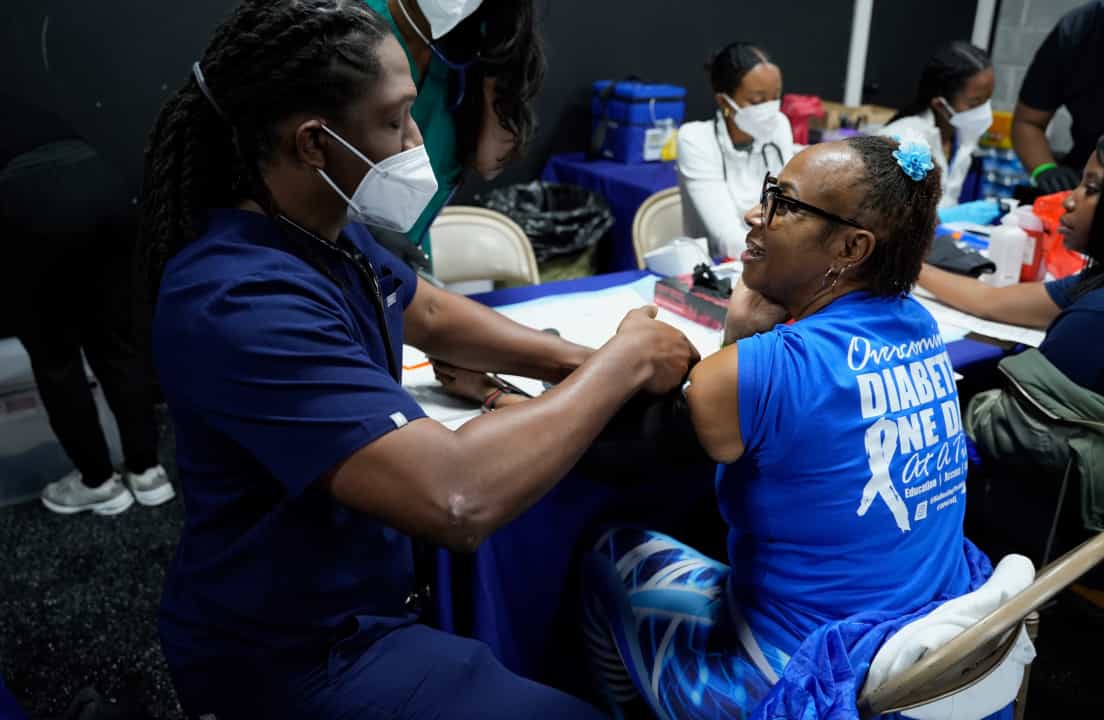
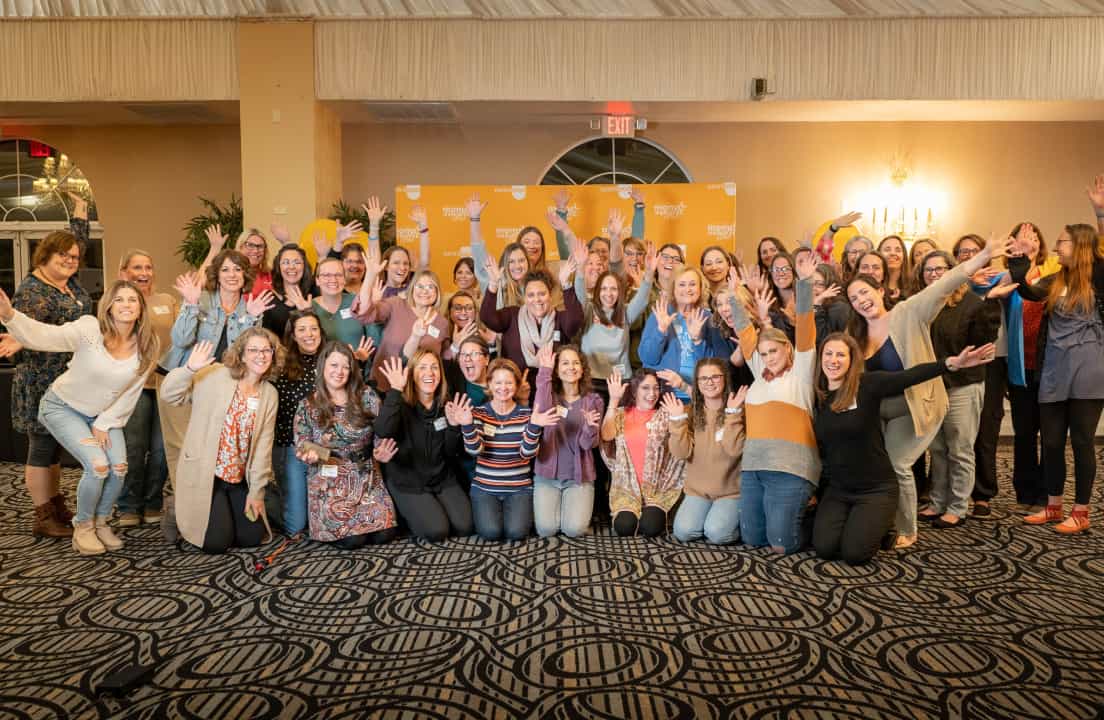
DiaBeating The Odds also holds four to five larger community programs each year, along with smaller meetups. Programs may include educational sessions, health screenings or conversations about prevention and management.
Not everyone who attends lives with diabetes. That is intentional. Someone may initially come for a fitness activity, food or time with friends, then leave with useful information or a connection that could help them or someone they know. Benbow describes the approach as planting a seed.
Some of the moments Benbow values most are simple ones. Someone may tell her they thought they were the only one facing a particular challenge. A newly diagnosed person might need help finding an endocrinologist. A parent may want to meet another parent raising a child with type 1 diabetes.
Someone without insurance may not know about a patient assistance program. Sometimes the most useful thing DiaBeating The Odds can do is help make the right connection.
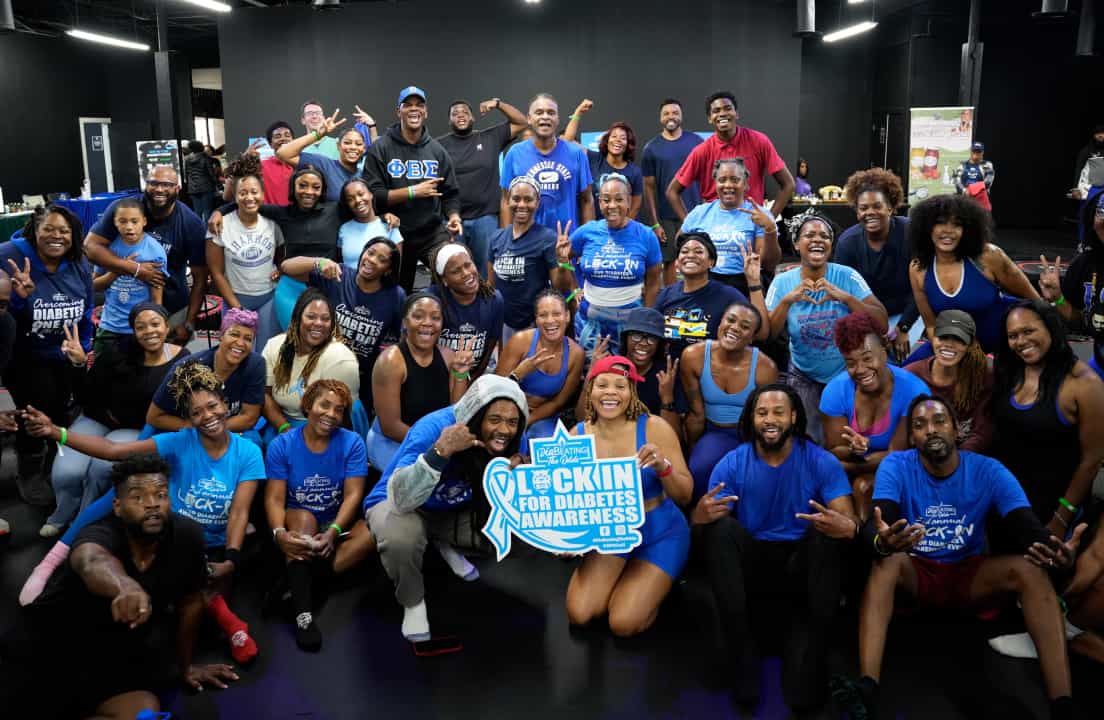
Since launching the organization, she has been particularly proud of the trust it has built. People return, bring family and friends and reach out when they need help. Health care providers and other organizations have also become partners.
Looking ahead, she hopes to expand those partnerships and reach more people throughout Georgia.
Her relationship with her diagnosis has changed along the way. The 11-year-old who once wondered what she had done to deserve it spent years trying to keep that part of her life private. Today, those experiences help guide the work she does for others.
“Your pain does not have to be the end of your story.”
For Benbow, improving diabetes health equity requires looking beyond what happens in a doctor’s office. It means understanding the circumstances people face in their everyday lives and making sure they have meaningful opportunities to care for themselves.
“I believe it is the community’s job to take care of the community.”
It is the kind of connection she once needed herself.


.webp)


.webp)
















.jpg)



%20(1).jpg)



.jpg)
.jpg)
.jpg)
.jpg)
.jpg)
.jpg)
.jpg)
.jpg)
.jpg)
.jpg)
.jpg)

.jpg)
.jpg)
.jpg)
.jpg)
.jpg)

.jpg)

.jpg)
.jpg)

.jpg)

.jpg)
.jpg)


.jpg)
.jpg)

.jpg)
.jpg)
.jpg)
.jpg)
.jpg)

.jpg)
.jpg)
.jpg)
.jpg)
.jpg)
.jpg)

.jpg)
.jpg)

.jpg)
.jpg)
.jpg)


.webp)
.svg)