


T1D Guide
T1D Strong News
Personal Stories
Resources
T1D Misdiagnosis
T1D Early Detection
Research/Clinical Trials
His Type 1 Diagnosis Wasn’t the Beginning: It Was the End of Years of Uncertainty
After decades of unexplained symptoms, David was diagnosed with type 1 diabetes (T1D) at age 44 following a life-threatening diabetic ketoacidosis (DKA) episode. Today, his experience as a father and patient advocate drives his call for earlier recognition, better screening and more understanding of adult-onset type 1 diabetes.
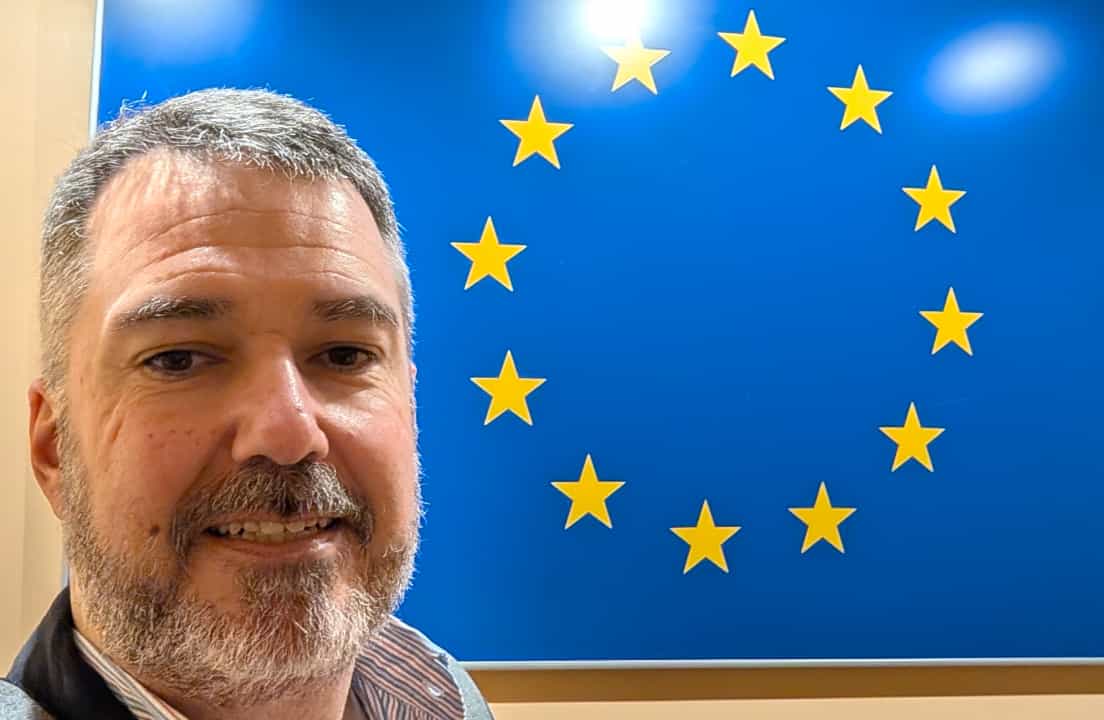

I Thought It Was Just the Way I Was
When David looks back at his life before diagnosis, one of the things that surprises him most is how easily he adapted to symptoms that should have raised questions. He remembers always being thirsty, always needing water and being known by people around him as someone who never went anywhere without a bottle.
He remembers a level of exhaustion that did not seem to have a clear explanation. He also remembers episodes of losing consciousness, something that today he sees differently, but that at the time became part of what he considered normal.
For many people living with undiagnosed conditions, this is one of the biggest challenges. Symptoms that appear gradually can become part of everyday life.
Adults with Latent Autoimmune Diabetes in Adults (LADA) develop symptoms slowly, often over months or even years. This gradual loss of insulin allows many adults to manage initial stages without injections, making it look like type 2 diabetes.
Instead of thinking, “Something is wrong,” people often think, “This is just how I am.” David believes that is exactly what happened to him.
His story also reflects how perceptions of type 1 diabetes have changed over time. Growing up in Spain during a period when awareness and medical resources were very different from today, type 1 diabetes was not something people commonly associated with adults. It was considered, by many, a childhood condition.
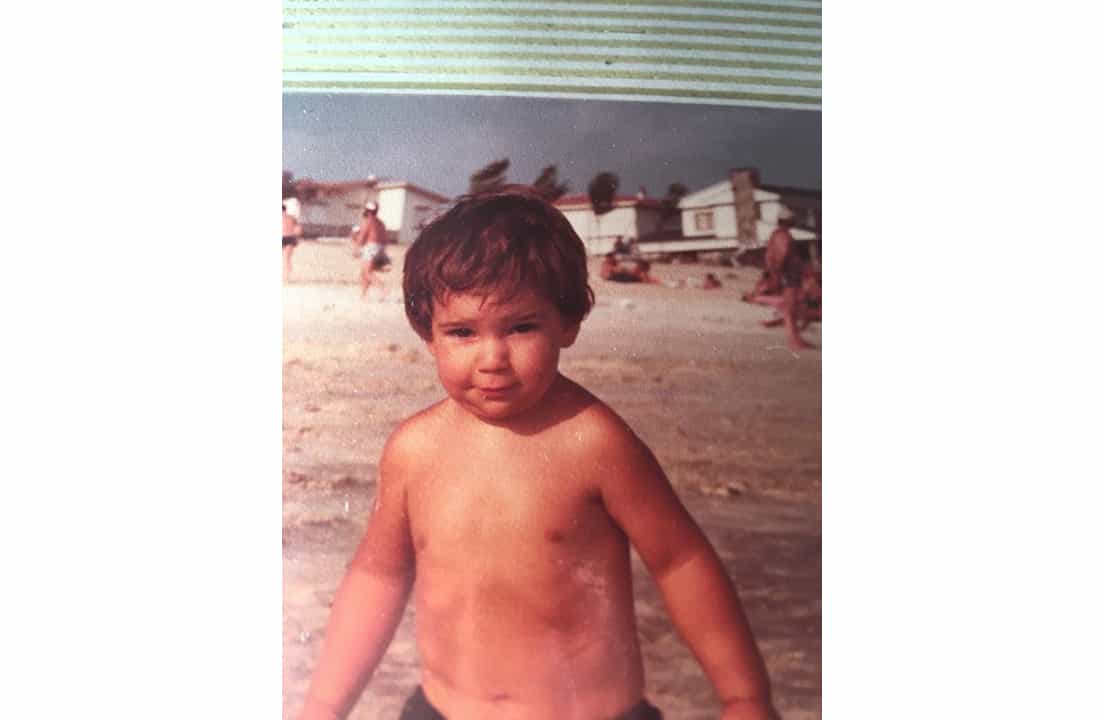
As David grew older, the possibility that his symptoms could be related to type 1 diabetes became less obvious, not more.
Nobody Thought It Could Be Type 1 Diabetes
David was 44 when he finally received his diagnosis. The moment came not through routine screening or an early conversation with a doctor, but through a medical emergency.
He developed diabetic ketoacidosis, a serious complication that occurs when the body does not have enough insulin. His glucose levels had risen dramatically, and he ended up in a coma, requiring life support. After years of unexplained symptoms, the answer finally arrived—but only when his body had reached a critical point.
“People call it the debut,” David says when talking about diagnosis. “But for me, it wasn’t the beginning. It was the end.”
For him, the diagnosis represented the end of a long period during which his immune system had been damaging his insulin-producing cells without anyone knowing. It was the end of years of uncertainty about why he felt the way he did. It was also the beginning of a completely different life, one defined by insulin, diabetes management and the search for answers.
From Answers to Action
After diagnosis, repeated testing confirmed that David has no measurable C-peptide and no remaining insulin production. He was completely dependent on exogenous insulin. While he understands that every person’s diabetes journey is different, his own experience has made him deeply concerned about delayed diagnosis, especially among adults.
One of the reasons he became so engaged in advocacy was the feeling that many people still do not know type 1 diabetes can appear later in life. He believes that adults with symptoms are sometimes overlooked because the affliction does not fit the image many people still have of type 1 diabetes.
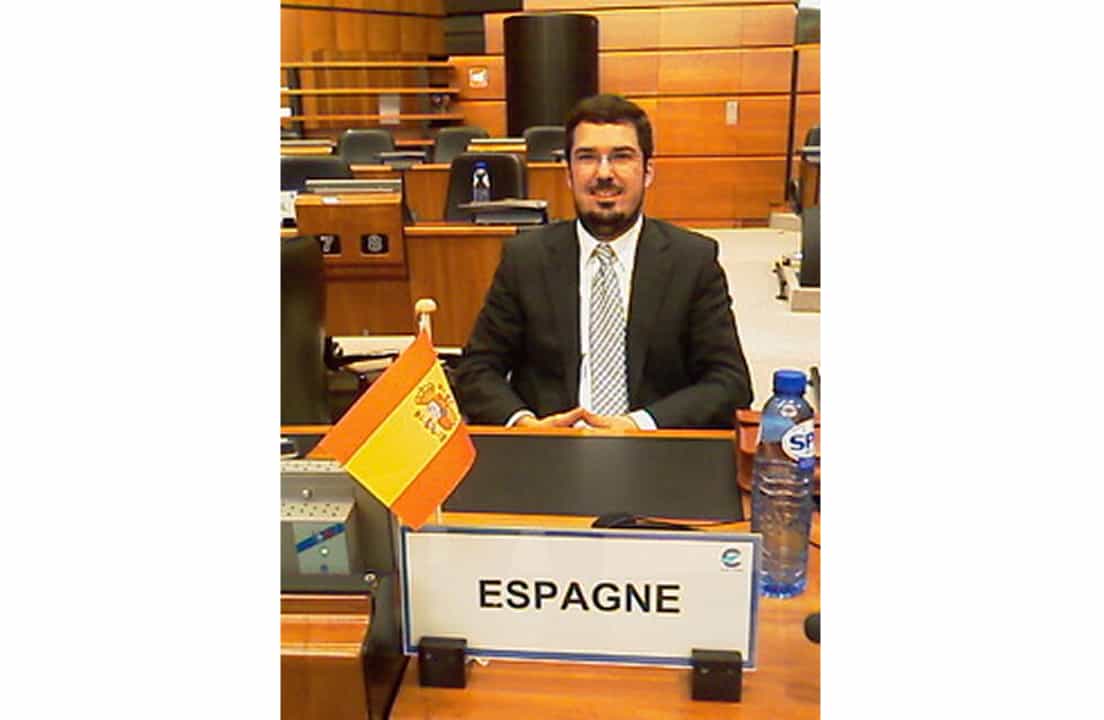
Through his work with patient organizations and European health initiatives, David has continued learning about research and emerging approaches to diabetes care. But behind all the scientific information is still the same personal question: could his experience have been different if somebody had recognized the signs earlier?
“I Don’t Have the Same Mind I Had Before.”
Before diabetes changed his life, David had built a career that required high levels of concentration and responsibility. He worked in European aviation and later became involved in health technology assessment and patient representation. At a young age, he was appointed as a representative within European aviation initiatives, working alongside people with decades of experience.
He remembers being able to analyze complex information quickly, lead discussions and make decisions in demanding environments. Today, he feels that capacity has changed. “I don’t have that cognitive capability anymore,” he says.
For David, the impact of diabetes goes beyond insulin injections and glucose management. He believes the years before diagnosis affected his physical and cognitive health. He describes increasing exhaustion, changes in his vision and a feeling that his ability to think and work is no longer the same as it once was.
His experience has also influenced how he understands mental health. Over many years, he has received psychiatric care and different explanations for what he was experiencing. However, David feels that some aspects of his condition do not fit easily into existing categories.
Impact of Undiagnosed T1D on the Brain
David believes there is still much more to understand about the possible relationship between long-term undiagnosed type 1 diabetes, the brain and mental wellbeing.
He is careful to speak from his own experience rather than make universal claims. His message is not that every person with diabetes will have the same journey, but that healthcare professionals should continue exploring these connections.
For David, this is another reason why early detection matters. The consequences of missing type 1 diabetes may not always be visible immediately. Sometimes they appear years later, affecting areas of life that people do not automatically connect with diabetes.
Facing the Fear of a Type 1 Diabetes Test
For someone who spends much of his time reading scientific evidence, following diabetes research and discussing healthcare decisions at a European level, David knows that information matters. He understands statistics. He understands risk. He understands the arguments in favor of screening.
Yet when the question becomes personal—when it involves his own child—knowledge does not automatically remove fear.
“I have the test for my son, but I still can’t do it.”
David is a father, and one of the most emotional parts of his story is his relationship with screening. He has already taken the first steps. He went to the pediatrician, received the request for antibody testing through private insurance and has the possibility of finding out whether his son shows early signs linked to type 1 diabetes. But the final step—the one that requires going to the laboratory—has not happened.
“I have not had the courage,” he admits.
The reason is not a lack of understanding. David knows what the evidence says. He knows that most people living with type 1 diabetes do not have a first-degree relative with the condition.
It’s Normal to Feel Scared
He knows that, statistically, the likelihood of his son developing type 1 diabetes is low.
He has spoken with experts who have reassured him that the probability is small. The paternal risk is about 5 to 6% (roughly a 1 in 17 chance) for a child born to a father with type 1 to develop the condition.
But David’s own experience changes the emotional weight of the decision. For him, screening is not just a medical procedure. It represents the possibility of facing a future he knows too well.
The Human Side of Screening
He remembers what happened when his own diabetes was discovered only after DKA and a coma. He knows what delayed diagnosis can mean. At the same time, he also understands the fear that comes with receiving information you cannot control.
This tension is something many families living with type 1 diabetes understand. The same test that can provide knowledge can also create anxiety. The same information that can help families prepare can also bring uncertainty.
For David, this is where education and trust become essential. He believes parents need reliable information and support to make decisions that feel overwhelming. Screening cannot only be presented as a clinical recommendation; it also has to be understood as a human experience.
Type 1 Diabetes Doesn’t Affect Only the Person Who Has It
David speaks openly about the impact of diabetes on his family, especially his relationship with his wife. His diagnosis changed not only his own daily life but also the life of the person closest to him.
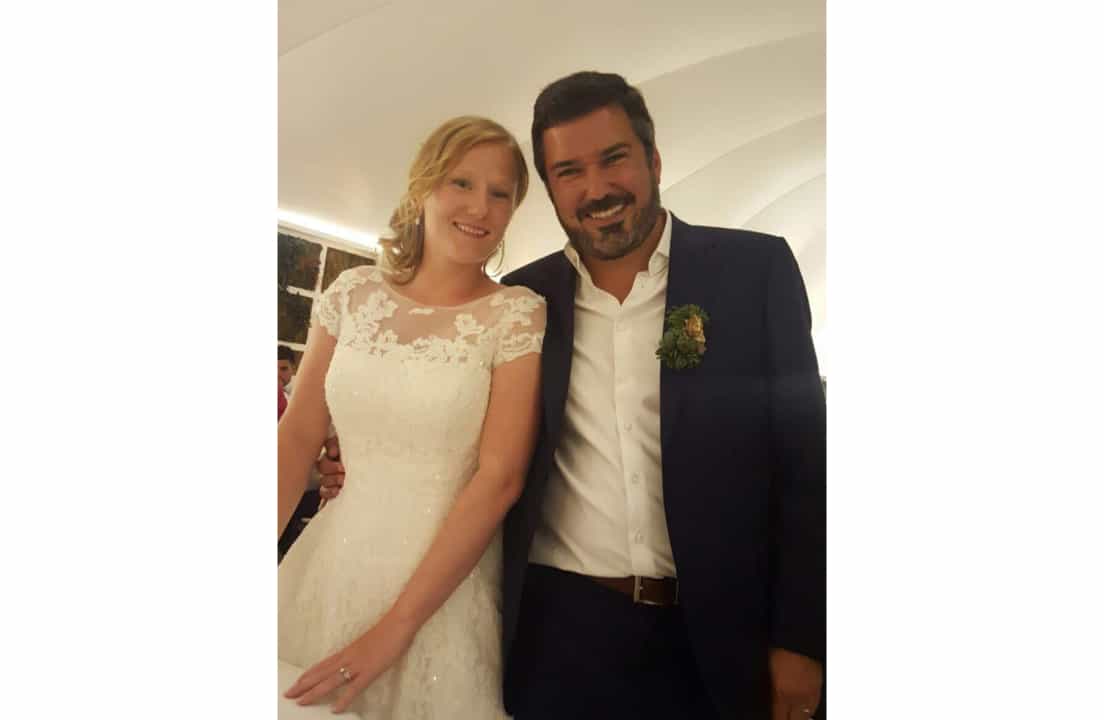
One of the things he has learned through his experience is that chronic illness affects everyone around the patient. The person living with diabetes deals with injections, glucose management and medical decisions, but family members often carry a different kind of burden: fear, uncertainty and the emotional weight of watching someone they love struggle.
“The caregiver often suffers more than the patient,” David says.
For him, this highlights another important part of diabetes care: families need support too.
Education should not only be directed at the person with the diagnosis. Partners, parents and caregivers also need access to trustworthy information and spaces where they can ask questions without feeling overwhelmed.
David believes that patient organizations have an important role here because they can provide something healthcare systems sometimes struggle to offer: time, understanding and shared experience.
Knowledge Builds Trust
After everything he has experienced, David keeps returning to one central idea: knowledge creates trust. This belief shapes much of his advocacy work. Through his involvement in European patient organizations, health technology assessment and diabetes initiatives, he has seen how important it is for patients to have access to accurate, understandable information.
For David, patient advocacy is not about replacing healthcare professionals. It is about helping people become informed partners in their own care. He believes trust grows when people understand what is happening and why decisions are being made.
This is particularly important when discussing screening. A test alone is not enough. People also need education about what the results mean, what steps come next and how to deal with the emotions that come with uncertainty.
Courage in Advocacy
At the same time, David believes healthcare professionals must continue learning. Medicine changes constantly, and new evidence appears every year. He does not present himself as someone who has all the answers. His own story is full of uncertainty, difficult emotions and questions that remain open. Even with all his knowledge, he still struggles with the decision about screening his son.
Even with years of advocacy experience, he still lives with the personal consequences of a late diagnosis. That is precisely what makes his message powerful. His hope is simple: that fewer people will have to discover they have type 1 diabetes in an emergency room, after their body has already reached its limit.


.webp)

.webp)

.jpeg)
















.jpg)






.jpg)




%20(1).jpg)



.jpg)
.jpg)
.jpg)
.jpg)
.jpg)
.jpg)
.jpg)

.jpg)
.jpg)
.jpg)
.jpg)
.jpg)
.jpg)
.jpg)
.jpg)

.jpg)
.jpg)
.jpg)
.jpg)
.jpg)

.jpg)

.jpg)
.jpg)

.jpg)

.jpg)
.jpg)


.jpg)
.jpg)


.jpg)
.jpg)
.jpg)


.webp)
.svg)