


T1D Guide
T1D Strong News
Personal Stories
Resources
T1D Misdiagnosis
T1D Early Detection
Research/Clinical Trials
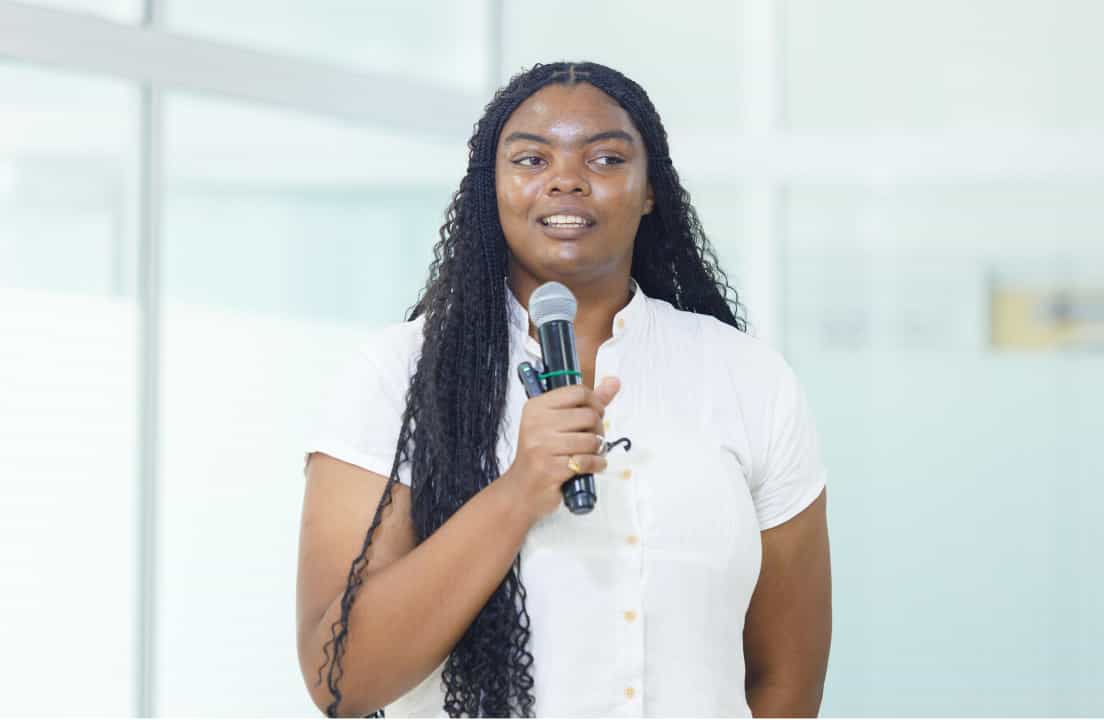
Olaa Rady and the Egyptian T1D community: Transforming Fear into Purpose
When Olaa was diagnosed with type 1 diabetes (T1D), she believed her future had changed forever. Years later, life would test her again when her daughter was also diagnosed with T1D during the COVID-19 pandemic. Instead of allowing those experiences to define her family, Olaa chose to turn them into something meaningful.
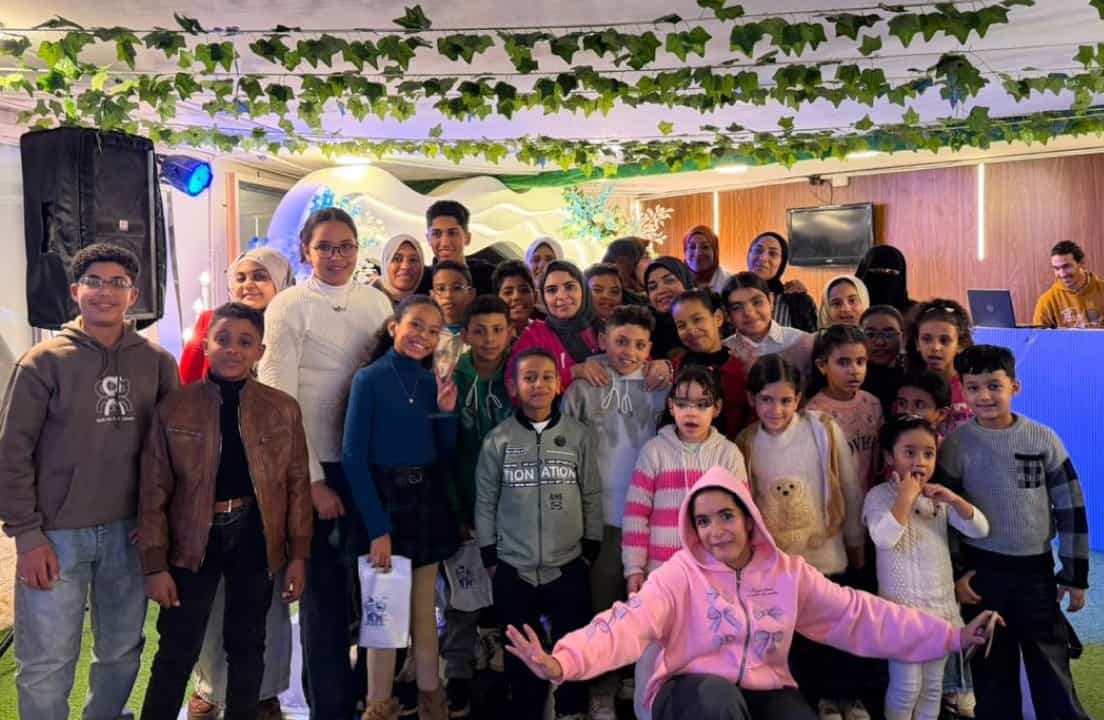

Today, she is a mental health professional, diabetes educator, mother of three, and founder of a community that helps people living with type 1 diabetes feel understood, supported, and hopeful.
Learning to Live with Type 1 Diabetes
Olaa grew up in Alexandria, Egypt, where conversations about type 1 diabetes were limited, and many people knew very little about the condition. Receiving the diagnosis at a young age left her feeling isolated. She remembers crying often and wondering how she would ever live a normal life again. Everyday activities suddenly felt complicated.
She worried about food, exercise, school, and the future. More than anything, she struggled with the emotional impact of accepting that diabetes would always be part of her life. Everything began to change when she met a doctor who understood that caring for a person with diabetes meant more than prescribing insulin. He took the time to explain what T1D was, answered her questions patiently, and helped her understand that managing diabetes was a skill she could learn.
For the first time since her diagnosis, Olaa felt heard instead of judged. That experience taught her an important lesson she still shares today: information and emotional support can change the way someone experiences a diagnosis.
As her confidence grew, diabetes slowly became something she managed rather than something that controlled her. She realized that while the condition required daily attention, it did not have to take away her ability to study, build relationships, or pursue a meaningful career.
Becoming a Mother While Living with Diabetes
As an adult, Olaa married and started thinking about having children. Like many women living with type 1, pregnancy brought both excitement and fear. She worried about her own health and her baby's health. She questioned whether diabetes would make pregnancy too risky or whether she would be able to manage the physical and emotional demands that came with becoming a mother.
Pregnancy required careful planning and close medical follow-up. She monitored her blood glucose more often than ever before, paid close attention to her nutrition, and learned to listen carefully to her body. It was not always easy, but those months taught her that good preparation, medical support, and self-care could make an enormous difference.
Looking back, Olaa believes many women are discouraged by outdated ideas about diabetes and pregnancy. She now encourages other women with type 1 diabetes to seek reliable medical advice instead of letting fear make decisions for them. She wants them to know that having diabetes does not automatically mean giving up the dream of becoming a mother. With proper care and ongoing support, healthy pregnancies are possible.
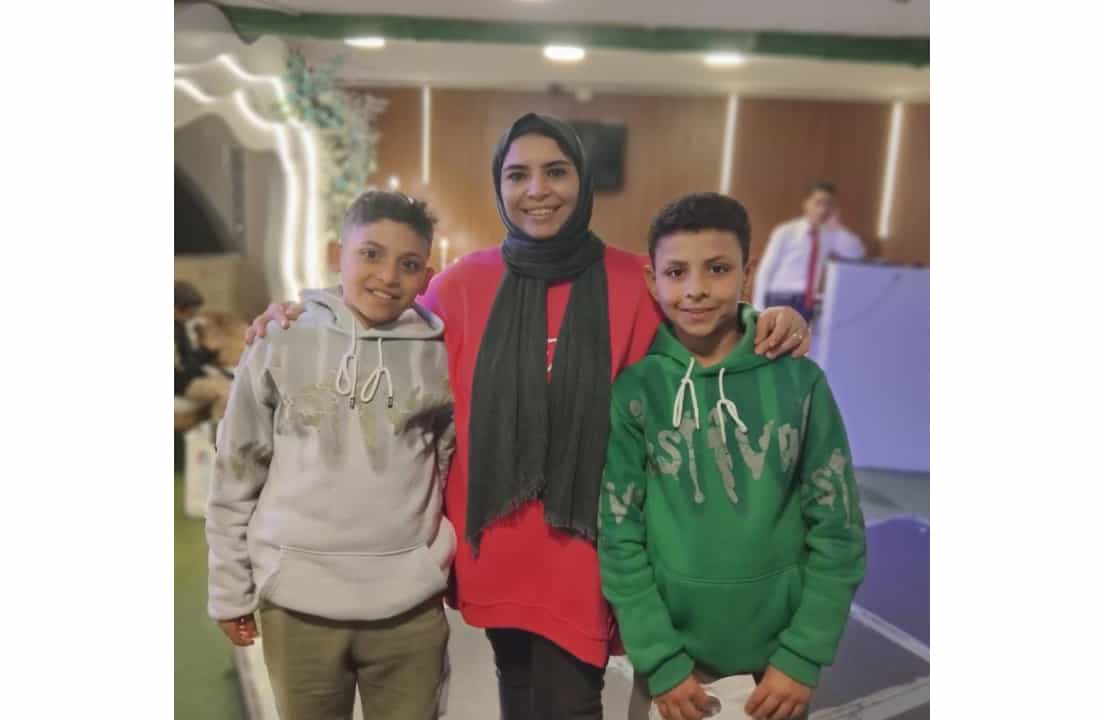
Facing Every Parent’s Fear
Years later, during the COVID-19 pandemic, Olaa experienced one of the most difficult moments of her life. She noticed symptoms in her daughter that immediately raised concerns because they were so familiar. As both a mother and someone living with T1D herself, she trusted her instincts and checked her daughter's blood glucose.
The results confirmed what she had feared: Her daughter also had type 1 diabetes.
Although Olaa already understood the condition better than most parents, that knowledge did not protect her from the emotional pain of hearing the diagnosis. She knew exactly what her daughter would face, from daily injections and glucose monitoring to the emotional challenges that often come with feeling different from other children. At the same time, her own experience became one of her greatest strengths. She could reassure her daughter with complete honesty because she had lived through the same journey herself.
Instead of allowing diabetes to become a source of fear within their family, she focused on helping her daughter understand that she could continue to dream, learn, make friends, and build the future she wanted. For Olaa, becoming the parent of a child with type 1 diabetes strengthened her commitment to helping other families. She understood how frightening those first days after diagnosis could be and wanted parents to know they did not have to face them alone.
Raising Awareness in Egypt
One of the biggest challenges Olaa sees in Egypt is the lack of public awareness about T1D. Many families are unfamiliar with its early symptoms and may not recognize the warning signs until a child becomes seriously ill. Others avoid testing because they are afraid of receiving bad news, believing that knowing the diagnosis will somehow make life worse.
She believes this fear often delays treatment and increases the risk of complications. She regularly encourages parents to learn about the symptoms of type 1 diabetes and to seek medical attention quickly if they notice unusual thirst, frequent urination, unexplained weight loss, or extreme fatigue.
For her, education is one of the most powerful forms of prevention. While early diagnosis cannot prevent T1D from developing, it can prevent life-threatening emergencies and allow families to begin treatment before the condition becomes critical. She also believes that open conversations are essential. When people understand what type 1 really is, they become less afraid of it. Knowledge replaces myths, and families become more confident in caring for their children.
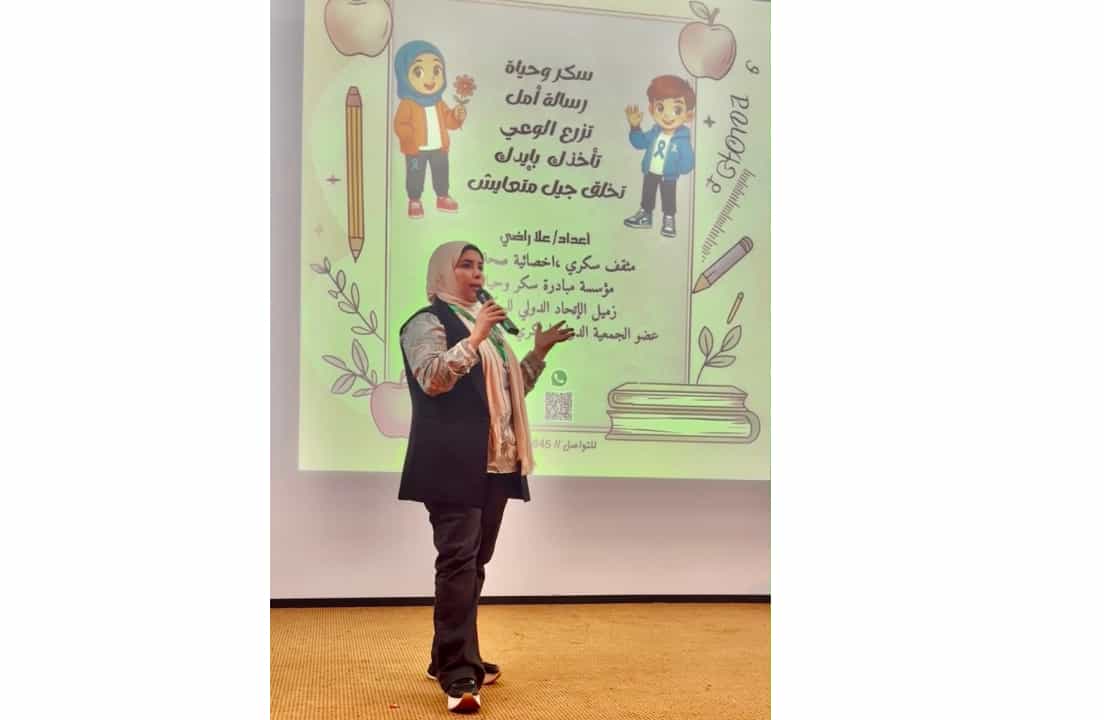
Breaking the Stigma Around Diabetes
Beyond the medical challenges, Olaa spends much of her time addressing the emotional and social impact of diabetes. In some communities, especially within more traditional settings, people living with diabetes continue to face stigma and misunderstanding. Women may worry that a diagnosis will affect marriage opportunities or that others will assume they cannot have healthy pregnancies or successful careers.
These misconceptions can be deeply damaging because they create shame around a condition that no one chooses to have. As a mental health professional, Olaa understands that emotional well-being is just as important as blood glucose management.
Anxiety, fear, and isolation can make diabetes much harder to live with, even when medical treatment is available. She encourages people to speak openly about their diagnosis instead of hiding it. She believes that every honest conversation helps reduce stigma and creates space for others to ask questions, learn, and become more supportive.
For young women especially, she wants them to understand that diabetes does not define their value or their future. They can study, work, marry, have children, and achieve their goals just like anyone else.
Faith also plays an important role in many of the families Olaa supports. Rather than seeing diabetes as something that takes away hope, she encourages people to combine their faith with practical action by learning about their condition, following medical advice, and supporting one another through difficult moments.
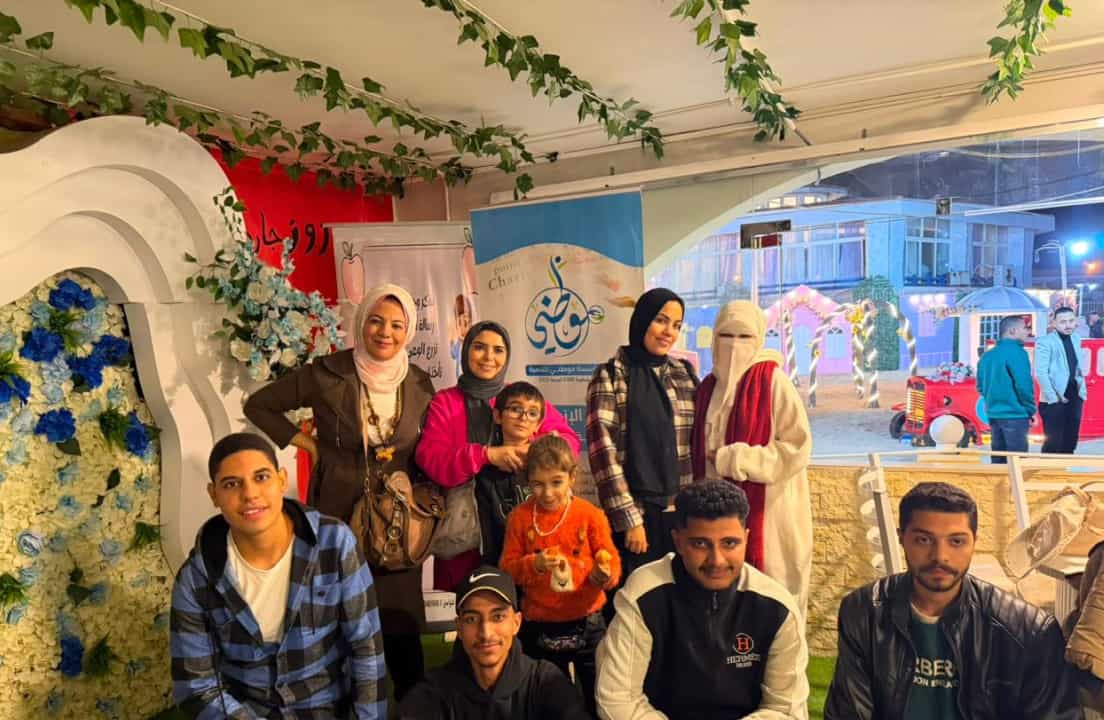
Sokar & Hayaa
After years of living with diabetes and supporting her own daughter, Olaa decided to create Sokar & Hayaa, a community dedicated to helping people living with type 1 diabetes feel less alone. The idea was simple but powerful. She wanted newly diagnosed individuals and their families to have the kind of emotional support she wished she had received when she was first diagnosed.
Through Sokar & Hayaa, children, parents, teenagers, and adults can share experiences, ask questions, and learn from others who truly understand what daily life with T1D looks like. The community provides practical education about insulin, nutrition, blood glucose monitoring, and self-care, but it also offers something equally valuable: reassurance.
For many families, meeting someone who is living a full and active life with type 1 diabetes changes their entire perspective. Seeing a mother, professional, educator, and community leader managing the same condition reminds them that a diagnosis does not erase future possibilities.
Olaa believes that nobody should have to face diabetes in isolation. Whether someone has been diagnosed recently or has lived with the condition for many years, having a supportive community can make the journey less overwhelming and far more hopeful.
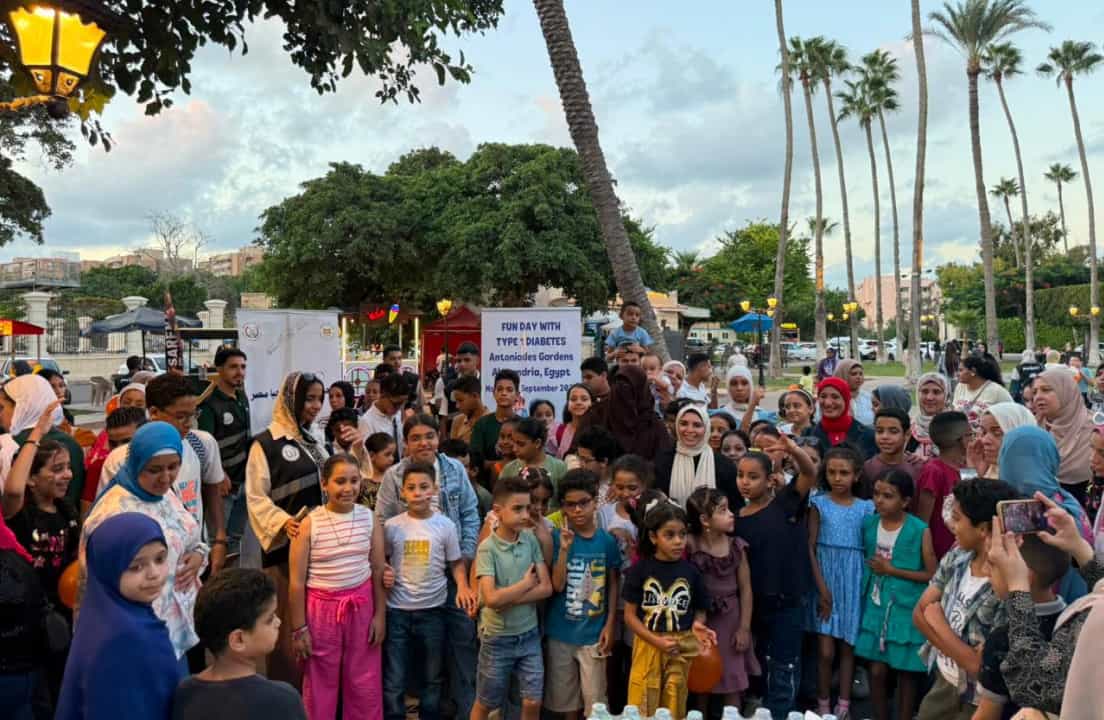
A Story that Goes Beyond Egypt
Although Olaa's work began in Alexandria, her message speaks to families everywhere. Her journey shows that type 1 diabetes is about much more than insulin and blood glucose numbers.
It is also about mental health, resilience, education, family, and community. She knows that there will always be difficult days. Diabetes requires constant attention, and there are moments of frustration, exhaustion, and uncertainty. But she also knows that those moments do not define a person's entire life.
Today, Olaa continues to support people across Egypt while raising awareness about T1D and encouraging families to seek knowledge instead of fear. Through her professional work, her advocacy, and her own family's experience, she reminds others that strength often grows from the hardest experiences.


.webp)

.jpeg)
.webp)











.jpg)



%20(1).jpg)



.jpg)
.jpg)
.jpg)
.jpg)
.jpg)
.jpg)
.jpg)
.jpg)
.jpg)
.jpg)
.jpg)

.jpg)
.jpg)
.jpg)
.jpg)
.jpg)

.jpg)
.jpg)
.jpg)

.jpg)

.jpg)
.jpg)

.jpg)
.jpg)

.jpg)
.jpg)
.jpg)
.jpg)
.jpg)

.jpg)
.jpg)
.jpg)
.jpg)
.jpg)
.jpg)

.jpg)
.jpg)

.jpg)
.jpg)
.jpg)

.jpg)
.jpg)


.webp)
.svg)