T1D Guide
T1D Strong News
Personal Stories
Resources
T1D Misdiagnosis
T1D Early Detection
Research/Clinical Trials
Living Loudly with T1D: How Keiva Cheney Turned Misdiagnosis into Advocacy
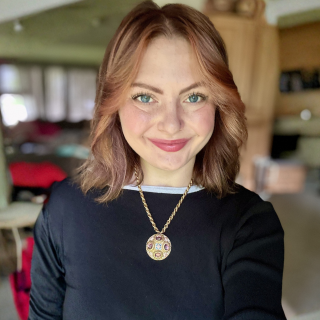
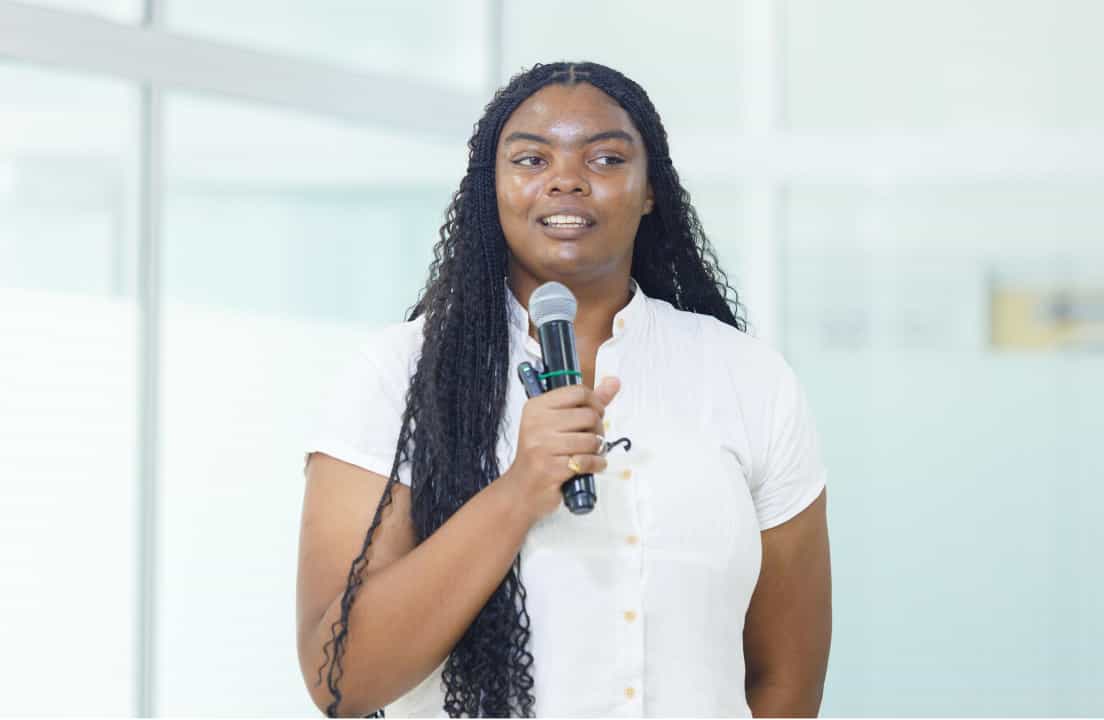
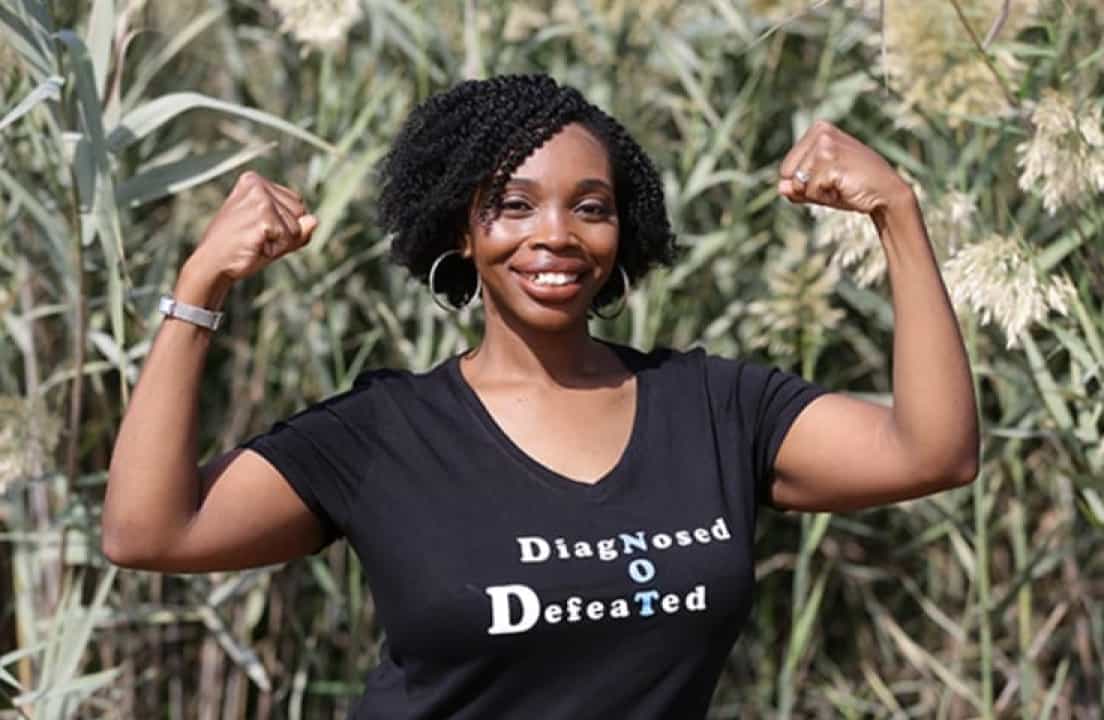
Keiva Cheney, MPH, was dismissed by healthcare providers before her type 1 diabetes (T1D) diagnosis at age 22. Today, she’s transformed her experience into a powerful mission, living loudly with T1D, advocating for others, raising awareness, and connecting people with the resources they need to thrive.


Cheney’s is among dozens of adult misdiagnosis stories T1D Strong has reported over the years. According to the National Institutes of Health (NIH), up to 40% of adults who develop type 1 diabetes (T1D) are initially misdiagnosed with type 2 diabetes (T2D) due to overlapping physical traits, slower symptom progression, and provider assumptions (clinicians often default to T2D rather than test for the autoimmune condition of T1D).
Cheney developed symptoms in 2017 during Hurricane Irma. “I went to the ER, and I almost felt like I was having a heart attack, as crazy as that sounds. I was only 21; I couldn’t breathe, my body felt like it was shutting down.” At the hospital, they took her vitals and sent her home without checking her blood sugar.
The Cost of Misdiagnosis
When her father noticed Cheney went to the restroom over 10 times in two hours, he encouraged her to get help. That visit resulted in a diagnosis of anxiety and depression disorder.
Over several months, she lost more than 20 pounds and was turned away four more times. Cheney’s fast decline with T1D happened after a trip to New Orleans and a case of the “flu.”
Her symptoms increased to blurry vision, lethargy and frequent urination. She also experienced yeast infections and oral candidiasis.
When Cheney finally did her own research online, the answer came back, “uncontrolled diabetes.” She thought, “There is no way!”
The next ER visit, she demanded lab work; her resting blood sugar came back over 400. “If I hadn’t known to advocate for myself, who knows what would have happened. All they had to do was go out in the hallway and Google my symptoms.”
However, the doctor prescribed metformin (an oral medication for T2D). Cheney’s blood sugars were still over 300 every morning. Fortunately, Cheney found a trusted endocrinologist who tested her for the T1D autoantibodies and diagnosed her correctly with type 1 diabetes. “I feel like the reason I’ve been so confident and successful in my diabetes care is because of her. She empowered me.”
“Once I learned that I have to live with this for the rest of my life, I thought, 'This is our fight now,’ and it’s not going to work if I don’t listen to you.”

From Misdiagnosis to Leading Change
Once diagnosed, some people tend to get on with their lives and keep their illness private; however, Cheney used her experience to create spaces where others can find information, connection, and support.
“Since I was diagnosed as an adult, my personality was just one of those people who just lives loudly. I was active on social media and modeling. After I came to terms with it, I figured out a way where I could make it a part of my life so it wasn’t taking over, and that’s when I came up with a lifestyle brand and decided we’re going to make this cute.”
Cheney adapted diabetes into her life instead of her fitting into that world. Today she’s shown others they can do the same. “I didn’t want people to have to go through what I went through. If my story could help shift or change something, I was going to speak up. I’ve had so many people message me and say, you know, I’ve just been diagnosed with type 1 after hearing your story.”
She firmly believes the challenges we’re given are meant to help others. “God doesn’t give us these tests, so we don’t do anything with them. You know, I always tell people my test is my testimony, and I’m here for a reason.”
Cheney realized how fortunate she was that during her bouts of lethargy, she didn’t fall asleep at the wheel driving, and she’s grateful to spread the word so others don’t go down the same rabbit hole.
“The amount of positivity I’ve received from just sharing my story has been such an inspiration. It’s why I started the nonprofit, and now I want to make an even larger impact.”
Founding the Diamend Foundation
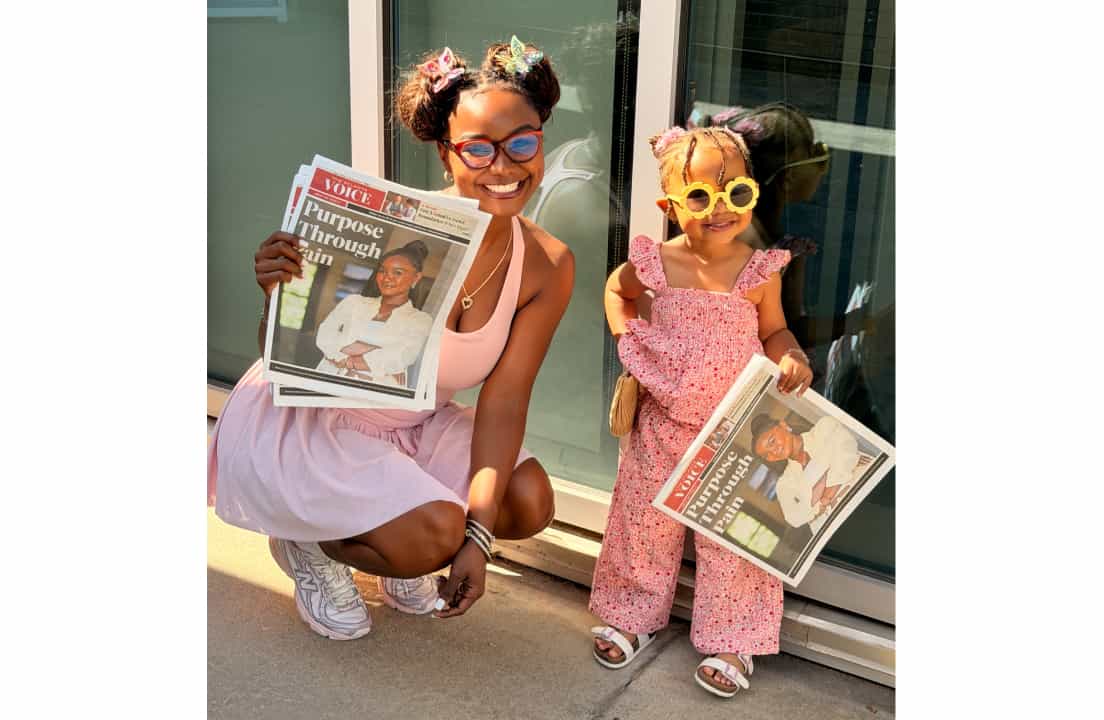
Cheney began Diamend as a lifestyle brand in 2019 and established the Diamend Foundation as a nonprofit in 2025. Her goal is to help people with diabetes find culturally relevant education, resources and community. Today, the organization focuses on education, screening initiatives, and support for people affected by diabetes.
Cheney said this openness led to a career shift centered on health. She was once a computer science major, but she switched to public health, focusing on diabetes. “It literally changed my life.”
“I always tell people what I’ve ever learned the most about taking care of my diabetes has not been in a doctor’s office, and that’s no shame to any doctor, but when you become a part of a community it’s empowering.”
Turning a Lived Experience into Meaningful Community Impact
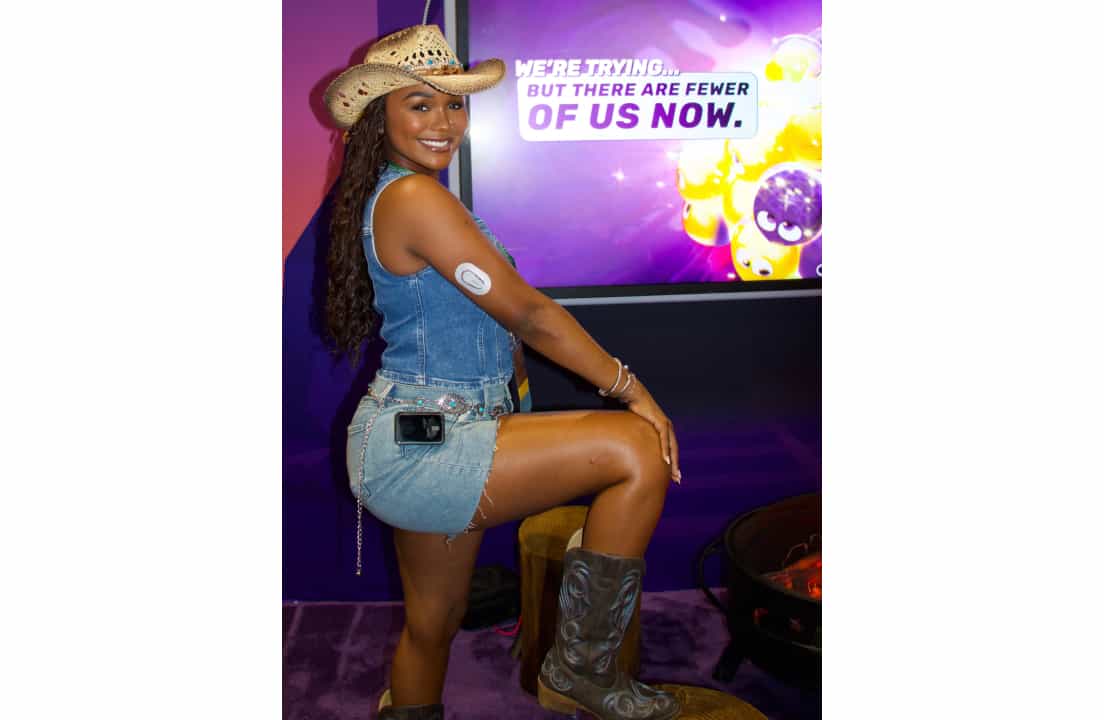
For Diabetes Awareness Month, the organization is hosting its fourth annual Insulin & Mimosas. This year’s themed event, TECHnically Diabetes, focuses on technology, research and community resources, while offering brunch, panel discussions with educators, and research opportunities. There’s also an interactive line dancing, “Boots, Boluses & Beats,” with Cowboy Range. Check the Diamend website for more information about this and future events.
Cheney said that when she finds herself on a downward slope, she looks for things that uplift her, and she’s tried to pass these nuggets of wisdom to others. Her posts have encouraged others not to hide their condition or devices. She’s received positive feedback from people who’ve told her, “You make me want to put a bikini, wear my device and put a cute sticker over it.”
T1D Screening Initiative
Cheney’s a brand spokesperson for organizations like Screen for Type 1, and her nonprofit, Diamend, offers early-detection resources. “I can tell you where you need to go to get screened, or I can tell you how to get a kit to come to your house. They can use your spit to do it, or you can do a finger prick to do it,” she said. “The best thing is that you can do it at home, because some people feel leery about going to the doctor’s office.”
Advice to the Newly Diagnosed
The self-care demands of living with diabetes require constant attention. Blood sugar fluctuations and 24/7 care alone can cause decision fatigue. Cheney advises newly diagnosed individuals to sit with it and process it, but not for too long.
“I’m a firm believer you have to feel to heal, so don’t discount that, but also know you have a community. You are not alone. Find someone, find your people. Even if you can’t find anyone physically close, get online.”
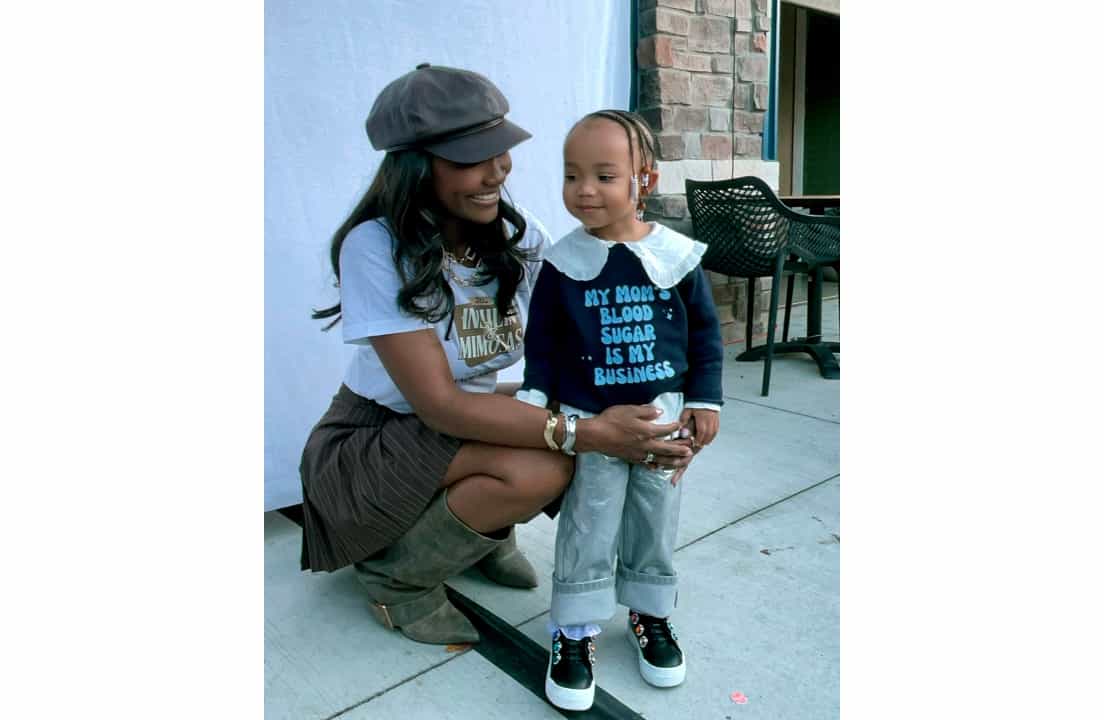
“Life is by no means perfect, but it can be beautiful, and your life doesn’t start and stop with this.”