


T1D Guide
T1D Strong News
Personal Stories
Resources
T1D Misdiagnosis
T1D Early Detection
Research/Clinical Trials
From Urine Testing to Ultramarathons: Don Muchow's 53-Year Journey With Type 1 Diabetes
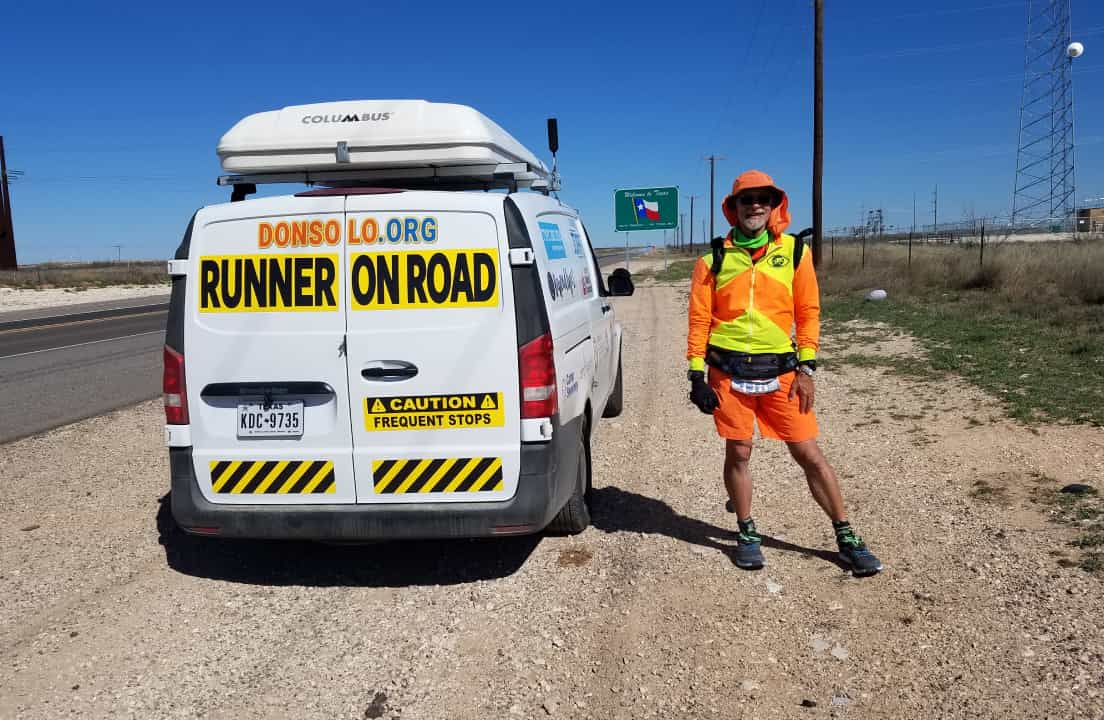
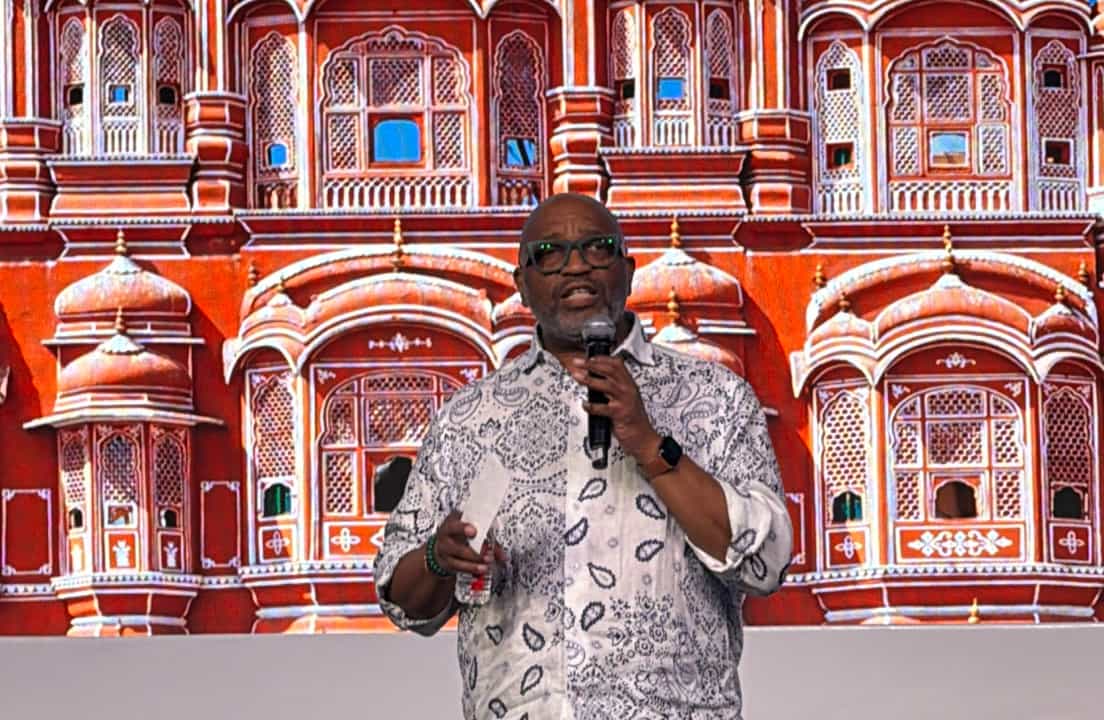
Diagnosed in 1972, decades before blood glucose meters, insulin pumps or continuous glucose monitors (CGM) existed, Don Muchow has since run across Texas, from Disneyland to Disney World and farther than most people can imagine, all while managing type 1 diabetes (T1D) one mile at a time.
.jpeg)
Managing Type 1 Diabetes Before Modern Technology
Back then, the only way Muchow could get a sense of his blood sugar was a urine test: a reagent tablet dropped into a sample, heating up as it dissolved into a color he had to interpret himself.
"It smelled like someone was boiling cigarette ashes," Muchow recalled.
His insulin regimen was just as limited. He took the same doses of NPH and regular insulin every day, both far less predictable than today's insulins, paired with nearly identical meals. If he guessed wrong, he ate more and hoped he didn't overcorrect. Knowing whether his blood sugar had dropped too low usually came down to one thing.
"You just felt funny."
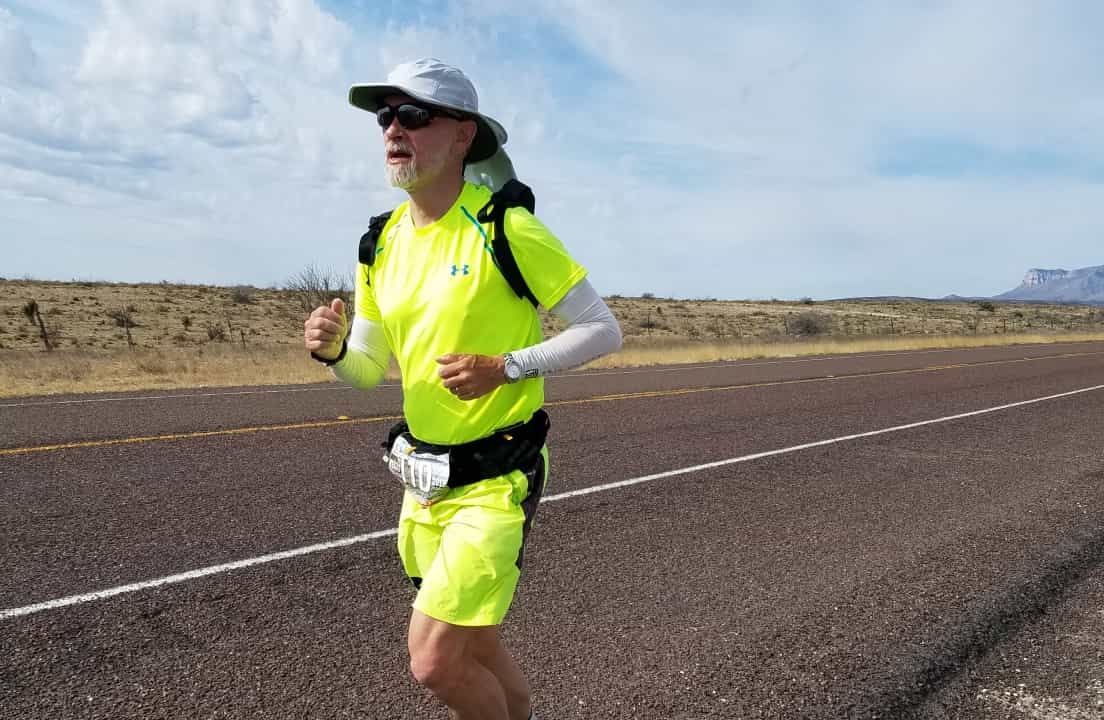
More than five decades later, he has become one of the most accomplished endurance athletes living with type 1 diabetes. He has completed an Ironman and a DecaMan challenge, set the fastest known time for a crewed run across Texas and became the first person to run from Disneyland to Disney World.
Ask him what separates him from everyone else, though, and his answer isn't what you'd expect.
"I'm just a guy who didn't give up when it got really uncomfortable."
A Second Chance with T1D
Muchow didn't grow up dreaming of ultramarathons. He didn't start running until 2004, well into midlife.
By then, he had already faced one of the long-term complications many people living with type 1 diabetes fear. After being treated for proliferative retinopathy, he found himself struggling emotionally.
"I promised myself that if I ever saw a chance for a 'do-over' on my health, I'd take it."
That chance arrived when his wife signed them both up for a local 5K. He didn't know it at the time, but that single race would change the direction of his life. What started as a commitment to improving his health slowly grew into something much bigger, as he kept pushing himself and learning what he could safely accomplish.
One challenge led to another, and over the following years, the finish lines grew longer, tougher and more ambitious.
Learning Through Experience
There's no textbook for managing diabetes during an endurance event. Instead, Muchow became a student of his own body; tracking blood sugars, watching for patterns and studying how illness, stress and prolonged exercise each shifted his glucose in different ways.
Some of what he learned surprised even him. During multi-day events, his daily insulin needs dropped from about 35 units to around 18. He often skipped bolusing for meals entirely while running long distances, since his body was already burning through thousands of calories a day — some days as many as 6,000, and he still lost weight.
But one lesson reshaped how he thought about diabetes more than any other: stress.
"I've become much more conscious of the role stress plays in blood glucose management," he said. "Probably annoyingly so."
Physical and emotional stress, he learned, could push his blood sugar dangerously high, and simply taking more insulin wasn't always the fix. "You have to reduce stress first," he explained. "Otherwise you're just going to dump glycogen until you don't have any. Then you really are at risk of a deadly overnight low." It's a lesson he wishes he'd understood decades earlier.
When Type 1 Diabetes Doesn't Follow the Plan
For all his preparation, diabetes still found ways to rewrite it.
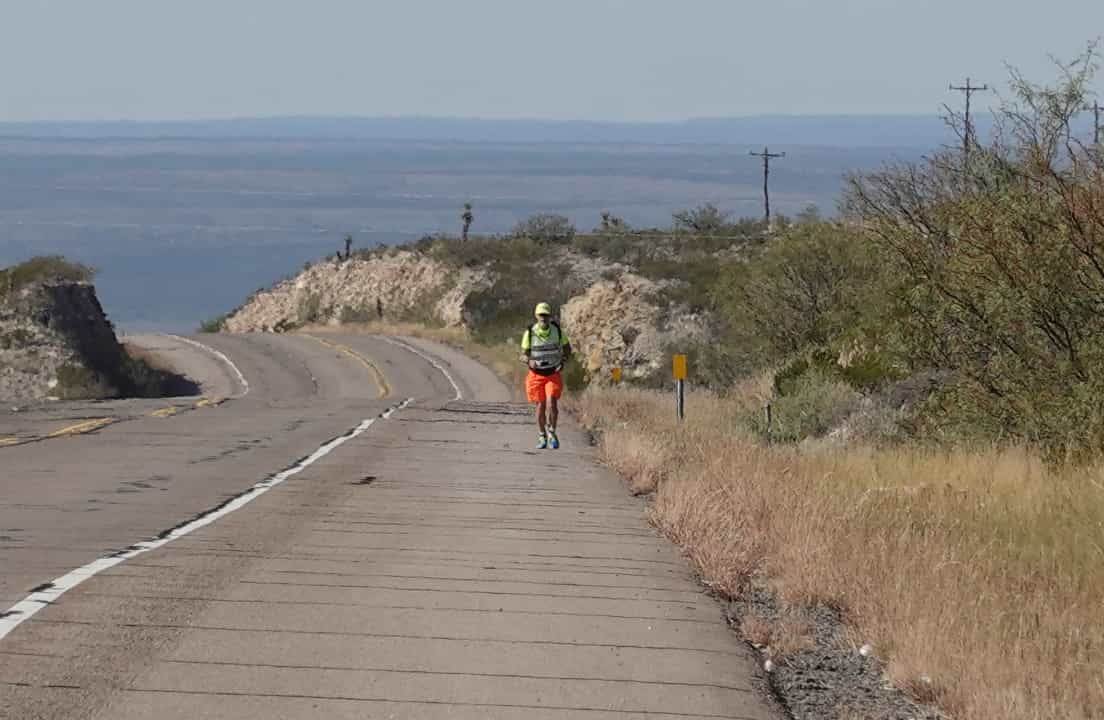
One of the most frightening moments came during his Texas crossing. After 42 miles on an isolated highway through West Texas oil country, Muchow arrived in Odessa exhausted and emotionally drained, his blood sugar climbing above 300 mg/dL, more than double a typical target range. He corrected aggressively with insulin.
The stress eventually subsided, and his glucose plummeted into the 20s, a level low enough to be life-threatening, and stayed there despite repeated treatment. His wife administered glucagon, bringing him only into the 40s — still dangerously low, while significant insulin remained active in his system. The experience forced him to take one of just two rest days during the entire journey.
A similar lesson came during his first 100-mile race, after an angry truck driver deliberately forced him off the road. Already battling painful blisters, he ran miles under a surge of adrenaline and cortisol, his glucose refusing to come down.
Around mile 90, he finally stopped, ate a full-fat yogurt without taking insulin and watched his glucose begin to fall almost immediately. It confirmed something he'd already begun to suspect: sometimes the biggest obstacle isn't food or insulin. Sometimes it's stress.
How CGM Technology Changed the Game
Having lived through every era of diabetes care, Muchow has a unique vantage point on how far the technology has come.
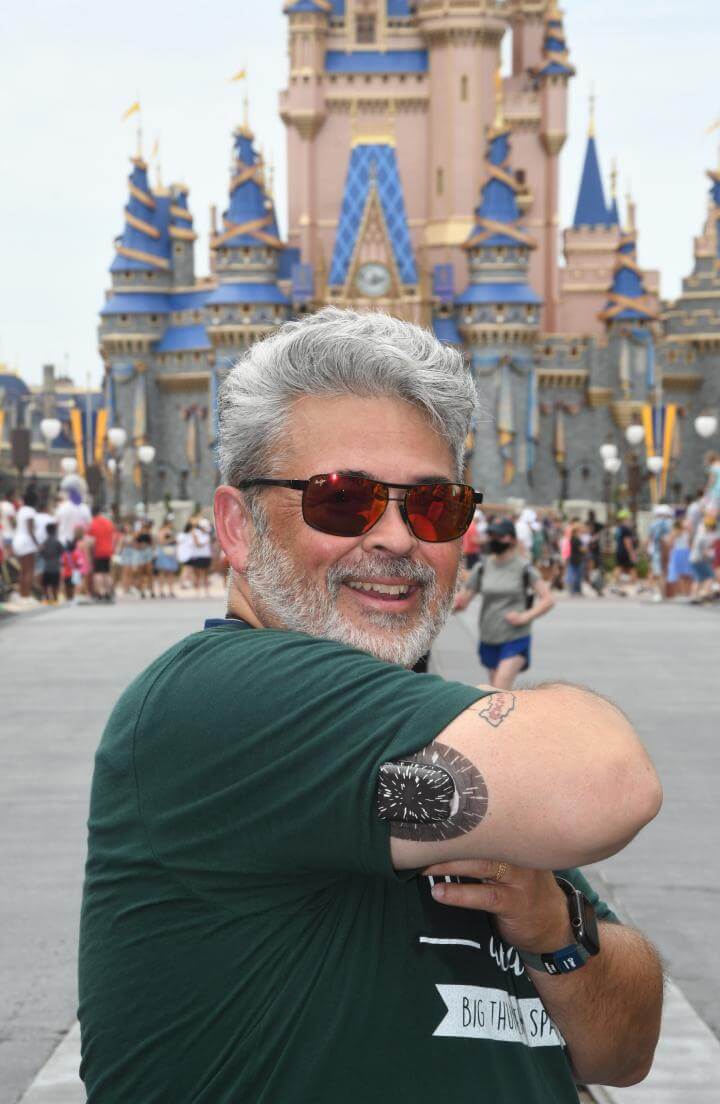
While insulin pumps get much of the attention, he believes the continuous glucose monitor has been the more significant breakthrough.
"I don't think I'd be able to do endurance sports without it," he said. For him, the real value of an insulin pump comes from what it can do with the CGM. "It has given me the most confidence of all the tools that I could handle whatever came my way.” A confidence that has made challenges possible now that simply weren't realistic decades ago.
Ordinary People, Extraordinary Endurance
Despite his accomplishments, Muchow pushes back against being described as extraordinary. Throughout his cross-country run, he heard the same comment again and again: "I could never do this." He knows people mean it as a compliment, but he thinks it misses the point.
"I didn't even start until I was in my 40s," he said. "I'm just a guy who didn't give up when it got really uncomfortable."
That message has become central to what he hopes people take from his journey. His goal isn't to convince anyone to run across America; it's to help them believe they can take their own first step.

Facing the Fear of Hypoglycemia
Many people living with type 1 diabetes avoid exercise, and Muchow understands why. Fear of hypoglycemia is real, and he's experienced severe lows himself. But he also believes that fear can quietly push people toward a different danger: avoiding activity altogether and settling for chronically higher blood sugars.
He compares it to being robbed at knifepoint in graduate school in Chicago. He'd steered clear of a group of teenagers who looked threatening, only to be robbed by someone who looked completely harmless. The lesson stuck with him: sometimes people spend so much energy avoiding one danger that they walk straight into another.
"The only way I was going to be able to deal with hypoglycemia fear was to look it straight in the face."
His Wife Made it Possible
None of it happened alone, and he is quick to point that out. Many people picture his wife sitting in a support vehicle, waiting for him to arrive. The reality looked nothing like that. She drove ahead to prepare food and hydration, updated social media, spoke with reporters, scouted hazards, managed his gear, monitored his foot care and kept working her full-time job remotely, all at once, day after day.
"I could not have done it without her," Muchow said.
Why Muchow Keeps Sharing His Story
Near the end of that Texas run, a man joined him for the final 13 miles into Texarkana. The man's uncle had died of complications from T1D the same week Muchow was fighting to survive a severe low in Odessa.
"He decided to run the last 13 miles with me in his uncle's honor."
Until then, every step had felt like running with broken glass in his shoes. "After that, the pain went away, and there was just him, me and the road into Texarkana."
Moments like that are why he keeps sharing what he's learned. Not because he has all the answers, but because each lesson might help someone else find their way a little more safely.
Muchow shares more of what he's learned through T1Determined, the nonprofit he founded to help other people living with the condition find their own safe path into physical activity.
Still Moving Forward with T1D
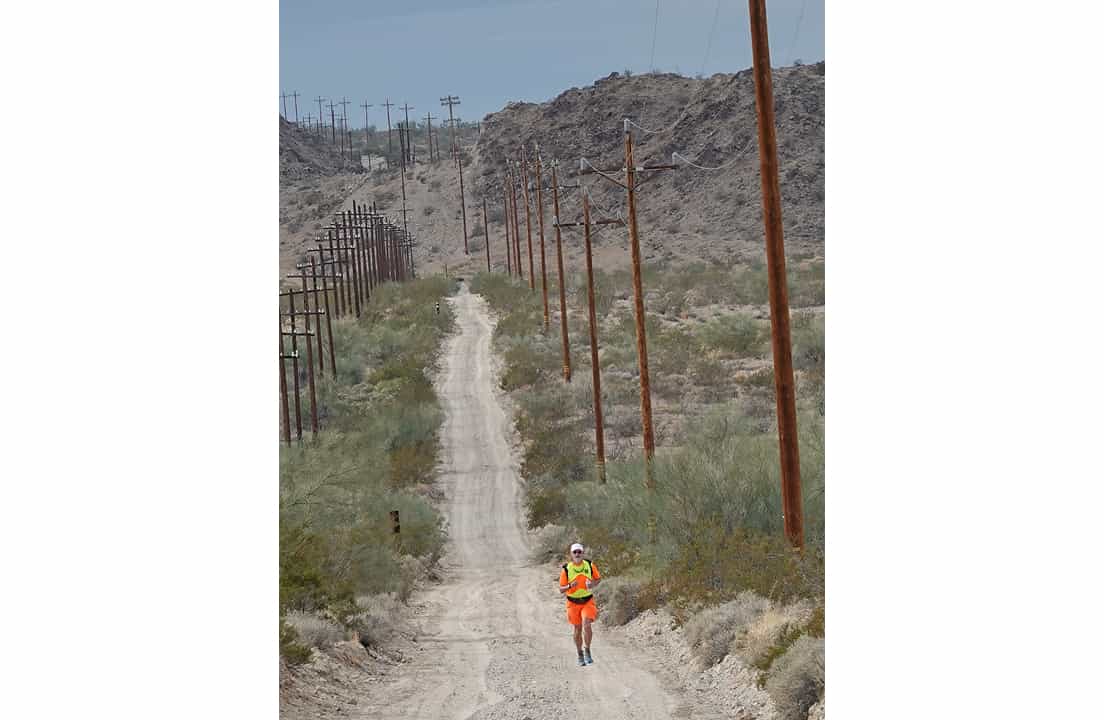
After more than 50 years living with diabetes, Muchow says the biggest surprise is simply that he's still here. Following a diagnosis of diffuse microvascular coronary artery disease, one cardiologist gave him an answer he didn't expect: "Most of the folks diagnosed in 1972 are already dead."
Rather than discourage him, the words strengthened his resolve. He wants to keep learning, keep sharing and keep reminding others that living with type 1 diabetes doesn't mean giving up on ambitious goals.
"Don't ever say, 'I could never do that,' or you never will."
And for anyone feeling overwhelmed by their diagnosis, he offers one last reminder: "Don't be hard on yourself. You didn't cause this, and you alone can't fix it. Learn everything you can, get help, and don't cede control of your own life to someone who isn't living it."


.webp)
.webp)















.jpg)



%20(1).jpg)



.jpg)
.jpg)
.jpg)
.jpg)
.jpg)
.jpg)
.jpg)
.jpg)
.jpg)
.jpg)
.jpg)

.jpg)
.jpg)
.jpg)
.jpg)

.jpg)

.jpg)
.jpg)
.jpg)

.jpg)

.jpg)
.jpg)

.jpg)
.jpg)

.jpg)
.jpg)
.jpg)
.jpg)
.jpg)

.jpg)
.jpg)
.jpg)
.jpg)
.jpg)
.jpg)

.jpg)
.jpg)

.jpg)
.jpg)
.jpg)

.jpg)
.jpg)


.webp)
.svg)