Title

close iconicon dots

T1D Guide

T1D Strong News

Personal Stories

Resources

T1D Misdiagnosis

T1D Early Detection

Research/Clinical Trials

Seraxis and Sernova Proposed Merger Targets a New Era of Type 1 Diabetes Treatment

BetaNova Biotherapeutics, the proposed combined company formed by the merger of Seraxis Holdings Inc. and Sernova Biotherapeutics, combines Seraxis’ stem cell-derived pancreatic islets with Sernova’s Cell Pouch™ technology to address two major challenges: cell supply and autoimmune protection.

Seraxis and Sernova Proposed Merger Targets a New Era of Type 1 Diabetes Treatment

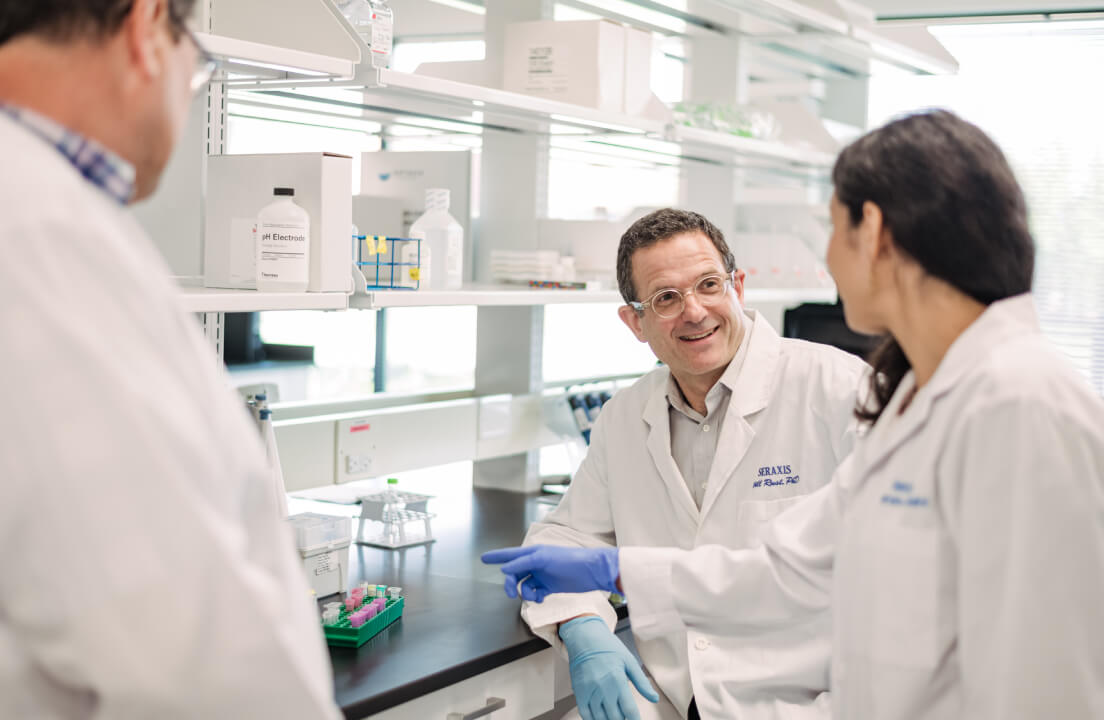
T1D Strong spoke with Sernova President and CEO Jonathan Rigby, who will serve as BetaNova’s new CEO, and Seraxis President and CEO Will Rust, Ph.D., who will become BetaNova’s President and Chief Scientific Officer (CSO), about BetaNova’s mission to transform type 1 diabetes (T1D) treatment for future generations.

Two Companies: One Bold Goal

On September 8, 2026, Seraxis and Sernova announced a definitive merger agreement to solve the industry’s cell supply shortage by joining Seraxis’ stem cell-derived pancreatic islets and in-house cGMP manufacturing with Sernova’s clinically validated Cell Pouch System™.

As we enter a new age of type 1 diabetes treatment, cadaver-donated islet cells simply won’t meet the demand. According to the Centers for Disease Control and Prevention (CDC), an estimated 2.1 million people in the United States are living with type 1 diabetes, including 1.8 million adults and 314,000 children and adolescents, and the number of cases is rising.

“This merger is deeply personal to me,” said Rigby, who’s lived with T1D most of his life. “We fully understand what these patients have to suffer, and we’re committed to helping them. My T1D knocks me down every day, but it also drives me. It fills me with an indomitable passion to help people.”

Enter BetaNova Biotherapeutics

Seraxis can produce stem cell-derived islet cells in large quantities using its in-house cGMP manufacturing capabilities. But one question remained: Where could the cells be safely housed in the body? BetaNova has a potential solution. 

“We’ve all been told there’s a cure around the corner,” said Rust. “And it’s very disappointing we haven’t gotten to the finish line faster. Regardless, I think I can say confidently that there’s a better alternative than insulin.”

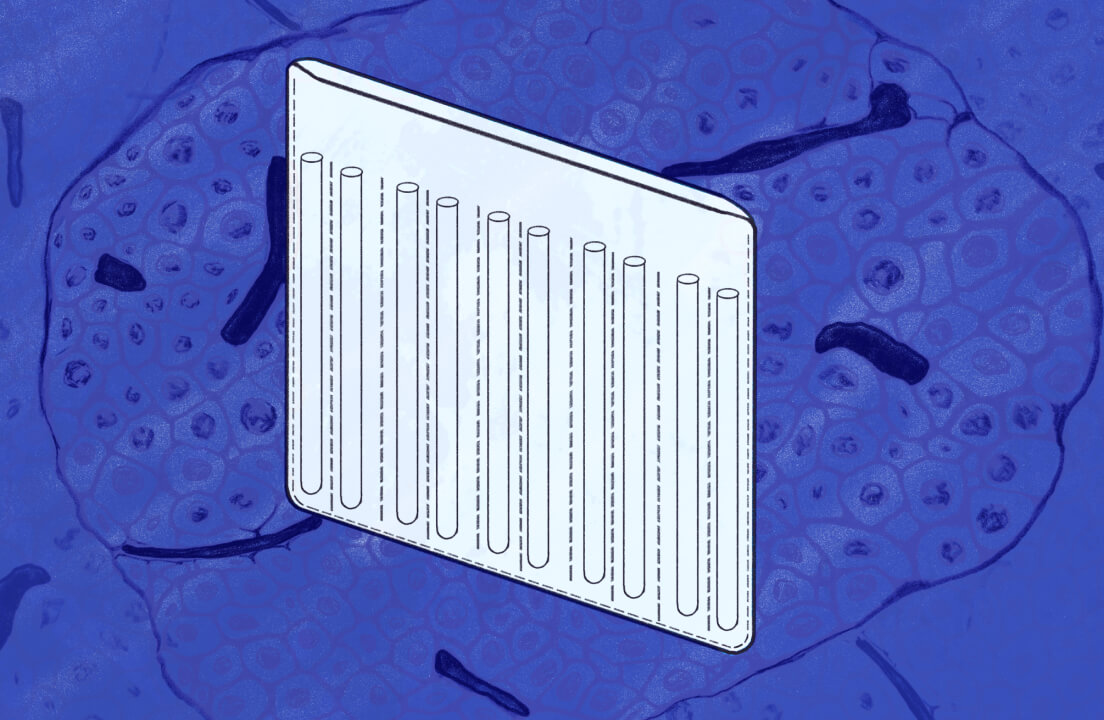
Sernova’s Cell Pouch Bio-hybrid Organ™, an implantable medical device, is designed to create a vascularized environment to support the cells.
Subject to shareholder approval, the merger, which includes Seraxis’ SR-02, its lead program with FDA IND clearance, and SR-03 clinical studies, is expected to finalize by the end of 2026. With $11.2 million secured in a closed financing to support manufacturing capital, the company expects to dose its first patients in a Phase 1/2 clinical trial of SR-02 in Q1 2027.

“It’s kind of a corporate merger made in heaven,” said Rigby. “We’ve done a Phase 2 study where we treated patients with type 1 diabetes, and we’ve had cells in the Cell Pouch, and they’ve survived and thrived, and they produce insulin. Going forward, we need cells. Seraxis has two types of cells, and our mission is to provide a functional cure for type 1, and it’s a bold statement, but with this merger it becomes real.”

The proposed combined company is expected to be headquartered at Seraxis’ Germantown facilities while maintaining Sernova’s Toronto Stock Exchange (TSX) presence and pursuing NASDAQ listing readiness in the first quarter of 2027, with listing thereafter pending requirements and approvals.

After more than a year of merger discussions, Rust agrees. “If you have cells that secrete insulin, you might think, well, that’s all you need, but there are so many other issues, and one is where to put the cells.” 

“Looking to the future and thinking about treating hundreds of thousands of patients, we need a site in the body that can transform and become an endocrine pancreas,” Rust added. “There’s only one company in a clinical study that’s created this niche where an islet can survive and create insulin and measure blood glucose, and that’s Sernova. They’re the perfect partner.”

Sernova Biotherapeutics

Founded in 1998, the clinical-stage biotech, Sernova Biotherapeutics, specializes in regenerative

solutions for chronic illnesses, most notably type 1 diabetes. Headquartered in London, Ontario, Canada, Sernova is widely recognized for its Cell Pouch System™.

Sernova has reported several significant advances with its Cell Pouch System, including high rates of insulin independence in its ongoing Phase 1/2 clinical trial:

  • Insulin independence: 8 of 12 patients achieved full insulin independence.
  • Improved glycemic control: 9 of 12 patients achieved an HbA1c below 7.0%.
  • Long-term cell survival: Sernova has reported islet cell survival and continued functionality for more than five years within its pre-vascularized cell containment device.

Seraxis, Inc. 

Founded in 2013, the private regenerative medicine and biotechnology company based in Germantown, Maryland, U.S., specializes in developing stem cell-derived pancreatic islet cell replacement therapies as a cell solution for type 1 diabetes.‍

Seraxis has generated a proprietary stem cell line derived directly from human pancreatic islets. Its platform manufactures at clinical scale, generating “highly pure populations of insulin-producing pancreatic islets.”

  • Scaling In-House cGMP Manufacturing: Seraxis built a fully compliant 7,500-square-foot cGMP manufacturing facility to scale up production of its cells to clinical and commercial grade.
  • FDA IND Clearance for SR-02: In 2026, Seraxis secured a major regulatory milestone when the FDA cleared its Investigational New Drug (IND) application for SR-02, the first reprogrammed stem cell-derived pancreatic islet cell product to enter human clinical trials.
Timeline for the BetaNova Phase 1/2 Clinical Trial (SR-02)

The FDA clearance has paved the way for BetaNova’s first-in-human Phase 1/2 trial of SR-02, with dosing expected to begin in the first quarter of 2027.

“There are millions of people who need this, and that’s a very powerful motivator,” said Rust. “We actually have the opportunity to help them. That’s where my conviction is born from. It can be done. We’re not chasing the moon and doing something impossible here. I am 100% convinced and confident we can do it.”

The study will initially enroll adults ages 18 to 65 with type 1 diabetes diagnosed before age 40, with at least five years of insulin dependence. The trial is particularly focused on people with impaired awareness of hypoglycemia.

“The goal of the study is to establish the safety profile of our cells and the dose response,” said Rust. “This will help determine what is required to achieve insulin independence in a patient. We’ll have documented safety data; then, with that arm, we can combine it with the open clinical study of Sernova so we can use the pouch as a delivery device. It’s a conservative stepwise approach to get where we’re going. From a regulatory perspective, it’s going to be the smoothest path.”

Sernova’s Bio-Hybrid Organ Cell Pouch

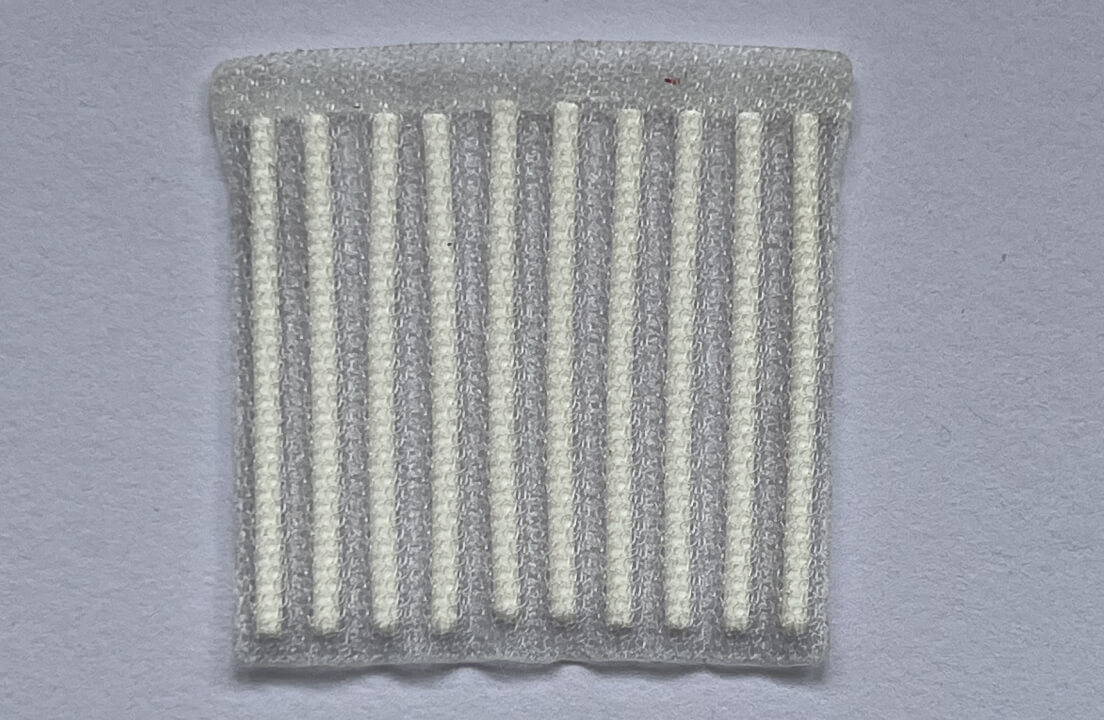
An integral part of the SR-02 approach is the credit card-sized Cell Pouch, which promotes a vascularized environment where islet cells can survive and thrive by receiving oxygen and nutrients. Its surgical mesh allows blood vessels to grow inside, where the cells can secrete insulin.
It’s Retrievable 

The Cell Pouch is the only implantable, retrievable cell-containment system currently in U.S. clinical trials to support islet engraftment and function. This retrievable environment matters because, if anything goes wrong, doctors can remove and replace the pouch.

“The FDA’s priority is safety,” said Rigby. “Some companies want to put the cells in the liver, but if something goes wrong with them after a year, 10 years or 15 years, you’re out of luck. You cannot take them out of the liver. The advantage of the Cell Pouch is that it provides an environment where the cells can thrive and survive. But if we need to remove them, we can do it in a very simple procedure.”

“We had a patient insulin-independent for about five years, and we took the Cell Pouch out, and we saw that all of the islet cells were doing exactly what they should do,” he added. “We have a belt-and-braces approach to doing this safely.”

Seraxis’ Seragraft (SR-01) tried to create a barrier to the immune system that allowed cells to regulate blood glucose, but the attempts were unsuccessful. “No barrier device has ever worked in a meaningful setting,” said Rust. “Its device is a totally different philosophy. It’s not building a wall to block the immune cells; its goal is to create a vascularized niche that looks like the inside of the pancreas.”

Implantation in the Omentum

Since cells cannot be returned to the pancreas, and the liver is not considered a viable long-term site for islet transplantation, to establish appropriate dosage, the SR-02 study will initially implant the islets in the omentum, a tissue in the abdomen, near the digestive system, with implantation sandwiched next to the liver and pancreas.

Immunosuppression with SR-02

Patients receiving treatment in the upcoming 2027 Phase 1/2 study must take standard immunosuppressive medications to prevent their immune systems from rejecting the cells. The unnamed, low-toxicity immunosuppressant regimen is required to preserve cell survival and functionality. That said, the trial plans will evaluate investigational strategies intended to reduce or potentially eliminate chronic immunosuppression.
Here’s Why

The Cell Pouch is a highly porous bio-hybrid device, designed for vascularization, not isolation. It’s not a barrier to the immune system, but it forms a niche to house the islet cells, providing nutrients and oxygen to support cell survival.

Rigby explained that because these cells are not genetically modified to evade the immune system and are foreign to the patient’s body, the patient’s immune system will still see them as invaders and attempt to destroy them through transplant rejection. Therefore, patients will require immunosuppression to prevent that rejection.

Since immunosuppressant medications carry risks of infection and cancer, BetaNova is also exploring strategies to reduce or potentially eliminate the need for long-term immunosuppression.

Enter SR-03 Gene-Editing

Developing cells that secrete insulin is one thing, but protecting them from the body’s immune system is another undertaking. BetaNova’s next-generation treatment (SR-03 Study) will use the same cell line as SR-02 with the Cell Pouch and apply genetic modifications to create ‘hypo-immune’ cells that are designed to reduce immune recognition and potentially avoid chronic immunosuppression.

If successful, this approach could represent a major step toward the ultimate goal of T1D research: replacing insulin-producing cells without lifelong immunosuppression.

“We’ve engineered a cell; it’s called SR-03. It’s a version of SR-02 that has gene edits to turn off the immune system,” said Rust. “The goal is to put these gene-edited cells into the Cell Pouch in the abdomen and remove immunosuppression.”

The company plans to submit its SR-03 IND filing to the FDA in H2 2027 to start human testing.

“We have high confidence that it’s going to sail through, because SR-02 sailed through, and this is the exact same thing, with just a few gene add-ins,” said Rust. “Same manufacturing, same character, same lot release criteria, same everything.” 

Additionally, they can build on the clinical data they will have accrued by then.
Two Strategies for Success

Rust explained that BetaNova will take a two-plan approach. “We want to be sure that we can remove the immunosuppression, and we’ve got two strategies. Gene editing, and another one that people aren’t talking about: tipping the balance of autoimmunity in the body so they’ll accept the graft itself, and then you don’t need to make any gene edits.”

“And that is going to be done with SR-02, in partnership with companies that have next-gen immunosuppressants. So, we’re gonna do both. We’re going to try to convince the body to accept SR-02 as harmless, and we’re going to bring SR-03, the gene-edited line, to the clinic and see which one performs best,” he added.

“This first is a method of tapering off the immunosuppression. You start with the regular standard of care. You overcome acute rejection, and when healing is finished, and you’re in the recovery stage, you start the weaning process. You just taper down the (immunosuppressant) drugs to almost nothing.”

The Long Pursuit for a Functional T1D Cure

Both companies have been working toward this goal for more than 10 years. If SR-03 proves successful, it could achieve what has long been considered the Holy Grail of diabetes treatment: a practical cure that restores insulin production without immunosuppression.
Rigby remains optimistic. “I think the amount of progress that we’ve made in a relatively short period of time is significant. We have all the ingredients to really make a difference in the lives of people with T1D. We look at everything a million times, we fact-check ourselves, and we speak to experts.”

“Diabetes is far from being treated properly,” he added. “We’ve come a long way, but we’re not there yet. This disease is killing people every single day. That’s why we’re going to do everything we can to change that.”

Latest News

Read all
arrow
T1D GuideT1D Strong NewsPersonal StoriesResourcesT1D MisdiagnosisT1D Early DetectionResearch/Clinical Trials
T1D Strong DNA test has been awarded at ADA 2024 conference

Our DNA test is selected as one of the finalists for the American Diabetes Association Innovation Challenge 2024!

T1D Team

T1D Team

T1D GuideT1D Strong NewsPersonal StoriesResourcesT1D MisdiagnosisT1D Early DetectionResearch/Clinical Trials
Achieving the Milestone - 100 Articles Published!

We're just getting started! Committed to empowering the T1D community, we continue to share knowledge and stories.

T1D Team

T1D Team

Read all
arrow

Related Articles

The latest news, technologies, and resources from our team.

The New Global Type 1 Diabetes Screening Schedule: A Major Shift in Early Detection
T1D GuideT1D Strong NewsPersonal StoriesResourcesT1D MisdiagnosisT1D Early DetectionResearch/Clinical Trials
The New Global Type 1 Diabetes Screening Schedule: A Major Shift in Early Detection
Marlaina Goedel Marks Two Years Insulin-Free After Becoming the First Patient in Eledon’s Groundbreaking Islet Cell Transplant Trial
T1D GuideT1D Strong NewsPersonal StoriesResourcesT1D MisdiagnosisT1D Early DetectionResearch/Clinical Trials
Marlaina Goedel Marks Two Years Insulin-Free After Becoming the First Patient in Eledon’s Groundbreaking Islet Cell Transplant Trial
From Prediction to Prevention: How TrialNet Is Changing the Future of Type 1 Diabetes
T1D GuideT1D Strong NewsPersonal StoriesResourcesT1D MisdiagnosisT1D Early DetectionResearch/Clinical Trials
From Prediction to Prevention: How TrialNet Is Changing the Future of Type 1 Diabetes
Newly Diagnosed with T1D: What if We Can Retrain Your Immune System to Stop Attacking Beta Cells?
T1D GuideT1D Strong NewsPersonal StoriesResourcesT1D MisdiagnosisT1D Early DetectionResearch/Clinical Trials
Newly Diagnosed with T1D: What if We Can Retrain Your Immune System to Stop Attacking Beta Cells?
His Pancreas Is Still Making Insulin—Can Tzield Keep It Going?
T1D GuideT1D Strong NewsPersonal StoriesResourcesT1D MisdiagnosisT1D Early DetectionResearch/Clinical Trials
His Pancreas Is Still Making Insulin—Can Tzield Keep It Going?
Sana’s Gene-Edited Islet Cells Are Still Producing Insulin After 14 Months—Without Immunosuppression
T1D GuideT1D Strong NewsPersonal StoriesResourcesT1D MisdiagnosisT1D Early DetectionResearch/Clinical Trials
Sana’s Gene-Edited Islet Cells Are Still Producing Insulin After 14 Months—Without Immunosuppression
Clinical Trials and Type 1 Diabetes: How They Work, Who Can Join, and What to Expect
T1D GuideT1D Strong NewsPersonal StoriesResourcesT1D MisdiagnosisT1D Early DetectionResearch/Clinical Trials
Clinical Trials and Type 1 Diabetes: How They Work, Who Can Join, and What to Expect
The Money Behind a Diabetes Cure: How Investors Could Profit from T1D Research
T1D GuideT1D Strong NewsPersonal StoriesResourcesT1D MisdiagnosisT1D Early DetectionResearch/Clinical Trials
The Money Behind a Diabetes Cure: How Investors Could Profit from T1D Research
Considering Tzield for Yourself or a Loved One? Here’s What You Need to Know
T1D GuideT1D Strong NewsPersonal StoriesResourcesT1D MisdiagnosisT1D Early DetectionResearch/Clinical Trials
Considering Tzield for Yourself or a Loved One? Here’s What You Need to Know
University of Michigan’s First Tzield Pediatric Patient Diagnosed in Stage 2 – A Year and a Half Later, He is Still Insulin-Free
T1D GuideT1D Strong NewsPersonal StoriesResourcesT1D MisdiagnosisT1D Early DetectionResearch/Clinical Trials
University of Michigan’s First Tzield Pediatric Patient Diagnosed in Stage 2 – A Year and a Half Later, He is Still Insulin-Free
Three Months Later: Katie Beth Hand's Life After Becoming Insulin-Independent in the Eledon Trial
T1D GuideT1D Strong NewsPersonal StoriesResourcesT1D MisdiagnosisT1D Early DetectionResearch/Clinical Trials
Three Months Later: Katie Beth Hand's Life After Becoming Insulin-Independent in the Eledon Trial
India’s Rising Type 1 Diabetes Crisis: Why Cases Are Surging and What It Means
T1D GuideT1D Strong NewsPersonal StoriesResourcesT1D MisdiagnosisT1D Early DetectionResearch/Clinical Trials
India’s Rising Type 1 Diabetes Crisis: Why Cases Are Surging and What It Means
Father and Son Paul and Nick Peloso Discuss Growing Up with Type 1 Diabetes and the Breakthrough T1D Therapy Paul Is Developing
T1D GuideT1D Strong NewsPersonal StoriesResourcesT1D MisdiagnosisT1D Early DetectionResearch/Clinical Trials
Father and Son Paul and Nick Peloso Discuss Growing Up with Type 1 Diabetes and the Breakthrough T1D Therapy Paul Is Developing
Highlights, Controversy, and Celebration at the ADA’s 86th Scientific Sessions
T1D GuideT1D Strong NewsPersonal StoriesResourcesT1D MisdiagnosisT1D Early DetectionResearch/Clinical Trials
Highlights, Controversy, and Celebration at the ADA’s 86th Scientific Sessions
The Dexcom G8 Breakthrough: Why Everyone Is Talking About It
T1D GuideT1D Strong NewsPersonal StoriesResourcesT1D MisdiagnosisT1D Early DetectionResearch/Clinical Trials
The Dexcom G8 Breakthrough: Why Everyone Is Talking About It
Tzield Just Approved for Ages 1 and Up in Stage 2 T1D
T1D GuideT1D Strong NewsPersonal StoriesResourcesT1D MisdiagnosisT1D Early DetectionResearch/Clinical Trials
Tzield Just Approved for Ages 1 and Up in Stage 2 T1D
Type 1 Diabetes Breakthroughs to Watch in 2026
T1D GuideT1D Strong NewsPersonal StoriesResourcesT1D MisdiagnosisT1D Early DetectionResearch/Clinical Trials
Type 1 Diabetes Breakthroughs to Watch in 2026
From Screening Her Children to Starting Tzield: Chris Dunn’s Type 1 Diabetes Journey
T1D GuideT1D Strong NewsPersonal StoriesResourcesT1D MisdiagnosisT1D Early DetectionResearch/Clinical Trials
From Screening Her Children to Starting Tzield: Chris Dunn’s Type 1 Diabetes Journey
Think Like a Pancreas: Gary Scheiner on Type 1 Diabetes Education and Living Well
T1D GuideT1D Strong NewsPersonal StoriesResourcesT1D MisdiagnosisT1D Early DetectionResearch/Clinical Trials
Think Like a Pancreas: Gary Scheiner on Type 1 Diabetes Education and Living Well
Tegoprubart is a Game Changer in Islet Cell Transplantation Surgery for T1D Patients
T1D GuideT1D Strong NewsPersonal StoriesResourcesT1D MisdiagnosisT1D Early DetectionResearch/Clinical Trials
Tegoprubart is a Game Changer in Islet Cell Transplantation Surgery for T1D Patients
Type 1 Diabetes in 2025: Advances in Early Detection, Screening, and What’s Next
T1D GuideT1D Strong NewsPersonal StoriesResourcesT1D MisdiagnosisT1D Early DetectionResearch/Clinical Trials
Type 1 Diabetes in 2025: Advances in Early Detection, Screening, and What’s Next
Inside the Chicago Diabetes Project: Executive Director Jill Dine on the Search for a T1D Cure
T1D GuideT1D Strong NewsPersonal StoriesResourcesT1D MisdiagnosisT1D Early DetectionResearch/Clinical Trials
Inside the Chicago Diabetes Project: Executive Director Jill Dine on the Search for a T1D Cure
Baricitinib’s Breakthrough and Why Screening for T1D Matters More Than Ever
T1D GuideT1D Strong NewsPersonal StoriesResourcesT1D MisdiagnosisT1D Early DetectionResearch/Clinical Trials
Baricitinib’s Breakthrough and Why Screening for T1D Matters More Than Ever
Catching Type 1 Early: A Mom’s Journey Through Screening and Tzield Therapy
T1D GuideT1D Strong NewsPersonal StoriesResourcesT1D MisdiagnosisT1D Early DetectionResearch/Clinical Trials
Catching Type 1 Early: A Mom’s Journey Through Screening and Tzield Therapy
FDA Fast-Tracks Tzield for Stage 3 Type 1 Diabetes
T1D GuideT1D Strong NewsPersonal StoriesResourcesT1D MisdiagnosisT1D Early DetectionResearch/Clinical Trials
FDA Fast-Tracks Tzield for Stage 3 Type 1 Diabetes
Why More Families Are Screening Their Children for Type 1 Diabetes—Two Stories with Different Outcomes
T1D GuideT1D Strong NewsPersonal StoriesResourcesT1D MisdiagnosisT1D Early DetectionResearch/Clinical Trials
Why More Families Are Screening Their Children for Type 1 Diabetes—Two Stories with Different Outcomes
COUR Pharma Pursues Disease-Modifying Therapy for T1D
T1D GuideT1D Strong NewsPersonal StoriesResourcesT1D MisdiagnosisT1D Early DetectionResearch/Clinical Trials
COUR Pharma Pursues Disease-Modifying Therapy for T1D
What Causes Type 1 Diabetes: Your Beta Cells or Immune System?
T1D GuideT1D Strong NewsPersonal StoriesResourcesT1D MisdiagnosisT1D Early DetectionResearch/Clinical Trials
What Causes Type 1 Diabetes: Your Beta Cells or Immune System?
Doctors at UI Health Performed the First Islet Transplant with Lantidra
T1D GuideT1D Strong NewsPersonal StoriesResourcesT1D MisdiagnosisT1D Early DetectionResearch/Clinical Trials
Doctors at UI Health Performed the First Islet Transplant with Lantidra
Top Type 1 Diabetes Research Breakthroughs to Watch in 2025
T1D GuideT1D Strong NewsPersonal StoriesResourcesT1D MisdiagnosisT1D Early DetectionResearch/Clinical Trials
Top Type 1 Diabetes Research Breakthroughs to Watch in 2025
Zucara’s New Drug Aims to Prevent Overnight Lows in Type 1 Diabetes
T1D GuideT1D Strong NewsPersonal StoriesResourcesT1D MisdiagnosisT1D Early DetectionResearch/Clinical Trials
Zucara’s New Drug Aims to Prevent Overnight Lows in Type 1 Diabetes
Diabetes Research Connection Launches 2025 Funding Opportunities for Early-Career Type 1 Diabetes Scientists
T1D GuideT1D Strong NewsPersonal StoriesResourcesT1D MisdiagnosisT1D Early DetectionResearch/Clinical Trials
Diabetes Research Connection Launches 2025 Funding Opportunities for Early-Career Type 1 Diabetes Scientists
T1D Cure Research Breakthroughs from Vertex and Sana Biotechnology
T1D GuideT1D Strong NewsPersonal StoriesResourcesT1D MisdiagnosisT1D Early DetectionResearch/Clinical Trials
T1D Cure Research Breakthroughs from Vertex and Sana Biotechnology
TrialNet Helps Delay the Progression of Type 1 Diabetes
T1D GuideT1D Strong NewsPersonal StoriesResourcesT1D MisdiagnosisT1D Early DetectionResearch/Clinical Trials
TrialNet Helps Delay the Progression of Type 1 Diabetes
Vertex’s VX-264 Clinical Trial Fails to Produce Results & Ends Abruptly
T1D GuideT1D Strong NewsPersonal StoriesResourcesT1D MisdiagnosisT1D Early DetectionResearch/Clinical Trials
Vertex’s VX-264 Clinical Trial Fails to Produce Results & Ends Abruptly
New Disease-Modifying Therapies that Delay T1D Onset
T1D GuideT1D Strong NewsPersonal StoriesResourcesT1D MisdiagnosisT1D Early DetectionResearch/Clinical Trials
New Disease-Modifying Therapies that Delay T1D Onset
Research in China is Curing Type 1 Diabetes with Fat Cells
T1D GuideT1D Strong NewsPersonal StoriesResourcesT1D MisdiagnosisT1D Early DetectionResearch/Clinical Trials
Research in China is Curing Type 1 Diabetes with Fat Cells
Denosumab: Another Reason to Screen for T1D 
T1D GuideT1D Strong NewsPersonal StoriesResourcesT1D MisdiagnosisT1D Early DetectionResearch/Clinical Trials
Denosumab: Another Reason to Screen for T1D 
Sana Biotech’s Cell Therapy without Immunosuppression is a Gamechanger
T1D GuideT1D Strong NewsPersonal StoriesResourcesT1D MisdiagnosisT1D Early DetectionResearch/Clinical Trials
Sana Biotech’s Cell Therapy without Immunosuppression is a Gamechanger
Will These Scientists and Their Cows Help Cure Type 1 Diabetes?
T1D GuideT1D Strong NewsPersonal StoriesResourcesT1D MisdiagnosisT1D Early DetectionResearch/Clinical Trials
Will These Scientists and Their Cows Help Cure Type 1 Diabetes?
Vertex T1D Trial VX-880 Moves into Phase III
T1D GuideT1D Strong NewsPersonal StoriesResourcesT1D MisdiagnosisT1D Early DetectionResearch/Clinical Trials
Vertex T1D Trial VX-880 Moves into Phase III
First T1D Functional Cure Using Immunosuppressive Therapy
T1D GuideT1D Strong NewsPersonal StoriesResourcesT1D MisdiagnosisT1D Early DetectionResearch/Clinical Trials
First T1D Functional Cure Using Immunosuppressive Therapy
Stem Cell Therapy to Reverse T1D Inspires Hope
T1D GuideT1D Strong NewsPersonal StoriesResourcesT1D MisdiagnosisT1D Early DetectionResearch/Clinical Trials
Stem Cell Therapy to Reverse T1D Inspires Hope
Diamyd Medical has a Clinical Trial for Newly Diagnosed T1Ds
T1D GuideT1D Strong NewsPersonal StoriesResourcesT1D MisdiagnosisT1D Early DetectionResearch/Clinical Trials
Diamyd Medical has a Clinical Trial for Newly Diagnosed T1Ds
T1D Human Trials Happening Right Now
T1D GuideT1D Strong NewsPersonal StoriesResourcesT1D MisdiagnosisT1D Early DetectionResearch/Clinical Trials
T1D Human Trials Happening Right Now
T1D Strong DNA test got another award - Diabetes Center Berne Innovation Challenge
T1D GuideT1D Strong NewsPersonal StoriesResourcesT1D MisdiagnosisT1D Early DetectionResearch/Clinical Trials
T1D Strong DNA test got another award - Diabetes Center Berne Innovation Challenge
T1D Strong DNA test has been awarded at ADA 2024 conference
T1D GuideT1D Strong NewsPersonal StoriesResourcesT1D MisdiagnosisT1D Early DetectionResearch/Clinical Trials
T1D Strong DNA test has been awarded at ADA 2024 conference
Achieving the Milestone - 100 Articles Published!
T1D GuideT1D Strong NewsPersonal StoriesResourcesT1D MisdiagnosisT1D Early DetectionResearch/Clinical Trials
Achieving the Milestone - 100 Articles Published!
Introducing Kelsey McShay: A New Voice at T1DStrong!
T1D GuideT1D Strong NewsPersonal StoriesResourcesT1D MisdiagnosisT1D Early DetectionResearch/Clinical Trials
Introducing Kelsey McShay: A New Voice at T1DStrong!
Vertex Pharmaceuticals Seeks Solutions to Cure T1D
T1D GuideT1D Strong NewsPersonal StoriesResourcesT1D MisdiagnosisT1D Early DetectionResearch/Clinical Trials
Vertex Pharmaceuticals Seeks Solutions to Cure T1D
Celebrating a Milestone: 1000+ Followers on Our Social Media Platforms!
T1D GuideT1D Strong NewsPersonal StoriesResourcesT1D MisdiagnosisT1D Early DetectionResearch/Clinical Trials
Celebrating a Milestone: 1000+ Followers on Our Social Media Platforms!
Amplifying the Voices of Patient Advocacy Leaders
T1D GuideT1D Strong NewsPersonal StoriesResourcesT1D MisdiagnosisT1D Early DetectionResearch/Clinical Trials
Amplifying the Voices of Patient Advocacy Leaders
Interview with Amy Tenderich
T1D GuideT1D Strong NewsPersonal StoriesResourcesT1D MisdiagnosisT1D Early DetectionResearch/Clinical Trials
Interview with Amy Tenderich
Interview with Breakthrough T1D (Formerly JDRF) Market Director, Mike Somers
T1D GuideT1D Strong NewsPersonal StoriesResourcesT1D MisdiagnosisT1D Early DetectionResearch/Clinical Trials
Interview with Breakthrough T1D (Formerly JDRF) Market Director, Mike Somers
Diabetes Awareness Month - we'll post everyday on Social
T1D GuideT1D Strong NewsPersonal StoriesResourcesT1D MisdiagnosisT1D Early DetectionResearch/Clinical Trials
Diabetes Awareness Month - we'll post everyday on Social
Attending and presenting at DiabetesMine event in San Diego
T1D GuideT1D Strong NewsPersonal StoriesResourcesT1D MisdiagnosisT1D Early DetectionResearch/Clinical Trials
Attending and presenting at DiabetesMine event in San Diego
We published over 50 articles
T1D GuideT1D Strong NewsPersonal StoriesResourcesT1D MisdiagnosisT1D Early DetectionResearch/Clinical Trials
We published over 50 articles
Lantidra: A Possible Cure for TID?
T1D GuideT1D Strong NewsPersonal StoriesResourcesT1D MisdiagnosisT1D Early DetectionResearch/Clinical Trials
Lantidra: A Possible Cure for TID?
We launch T1D Strong
T1D GuideT1D Strong NewsPersonal StoriesResourcesT1D MisdiagnosisT1D Early DetectionResearch/Clinical Trials
We launch T1D Strong
Load More
background image

Knowledge Base

Personal Stories

Life stories of relentless individuals fostering resilience and empowering others.

Learn more

arrow

T1D Strong News

Stay updated with the latest from T1D Strong: product updates, company events, notable achievements and our future plans.

Learn more

arrow

T1D Early Detection

Discover advanced screening methods for early T1D detection. Learn about breakthrough diagnostics and early signs for proactive management.

Learn more

arrow

Research/Clinical Trials

Explore the latest breakthroughs in clinical research and trials. Stay informed about innovative treatments and scientific discoveries shaping the future of medicine.

Learn more

arrow

T1D Misdiagnosis

Understanding common queries and exclusive information about diabetes of any type.

Learn more

arrow

T1D Guide

Strategies to enhance lifestyle optimization with type 1 diabetes.

Learn more

arrow

Resources

Knowledge hub for advanced information on type 1 diabetes.

Learn more

arrow