


T1D Guide
T1D Strong News
Personal Stories
Resources
T1D Misdiagnosis
T1D Early Detection
Research/Clinical Trials
The New Global Type 1 Diabetes Screening Schedule: A Major Shift in Early Detection
Breakthrough T1D and other leading health organizations have established a clinical framework to integrate general population screening for type 1 diabetes (T1D) into routine pediatric healthcare prevention.

.webp)
Here’s what parents need to know about the 3-stage childhood testing schedule and when it’s expected to take place.
New International Guidelines
Published September 10, 2026, the International Consensus Guidance for General Population Screening for Islet Autoantibodies to Diagnose Early-Stage Type 1 Diabetes provides the first structure for screening early-stage type 1 diabetes in children.
A Collaborative Effort
Although Breakthrough T1D led the paper, it was a widely collaborative effort, endorsed by an extensive list of 20 major diabetes and medical organizations worldwide. Published in Diabetologia, the official journal of the European Association for the Study of Diabetes (EASD), the panel’s framework outlines a simple blood test to detect islet autoantibodies in the early stages of T1D.
Since the screening protocol was created for international use, the groups involved include several endocrinology and diabetes organizations, including EASD, Association of Diabetes Care & Education Specialists (ADCES), Advanced Technologies & Treatments for Diabetes (ATTD), International Society for Pediatric and Adolescent Diabetes (ISPAD), IDF Europe, Pediatric Endocrine Nurses Society (PENS) and T1D Exchange. The goal is to help translate the new guidelines into everyday pediatric clinical practice.
How T1D Stages Led to Early Screening
Historically, a person didn’t know they had type 1 diabetes until they developed the symptoms and, in most cases, became critically ill with complications like diabetic ketoacidosis (DKA).
Now, we know T1D is an autoimmune condition that progresses in three distinct stages long before symptoms appear. This has enabled doctors and researchers to catch the disease and treat it proactively. There is now an FDA-approved therapy, Tzield (teplizumab), which can slow down the disease’s progression up to two years in some cases.
.jpg)
Recommended Screening Schedule
T1D staging information has led to these new published guidelines set in three age windows, intended to catch early-stage type 1 diabetes before symptoms occur. As risk profiles change over time, re-testing is important. A negative result doesn’t mean the autoantibodies won’t appear later in life.
First Screen (Ages 2 to 4): Screening begins here because autoantibodies frequently first appear during early childhood.
Second Screen (Ages 6 to 8): If the first test is negative, children are re-tested during this mid-childhood window to catch autoantibodies that may have developed later.
Third Screen (Ages 10 to 15): A final routine childhood screen occurs during adolescence to ensure full coverage through primary growth years.
Catch-Up Screening: There is also a ‘catch-up’ screening recommendation for children not previously tested, noting they should schedule a screening at the earliest opportunity.
These instructions are not only for children and adolescents, though children are the primary focus. The expert panel for the consensus recommends a one-time screening after age 15. Research programs like TrialNet allow testing for relatives of T1D patients up to age 45, recognizing that T1D can develop at any stage of life.

How the Process Works
This framework is a ‘how-to’ guide for doctors to implement screening practices.
First, children complete a simple blood test that looks for autoantibodies, indicating the body’s immune system is attacking the insulin-producing beta cells in the pancreas.
A positive result must be confirmed with a second blood test before a diagnosis.
Next, if results show two or more autoantibodies, this means the child is in stage 1 or stage 2 T1D.
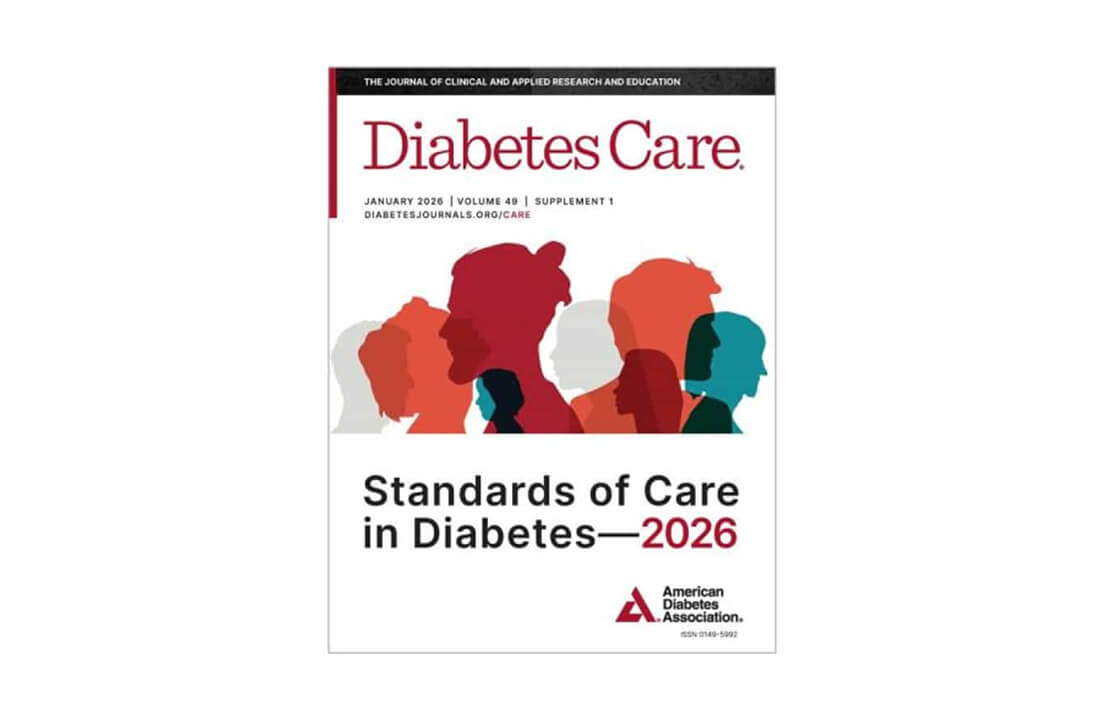
According to the American Diabetes Associations (ADA) Standards of Care, a single autoantibody does not necessarily lead to type 1 diabetes. In children with one persistent islet autoantibody, the risk of developing T1D within 10 years is about 15%, meaning most will not progress to T1D during that time. However, having two or more confirmed autoantibodies substantially increases the risk: people with stage 1 T1D have about a 44% risk of developing symptomatic T1D within five years.

How Soon Will the Screening Hit Doctors’ Offices?
Now that healthcare providers have the baseline information needed to implement T1D screening, the process will likely take a while to become available at your child’s routine physical.
We can expect earlier testing to begin at pediatric networks tied to major university medical centers, integrating a three-stage schedule over the next six to 12 months.
Additionally, over the next two to four years, we can hopefully see standard care for T1D screening expand and become mandatory. Still, it will likely take a few years for government bodies like the American Academy of Pediatrics (AAP) to complete their review and update process.
Much more education is needed beyond testing if doctors don’t know what to do with a positive result. The new screening framework is created to hopefully bridge directly into Breakthrough T1D’s 2024 Monitoring Guidelines, which tell pediatricians exactly how often to check a child’s blood sugar once autoantibodies are found.
Additionally, insurance companies need to get on board to cover the blood panels doctors order under specific lab codes.
Why the Sudden Spotlight on Type 1 Diabetes Screening?
New Treatments
Since the approval of disease-modifying therapies like Tzield, which can delay the onset of clinical type 1 diabetes by about two years in some people, type 1 diabetes can now be delayed before symptoms appear for the first time in history.
Scientists and private researchers are developing medications that delay onset for individuals in T1D stage 2 and newly diagnosed patients in stage 3. This creates a path to actionable treatment, rather than simply addressing T1D symptoms.
Prevention of DKA
Screening with a simple islet autoantibody blood test can identify the disease early, preparing families and individuals and reducing life-threatening DKA rates. Approximately 40% of children with type 1 diabetes aren’t discovered until they’re in DKA, a serious complication that causes coma, brain swelling and sometimes death.

Rising Cases of Type 1 Diabetes
Cases of type 1 diabetes are growing across the globe and are expected to rise significantly more over the coming decades. According to the National Institutes of Health (NIH), current cases are just over 500,000 worldwide each year, but new cases are projected to rise 30% to over 605,000 by 2049.
Why Cases Are Rising
The NIH also reports that the rise in T1D diagnoses is partly due to better detection, but other factors include environmental triggers and viral infections. Changes in the gut microbiome and early childhood diet also contribute.
While environmental factors account for half of the total risk for developing T1D, genetics makes up the other half. If a person has a first-degree relative with type 1 diabetes, they have a 15-fold greater risk of developing T1D than the general population, which is one in 300.
Similarities to TrialNet’s Pathway to Prevention
Although the screening windows overlap, the new consensus guidance differs from TrialNet’s Pathway to Prevention in its eligibility, approach and purpose.
TrialNet primarily screens people with a family history of T1D. Its Pathway to Prevention is available to first-degree relatives (parents, siblings and children), ages 2 to 45, and second-degree relatives—including grandparents, aunts, uncles and cousins—ages 2 to 20.
TrialNet uses screening to identify people at increased risk and connect those with early-stage T1D to monitoring and prevention studies.
The new international consensus guidance, by contrast, recommends screening children in the general population, including those with no known family history of T1D. It focuses on key childhood ages when islet autoantibodies are most likely to emerge, recommending initial screening at ages 2–4, with repeat screening at ages 6–8 and 10–15.
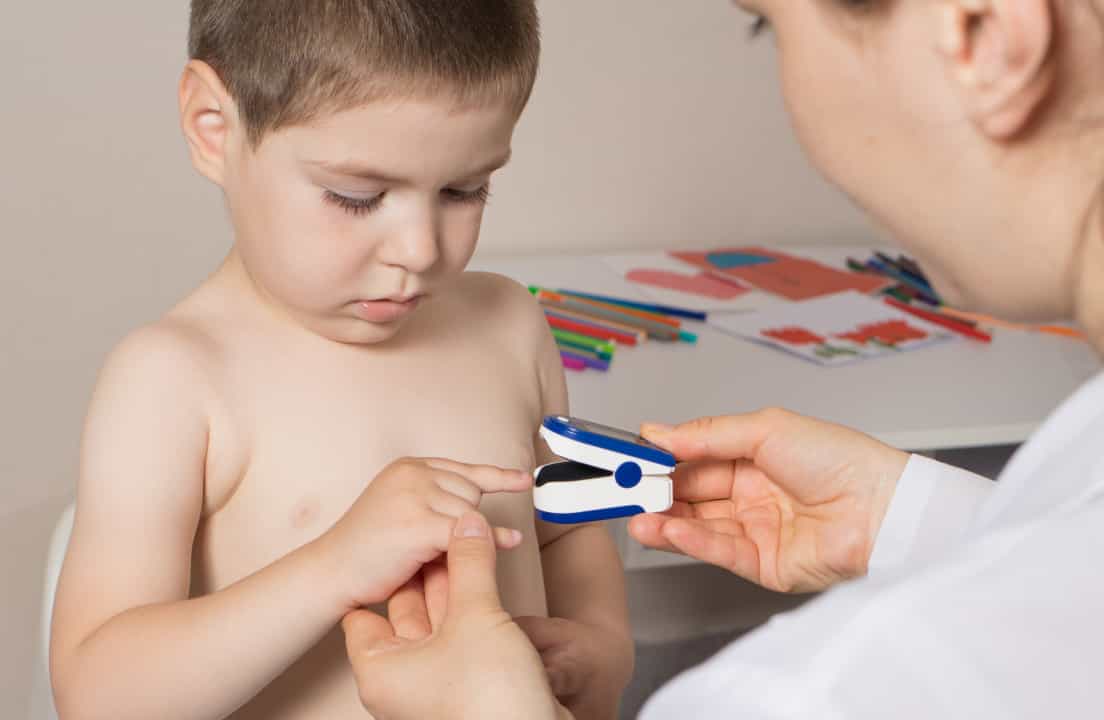
Why General Population Screening Matters Now
Catching the illness early allows families to plan: find a doctor, monitor blood glucose levels and, most importantly, reduce the risk of life-threatening DKA. General population screening is crucial, as 90% of people who develop T1D have no family history.
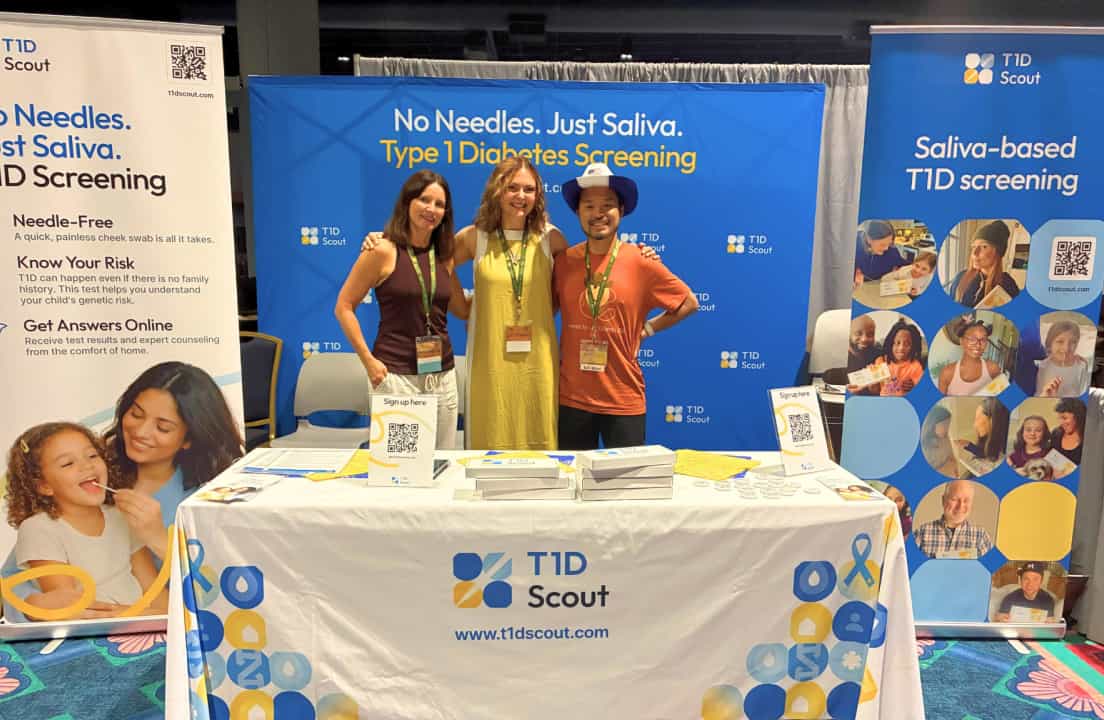
Families don’t have to wait for their routine clinical visit. Free research-based programs like TrialNet and ASK are available. At-home test kits are also available, such as Enable Bioscience, which tests for autoantibodies and T1D Scout, which tests for genetic risk.
For more information, go to: Where Can I Get Screened for Type 1 Diabetes.


.webp)










.jpeg)









.jpg)







.jpg)





.jpg)





%20(1).jpg)




.jpg)

.jpg)
.jpg)
.jpg)
.jpg)
.jpg)
.jpg)
.jpg)



.jpg)
.jpg)

.jpg)
.jpg)

.jpg)
.jpg)
.jpg)
.jpg)

.jpg)
.jpg)

.jpg)
.jpg)
.jpg)
.jpg)
.jpg)



.jpg)


.jpg)

.jpg)






.webp)
.svg)