


T1D Guide
T1D Strong News
Personal Stories
Resources
T1D Misdiagnosis
T1D Early Detection
Research/Clinical Trials
Why Adults Living with Type 1 Diabetes Across the U.S. Are Building Their Own Communities
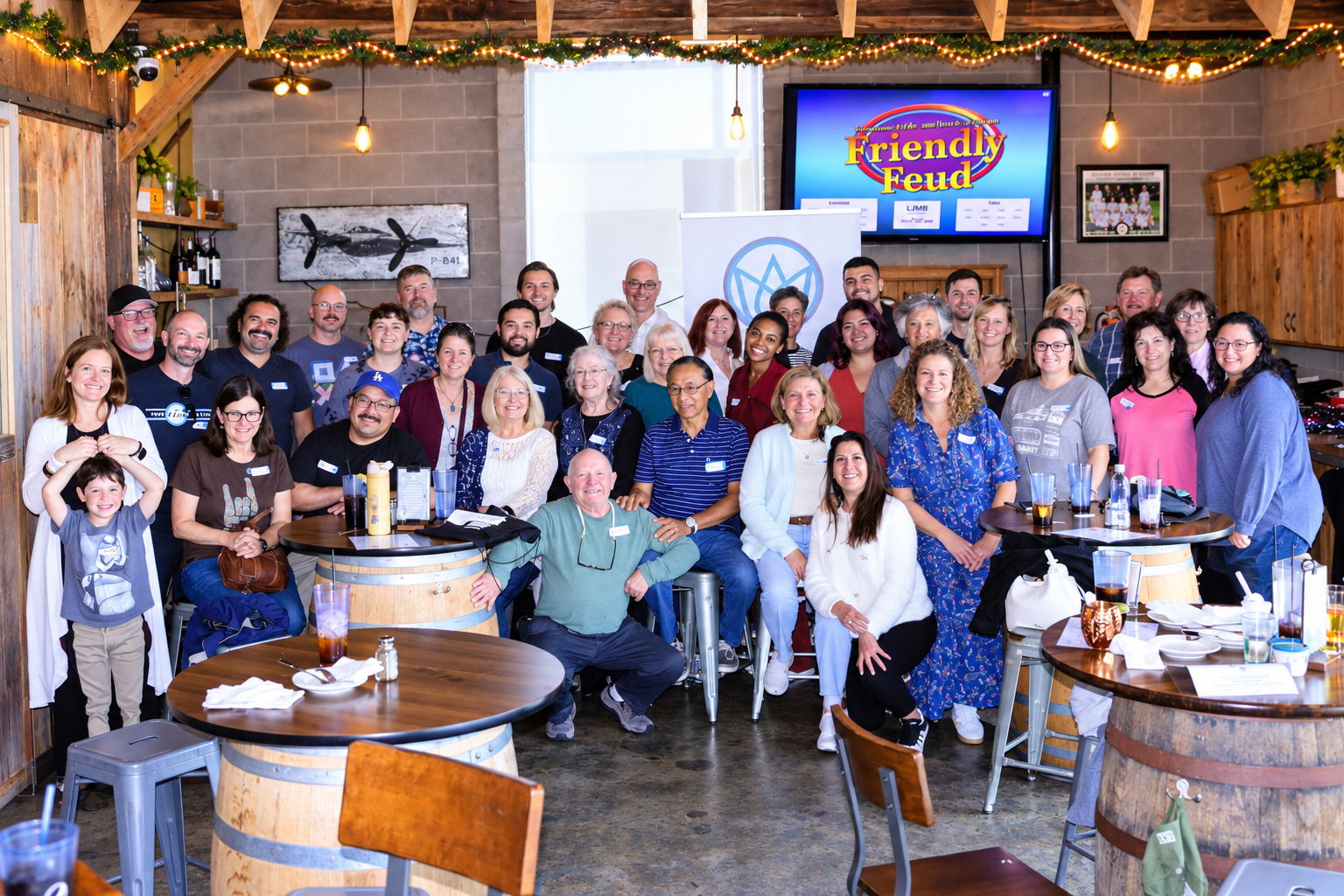
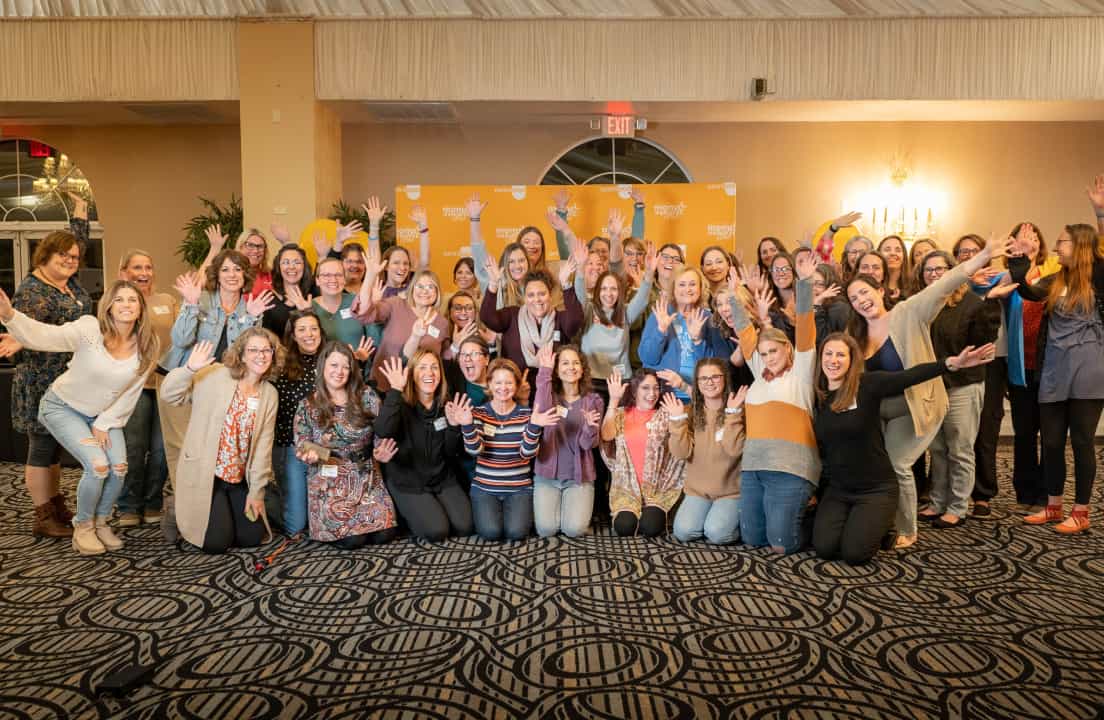
Many adults living with type 1 diabetes (T1D) go decades without meeting another adult who has it. For a long time, they had no local community, so they started building one. Grownup T1Ds began with meetups in Southern California and now has eight volunteer-led peer support chapters across the U.S., with more on the way. Much of that growth came from people who asked for it, including an endocrinologist and medical centers looking for a place to send adult patients.
.jpeg)
How a Question Turns into a New Chapter
Most new Grownup T1Ds chapters start with a message. As founder and executive director of the nonprofit, I receive them nearly every day. Many ask the same question: When will you be in our city?
I keep track of where those requests come from and how much interest there is in each area. Sometimes, the person who first asks about a chapter follows up and wants to help start one. Those conversations have helped turn interest in new cities into volunteer-led chapters that follow Grownup T1Ds' established chapter structure and guidelines.
That pattern explains how Grownup T1Ds has grown. Rather than following a national rollout plan, the organization has expanded as adults living with T1D saw what was missing in their communities and stepped up to build it.
They aren't the only ones asking. Healthcare providers are, too.
An Endocrinologist Looks for Adult Peer Support
In 2025, an Atlanta endocrinologist and clinical investigator who focuses on type 1 diabetes sent me a private message. He had recently come across Grownup T1Ds. "This is a huge need," he wrote.
He wanted to know whether there were plans to bring a chapter to Atlanta. At that time, there weren't. Georgia wasn't part of any planned expansion. When we later spoke, he described a gap he saw in his own practice. He had been searching for a peer support resource for his adult patients, a place where they could meet others living with the condition outside the clinic. That conversation set Atlanta in motion. The physician has stayed involved and continues to help spread the word about local meetups.
He wasn't the only one looking. Joslin Diabetes Center in Boston also reached out, wanting somewhere to refer people.
Their outreach highlights a gap between the medical care adults receive and the peer support some struggle to find.
What Adults with T1D Want from Peer Support
The messages I receive tend to fall into a few groups:
• Those who have lived with T1D for 20, 40 or even 60 years and say they have felt isolated or have never had a friend who understands what it's like
• Those diagnosed later in life who say they feel lost and are looking for a support group or a way to meet others who understand
• People in cities without a chapter asking when one will open near them
The numbers help explain why. According to the Centers for Disease Control and Prevention (CDC), 2.1 million people in the U.S. have diagnosed type 1 diabetes. About 1.8 million are adults age 20 or older, representing roughly 86% of the diagnosed population.
Being diagnosed later in life can bring a different set of challenges. People may find themselves learning about insulin and glucose monitoring while already juggling careers, relationships, children or even retirement.
Finding age-appropriate peer support can be difficult. At a Grownup T1Ds meetup, Jennifer shared that she had tried other diabetes gatherings but found she was the only person there with the condition who wasn't a child. Everyone else was either a child or the parent of one.
When she found Grownup T1Ds, she said she had finally found something “age appropriate.”
Programs for children and families fill a real need. Adults need opportunities to connect with others their own age, too.
Why Some Adults Go Decades Feeling Alone with Type 1 Diabetes
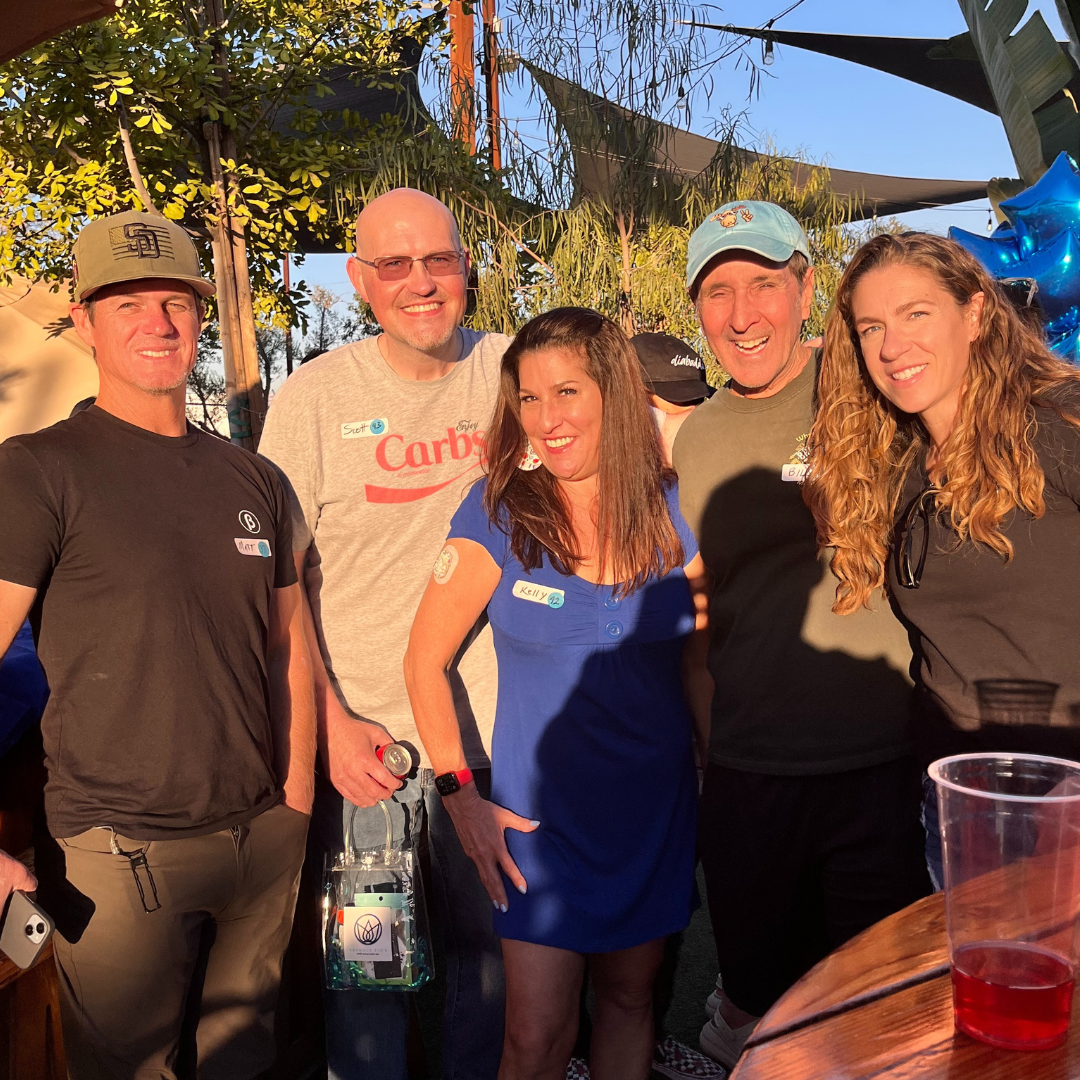
Linda had lived with type 1 diabetes for nearly 35 years before her first Grownup T1Ds meetup. She didn't know anyone else with it. "After feeling so alone, I finally felt seen and heard," she emailed afterward.
Carol described being "alone with diabetes challenges for 45 years."
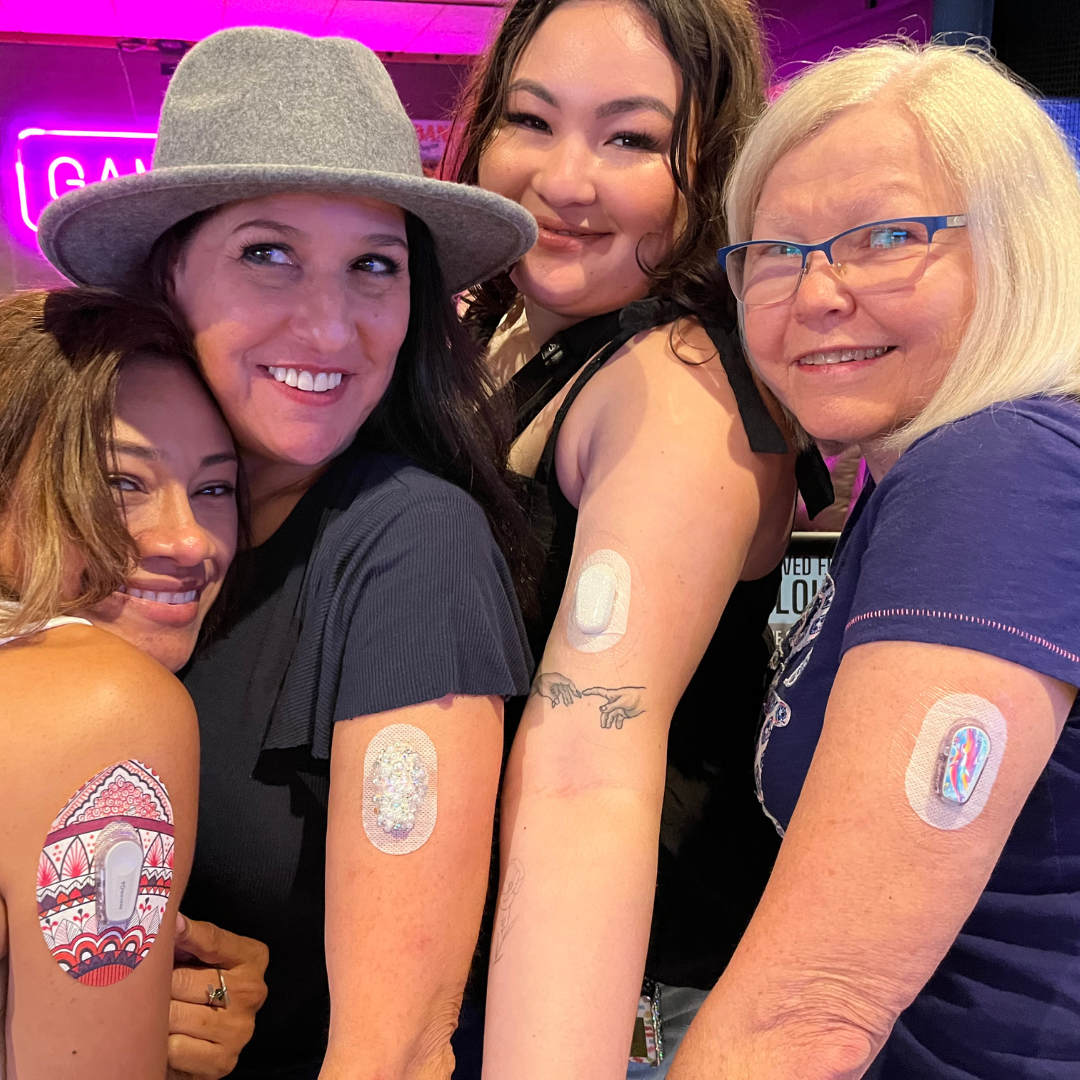
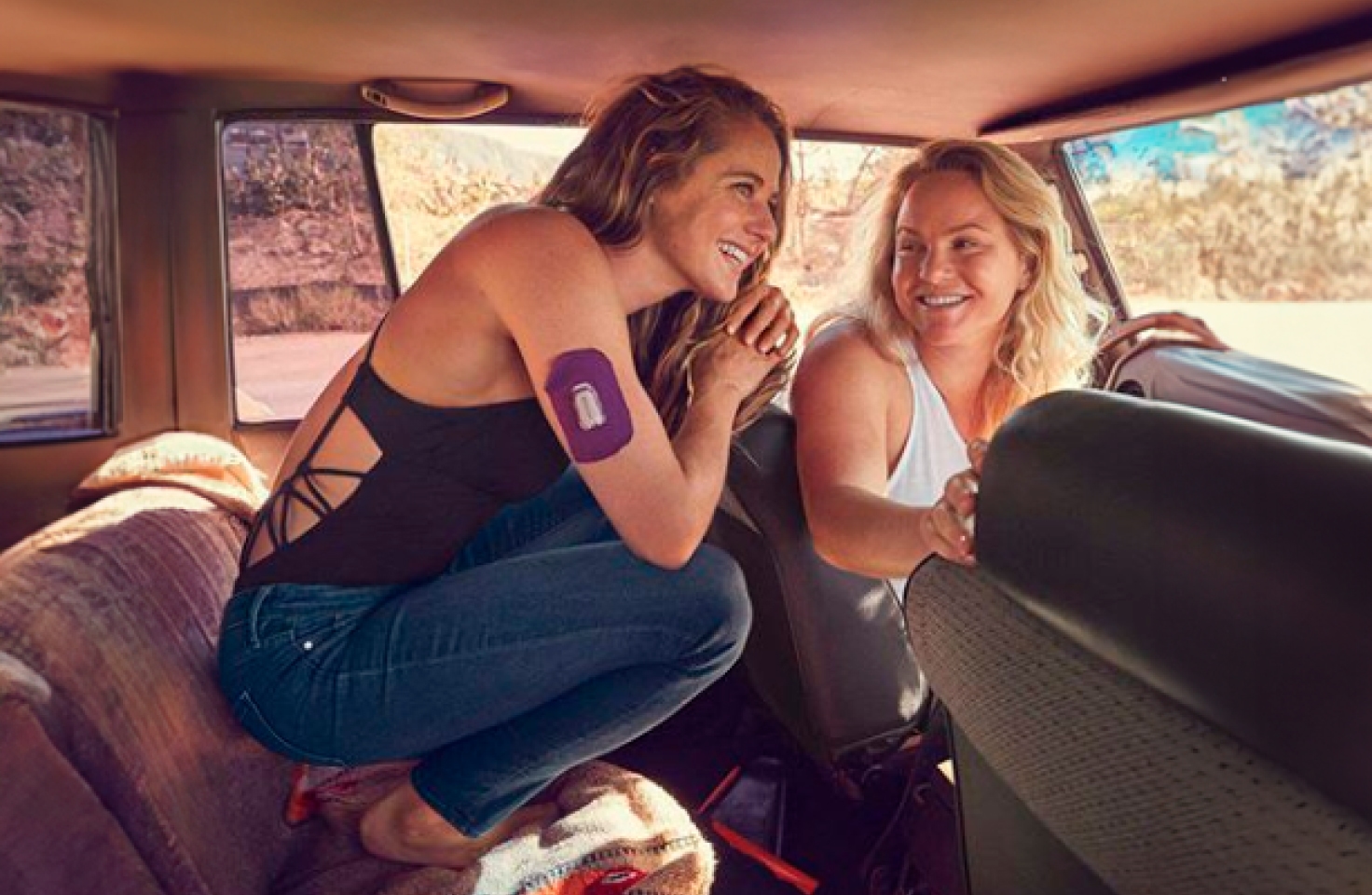
How does someone manage a condition every day for four decades and never meet anyone else who lives with it? Part of the answer may be that T1D often isn't visible. A pump can sit under a shirt. A continuous glucose monitor (CGM) can hide on the back of an arm. Two people may pass each other at work, in a grocery store or somewhere in their own community and never know they both live with T1D.
Eight Chapters Built by Local Volunteers
Grownup T1Ds now has eight established chapters across the U.S.:
• Southern California
• Philly Metro, including parts of New Jersey
• Metro New York City
• Atlanta
• Pensacola, Florida
• Southeast Florida
• Boston
• Triangle (Raleigh area), North Carolina
More cities are in the works.
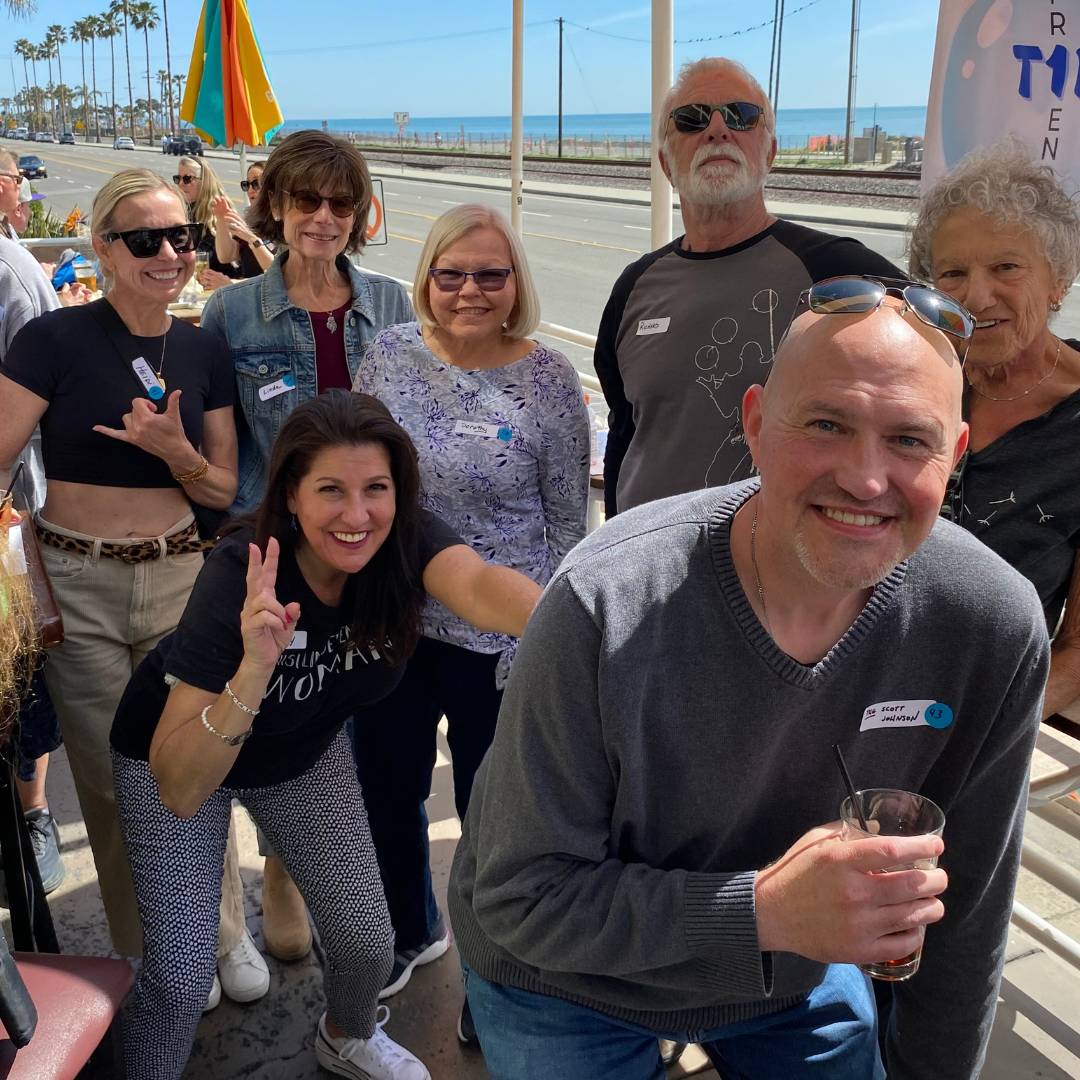
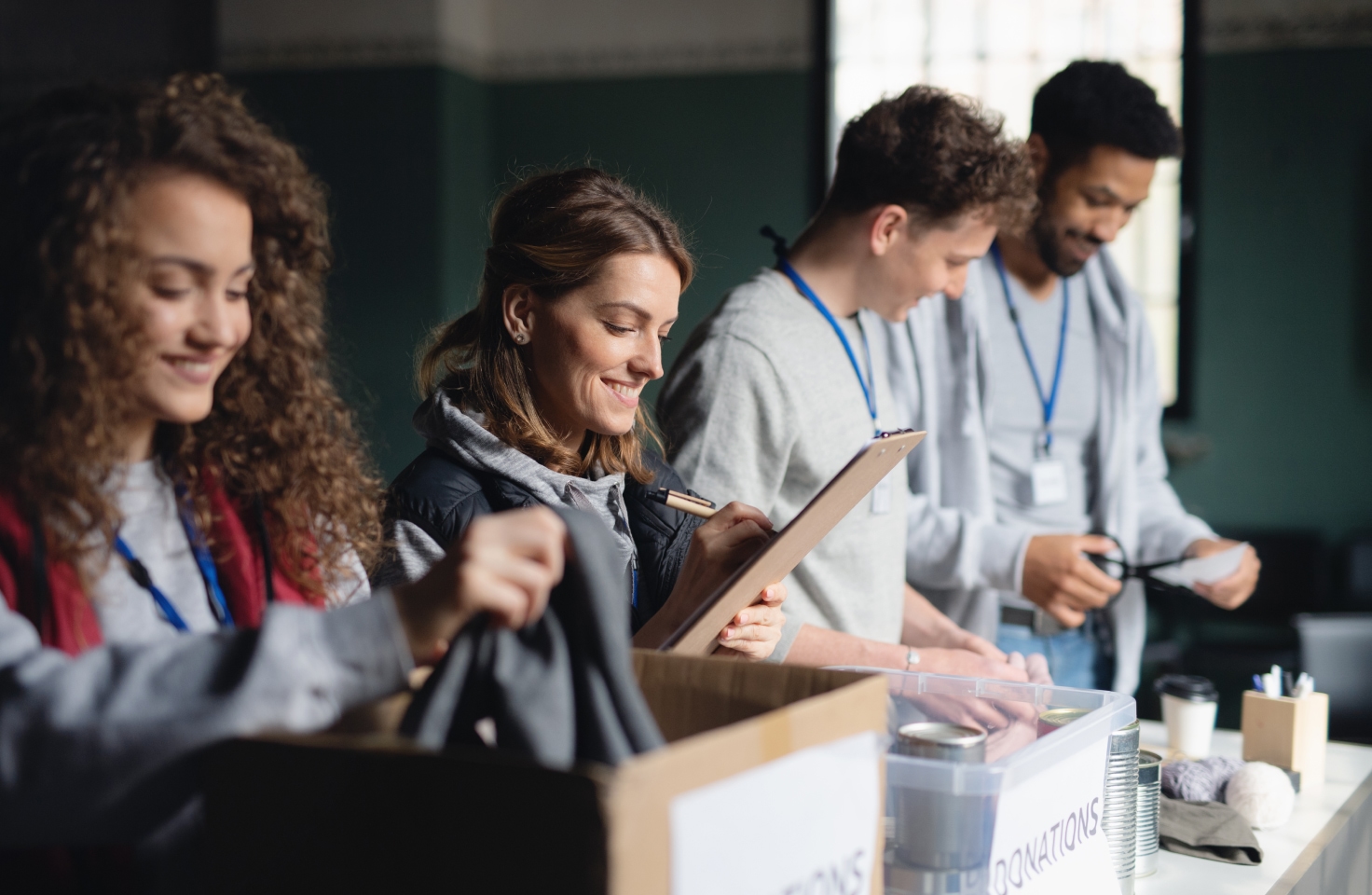
The volunteer chapter leaders bring a wide range of experience to their communities. They include registered dietitians, certified diabetes care and education specialists (CDCESs), a nurse practitioner who works in endocrinology and people involved with other national diabetes organizations. Others bring decades of lived experience, while some were diagnosed more recently.
They come from different backgrounds, but they share the same goal: bringing people with type 1 together locally. Chapter leaders follow Grownup T1Ds' established guidelines for organizing and running local meetups.
Walking into Your First Meetup
Wanting connection doesn't make walking into a room of strangers any easier.
Before Michael attended his first Grownup T1Ds meetup, a physician reached out to me on his behalf. Michael had been struggling with diabetes burnout and anxiety and was nervous about attending. We spoke before the meetup and quickly connected. Michael decided to come. The first few minutes still felt overwhelming, but he stayed and started talking with people.
“Everybody was incredibly welcoming,” he texted afterward. As he relaxed, something changed. “I felt a boost in self-esteem and confidence, and honestly a little more empowered.”
Michael isn't the only one who has been nervous about walking into a first meetup. I often talk with people by phone or email beforehand. One woman later emailed about arriving for the first time. She walked into the sports bar, spotted all the “robot parts” and immediately thought, “I knew I was in the right place.”
Every meetup follows a simple rule: “We share, never compare.”
Attendees arrive with different devices, routines and histories. One person may use an insulin pump while the person next to them uses injections. Someone who has lived with it for 50 years may sit beside someone diagnosed last spring. The goal is not to compare how well anyone manages diabetes.
Why In-Person Connection Still Matters
Online diabetes communities give people more ways to connect across distances. Social media groups, podcasts and virtual programs link people who live thousands of miles apart. They offer real information and real friendships.
Still, the requests I receive are almost always for something local and in person.
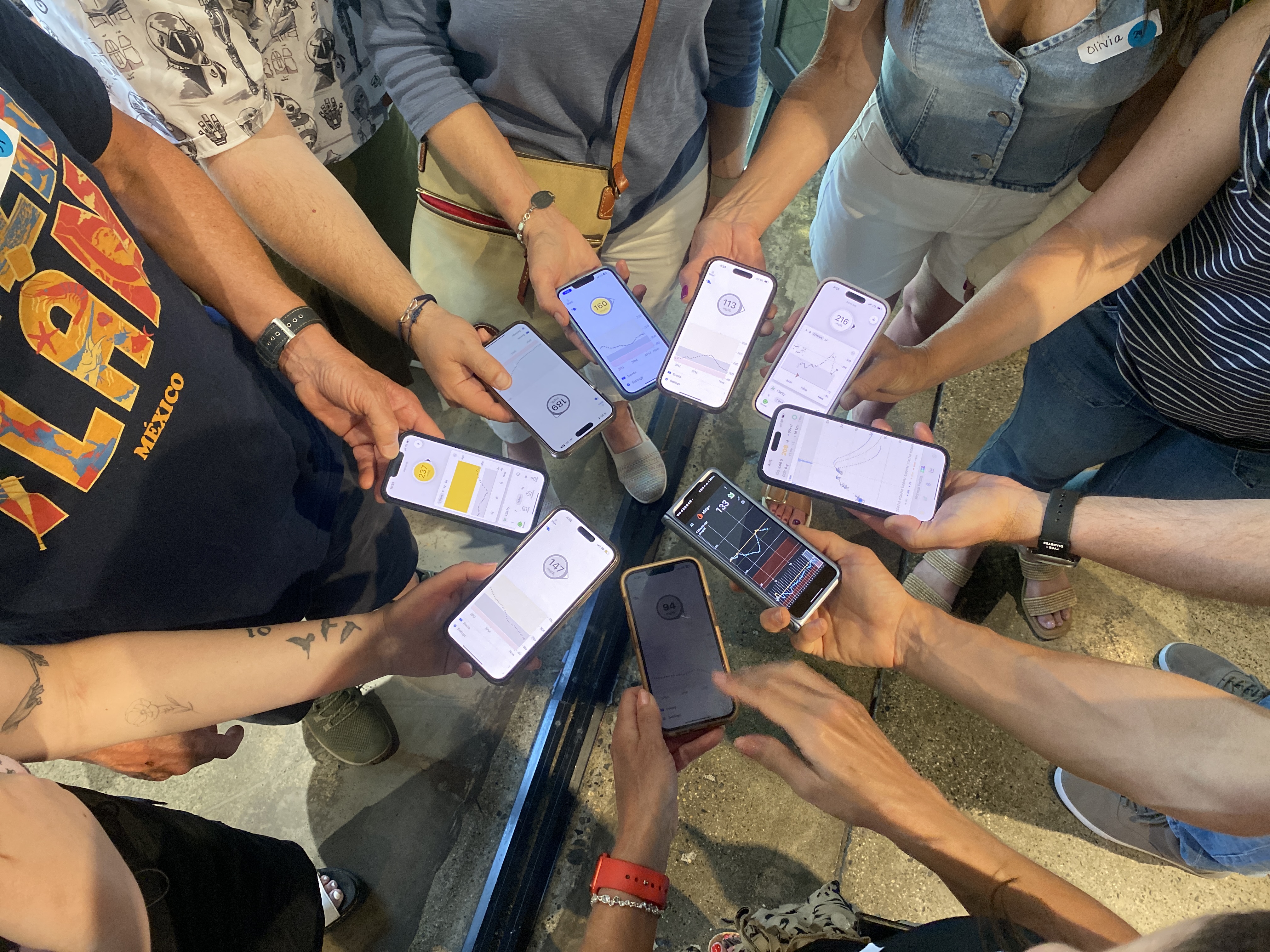
People want to meet for coffee, take a walk or share a meal with others nearby.
A CGM alarm can go off mid-conversation and no one flinches. A pump comes out at lunch without comment. Someone can mention a rough night of lows and get a knowing nod.
On other days, diabetes barely comes up. Conversations drift to jobs, grandkids, travel and what everyone is watching. The condition brings people together, but it doesn't have to stay at the center.
For some, those connections grow into friendships. Kathy told me that after going through a divorce and the isolation of the COVID-19 pandemic, her world had grown small. After her first meetup, she emailed me, hoping to stay in touch with some of the people she had met. She kept coming back and built new friendships along the way.
Where Clinical Care Ends and Peer Support Begins
Grownup T1Ds does not provide medical care. A meetup is no substitute for an endocrinologist, a CDCES or treatment. But clinical care covers a small slice of life with T1D. A person might spend only a few hours each year with an endocrinologist. Type 1 diabetes is there for all the hours in between.
Several attendees have told me that spending time with others living with the condition makes them want to take better care of themselves. Hearing how someone else handled a tough stretch, or simply knowing others share the frustration, can bring back motivation that has faded.
Healthcare providers are also recognizing peer support as a resource for their patients. Physicians can adjust insulin doses and order lab work, but clinical care cannot replace the connection that can come from knowing someone else who lives with T1D. When a physician or diabetes center can point someone to a local peer support group, that person leaves with one more resource.
The Need Was Already There
I was diagnosed with T1D as a child in 1981. For most of my life, I didn't know anyone else who lived with it. I didn't fully understand what I had been missing until I started spending time with others who did. What surprised me was how many people felt the same way. Now I hear from people at every stage of life with T1D, from those newly diagnosed to those who have lived with it for decades. Clinicians and diabetes centers are contacting me, too.
Grownup T1Ds didn't create the need for these communities. It gave that need somewhere to go.
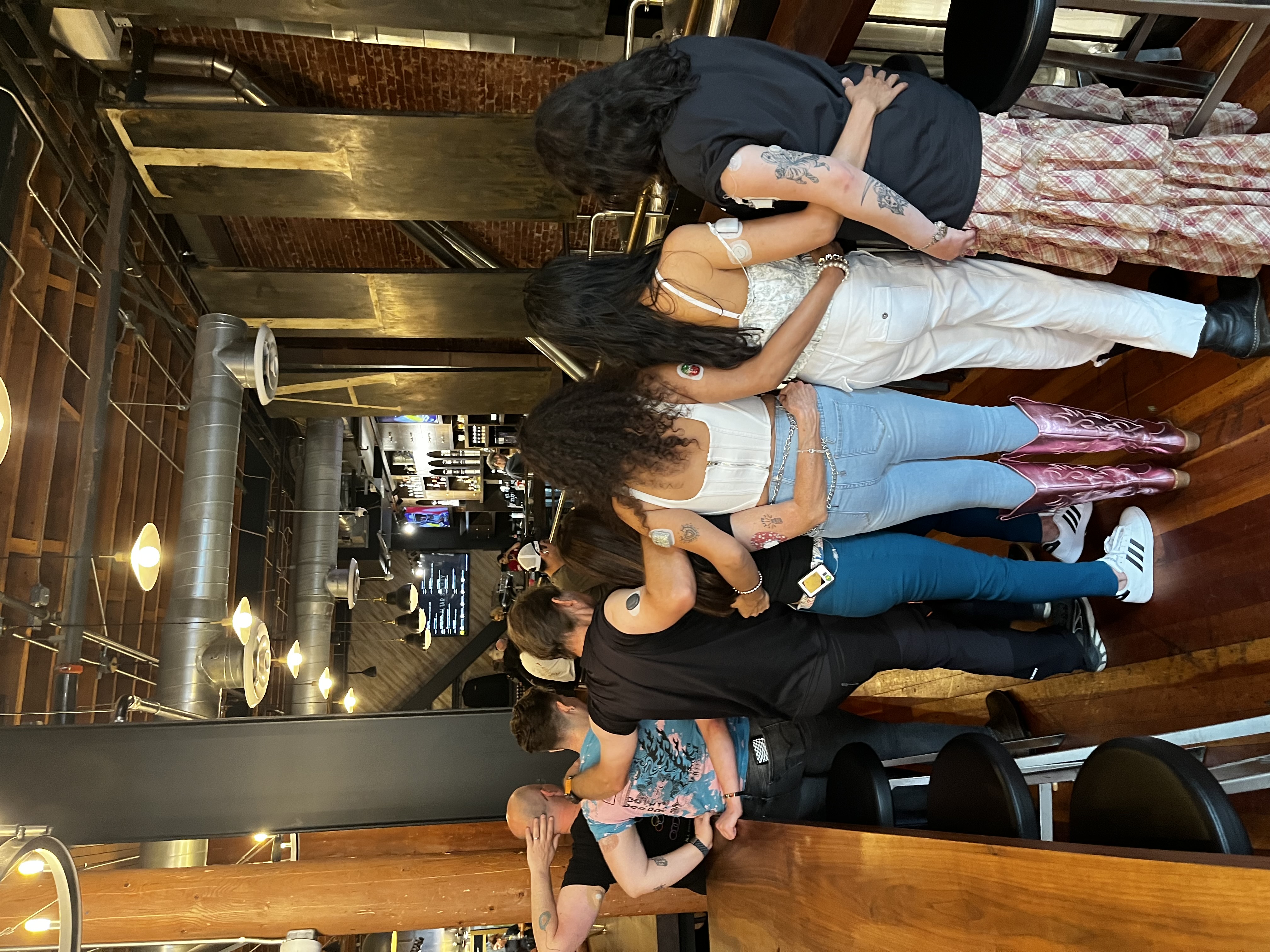
What began as one local group is spreading because adults across the country asked for the same chance to find one another. With guidance and an established chapter structure from Grownup T1Ds, local volunteers are helping bring those communities to their own cities.
How to Find or Start a Grownup T1Ds Chapter
Adults living with type 1 diabetes can find meetups and chapter locations at grownupt1ds.org. If you're interested in starting a chapter in your city, email me at kelly@grownupt1ds.org.
Physicians, CDCESs and medical centers that want to share information about Grownup T1Ds with their adult patients can reach out the same way.


.webp)
.webp)














.jpg)






.jpg)





.jpg)




%20(1).jpg)






.jpg)

.jpg)
.jpg)
.jpg)
.jpg)
.jpg)
.jpg)
.jpg)

.jpg)
.jpg)
.jpg)
.jpg)
.jpg)
.jpg)
.jpg)
.jpg)
.jpg)
.jpg)
.jpg)
.jpg)


.webp)
.svg)