


T1D Guide
T1D Strong News
Personal Stories
Resources
T1D Misdiagnosis
T1D Early Detection
Research/Clinical Trials
Type 1 Diabetes and Kidney Health: What You Need to Know to Protect Them
Kidney disease can feel like a distant complication to someone living with type 1 diabetes (T1D), but it’s one to be aware of because there are no symptoms. Its silent progression makes screening and early detection crucial. Most importantly, there are ways you can take care of your kidneys right now.

.webp)
Individuals with type 1 diabetes know to protect their feet, eyes and heart. Still, according to the National Institute of Diabetes and Digestive and Kidney Diseases (NIDDK), there are core steps and healthy habits beyond keeping blood glucose and blood pressure in the target range.
Read on to learn how to keep your kidneys healthy.
Diabetic Kidney Disease
Diabetes is the leading cause of kidney disease. The kidneys’ main function is to filter waste and extra fluid from the blood. T1D can affect kidney function by damaging the tiny blood vessels and filters (nephrons) that do this work.
Chronic high blood sugar contributes to blood vessel injury by scarring the tiny blood vessels inside the kidneys, causing protein to leak into the urine. This may result in nerve damage, making it harder to feel when the bladder is full. This backed-up urine harms the kidneys.
You can’t protect what you don’t know is at risk, and you can’t always feel kidney damage happening.
The Centers for Disease Control and Prevention (CDC) estimates that of the 35 million Americans who have diabetic kidney disease (CKD), 90% don’t know they have it.
DKD, also called chronic kidney disease or diabetic nephropathy, can be avoided with good glucose management, but several other factors matter.
Steps to Take to Protect Your Kidneys Now
Get Screened!
Kidney disease often has no symptoms in its early stages. Someone can feel perfectly healthy while changes are showing up in their urine or bloodwork.
Childhood or adolescent onset guidelines recommend starting at puberty or age 11, even if you haven’t reached the five-year mark.

Two Ways to Screen:
- Urine test: Having more than the normal amount of certain proteins (albumin) in your urine may show that your kidneys aren't filtering blood properly.
- Blood test: Your blood will be tested for creatinine (a natural waste product in your blood); high levels of creatinine can indicate kidney injury.
Keep Glucose Levels and A1c in Check
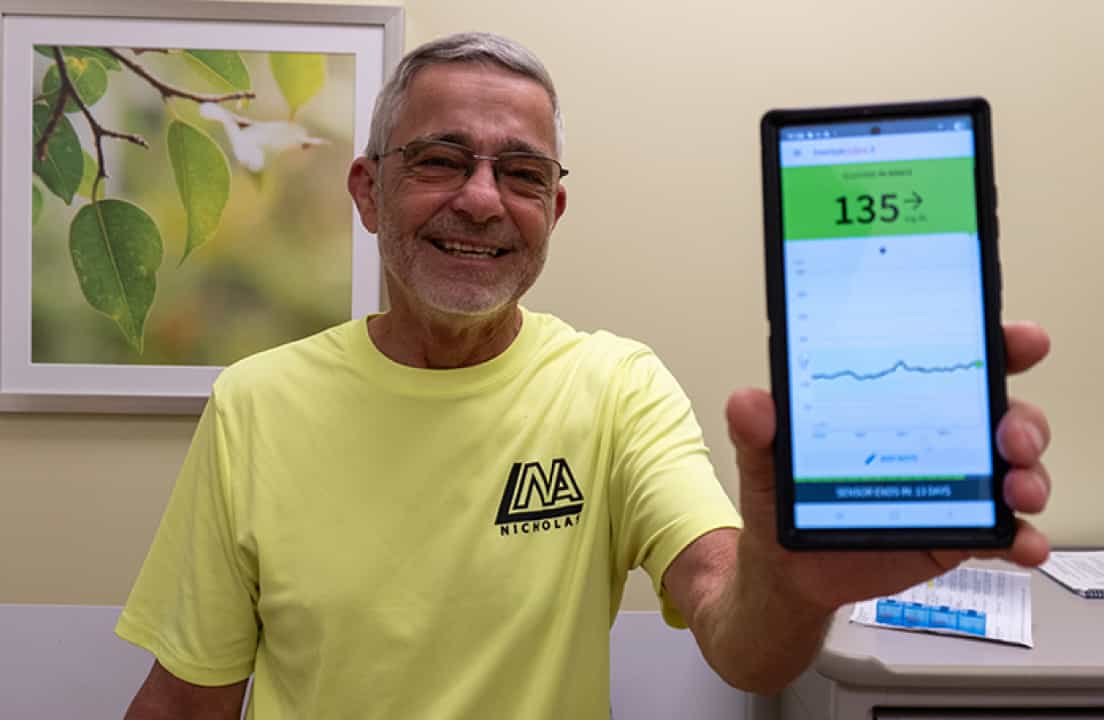
It can’t be overstated that high blood sugars over time cause damage. Work with your healthcare team to keep blood sugar levels in the target range. Continuous glucose monitoring (CGM) and other medications like new GLP-1s, in addition to insulin, may help.
Watch Your Blood Pressure
In addition to blood sugar, monitor blood pressure. High blood pressure is also silent, sometimes hereditary and can occur at a younger age than many think.
Control Your Cholesterol
Overall blood panels check for high cholesterol, which can harm your kidneys over time. Bad LDL cholesterol builds up as plaque in the arteries, hardening and narrowing the blood vessels that lead to the kidneys.
Don’t Smoke!
According to the National Institutes of Health (NIH), smoking harms nearly every organ in the body. And if you need further convincing, studies show it contributes to many cancers, lung disease, weak bones, eye damage, and fertility problems.
Keep Alcohol Use in Check
Light or occasional drinking is fine, but it’s the heavy, binge drinking that may increase your risk of developing kidney injury, especially in conjunction with high blood pressure. Alcohol use causes dehydration, forcing kidneys to work overtime filtering toxins.

Helpful Tip: Eating food and drinking plenty of water while imbibing helps your body process the alcohol and protect your organs, reducing the strain on not only your kidneys but also your stomach and liver.
Get Moving
Light to moderate daily physical activity helps your body in many ways. Experts recommend working toward 150 minutes of exercise per week. Walking, beginner yoga, light weights, even seated mobility movements all boost blood flow, ease joint stiffness and increase energy.
Weight Management
Keeping your weight under control can offset potential harm and protect your kidneys. If needed, speak with your physician and create an actionable weight loss plan.
Nutrition Plays a Vital Role
Exercise, weight loss and nutrition are the triangle of good health for a reason. They are all interconnected, and rarely does one work without the other. Our body craves healthy foods like fruits and vegetables, whole grains, and healthy fats and proteins. Also, stay away from processed boxed items that can carry extra salt and raise blood pressure.

Take Medications On Time As Directed
Just as important as keeping those doctor appointments, taking medications on time matters and can help keep blood pressure and cholesterol levels in check.
Prebolusing 15 minutes before a meal also helps with glucose management.
Be careful with NSAID use (ibuprofen and naproxen), which can harm the kidneys if taken in excess.
Know Your Risks
Anyone can get kidney disease, but unfortunately those with T1D must be extra vigilant. It’s silent and dangerous, but staying ahead of it reduces its progression.
Know your family’s medical history; not only for kidney disease but also for high blood pressure and heart disease. People age 60 and older, and those who are African American, Asian, Hispanic, Pacific Islander or American Indian are also at higher risk. Talk to your doctor about how to lessen your chances. Keep up with annual tests and medications to keep kidneys healthy.


.webp)

.jpeg)







.jpg)




.jpg)




.jpg)







.jpg)

.jpg)
.jpg)
.jpg)
.jpg)


.jpg)

.jpg)
.jpg)

.jpg)
.jpg)
.jpg)

.jpg)

.jpg)
.jpg)
.jpg)



.jpg)


.jpg)




.jpg)
.jpg)


.jpg)

.jpg)


.jpg)
.jpg)
.jpg)
.jpg)
.jpg)
.jpg)
.jpg)

.jpg)
.jpg)
.jpg)


.jpg)
.jpg)
.jpg)

.jpg)


.webp)
.svg)