T1D Guide
T1D Strong News
Personal Stories
Resources
T1D Misdiagnosis
T1D Early Detection
Research/Clinical Trials
“I Thought I Could Reverse Type 1”: Making Friends With a Chronic Condition in India
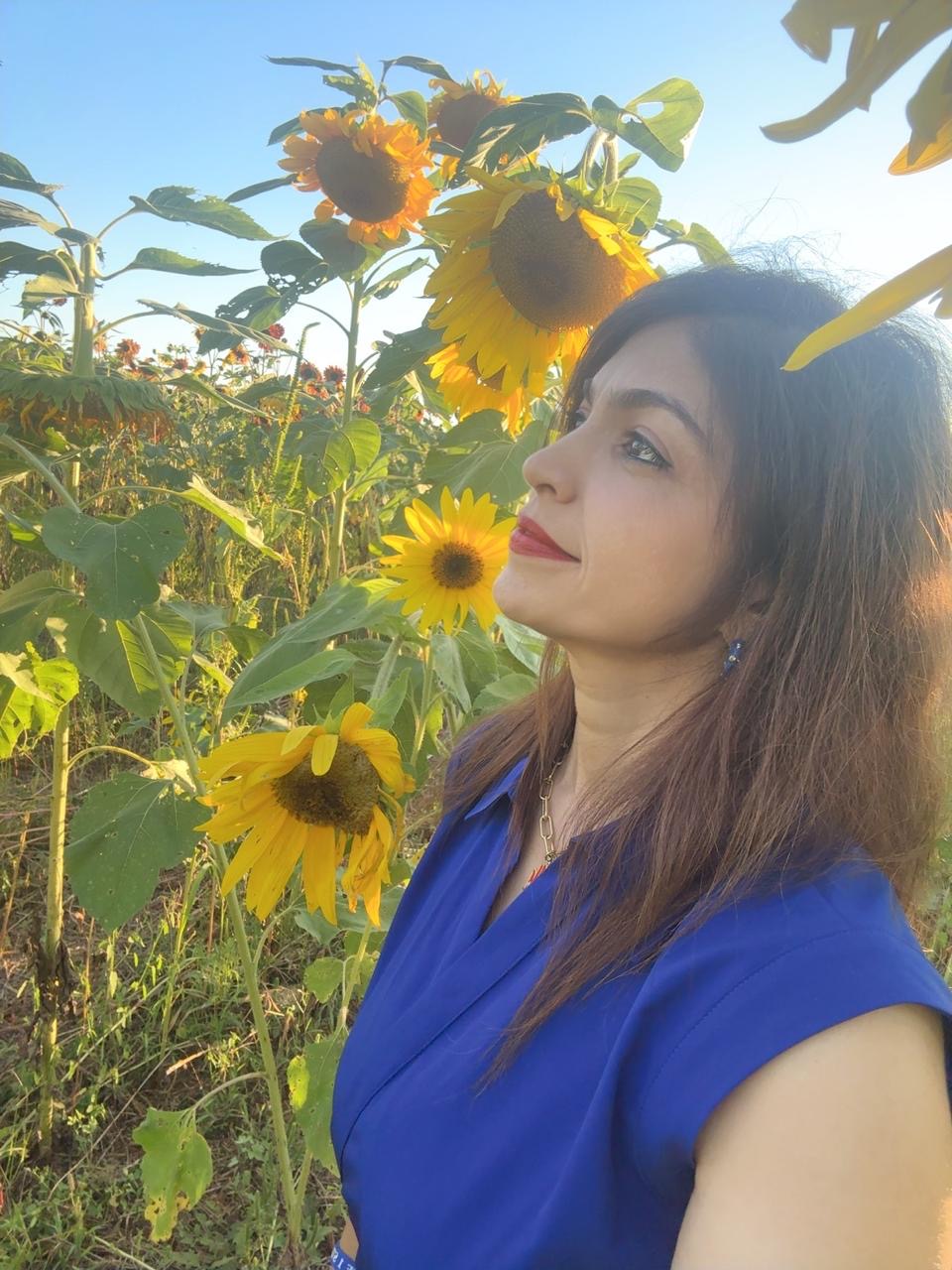
When doctors first spoke to Riddhi Modi about diabetes in Mumbai, India, she was diagnosed with gestational diabetes. Later, she was diagnosed with LADA (latent autoimmune diabetes in adults). Over time, what began as a pregnancy diagnosis eventually became a lifelong condition that would change not only how she managed her health, but also how she understood her place in the world.

Behind the Blood Glucose Numbers
For more than 20 years, Riddhi has lived through different stages of diabetes. Each one brought new challenges to her daily life, emotional health, work, relationships, and sense of identity. Blood glucose numbers were only one part of the experience: behind them were fear, denial, uncertainty, and a strong resistance to starting insulin therapy.
She also experienced episodes of hypoglycemia, isolation, and anxiety around food, travel, and everyday activities. Over time, diabetes became something she had to think about constantly.
“I Thought I Could Reverse Type 1”
In the early years, Riddhi believed that she could somehow outrun her diagnosis. She thought if she ate perfectly, exercised enough, and took complete control of her lifestyle, she might be able to reverse the condition. Because she did not yet understand type 1 diabetes (T1D) as an autoimmune disease that requires insulin, she resisted starting it for a long time.
That belief came at a high cost. She experienced repeated episodes of low blood sugar and spent long periods dealing with hypoglycemia. It affected her physical health, but the consequences went far beyond the numbers on her glucose meter. She was constantly tired; she experienced mood changes and irritability, and found it harder to be productive at work. Her relationships suffered, and she gradually withdrew from social situations.
Travel, which should have been an ordinary part of life, began to feel risky. She avoided trips and turned down social events because she was worried about what might happen to her blood glucose. Everyday decisions became connected to diabetes, and the condition began to shape where she went, what she did, and how comfortable she felt around other people.
Like many adults facing a new chronic condition, Riddhi also struggled with a simple but difficult question: “Why me?” She understood some of the medical facts, but understanding them intellectually did not mean she was ready to accept them emotionally.
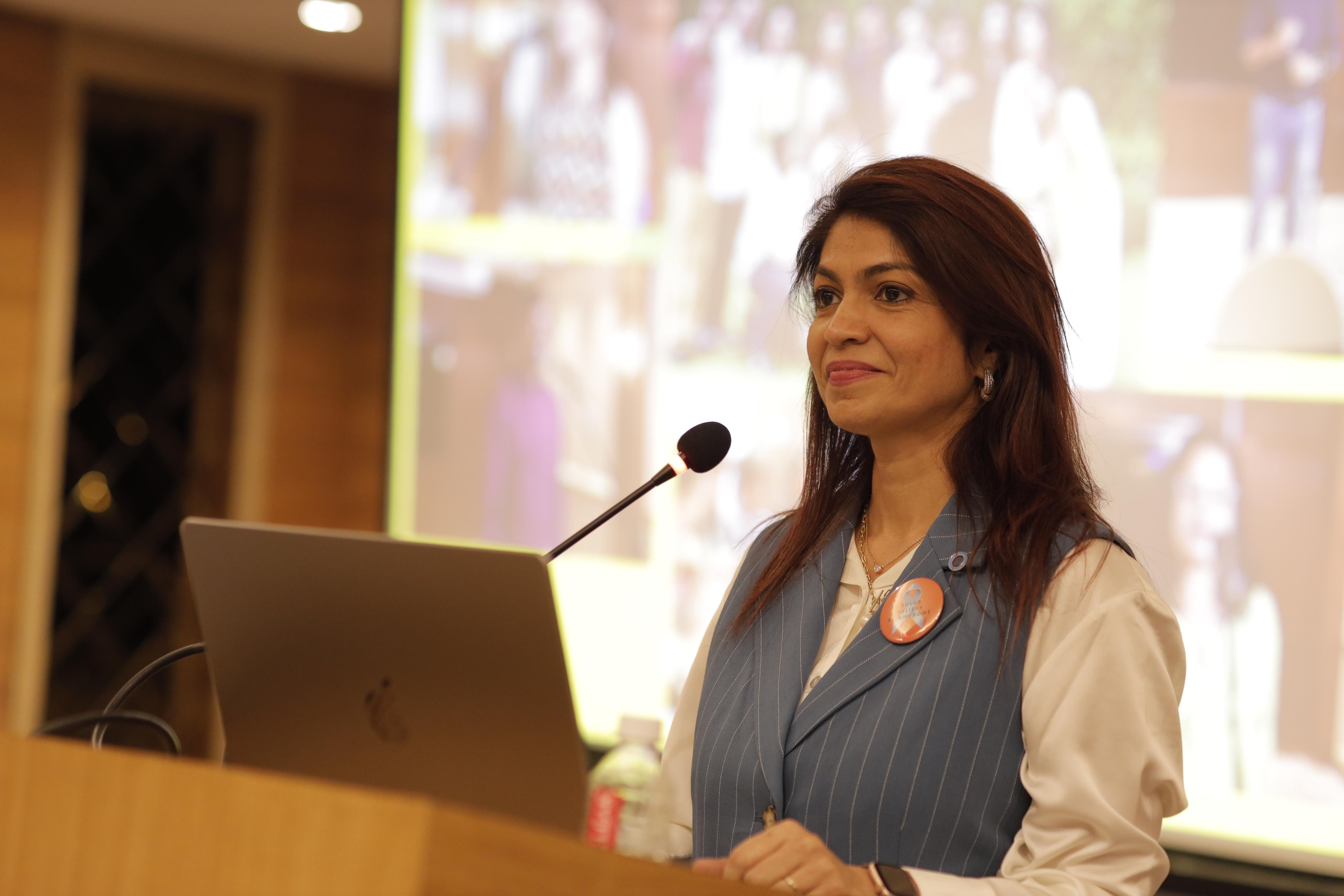
For years, there was a gap between what she knew about diabetes and what she was willing to accept about her own life. Riddhi’s denial didn't just delay insulin treatment. It also took away time, energy, and some of the freedom she once had.
Adult-Onset Type 1 Diabetes in India: Stigma, Confusion, and Silence
Riddhi’s experience was shaped not only by diabetes itself, but also by the way people around her understood the disease. Type 1 diabetes has historically been associated with children and was often referred to as “juvenile diabetes.” Because of this, an adult receiving a T1D diagnosis can face confusion from people who assume that diabetes is always type 2 or that it is the result of lifestyle choices.
For her, that confusion became a source of stigma. People did not always understand the differences between type 1 and type 2 diabetes, and some assumed that she had developed diabetes because she had eaten too much sugar or had not taken care of herself. These misperceptions added guilt and shame to an already difficult experience, making it harder for her to talk openly about her experience.
The physical changes caused by diabetes made the situation even more complicated. When she lost weight and her appearance changed, friends and colleagues asked what was happening. Riddhi found it difficult to explain her condition, particularly when she herself was still trying to understand it. Explaining LADA and insulin treatment felt overwhelming, especially while she was also trying to maintain her responsibilities at work and at home.
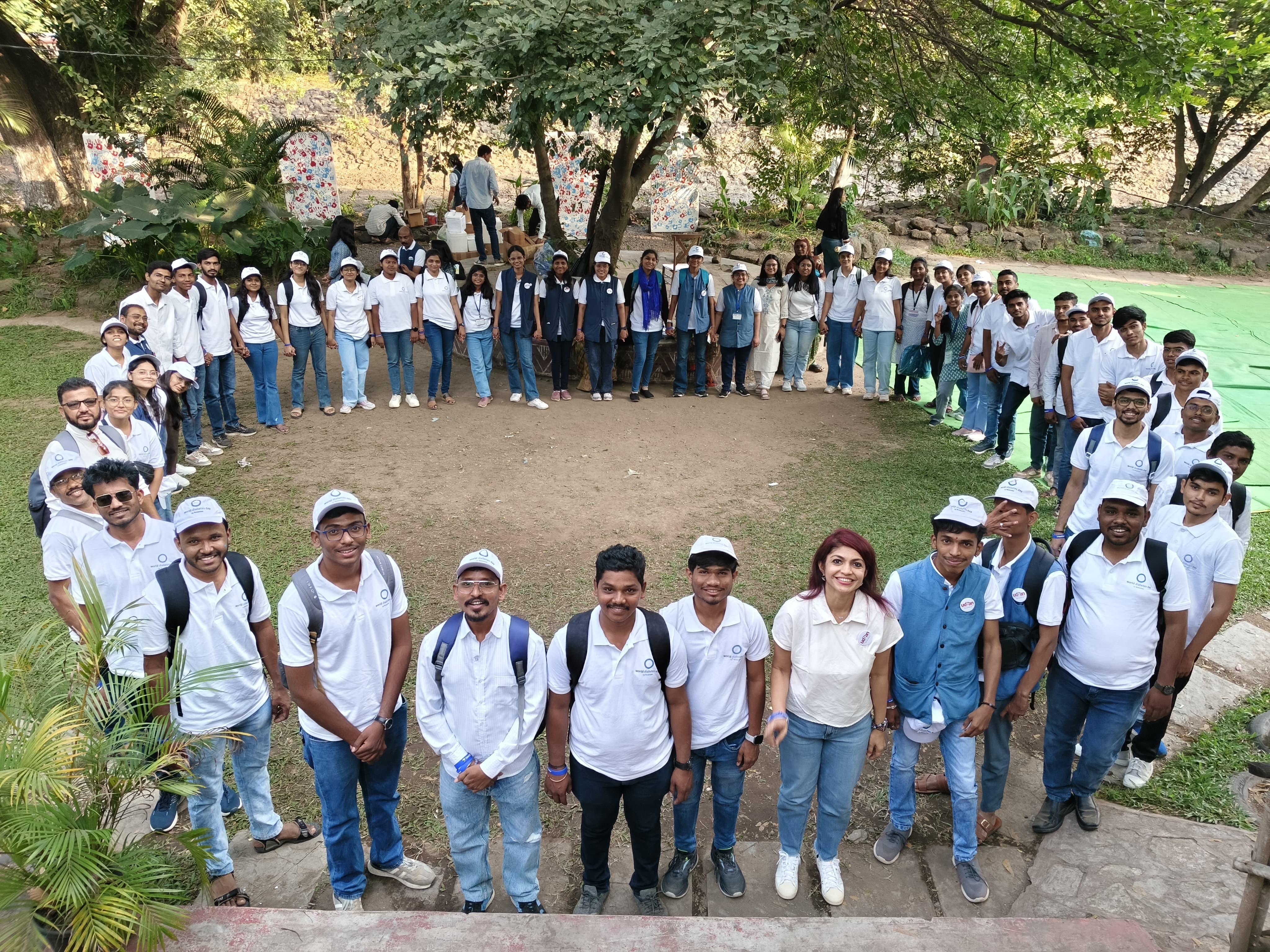
Her acceptance of insulin came gradually. As she learned more about type 1 diabetes, she began to understand that insulin was not a sign that she had failed to control her condition. It was a necessary treatment and, ultimately, a lifeline.
The Turning Point: Community and Education
The most important change in Riddhi’s journey came when she found a community of people living with type 1 diabetes. Before that, she had access to doctors and basic diabetes supplies, but important gaps remained in her understanding of what managing diabetes looked like from one day to the next. Medical appointments could provide information, but they didn't always answer the practical questions that come with living with the condition every day.
Meeting other people with T1D gave her a different kind of education. Through those connections, she learned about a more structured approach to diabetes management, often described through five areas:
- Insulin therapy
- Glucose monitoring
- Nutrition
- Physical activity
- Emotional-mental health
Instead of seeing diabetes as a problem that she had to solve perfectly, she began to understand it as a condition that required attention across several parts of her life.
Education did not make diabetes disappear, and it did not remove every difficult day. It gave her a greater sense of understanding and agency. She was no longer simply reacting to diabetes. She was learning how to live with it.
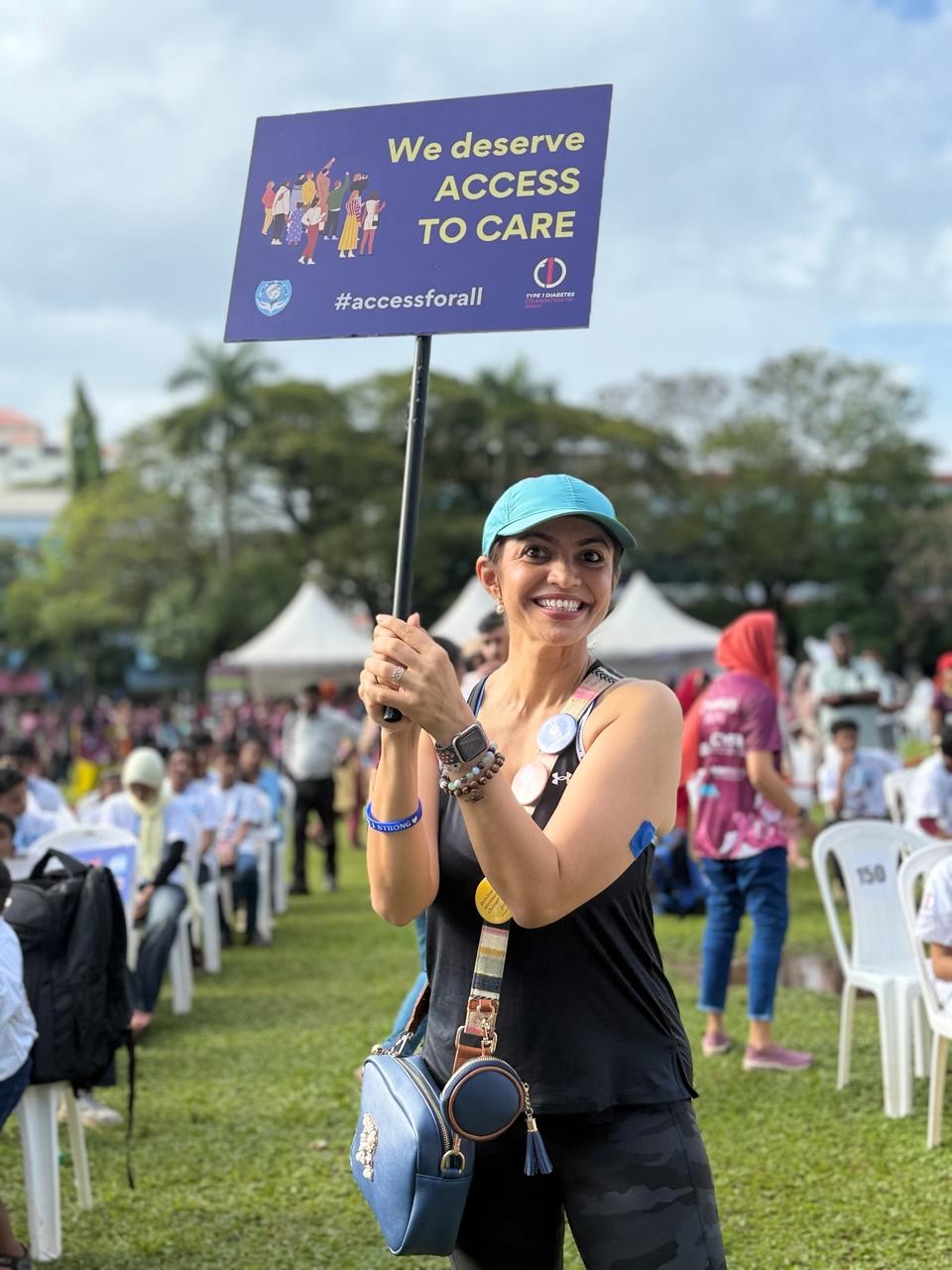
The Reality of Type 1 Diabetes Care in India
Riddhi’s personal experience also reflects the broader challenges she sees in type 1 diabetes care in India. She points to the lack of a comprehensive national T1D registry and a standardized screening program. In this environment, some people are diagnosed only after their symptoms have become severe, and they arrive at a hospital with diabetic ketoacidosis (DKA).
DKA is a serious and potentially life-threatening complication of type 1 diabetes. For Riddhi, recognizing the early signs of the condition is closely connected to her own experience. She and other advocates work to raise awareness among families, schools, teachers, caregivers, and health care workers so they can recognize T1D symptoms more easily.
She also believes that awareness needs to go beyond recognizing symptoms. Families need to understand what happens after diagnosis, including how insulin is administered, how basal-bolus therapy is used, how glucose is monitored, and what to do if someone develops signs of DKA.
Riddhi often summarizes her message in three simple ideas:
- Detect early
- Diagnose correctly
- Do something before DKA
For her, earlier recognition can help transform what might otherwise become a frightening emergency into an informed, supported beginning to life with diabetes.
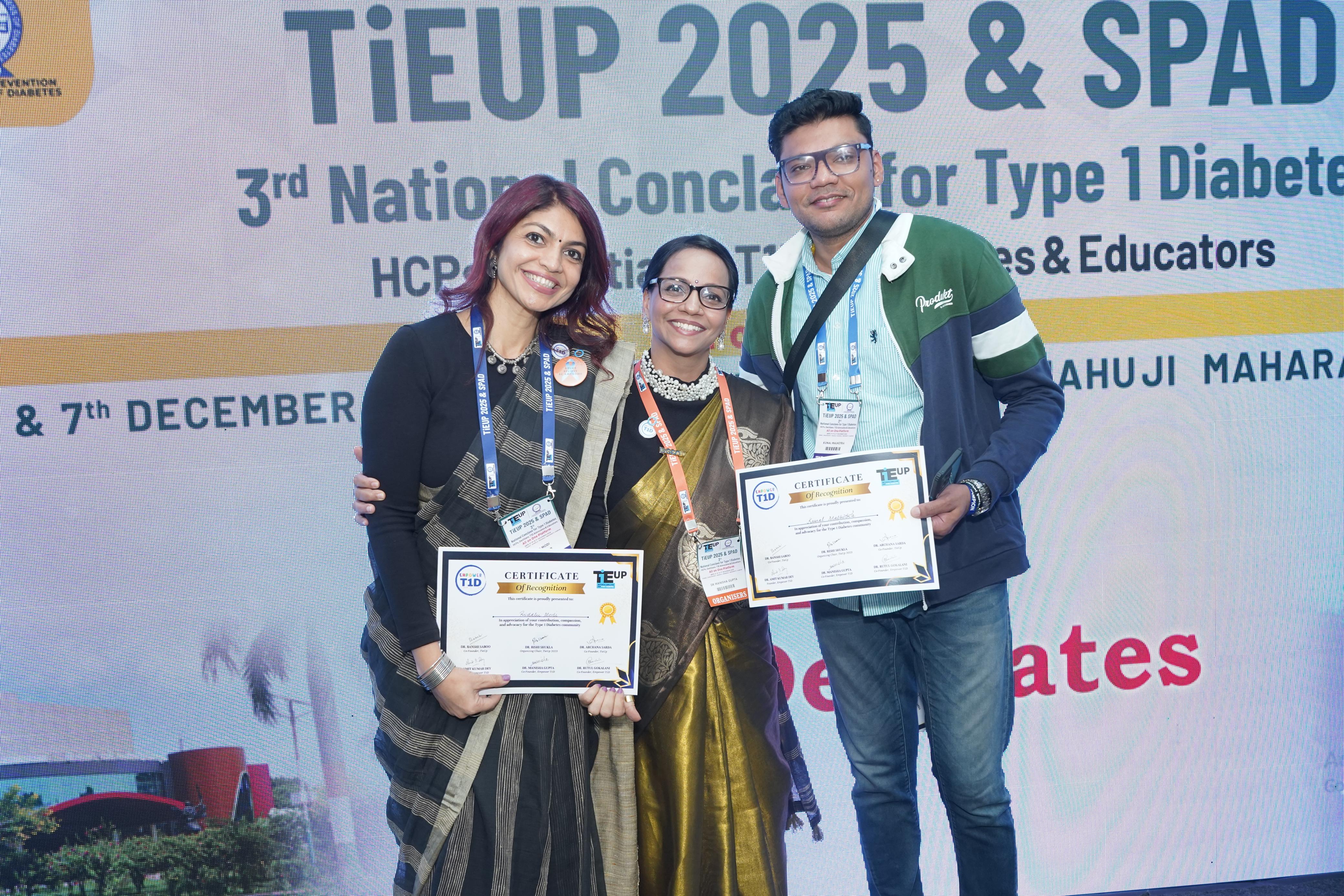
Looking Ahead: Screening and a More Proactive Approach
Riddhi did not have access to early screening for type 1 diabetes-related autoantibodies or regular C-peptide monitoring before her diagnosis. Looking back, she wishes someone had explained more clearly that LADA cannot be reversed through lifestyle changes, and that insulin is essential for managing the condition safely.
Understanding these points earlier might have changed the way she approached insulin and helped her understand what was happening in her body.
Riddhi’s experience has also influenced how she thinks about her own child. She believes in the value of screening for T1D risk while making sure that her child understands the process and agrees to it. A proactive approach is increasingly possible as scientific knowledge and medical tools continue to develop.
Knowing about risk earlier, she believes, can give families more time to prepare and make informed decisions rather than waiting for symptoms or an emergency. At the same time, she recognizes that access is a major part of this discussion. Some newer therapies and preventive options are extremely expensive and are not widely available in India.
Screening and early treatment are therefore not realistic choices for every family. Even so, when families have access, Riddhi sees value in knowing sooner. Early knowledge does not guarantee a particular outcome, but it can reduce the shock of diagnosis and give families more time to understand what may lie ahead.
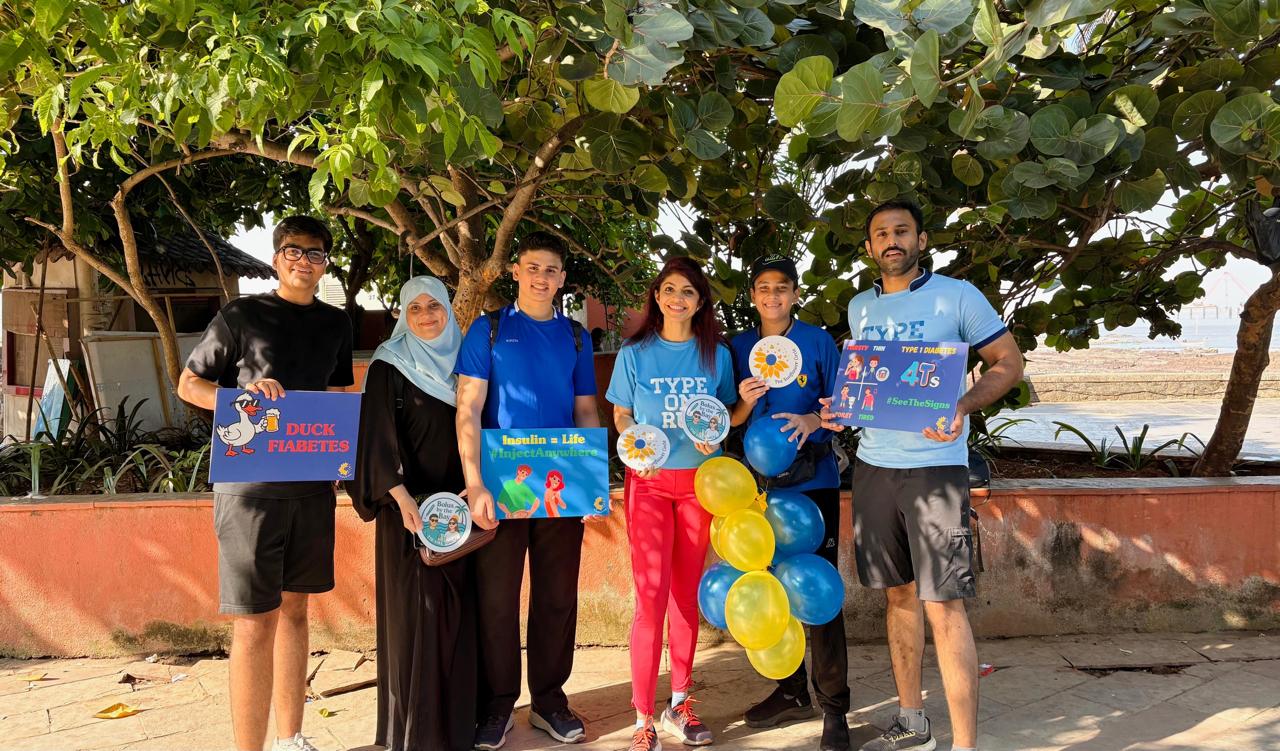
Her “Superpowers”: Belonging, Love, and Mental Health
When Riddhi became involved in diabetes advocacy, she encountered another form of uncertainty. People questioned whether she was qualified to help others. She was asked whether she was a certified diabetes educator, whether she understood health policy and insurance, and whether she knew enough about differences in access to care between rural and urban communities.
Instead of letting those questions stop her, Riddhi kept learning. At the same time, however, she discovered that her most meaningful contribution to the community was not necessarily a professional qualification. It was something more personal: creating a sense of belonging.
Within her Mumbai community, she wants people with type 1 diabetes to know that they do not have to face the condition alone. She tries to create spaces where people can speak honestly about fear, anger, frustration, and grief without feeling judged. For someone who has spent years feeling misunderstood or isolated, simply meeting another person who understands can make a significant difference.
Her own connections with people living with T1D in India and around the world have given her practical knowledge, encouragement, and examples of people building full lives while managing the condition. They have also given her something that cannot easily be measured: the feeling that other people understand.
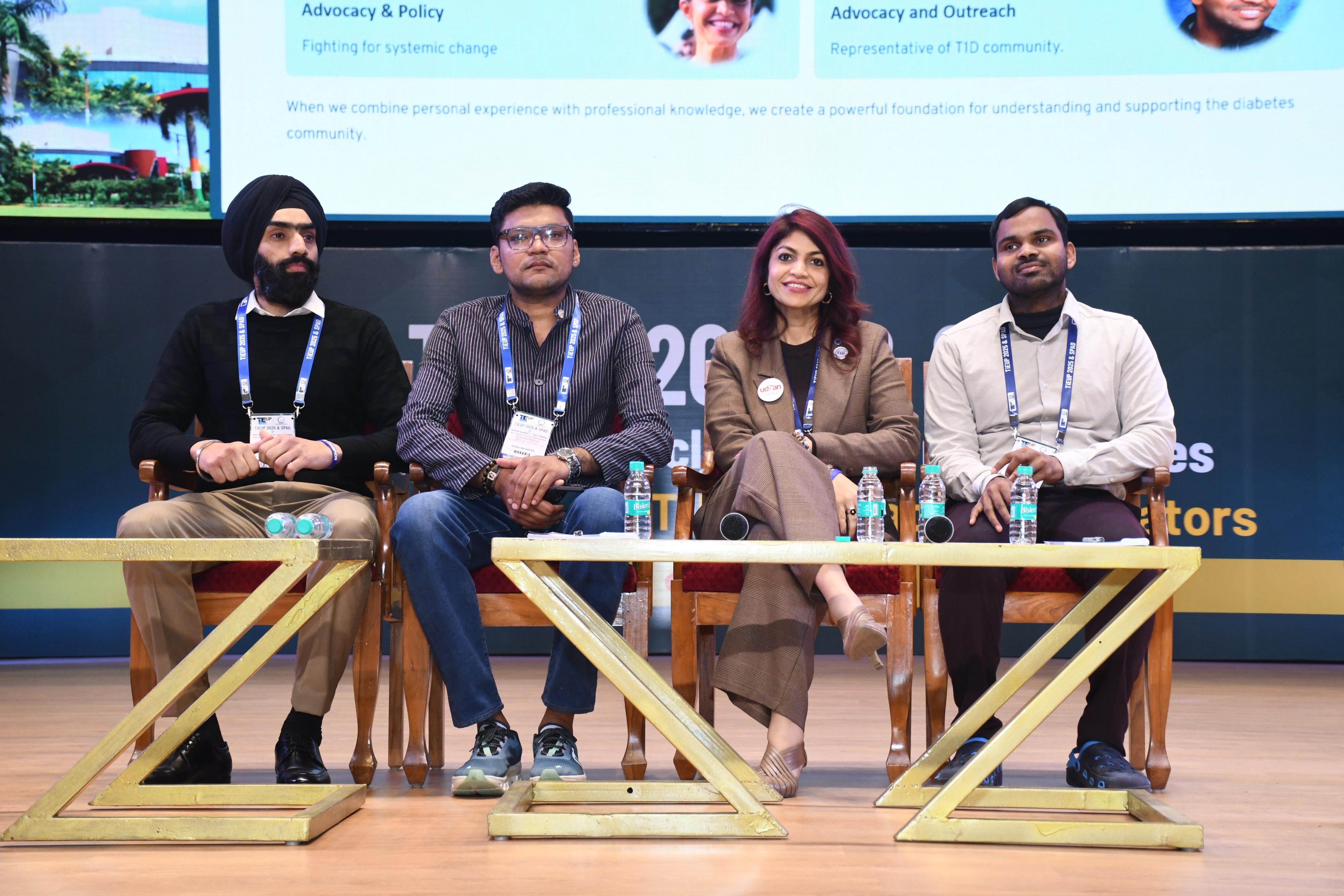
For Riddhi, belonging is a kind of medicine. It may not come in a prescription bottle, but it can change how someone copes with diabetes, adapts to difficult moments, and finds joy in everyday life.
A Message to Anyone Living With a Chronic Condition
Riddhi encourages anyone living with a chronic condition to pause and think about where they are in their journey and what they need right now. It might mean asking whether they need more education, more medical support, or help with their mental health.
It might also mean recognizing that they have been trying to manage everything alone because they are afraid to ask for help. Identifying that need is not a weakness. It is an important part of learning how to live with a chronic health condition.